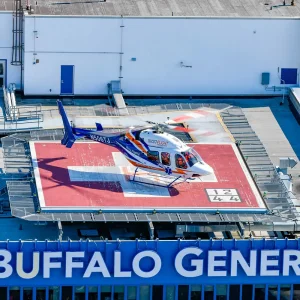
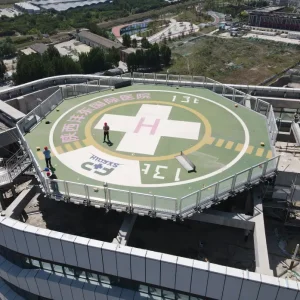
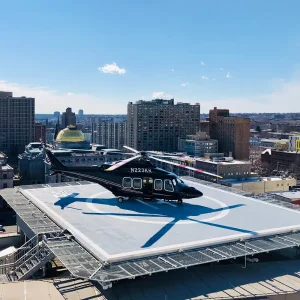
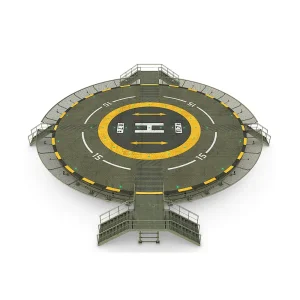
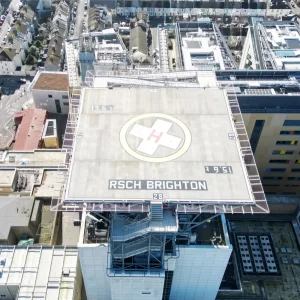
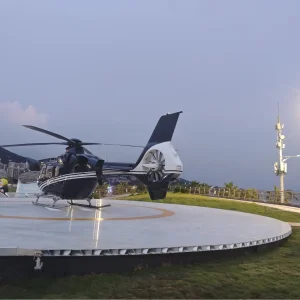
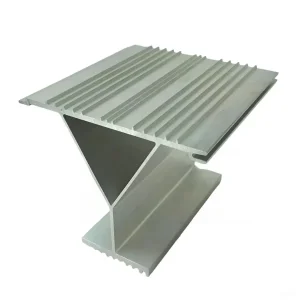
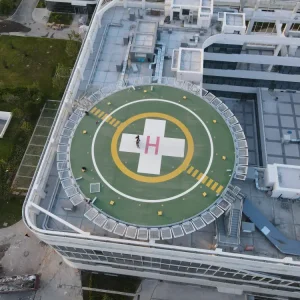
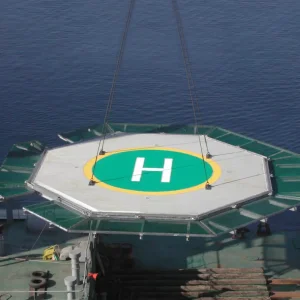
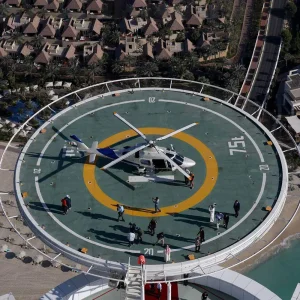
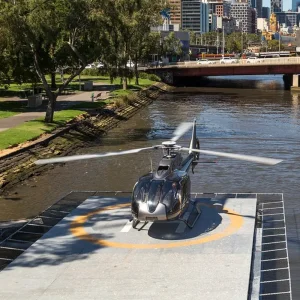
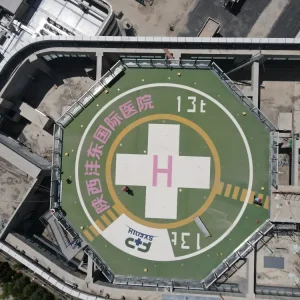
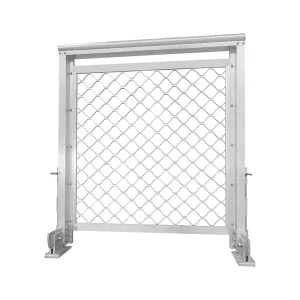
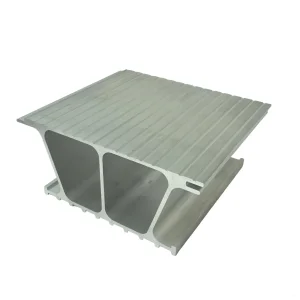
Explore our certifiably robust structural profiles, hospital emergency helipads, and mechanical/electric safety netting systems.
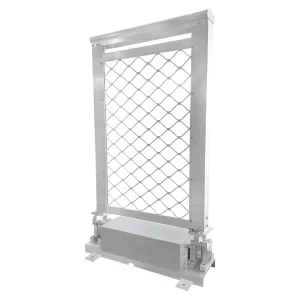
Helideck operations pose some of the most challenging structural and safety issues in marine and architectural design. Safety nets placed around the perimeter of helicopter landing areas are designed to protect aviation personnel and ship crews from fatal falls under turbulent oceanic winds or emergency maneuvering. Structurally, these nets must absorb sudden dynamic drops without breaking or transmitting excessive load to the host platform frame.
Historically, steel wire nets dominated this sector. However, the combination of high saline exposure, intense solar radiation, and structural dead-weight limitations has forced a migration toward high-performance aluminum alloys. High-strength aluminum perimeter nets present a maintenance-free life cycle of more than 20 years, offering resistance to corrosion and structural load performance that satisfies the most demanding civil aviation authorities worldwide.
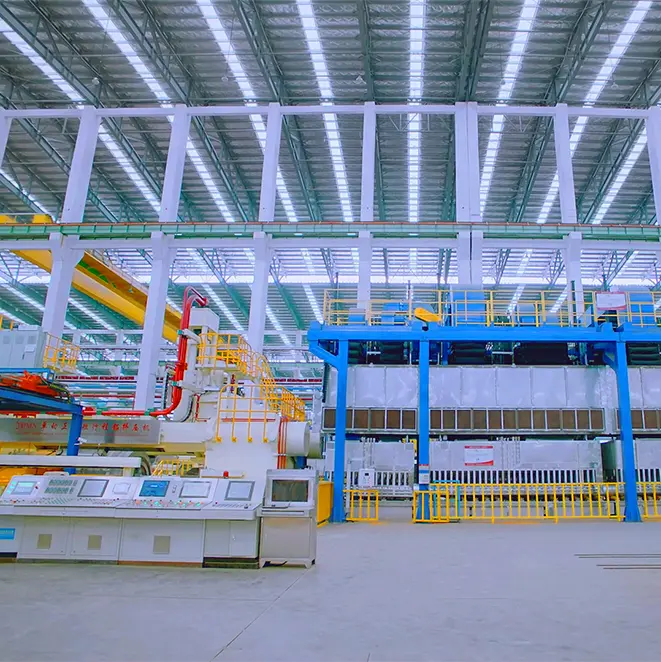
Established in 2015 and located in Foshan City, Guangdong, LvXing Intelligent Equipment Co., Ltd. excels at transforming complex structural ideas into reality.
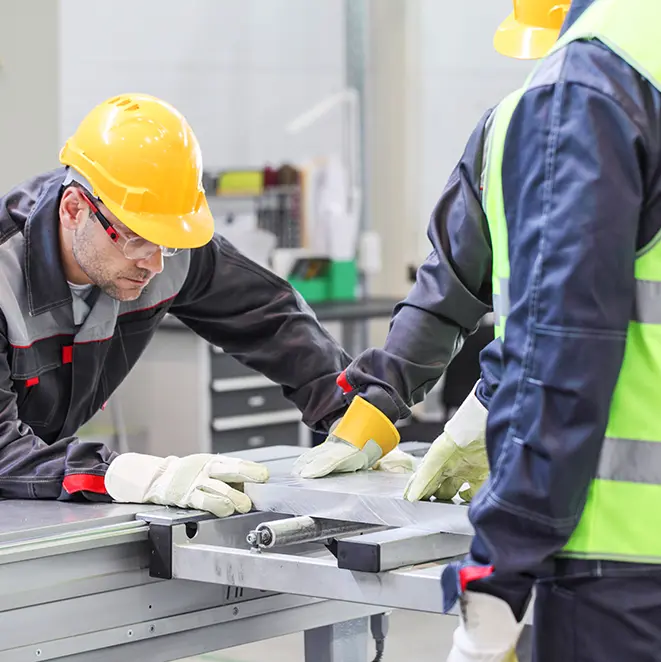
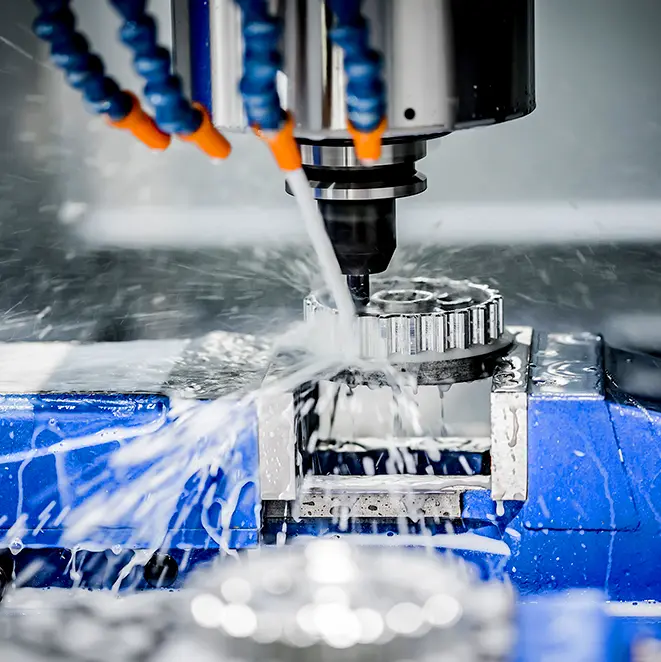
Our operation utilizes premium Fenglu aluminum, offering a diverse range of customized structural profiles for flexible and challenging applications. Leveraging extrusion lines ranging from 800T to 20,000T, we readily process alloys in the 1xxx, 2xxx, 3xxx, 5xxx, 6xxx, and 7xxx series. We produce fully shaped products with cross-sectional dimensions up to 1.2 meters in width and 28 meters in length.
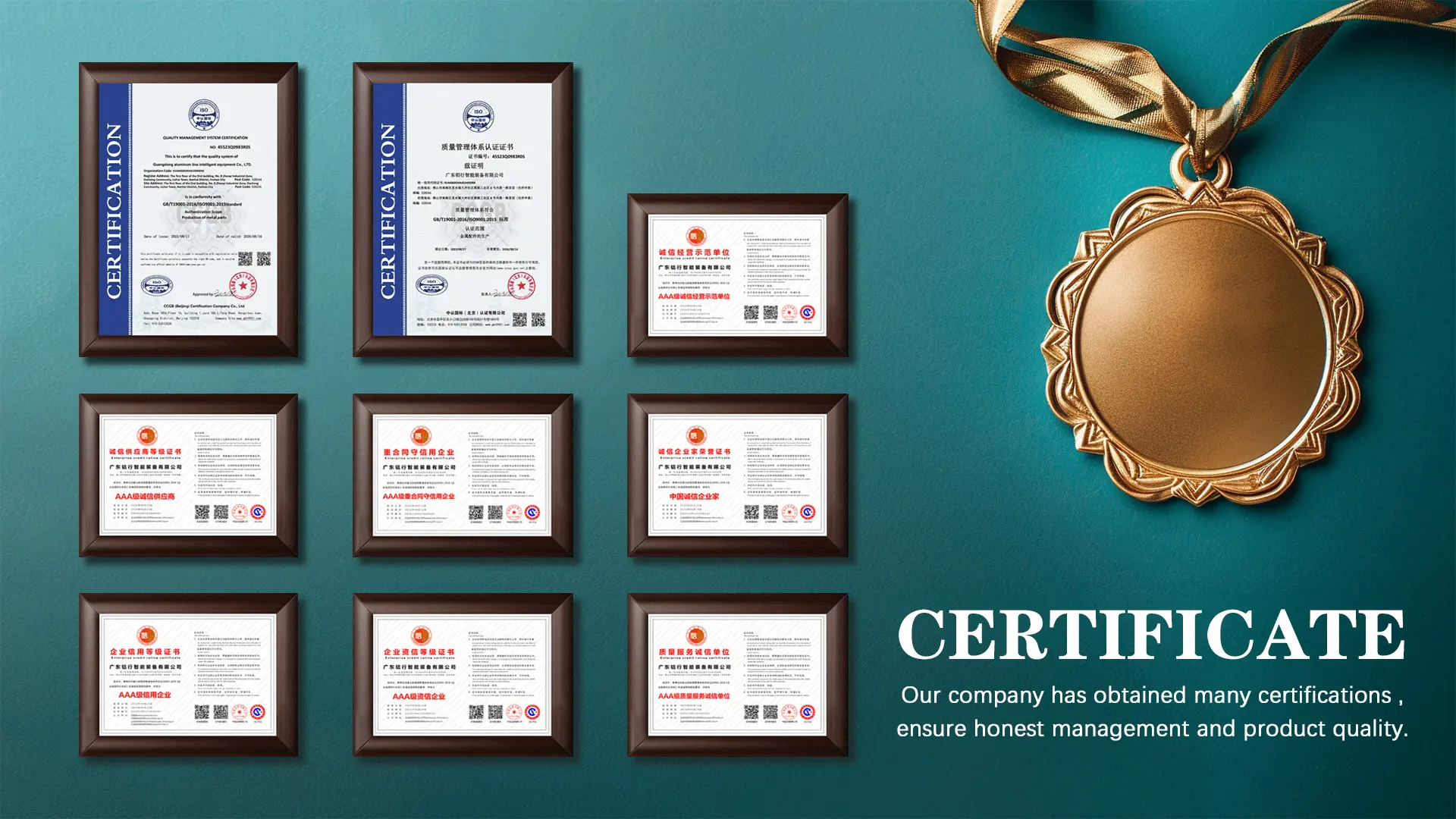
LvXing is certified under the GB/T19001-2016/ISO9001:2015 quality system standards and possesses the highly prestigious "Special Aluminium Materials for Aerospace" Certificate. This credential highlights our technical capacity and guarantees that every single structural helideck component meets rigorous tolerances and material purity requirements.
Whether you require marine-grade helideck structures or precision manual/electric perimeter safety nets, our 15-year engineering team provides the insight and craftsmanship needed to eliminate risk in high-consequence landing zones.
Understanding the strict regulatory guidelines governing international B2B offshore procurement.
Perimeter safety nets must extend at least 1.5 meters outward from the helideck edge and present a flexible drop-absorption profile. The net must not project upwards above the flight deck surface to avoid catching landing gear.
Structural assemblies must withstand rigorous drop tests representing a 100 kg body dropped from a height of 1.0 meter (or equivalent to a 200-Joule impact load) without structural failure or permanent deformation of the frame.
Because maritime air is saturated with chloride ions, components must consist of marine-grade 6082-T6 or 6061-T6 aluminum alloys anodized to class 25 (25+ microns thick) or high-grade stainless steel wire meshes.
A data-driven engineering view comparing high-performance aluminum with traditional structures.
| Performance Metrics | LvXing Extruded Aluminum Alloy (6000 Series) | Structural Steel S355 (Hot-Dip Galvanized) | Stainless Steel (Grade 316) Mesh |
|---|---|---|---|
| Weight per m² (Structural) | 12 – 16 kg (Lightweight) | 35 – 45 kg (Heavy) | N/A (Netting only, requires separate frame) |
| Yield Strength (Tensile) | 290 MPa (T6 temper) | 355 MPa | 520 MPa (Excellent local strength) |
| Corrosion Resistance | Outstanding (Natural oxide film + Class 25 Anodization) | Moderate (Subject to zinc-layer degradation over 5 years) | High (Susceptible to crevice corrosion under marine biofilm) |
| Lifespan in Marine Env. | 25+ Years (Maintenance-free) | 5 – 10 Years (Requires regular repainting) | 15+ Years (Requires periodic tension checks) |
| Recycling Capability | 100% Recyclable (High scrap recovery value) | Recyclable (Low scrap economic value) | Moderate |
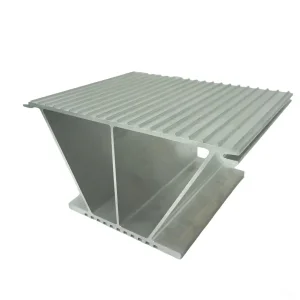
The core advantage of using LvXing’s high-strength extruded aluminum helideck profiles is the significant reduction in deadload. On offshore rigs or hospital rooftops, saving a few tons of superstructure load reduces stress on load-bearing pillars, permitting lighter foundation designs. Simultaneously, our extrusion lines allow us to create multi-cavity interlocking profiles that integrate landing surfaces, water drainage channels, and perimeter net mounts directly into a single unified profile.
To accommodate diverse ship architectures and maritime clearances, our design laboratory has introduced two dynamic mechanisms:
Every joint, bracket, and wire mesh loop is engineered to prevent stress concentration, utilizing specialized isolators to prevent galvanic corrosion where steel fasteners interface with aluminum frames.
Aligning structural durability with smart IoT components and visual guidance technologies.
Integrating Cap 437 LED perimeter circle-H lights directly inside the perimeter net structural frame, eliminating trip hazards and optimizing helicopter landing guidance.
Real-time load-cell telemetry monitors environmental ice load, wind force, and landing impacts. This data provides predictive maintenance alerts directly to ship control systems.
Leveraging high-yield recycled marine-grade aluminum, reducing the lifecycle carbon footprint of the platform by up to 65% compared to steel alternatives.
Technical guidance and compliance answers from our senior engineering team.
Thanks to the properties of marine-grade 6000-series alloys combined with class 25 anodizing, our safety nets typically achieve an offshore service life exceeding 20 to 25 years. This longevity far outperforms hot-dip galvanized steel, which requires rust coating maintenance every 3 to 5 years in saltwater environments.
Yes. Our safety nets are designed, manufactured, and tested to meet the strict requirements of CAP 437 (Standards for Offshore Helicopter Landing Areas). They project no more than 25 mm above the helideck level, extend at least 1.5 meters from the deck edge, and are rated for the mandatory drop tests.
Absolutely. With extrusion lines ranging from 800T up to 20,000T, we can extrude profile shapes up to 1.2 meters wide and 28 meters long. Our in-house engineering team designs and manufactures customized systems to fit specific vessel hulls, oil rig structures, and hospital rooftop geometric designs.
We perform rigorous in-factory testing, including dynamic drop tests using a 100 kg weight falling from 1 meter. This test measures deceleration and plastic deformation to ensure our assemblies exceed the safety limits set by major international aviation and maritime safety classification organizations.
Explore our high-strength profiles, manual safety net designs, and customized rooftop helipads.
Get a precise structural estimate, technical specification sheet, or customized CAD file consultation. Our engineering team responds within 24 hours.
Request Engineering Quote LvXing