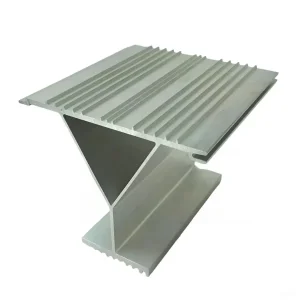
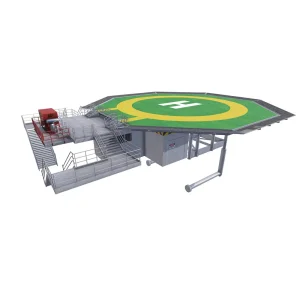
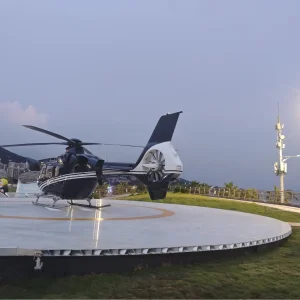
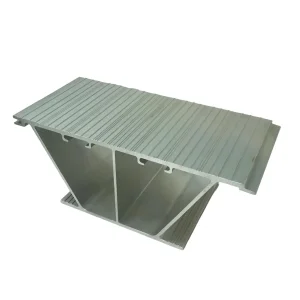
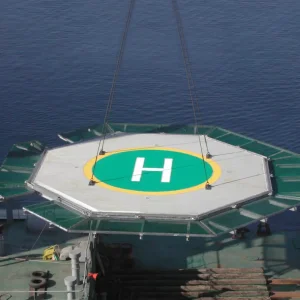
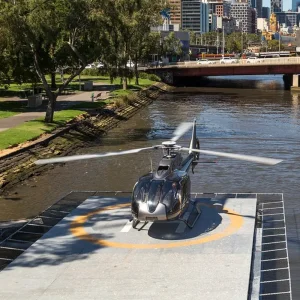
Explore our engineering-grade aluminum helipad structures and safety mesh systems designed for heavy load distribution and marine corrosion environments.
Why Tier-1 global EPC contractors partner with LvXing Intelligent Equipment Co., Ltd. for offshore and high-rise helipad safety nets.
We source premium Fenglu aluminum, utilizing high-grade 6000-series (such as 6061-T6 and 6082-T6) and 7000-series structural alloys. These structural frameworks carry our prestigious "Special Aluminium Materials for Aerospace" Certificate.
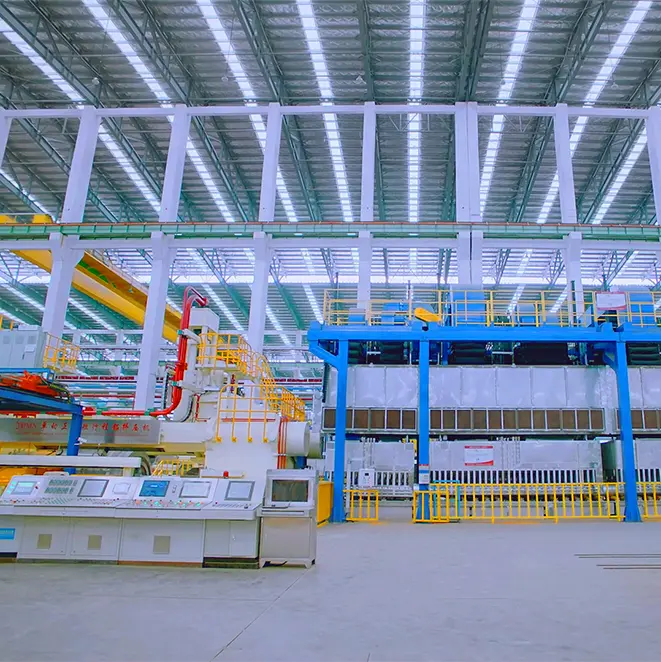
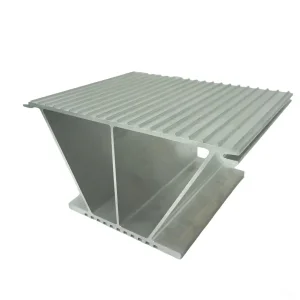
Equipped with state-of-the-art hydraulic extrusion lines spanning capacities from 800T to 20,000T. We custom-extrude massive structural components up to 1.2 meters in profile width and 28 meters in continuous length.
Our operational framework operates under rigid compliance with GB/T19001-2016/ISO9001:2015 international quality systems, ensuring trace-back reliability across all safety net frames, mesh links, and fastening accessories.
A comprehensive analysis of design standards, safety requirements, and global procurement trends for helicopter landing deck perimeter systems.
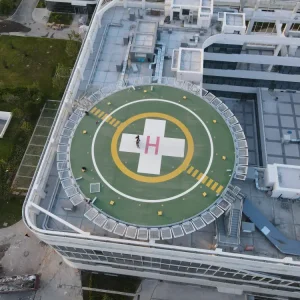
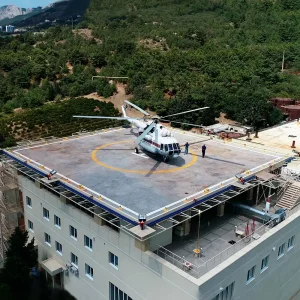
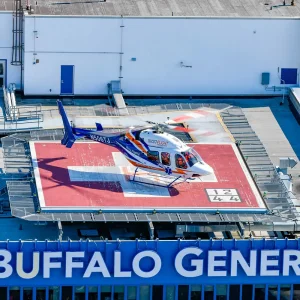
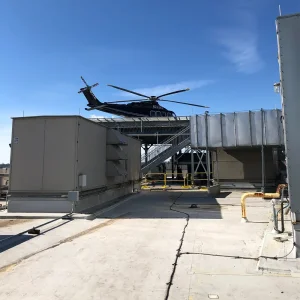
A helipad safety net (often referred to as a perimeter safety mesh system) is a life-critical safety component engineered to prevent personnel and flight crew from falling from elevated helipads. Unlike standard safety fencing, these systems must endure extreme dynamic stresses.
According to international aviation regulations, including the UK Civil Aviation Authority's CAP 437 (Standards for Offshore Helicopter Landing Areas) and the Federal Aviation Administration's FAA AC 150/5390-2C, perimeter safety nets must meet the following strict parameters:
"Failure to source compliant helipad safety nets can lead to immediate grounding of landing operations by international civil aviation inspectors. Quality-controlled aluminum frames combined with marine-grade stainless steel or custom alloy mesh are necessary to mitigate mechanical risk."
Modern helipad engineering has shifted away from traditional carbon steel or heavy galvanized steel structures. The industry standard is now high-strength, corrosion-resistant aluminum alloys (specifically from the 6xxx series) coupled with stainless steel 316 mesh. Here is a comparison of the technical benefits:
| Performance Indicator | Aluminum Alloy Systems (e.g., 6082-T6) | Galvanized / Carbon Steel Systems |
|---|---|---|
| Weight Advantage | Ultra-lightweight (~33% of steel weight). Reduces rooftop loads. | Extremely heavy. Demands robust structural columns. |
| Corrosion Resistance | Outstanding performance. Naturally forms protective oxide layers. | Prone to rust, requiring continuous painting and inspections. |
| Service Lifespan | Up to 25+ years in harsh offshore offshore marine zones. | Often requires complete replacement every 5-10 years. |
| Recyclability & Value | 100% recyclable, retaining high scrap/salvage value. | Negligible end-of-life residual material value. |
Manufacturing specialized helipad safety nets requires advanced structural extrusion alongside precision fabrication. Establishing factory hubs in regions like Foshan City, Guangdong, delivers clear competitive advantages for global procurement departments:
High-Capacity Heavy Industry Extrusion: Access to heavy extrusion machinery ranging up to 20,000T enables the creation of wide, single-piece profiles. This minimizes structural welding and joints, eliminating potential weak points under load stresses.
Streamlined Supply Chain Integration: By sourcing raw billet aluminum, utilizing custom tooling shops, conducting surface treatments (anodizing, fluorocarbon coatings), and fabricating in a single region, production lead times are shortened. This integrated approach allows for expedited delivery on large-scale infrastructural initiatives.
Helipad safety nets are not generic components. They are engineered to address specific physical, geographic, and regulatory environments:
A premium manufacturing factory does not simply supply raw mesh. True value is built on offering comprehensive, turn-key engineering solutions:
1. Custom Finite Element Method (FEM) Analysis: Modeling structural responses under dynamic loads, ensuring that structural frame anchors can transmit forces to the helideck framing.
2. Prefabricated Modular Panel Systems: Supplying pre-assembled, modular safety net frames. This permits fast on-site bolting without the need for hot-work (welding) on operating petrochemical platforms or active hospitals.
3. Surface Coatings & Visual Aids: Applying high-visibility yellow or red finishes and incorporating anti-glare mesh systems to ensure landing pilots maintain clear visual reference in all weather conditions.
Established in 2015 and located in Foshan City, Guangdong, LvXing Intelligent Equipment Co., Ltd. boasts a skilled R&D team with extensive experience. We leverage exceptional technical expertise to effectively transform customers' ideas into reality, consistently meeting their precise requirements.
We utilize premium Fenglu aluminum, offering a diverse range of profiles for flexible applications. Our extrusion lines, ranging from 800T to 20,000T, accommodate alloys 1xxx, 2xxx, 3xxx, 5xxx, 6xxx, and 7xxx, allowing us to produce shaped products with section dimensions up to 1.2 meters in width and 28 meters in length. These products are recognized for their precision and meticulous processing, finding broad application in aerospace, military, medical, and industrial sectors.
Our commitment to excellence is evident throughout the manufacturing process, rigorous quality control, thorough packaging, and efficient shipping procedures. This dedication has earned us recognition as a national excellent and honest enterprise, along with quality system certification in accordance with GB/T19001-2016/ISO9001:2015 standards. We aspire to be your trusted business partner and warmly invite you to visit our factory.
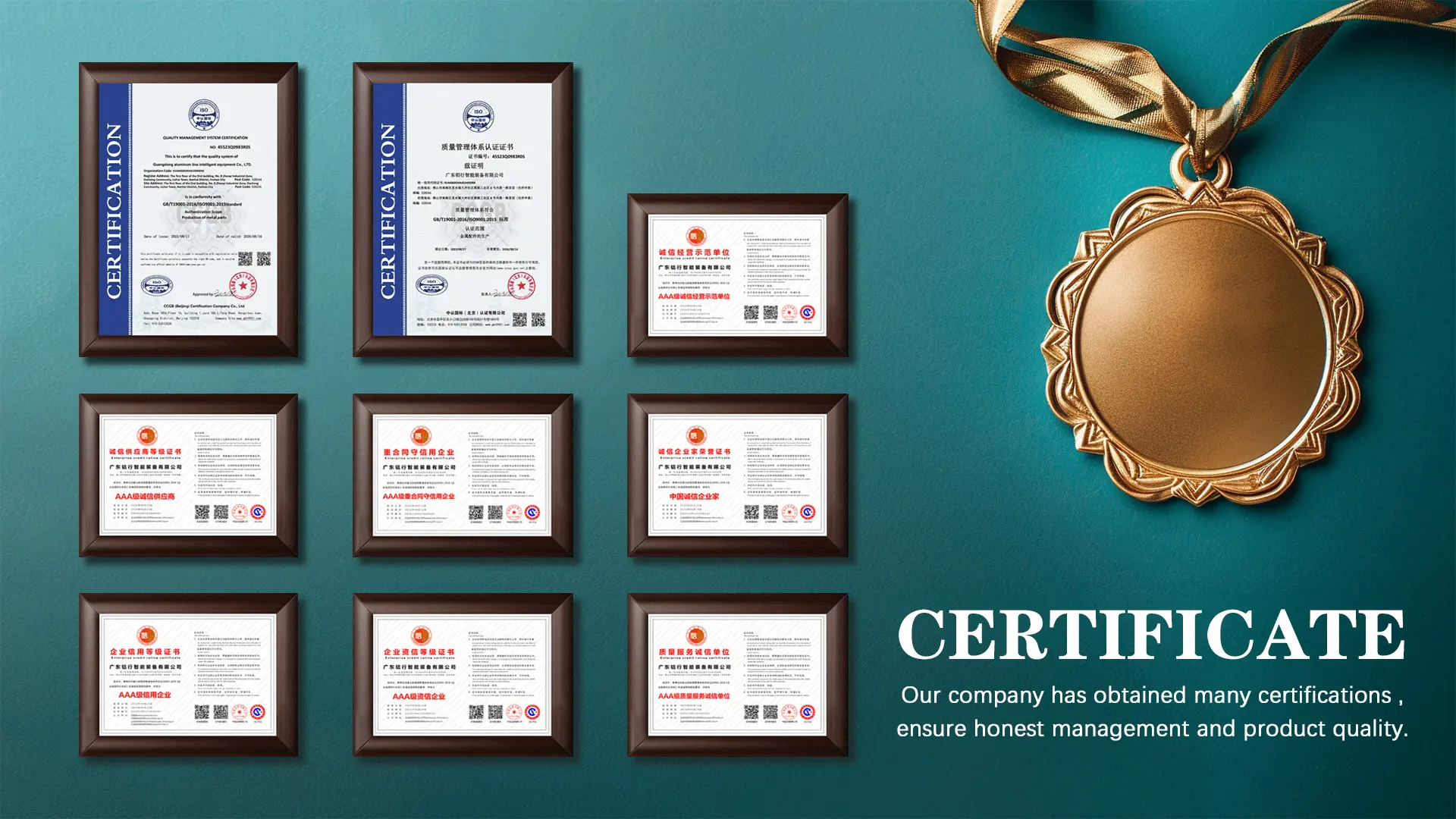
A closer look at the verified standards and processing steps that define our premium industrial helipad systems.

We have obtained the certified "Special Aluminium Materials for Aerospace" status, assuring extreme mechanical integrity.

Utilizing 800T to 20,000T extrusion lines, we process 1xxx to 7xxx alloys, reaching sizes up to 1.2m wide or 28m long.

Our engineering team draws on over 15 years of industry experience to transition complex designs into robust physical systems.
Addressing the core technical, regulatory, and commercial inquiries of global project procurement managers.
Explore our complete range of certified helipad assemblies, perimeter mesh, and landing platform profile extrusions.
 LvXing