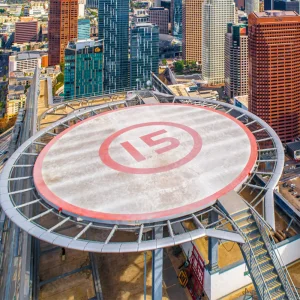
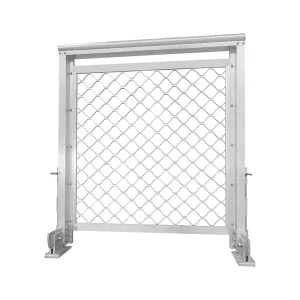
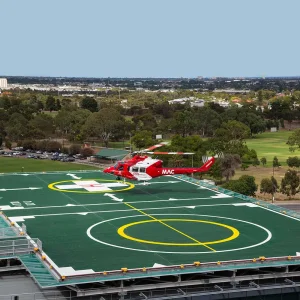
Explore our industrial range of high-strength structural profiles, rescue decks, and certified perimeter mesh systems engineered for extreme environments.
Established in 2015 and located in the industrial heart of Foshan City, Guangdong, LvXing Intelligent Equipment Co., Ltd. has grown to become an international powerhouse in designing, engineering, and manufacturing structural aluminum profiles and safety barrier systems. Armed with a highly skilled, veteran R&D team, we leverage state-of-the-art extrusion and metallurgy techniques to turn complex architectural concepts into certified, life-saving structures.
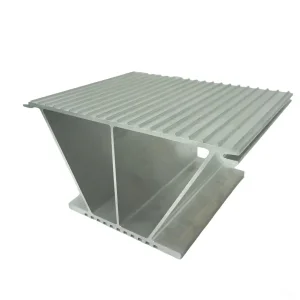
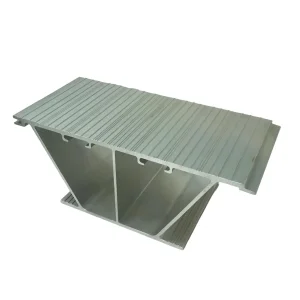
Our strategic manufacturing partnership allows us to utilize premium Fenglu aluminum, providing a diverse selection of high-grade alloy profiles for flexible and demanding structural applications. Equipped with robust extrusion lines ranging from 800T up to an industry-leading 20,000T, we seamlessly process aluminum alloys across the 1xxx, 2xxx, 3xxx, 5xxx, 6xxx, and 7xxx series. This capacity enables us to produce fully shaped, single-section profiles up to 1.2 meters in width and 28 meters in length, meeting extreme dimensional requirements with unmatched precision.
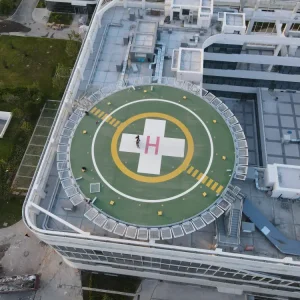
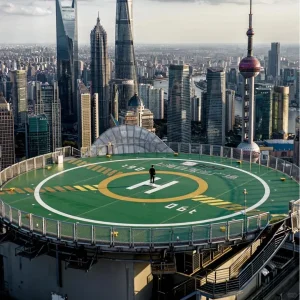
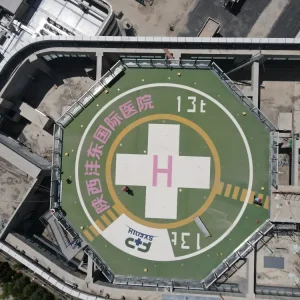
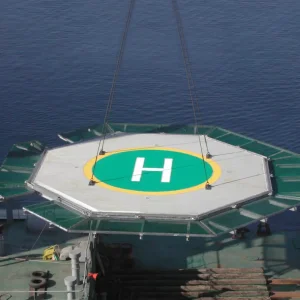
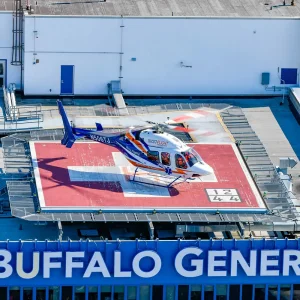
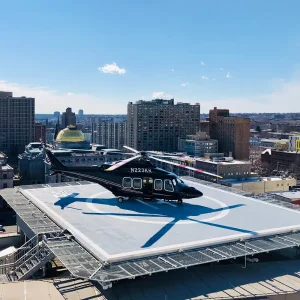
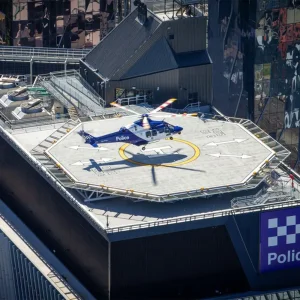
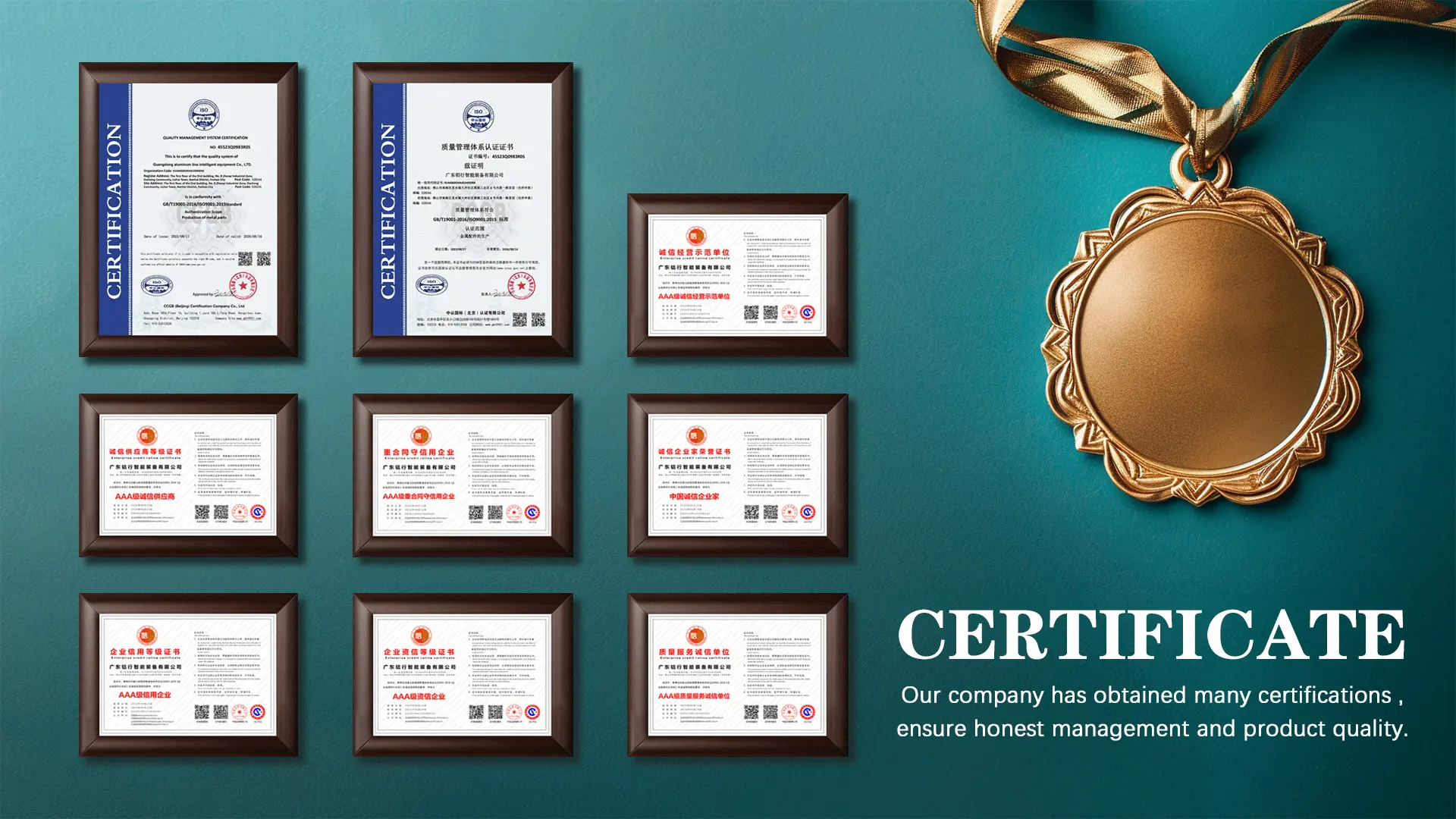
Whether servicing marine vessel decks, offshore petroleum complexes, skyscraper rooftop hospital platforms, or defense installations, our rigorous quality control and quality assurance systems comply with the strict parameters of the GB/T19001-2016/ISO9001:2015 standard, ensuring every system delivered offers absolute reliability under load.
Extrusion Press Capacity
Quality System Standard
Engineering Experience
Compliance Standards
Why Tier-1 construction contractors, EPC offshore developers, and international aviation operators select LvXing safety systems.
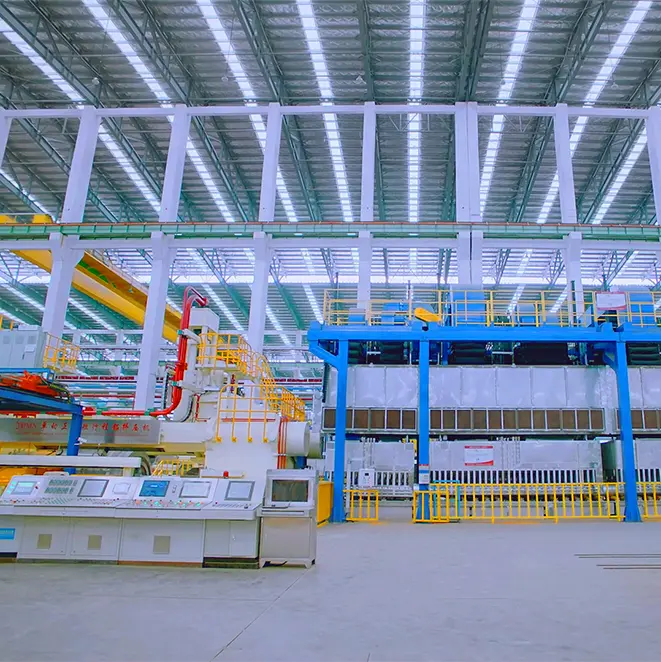

LvXing holds the official “Special Aluminium Materials for Aerospace” Certificate. Our aluminum safety mesh frames and landing deck profiles are manufactured to withstand high dynamic impact loads in highly corrosive marine air.
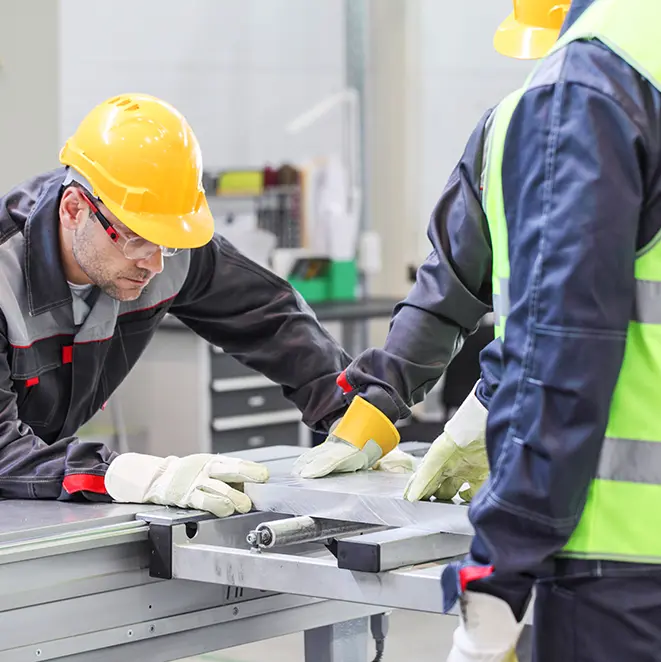

Utilizing authentic Fenglu raw materials, our 800T to 20,000T extrusion configurations process complex alloys (1xxx to 7xxx). We construct continuous structures up to 1.2m wide or 28m long to minimize joint weakness in perimeter net frames.
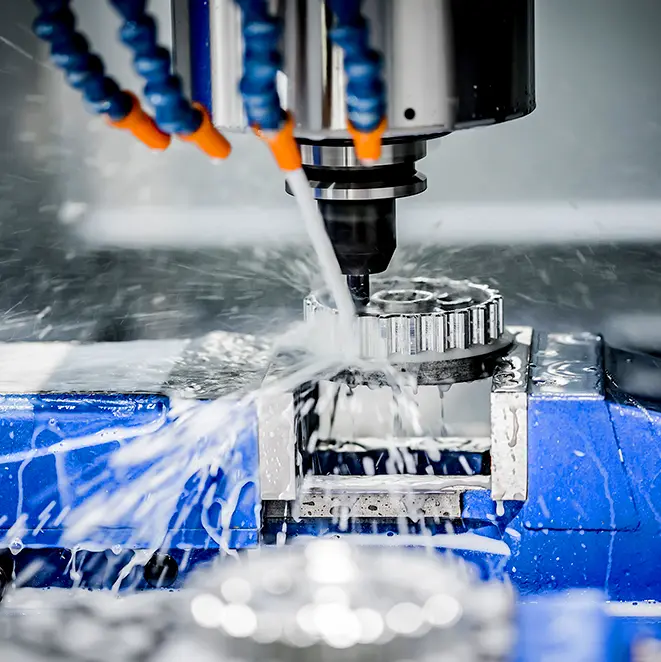

Our dedicated engineering department draws on 15 years of technical expertise. We interpret bespoke mechanical, structural, and chemical constraints to preemptively identify installation conflicts and deliver customized, drop-test-proven assemblies.
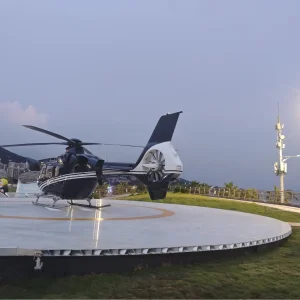
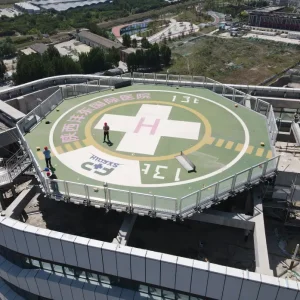
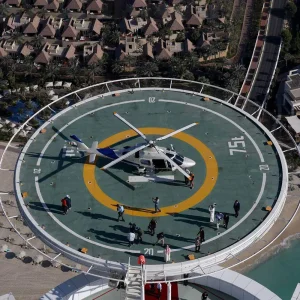
In modern aviation, particularly offshore oil and gas production, marine commercial shipping, hospital air ambulances, and high-rise commercial structures, helicopter landing areas are vital components of global transport and emergency medical response. To mitigate the severe risk of personnel falls, material damage, or catastrophic aircraft incidents, regulatory organizations like the International Civil Aviation Organization (ICAO) and the UK Civil Aviation Authority (CAA - CAP 437) mandate strict specifications for helideck perimeter safety structures.
A helideck perimeter safety net must act as a reliable, non-elastic catchment system that extends outward from the landing pad. It is designed to catch personnel who may trip or be blown off the platform by rotor wash, without presenting a hard hazard to the helicopter landing gears or rotors. In offshore maritime platforms, safety nets face extreme wind loading, constant exposure to saltwater spray, intense UV radiation, and severe temperature fluctuations. Traditional stainless steel rope systems, while durable, are incredibly heavy and difficult to maintain. As a result, the industry has experienced a major shift toward lightweight, marine-grade aluminum frame safety nets. These systems offer equal or superior mechanical strength, superior corrosion resistance, and drastically reduced structural weight on the helideck edges.
China's advanced manufacturing infrastructure provides distinct logistical and cost benefits for international procurement managers. At LvXing, we combine these benefits with strict international certification standards to deliver high-performance products at competitive prices.
Bespoke configurations tailored to meet distinct structural, mechanical, and geographic requirements.
Engineered with marine-grade 6082-T6 and 5083 alloys to resist continuous saltwater exposure. The frame features dual-direction folding hinges for quick clearance during heavy machinery operations, compliant with CAP 437 guidelines.
Designed with lightweight aluminum profiles to minimize structural load on existing building foundations. The safety net features fire-retardant properties and integrates seamlessly with emergency LED warning lighting systems.
Combines structural safety with a sleek, low-profile aesthetic. The highly polished, anodized aluminum frames match luxury yacht designs while providing drop-tested personnel fall protection.
Optimized for high-altitude wind shear. The open-mesh design allows strong wind currents to pass through freely, preventing uplift forces on the perimeter frame and ensuring structural stability.
The aviation and offshore safety sectors are evolving toward smarter, more sustainable materials. We actively track and lead these innovations with the following developments:
1. Transition to Marine-Grade Aluminum Alloys: Stainless steel wire mesh is increasingly being replaced by engineered aluminum alloys. Aluminum provides a superior strength-to-weight ratio, reduces structural load on marine vessels, and lowers lifetime maintenance costs.
2. Smart Integration of Light and Communications: Contemporary perimeter safety nets are designed to integrate LED landing lights and obstruction markings directly into the frame. This reduces installation steps and improves visibility for pilots during night landings.
3. Advanced Mechanical Frangibility: Safety regulations require perimeter systems to be "frangible" under severe helicopter impact. This means the support structures are designed to yield or collapse safely under direct impact, absorbing the kinetic energy without causing catastrophic damage to the aircraft cabin.
To help engineers and procurement officers select the right configurations for their specific project needs, we offer the following standard configurations:
| Performance Parameters | Aluminum Mesh System (LX-AN01) | Stainless Steel Webbing (LX-SN02) | Standards/Certifications |
|---|---|---|---|
| Primary Material | Alloy 6082-T6 / 6063-T6 | Grade 316 Stainless Steel | ASTM B221 / EN 755 |
| Frame Weight | Lightweight (~12 kg/m) | Heavy (~28 kg/m) | Weight Reduction Advantage |
| Dynamic Load Rating | Tested up to 2.3 kJ (125kg from 2m) | Tested up to 2.3 kJ | CAP 437 / ICAO Annex 14 |
| Corrosion Resistance | Excellent (Anodized/Powder Coated) | High (Subject to tea staining) | Salt Spray Test (ISO 9227) |
| Lifespan Expectancy | 15+ Years (Maintenance-Free) | 8-12 Years (Requires periodic tensioning) | Reduced Operating Expenditures |
Get answers to common technical, regulatory, and logistics questions about helideck perimeter safety systems.
Review our complete range of certified aluminum profiles, specialty rooftop decks, and custom perimeter netting assemblies.
 LvXing