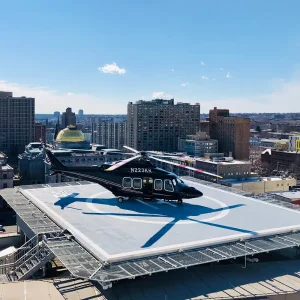
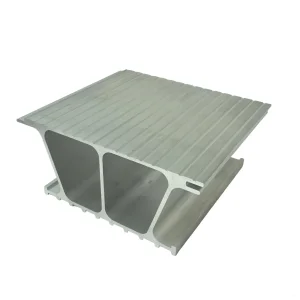
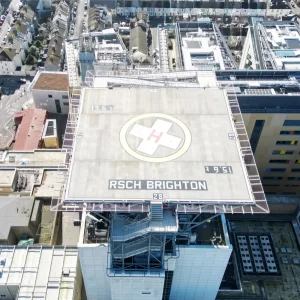
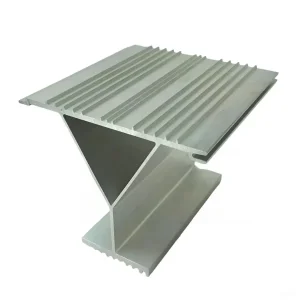
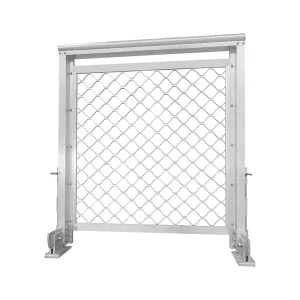
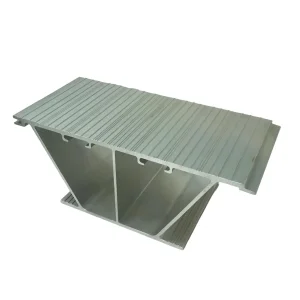
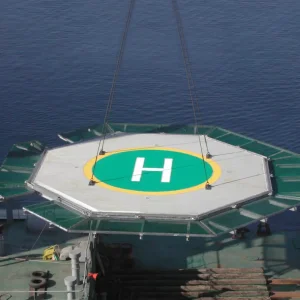
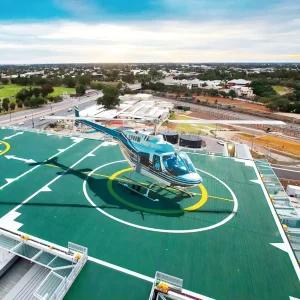
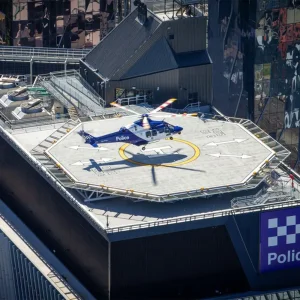
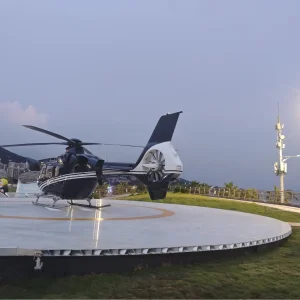
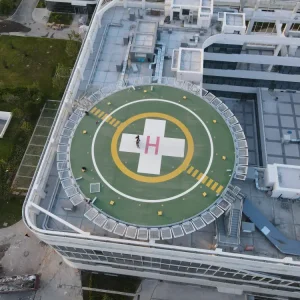
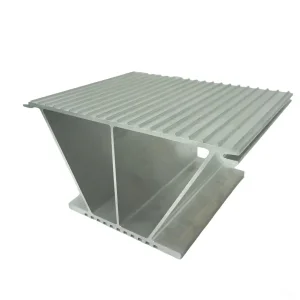
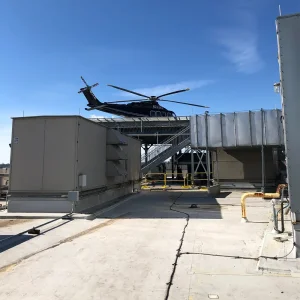
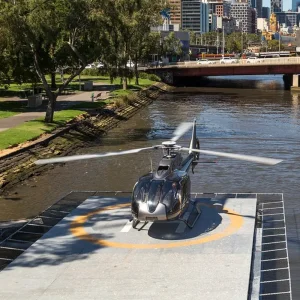
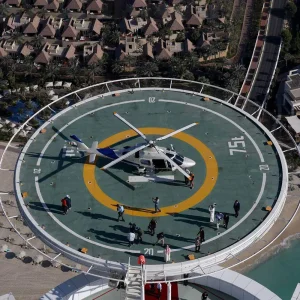
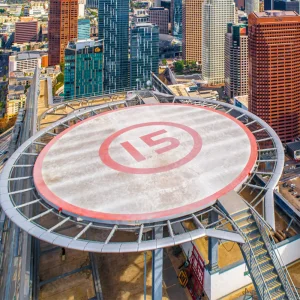
Explore our leading commercial helipad profiles, customized frameworks, and perimeter safety nets.
Established in 2015 and strategically located in Foshan City, Guangdong (China's leading aluminum extrusion cluster), LvXing Intelligent Equipment Co., Ltd. is a globally recognized manufacturer specializing in high-performance aluminum solutions for the aviation, aerospace, marine, and defense sectors.
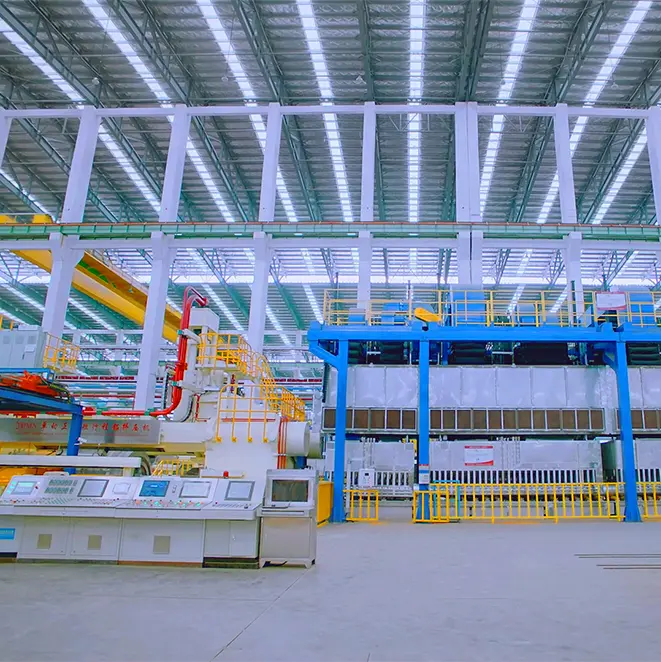
Our operation leverages premium Fenglu Aluminum raw materials, processing high-grade structural alloys under strict internal controls. With state-of-the-art extrusion lines ranging from 800T to 20,000T, we accommodate complex alloy requirements across 1xxx, 2xxx, 3xxx, 5xxx, 6xxx, and 7xxx series. This advanced machinery empowers us to manufacture large-scale structural profiles up to 1.2 meters in cross-sectional width and 28 meters in continuous length.
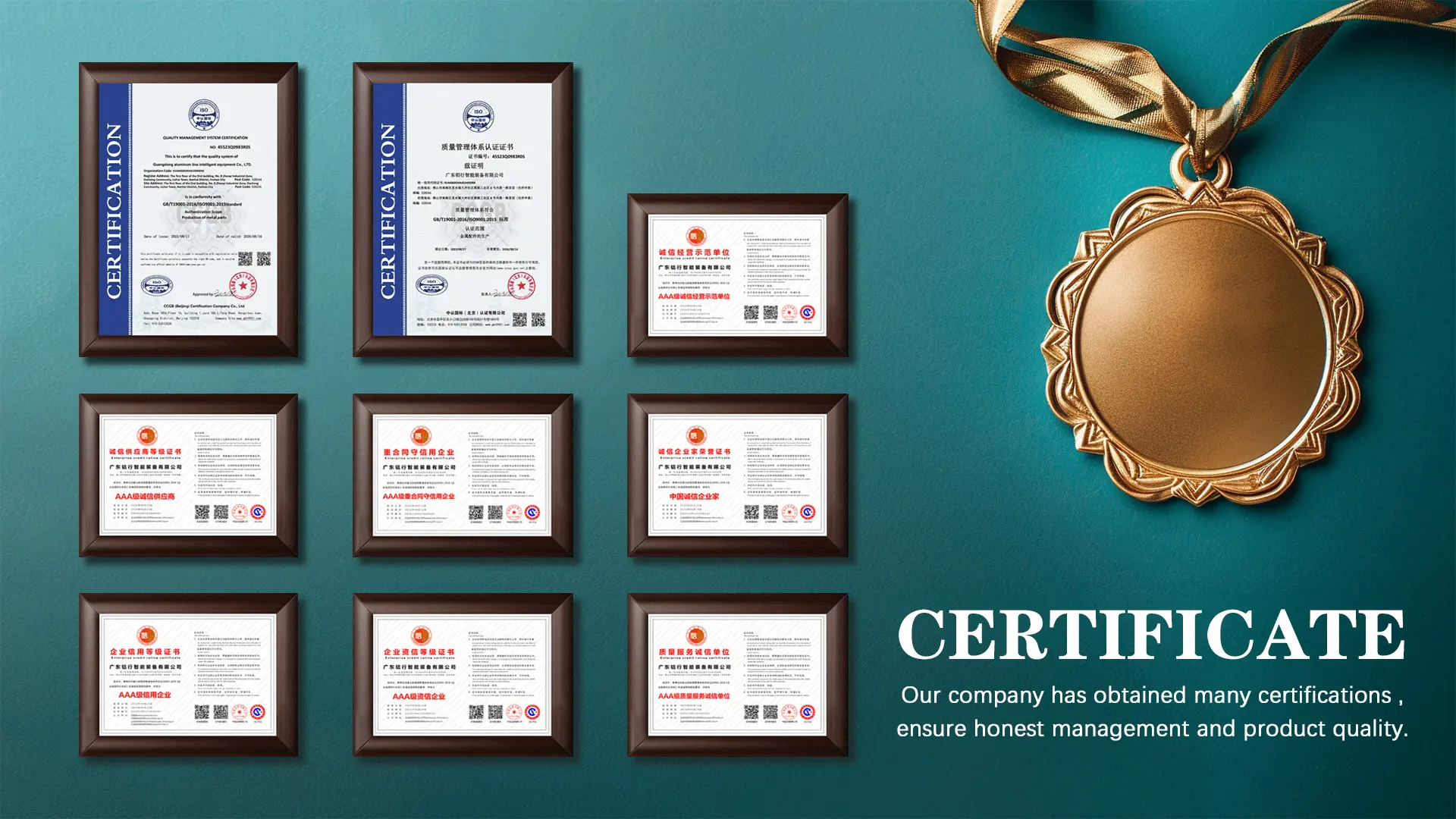
Our comprehensive facilities deliver quality system certifications in accordance with GB/T19001-2016/ISO9001:2015 standards. We combine rigorous testing, meticulous physical anodization/coating processes, and structural load modeling to produce safety systems capable of withstanding the most severe environments.
Designed for life-saving applications, our engineering safeguards helicopter operations in extreme environments.
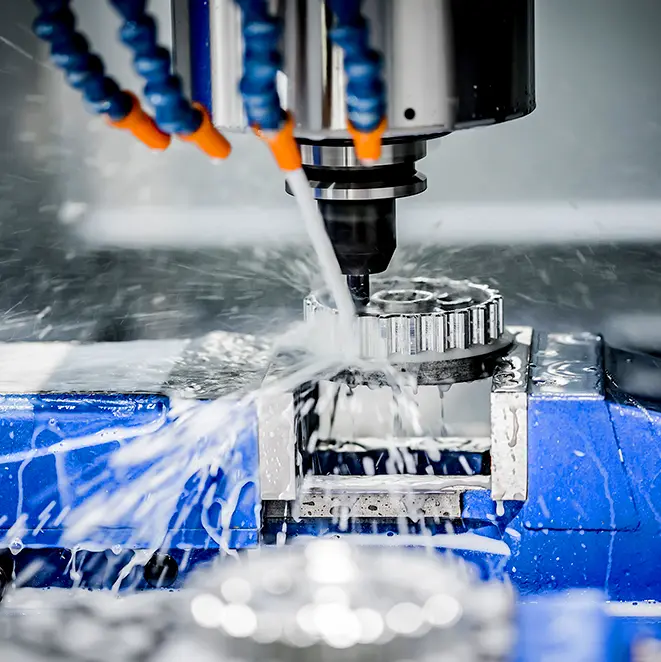
We hold the esteemed "Special Aluminium Materials for Aerospace" Certification, guaranteeing that each batch of structural profile meets exact mechanical thresholds.
Utilizing high-end Fenglu aluminum profiles. We extrude complex alloys up to 1.2m wide and 28m in length, producing seamless helipad components that minimize mechanical joints.
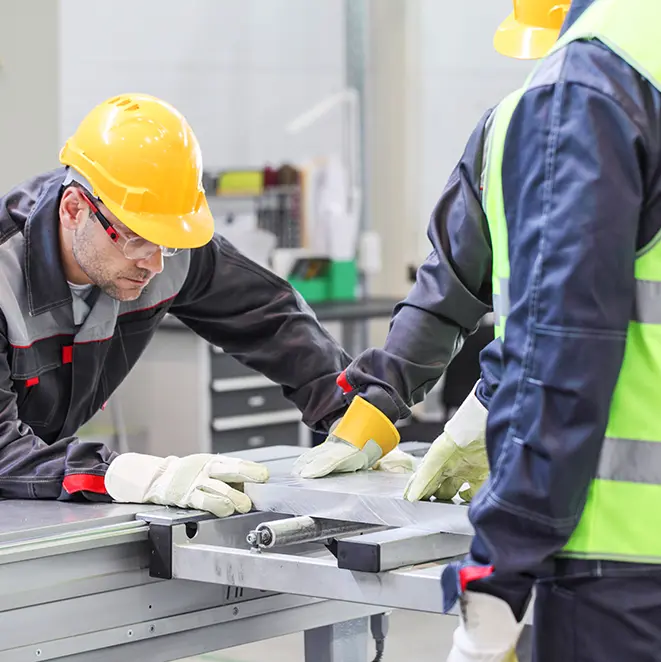
Our dedicated structural engineering team translates schematic design intent into certified real-world solutions, preventing failures before deployment.
A technical whitepaper examining design, regulatory standards, and metallurgical selection for safety nets.
Perimeter protection nets installed around offshore helidecks and rooftop heliports are critical safety barriers, rather than simple accessories. Globally, rapid urban growth, offshore wind farms, oil and gas exploration, and hospital emergency medical service (HEMS) networks demand reliable, long-term heliport infrastructure. Modern landing platforms extend outward from high-rise roofs, offshore vessels, or drilling platforms. The transition zone between the elevated pad edge and the open drop presents high safety risks, requiring robust safety net barriers.
Engineered perimeter nets must catch personnel or debris blown by rotor wash without damage. Traditional steel-wire meshes suffered from corrosion, heavy weight, and fatigue. Today, the global aviation sector standardizes on high-strength, lightweight aluminum profile framing systems matched with marine-grade 316 stainless steel or aluminum safety meshes. This reduces weight and structural stress on skyscrapers or marine vessel hulls.
At Lvxing, we use premium aluminum alloys tailored for marine and industrial environments. Here is a breakdown of our technical selection:
We deploy 6000 and 7000 series aluminum profiles, providing structural yield strength comparable to mild steel while reducing weight by up to 65%.
Our profiles undergo rigorous electrochemical anodization to create an oxide skin, resisting severe salt-spray conditions in marine zones.
Net profiles are engineered to deform plastically under load, absorbing kinetic energy and preventing rebound injuries during falls.
Data-driven validation of our global supply capability and structural reliability.
Pioneering smart, sustainable safety infrastructure for the future of aviation.
Deploying specialized aerospace-grade alloys and modified 6082-T6 extrusions to reduce structure weight by 15% while improving yield strength limits under stress.
Developing frame structures with built-in electronic strain gauges. These sensors alert maintenance teams immediately if a perimeter net absorbs a major impact or suffers tension loss.
Integrating safety systems with heliport lighting and weather monitors, allowing nets to automatically retract during storms or fold inward when helipads are idle to reduce wind shear.
Ensuring compliance with global aviation safety authorities through structural certification.

International rules dictate that helidecks have perimeter safety nets to protect staff from falls. These nets must extend outward at least 1.5 meters from the landing platform edge and slope slightly upward at about 10 degrees.
Physical Testing Standards: To verify frame strength, safety nets must undergo rigorous drop testing. A standard test involves dropping a 122 kg weight (simulating a crew member) from a height of 1 meter. The net and frame must absorb this impact without showing signs of failure, structural deformation, or letting the test weight touch the deck support structure below.
At Lvxing, we use simulated finite element analysis (FEA) to test new safety net frames before physical manufacturing begins, ensuring our products meet global safety standards.
Technical answers to common questions from aviation architects, structural designers, and safety procurement teams.
Select from our targeted catalog of certified aluminum configurations and safety meshes.
 LvXing