Engineered for maximum durability, crash absorption, and extreme marine environmental resilience.
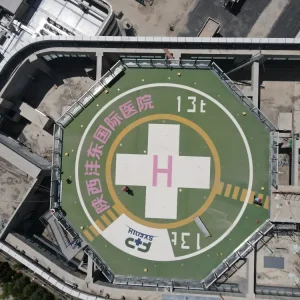
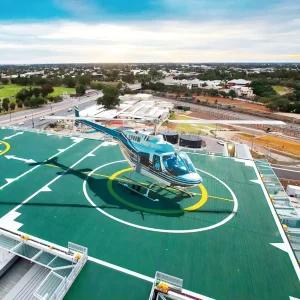
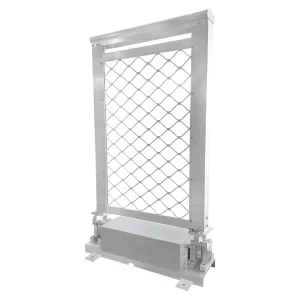
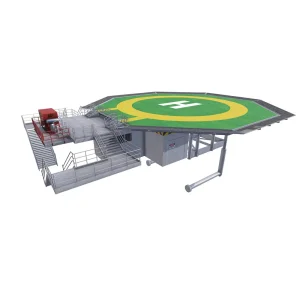
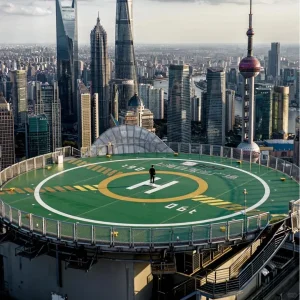
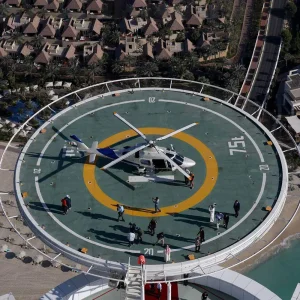
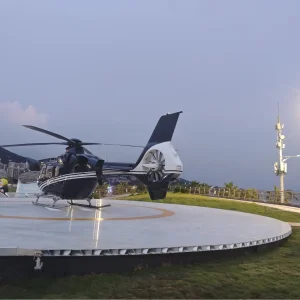
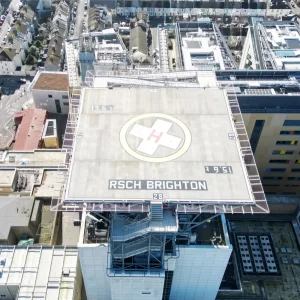
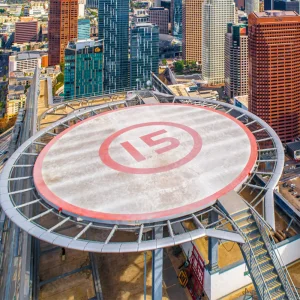
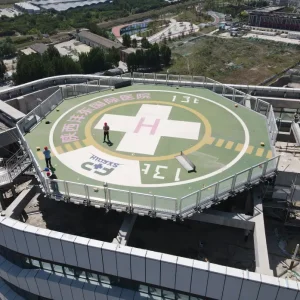
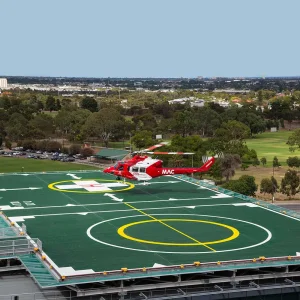
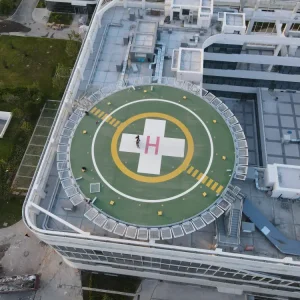
As offshore exploration, urban sky mobility (including eVTOL platforms), and hospital emergency infrastructure scale worldwide, heliport perimeter safety has transitioned from a basic safety compliance checklist to a highly regulated engineering discipline. The primary safeguard for high-elevation, roof-mounted, or offshore helidecks is the Heliport Protection Net. These safety systems are engineered to prevent personnel, equipment, and litter from falling over the deck margins without presenting a hazardous obstacle to helicopter flight operations.
Modern regulatory guidelines established by the International Civil Aviation Organization (ICAO Annex 14 Vol II) and the UK Civil Aviation Authority (CAP 437) mandate that helidecks, offshore rigs, and elevated rooftop landing fields feature a reliable outboard safety netting system. This system must be constructed from corrosion-resistant, high-strength, and flexible materials capable of absorbing dynamic fall impacts while resisting degradation under extreme atmospheric stresses.
A certified heliport perimeter net must withstand a drop test of at least 122 kg from a height of 1 meter without structural failure. Material compliance, such as marine-grade 316 stainless steel or high-tensile structural aluminum alloys, forms the baseline of reliable site safety auditing.
Procurement departments for international EPC (Engineering, Procurement, and Construction) companies and municipal infrastructure developers assess helideck safety nets across multiple indices: structural resilience, low aerodynamic profile, lightweight profile integration, and minimal life-cycle maintenance costs.
Choosing the correct structural alloy directly impacts long-term structural reliability and overall project cost efficiency. Below is an engineering comparison of the primary materials used in modern heliport protection nets.
| Performance Parameters | High-Tensile Aluminum Alloy (6000/7000 Series) | 316L Stainless Steel Cable Netting | Traditional Carbon Steel Mesh (Coated) |
|---|---|---|---|
| Weight Ratio | Extremely Lightweight (~2.7 g/cm³) | Medium-Heavy (~8.0 g/cm³) | Heavy (~7.8 g/cm³) |
| Corrosion Resistance | Outstanding (Natural Oxide Film & Anodizing) | Excellent (Alloy Composition) | Poor (High risk of rust upon coating scratch) |
| Lifespan (C5-M Zone) | 25+ Years (Zero Maintenance) | 15-20 Years (Periodic inspections) | 3-5 Years (Requires constant repainting) |
| Impact Absorption | High Elastic Deformation Limit | Excellent tensile strain absorption | Rigid, transfers shock load to helipad edge |
| Recyclability | 100% Recyclable (High Scrap Value) | Highly Recyclable | Low Return Value |
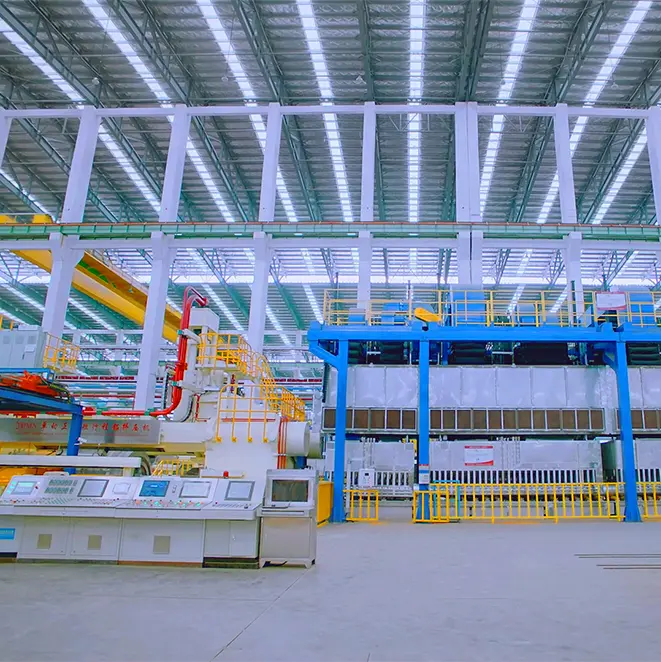
Established in 2015 and located in Foshan City, Guangdong, LvXing Intelligent Equipment Co., Ltd. boasts a skilled R&D team with extensive experience. We leverage exceptional technical expertise to effectively transform customers' ideas into reality, consistently meeting their precise requirements.
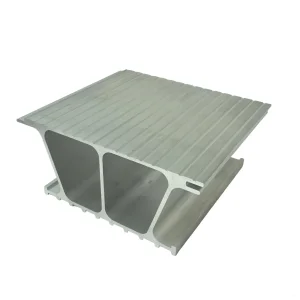
We utilize premium Fenglu aluminum, offering a diverse range of profiles for flexible applications. Our extrusion lines, ranging from 800T to 20,000T, accommodate alloys 1xxx, 2xxx, 3xxx, 5xxx, 6xxx, and 7xxx, allowing us to produce shaped products with section dimensions up to 1.2 meters in width and 28 meters in length. These products are recognized for their precision and meticulous processing, finding broad application in aerospace, military, medical, and industrial sectors.
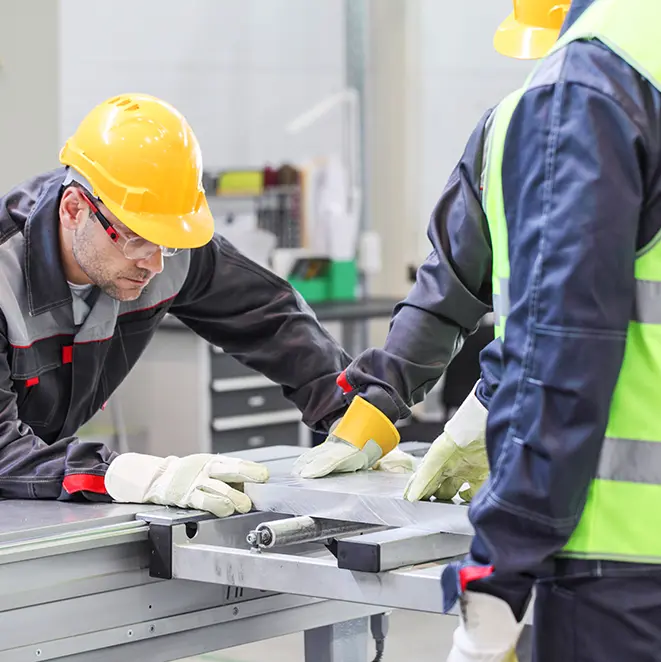
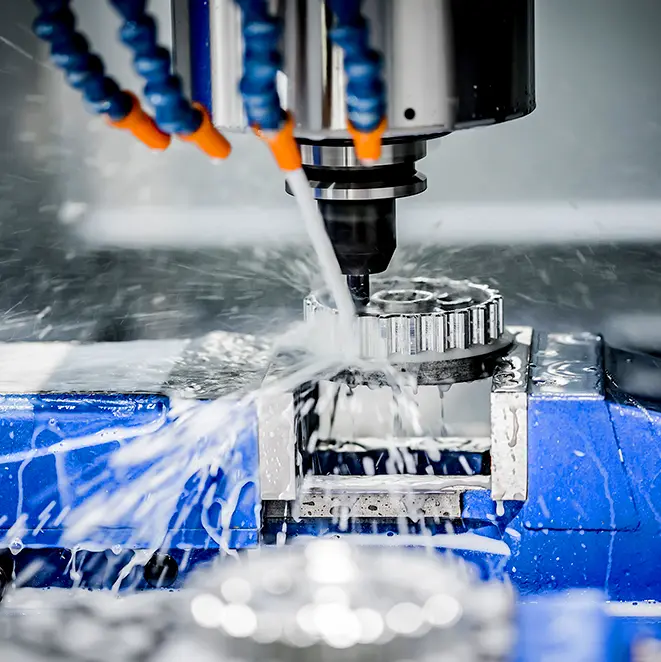
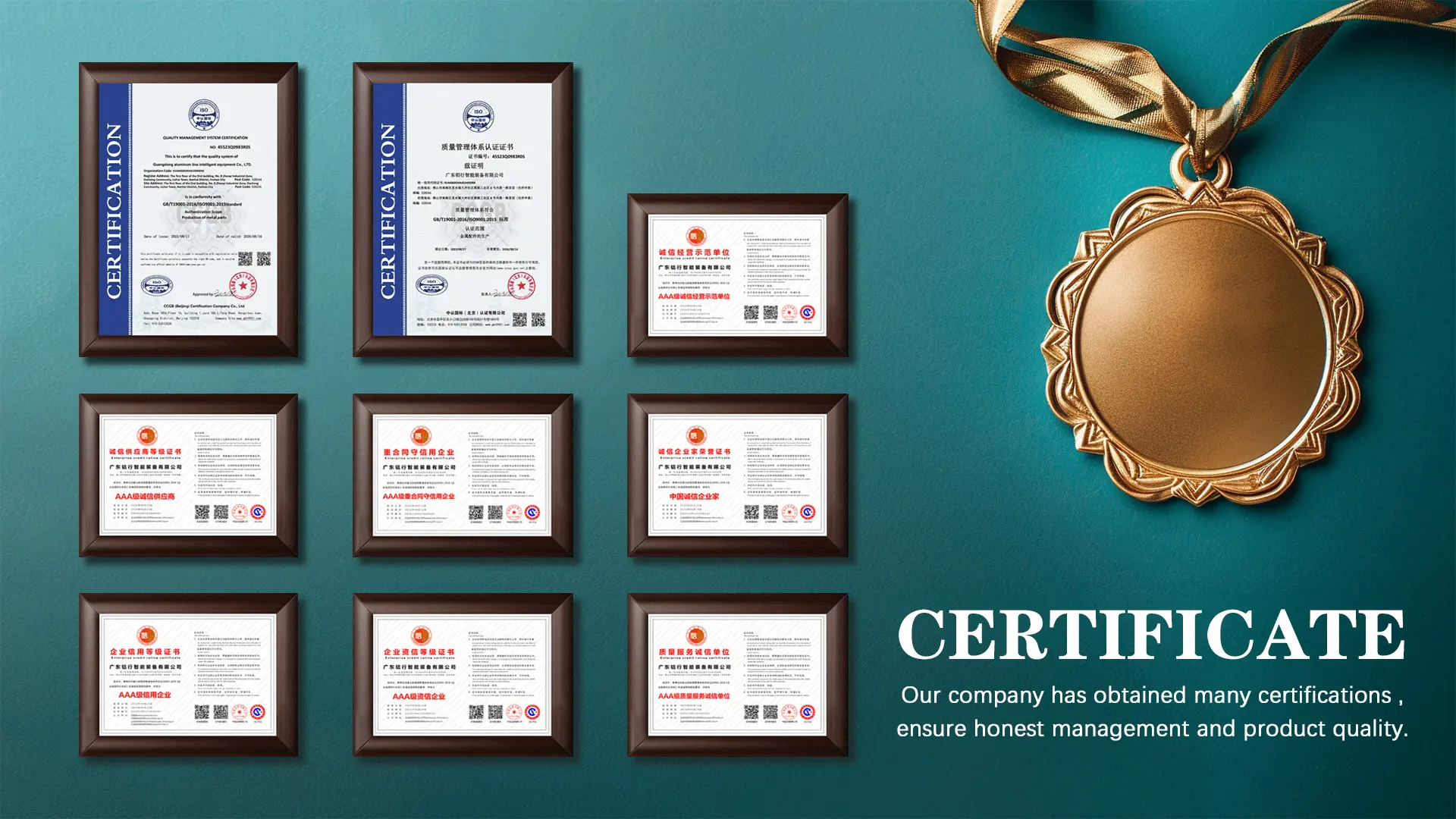
Our commitment to excellence is evident throughout the manufacturing process, rigorous quality control, thorough packaging, and efficient shipping procedures. This dedication has earned us recognition as a national excellent and honest enterprise, along with quality system certification in accordance with GB/T19001-2016/ISO9001:2015 standards.



Heliport safety netting cannot follow a one-size-fits-all manufacturing process. Depending on the installation location and climate profile, the netting architecture must adapt accordingly.
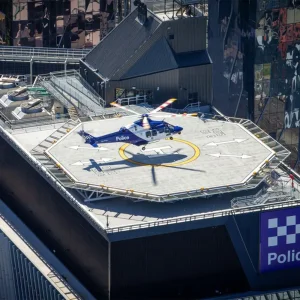
Rooftop medical helipads are usually located in dense urban areas where space is limited and buildings are tall. Safety nets must extend outward at least 1.5 meters from the deck, angled slightly upward (10 degrees according to FAA/ICAO standards), creating a flexible catch-zone that protects EMS personnel and patients during transfer procedures. The material must be non-combustible and feature anti-glare surfaces to prevent blinding incoming pilots during critical night-landing runs.
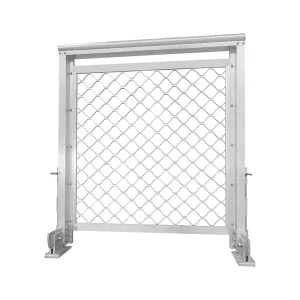
Offshore vessels endure constant structural vibrations, strong winds, and high levels of chloride exposure. For these applications, LvXing integrates heavy-duty, marine-grade mesh networks configured within anodized aluminum frames. These assemblies withstand heavy wave impacts and structural twisting without fatiguing. In manual and motorized/electric variants, the frames can fold flat during maintenance or expand to provide safety zones.
Elevated urban skyscraper landing pads face intense wind shear (microbursts) and turbulence. Standard fabric netting collapses under high wind pressure, but LvXing's rigid yet flexible aluminum safety nets feature aerodynamic profiles that allow high-speed wind currents to pass through freely. This reduces wind loads on both the netting and the building's edge structure.
When selecting a wholesale supplier, quality assurance documentation is critical. Compliance with the following civil aviation standards determines a helipad's operational safety and regulatory clearance:
A high-performance safety net must absorb kinetic energy instead of bouncing a falling object back toward the landing pad. The combination of high-strength structural aluminum borders with high-ductility internal weave patterns ensures optimal kinetic energy dissipation.
Examine our comprehensive inventory of custom and certified aluminum alloy configurations.
 LvXing