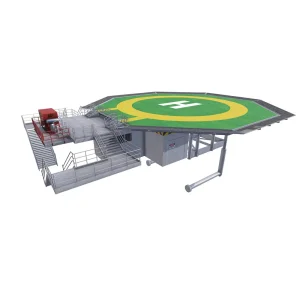
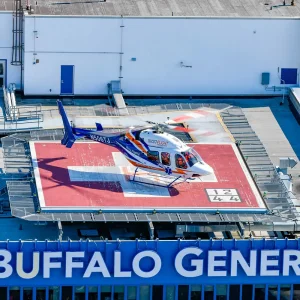
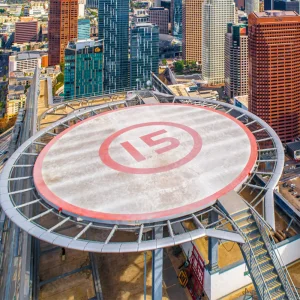
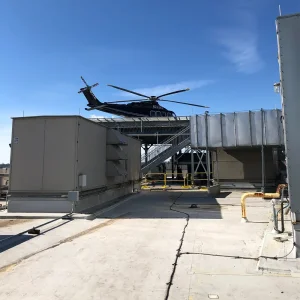
Engineered to withstand extreme environmental forces. Tested for drop impact and structural integrity.
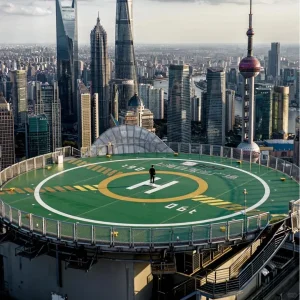
In high-rise, offshore, and municipal emergency aviation infrastructure, the safety of flight operations is paramount. Elevated helipads—especially those constructed on top of commercial skyscrapers, medical centers, and deep-sea vessels—experience extreme dynamic aerodynamic loads, severe weather, and unique spatial constraints. Heliport safety nets, also known as helideck perimeter safety systems, serve as the final mechanical safeguard. Designed to prevent personnel, equipment, and loose debris from falling over the deck's edge, these systems must endure rapid wind shear, thermal cycling, and heavy physical impacts without structural deformation.
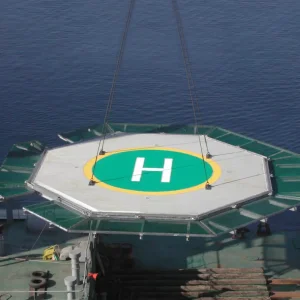
To qualify as structural safety barriers, perimeter net systems must adhere strictly to international civil aviation guidelines. Organizations such as the International Civil Aviation Organization (ICAO) Annex 14, the UK Civil Aviation Authority (CAA) CAP 437 (specifically Chapter 5 guidelines on safety netting), and the Federal Aviation Administration (FAA) Advisory Circular AC 150/5390-2C enforce rigorous testing parameters. For example, CAP 437 outlines that the helideck safety net must be an outward-sloping barrier, projecting at least 1.5 meters horizontally from the deck profile, with an upward incline of approximately 10 degrees. This specific geometry ensures that falling bodies are caught, cushioned, and prevented from bouncing off the perimeter.
“An engineered helideck perimeter safety net must not act like a trampoline; instead, it is designed to be a soft-catch energy-absorbing mesh, reducing deceleration force upon impact and preventing rebounding or structural failure under severe load conditions.”
Furthermore, testing regimes demand that these nets undergo dynamic load tests, typically simulated by dropping a 100 kg mass (or equivalent sandbag test) from a specified vertical drop height of at least 1.0 meter onto the center of the mesh panel. The structural frame, net mesh, and attachment anchors must absorb the kinetic energy (approximately 2.3 kilojoules of energy) without showing signs of yielding, cracking, or breaking. Choosing the correct raw materials and manufacturing methods is the foundation of achieving these certification targets.
Established in 2015 and located in the industrial manufacturing hub of Foshan City, Guangdong, LvXing Intelligent Equipment Co., Ltd. specializes in advanced structural aluminum solutions. Armed with a highly skilled and experienced research and development team, we focus on engineering complex structural designs into reality. We meet the exact technical specifications required for high-risk safety applications, particularly in the structural design and framing of aviation landing zones.
By leveraging premium Fenglu aluminum profiles—known globally for their structural density and precision extrusions—we construct highly reliable framing profiles for heliports and safety net assemblies. Our production capability is backed by extrusion lines ranging from 800 Metric Tons (T) to a massive 20,000T, enabling us to work with high-grade alloys including the 1xxx, 2xxx, 3xxx, 5xxx, 6xxx, and 7xxx series. This expansive production envelope allows the fabrication of complex, fully-shaped aluminum structural elements measuring up to 1.2 meters in profile width and 28 meters in length.
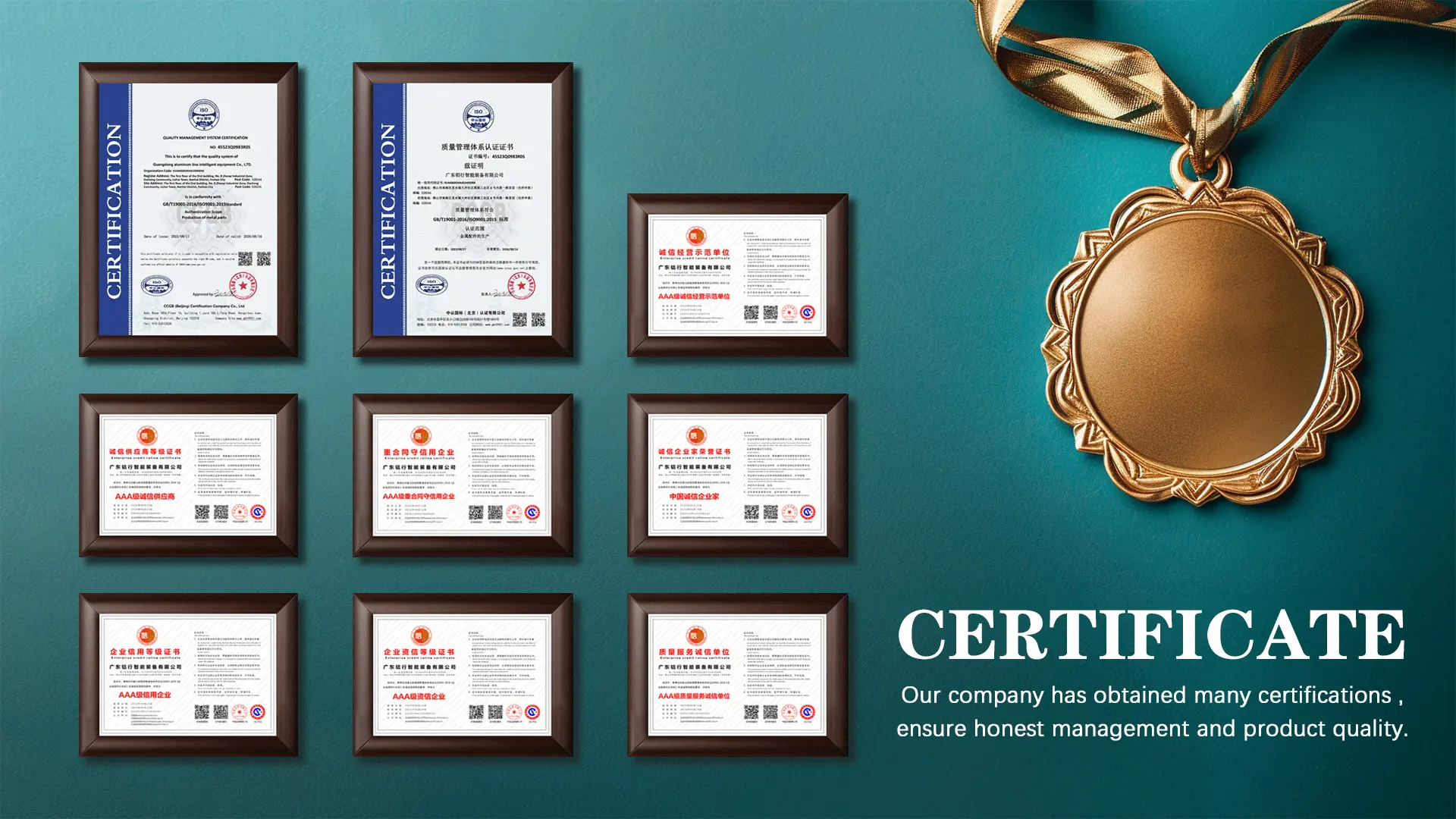
We manage all processes in-house, implementing strict quality control, careful packaging protocols, and reliable global freight shipping. Recognizing our manufacturing integrity, we have been certified in accordance with GB/T19001-2016 and ISO9001:2015 international quality system standards.
In structural heliport safety systems, selecting the appropriate metallurgy is critical. The materials used must balance strength, density, and resistance to environmental degradation. Generally, manufacturers utilize two primary material categories for safety nets: marine-grade aluminum alloy profiles and high-tensile stainless steel wire mesh.
1. Marine-Grade Aluminum Alloy (6082-T6 / 6061-T6): Aluminum extrusions form the framing systems of modern safety nets. Aluminum alloys in the 6000 series, specifically 6082-T6 and 6061-T6, offer an exceptional strength-to-weight ratio. They are roughly one-third the weight of structural steel, reducing the dead-load penalty on high-rise roof cantilevers and offshore structural overhangs. Crucially, aluminum forms a natural, protective oxide layer that resists atmospheric corrosion. When subjected to anodization (with thicknesses exceeding 20 microns), these profiles can withstand severe industrial, coastal, and offshore environments for decades without degradation.
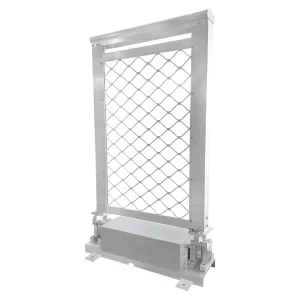
2. Stainless Steel AISI 316 / 316L Wire Cable Mesh: For the net mesh itself, stainless steel grade 316 (containing molybdenum) is the industry standard. It provides high resistance to pitting and crevice corrosion in chloride-rich marine environments. Constructed as a flexible, woven rope mesh (often 1.5mm to 2.4mm cable diameters with aperture sizes ranging from 40mm to 100mm), it delivers high tensile strength and flexible energy dissipation. Under impact, the cable mesh deflects elastically, absorbing energy and minimizing damage to the aircraft, personnel, or the helideck framing.
Compared to synthetic polymer netting (such as nylon or polyester), which degrades under ultraviolet (UV) radiation and loses up to 50% of its mechanical strength within 3 to 5 years, metal systems provide a design life exceeding 25 years. This reduction in replacement frequency translates directly into lower life-cycle costs and reduced downtime for critical facilities like trauma center helipads and oil production platforms.
Leveraging state-of-the-art aluminum extrusion and certified precision engineering in China.
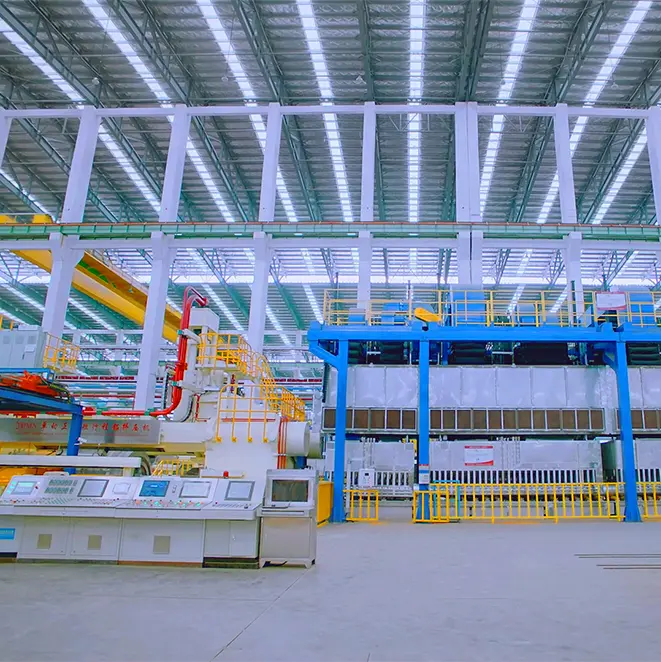
We have obtained the "Special Aluminium Materials for Aerospace" Certificate. This signifies our capability to manufacture alloys that meet the strict mechanical, dimensional, and grain-structure tolerances demanded by the global aerospace and defense sectors.
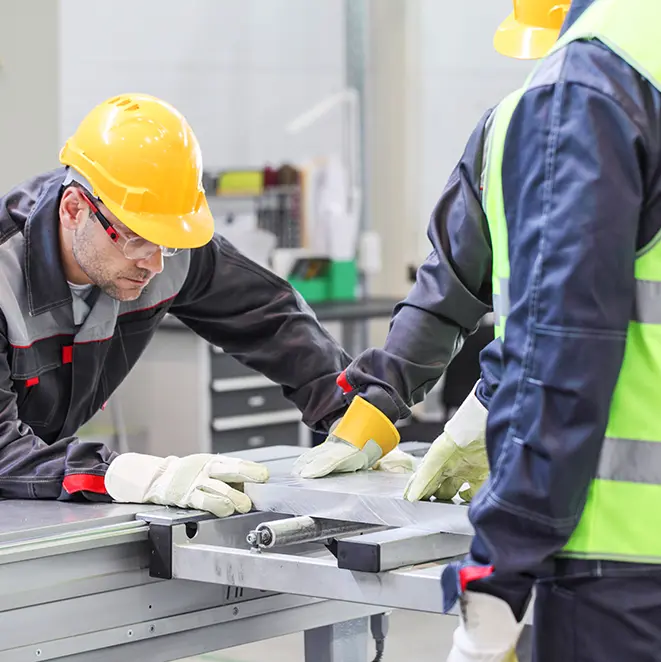
Utilizing high-grade raw Fenglu aluminum, our extrusion lines process 1xxx, 2xxx, 3xxx, 5xxx, 6xxx, and 7xxx series alloys. We construct fully-shaped structural components up to 1.2m wide and 28m long, ensuring minimal joints and higher integrity.
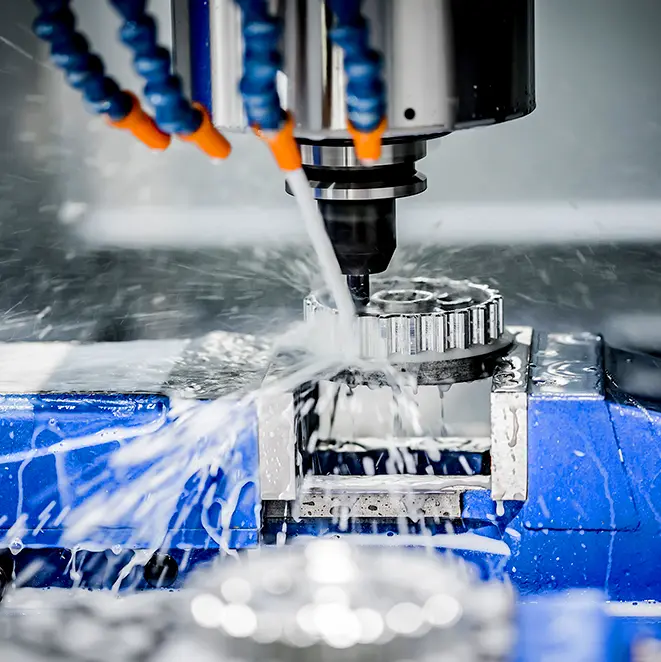
Our experienced technicians identify potential structural interface issues, optimize framing profiles, and develop customized solutions that balance compliance, wind load resistance, and ease of on-site installation.
By operating out of China's advanced manufacturing zone in Foshan, Guangdong, we benefit from a highly integrated raw material supply chain, lower industrial energy costs, and advanced CNC machining centers. This allows us to provide international commercial clients, EPC contractors, and heliport developers with significant advantages: competitive pricing structures, short lead times, and customized design engineering that meets or exceeds ASTM, EN, and ICAO standards.
The urban air mobility (UAM) landscape is evolving rapidly. The rise of electric Vertical Takeoff and Landing (eVTOL) aircraft for urban taxi networks and rapid logistics requires a shift in how rooftop infrastructure is designed. Unlike traditional helicopters, eVTOL systems feature distributed electric propulsion with multiple smaller rotors, generating complex localized aerodynamic downwash and wake turbulence. As a result, the adjacent safety net systems must be structurally optimized to minimize wind resistance, turbulence, and acoustic resonance.
Key innovations currently shaping the industry include:
Tailored structural engineering configurations for high-risk safety protection challenges.
High-rise commercial properties require lightweight structures to minimize structural loads on the roof column grid. Safety net frames are engineered as cantilevered, folding aluminum systems that can swing inward to allow window washing and exterior building maintenance, while maintaining complete rigid stability when deployed for helicopter landings.
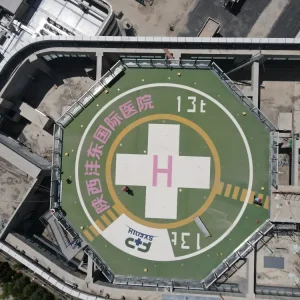
For Level 1 Trauma Centers, safety nets must prioritize rapid access, visual identification, and fire safety. These perimeter nets are designed to facilitate quick deployment of emergency crews and patients. They can be integrated with LED lighting strips and specialized fire-suppression nozzle mounts directly on the safety frame structure.
Offshore environments present severe challenges due to salt-spray corrosion, violent wave motion, and heavy seas. Our helideck perimeter nets feature marine-grade 316 stainless steel mesh panels combined with thick-wall anodized aluminum profiles. This configuration prevents galvanic corrosion and withstands sustained winds exceeding 50 m/s (Category 3 Hurricane equivalent).
Reliability and security are key for tactical operations. Safety net systems for government assets are built to exceed civil safety standards, utilizing heavy-duty structural anchors and customized framing profiles to accommodate rapid, high-frequency landings under challenging emergency conditions.
When purchasing wholesale heliport safety nets and framing components, engineering procurement departments (EPCs) must identify and define key specifications. The table below represents the technical standard checklist used to align factory manufacturing parameters with project specifications:
| Technical Parameter | Standard Range / Specification | Engineering Importance |
|---|---|---|
| Aluminum Alloy Class | 6082-T6 / 6061-T6 (Fenglu Raw Aluminum) | High yield strength, structural load bearing, low dead weight. |
| Safety Mesh Type | AISI 316 / 316L Stainless Steel Flexible Wire Rope | Absorbs kinetic impact energy; resists marine and urban corrosion. |
| Frame Outward Extension | 1.5 Meters (Minimum) to 2.0 Meters | Meets ICAO Annex 14 & CAP 437 safety zone regulations. |
| Standard Dynamic Load | 100 kg mass drop from 1.0m height (No failure) | Ensures capability to catch falling personnel safely. |
| Anodizing Thickness | AA15 to AA25 (Class I Anodized coating) | Provides long-term resistance to coastal environments and UV radiation. |
To request an accurate wholesale quote, purchasers should prepare key design documents, including:
Expert answers to critical procurement and engineering questions regarding heliport safety nets.
Direct factory supply, certified production lines, and customized global quotes.
 LvXing