Discover our industrial-grade extruded configurations engineered to meet the highest safety, load-bearing, and architectural specifications globally.
The global demand for high-strength, aesthetically superior aluminum extrusions has witnessed a paradigm shift. Designers and structural engineers are no longer compromising between mechanical performance and aesthetic values. In the fields of civil engineering, architectural design, marine infrastructure, and aviation systems, the integration of premium surface-treated aluminum alloys—specifically Rose Gold Aluminum Profiles—is scaling rapidly. Traditionally associated with high-end interior systems, the development of advanced electro-chemical anodization now allows these custom metallic finishes to serve in harsh, high-wear external environments, including maritime structural profiles, aerospace components, and commercial building envelopes.
From a metallurgical perspective, achieving a consistent, UV-resistant rose gold hue on a structural profile requires highly controlled chemical processes. Aluminum profiles of the 6xxx series (specifically 6063, 6061, and 6082 alloys) are subjected to sulfuric acid anodizing, followed by electro-coloring (electrolytic deposition of metal salts such as copper or tin) or organic dyeing under precise temperature and voltage parameters. This process forms an integrated aluminum oxide layer (ranging from 15 to 25 microns depending on the class specification) that does not chip, peel, or flake. The resulting profile displays not only an elegant, high-tech metallic finish but also superior surface hardness and corrosion resistance, qualifying it for demanding installations like yacht helipads, premium commercial facades, and structural framing systems exposed to extreme weather.
Controlled oxide layers up to 25μm (Class I) ensure maximum wear resistance, prevents corrosion in marine environments, and guarantees long-term color retention without fade under intense UV rays.
Engineered sections with widths up to 1.2 meters and continuous lengths up to 28 meters, designed for massive structural spans and custom configurations.
Extrusion lines ranging from 800T to 20,000T process 1xxx to 7xxx alloys, ensuring the optimal combination of tensile strength, weight, and workability.
Partnering with global enterprises since 2015 to transform engineering concepts into structural realities.
Established in 2015 and located in Foshan City, Guangdong (the global hub of premium aluminum fabrication), LvXing Intelligent Equipment Co., Ltd. boasts a highly skilled R&D team with extensive experience in structural engineering and surface finishes. We leverage exceptional technical expertise to effectively transform our customers' most ambitious concepts into certified reality, consistently meeting precise dimensional and metallurgical requirements.
We utilize premium Fenglu aluminum as our primary raw material source, offering a diverse range of high-grade alloy profiles for flexible and highly critical applications. Our state-of-the-art extrusion lines, ranging from 800T to 20,000T capacity, easily accommodate alloy groups 1xxx, 2xxx, 3xxx, 5xxx, 6xxx, and 7xxx. This advanced capacity allows us to produce fully shaped products with cross-sectional dimensions up to 1.2 meters in width and 28 meters in length. These complex profiles are internationally recognized for their precise dimensional tolerances and meticulous post-processing, finding broad application in aerospace, military aviation, marine deck structures, medical devices, and high-performance industrial sectors.
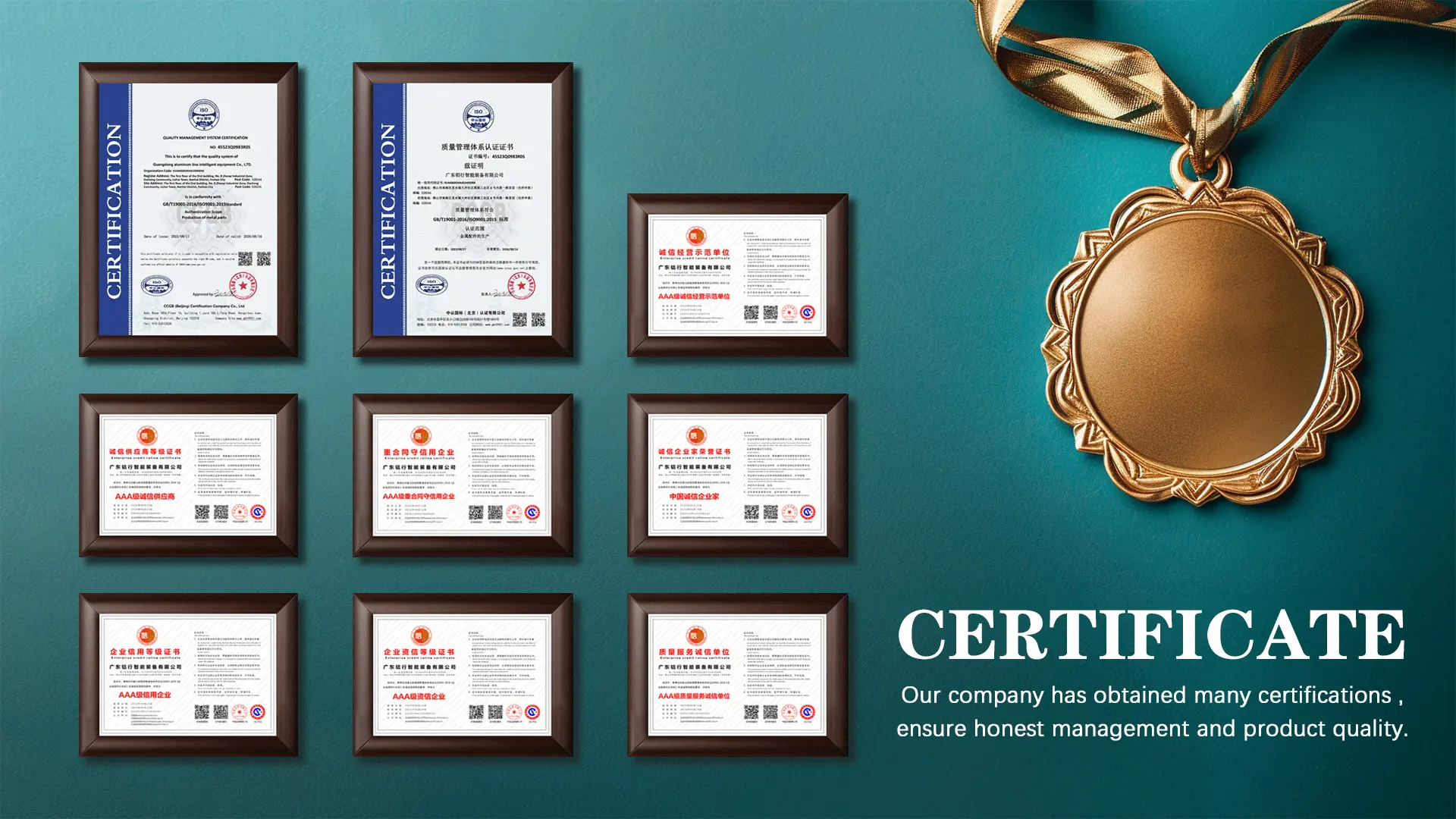
Our commitment to engineering excellence is visible throughout our operations: from precise alloy chemical testing and rigorous physical extrusion quality control to thorough safety packaging and optimized global shipping procedures. This relentless dedication has earned us recognition as a national excellent and honest enterprise, alongside quality management system certification in accordance with GB/T19001-2016/ISO9001:2015 standards. We aspire to be your trusted long-term OEM/ODM manufacturing partner and warmly invite procurement delegations to visit our production facility in Foshan.
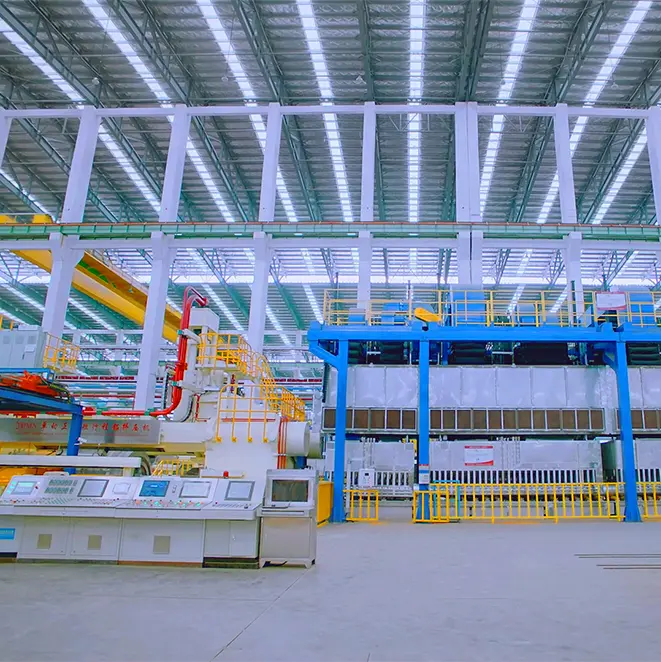
Our manufacturing facility in Foshan combines massive raw capacity with precision engineering capabilities to support global infrastructure demands.
When sourcing industrial-grade custom-anodized profiles or complex architectural components, procurement officers analyze three core variables: metallurgical quality, unit economics, and lead-time reliability. Foshan, Guangdong is widely recognized as the epicenter of the global aluminum extrusion supply chain. As an established manufacturer situated in this industrial hub, Lvxing offers unparalleled advantages that directly benefit our international partners.
Within a 50-kilometer radius of our factory, we have immediate access to world-class raw material suppliers (such as Fenglu), specialized mold-making tool shops, advanced chemical anodizing facilities, and specialized deep-processing centers (CNC machining, precision laser cutting, and robotic welding). This localized concentration eliminates long-distance transit delays and reduces material handling costs, allowing us to offer highly competitive wholesale quotes while maintaining full control over the production timeline.
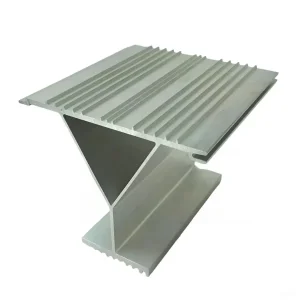
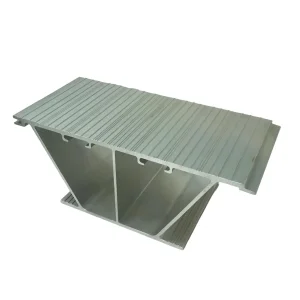
Operating a suite of extrusion presses up to 20,000 tons allows us to process high-volume orders with extreme speed and lower unit costs. Standard profiles are extruded at high speeds, while massive, complex profiles (e.g., helideck planks and heavy structural supports) are produced in single, continuous runs. This eliminates the need for multi-part mechanical splicing, reducing structural failure points on-site.
Anodizing processes require strict compliance with modern environmental policies. Lvxing’s production partnerships feature state-of-the-art waste recovery and water purification systems that comply with national green manufacturing guidelines. Sourcing from an environmentally compliant manufacturer guarantees a stable, uninterrupted supply chain free from sudden regulatory shutdowns.
Premium Fenglu ingots tested for chemical composition to guarantee mechanical compliance.
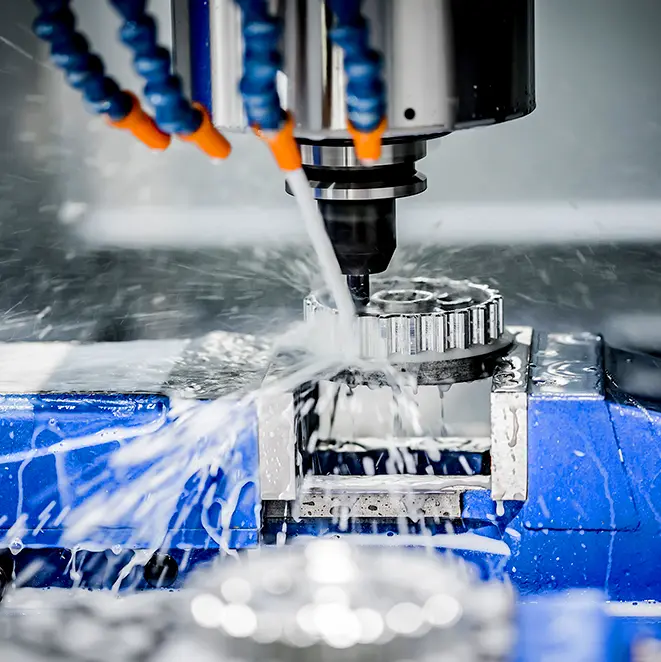
Controlled temperature extrusion (800T to 20,000T) for perfect grain orientation.
Multi-stage acid anodizing and electro-coloring to achieve flawless Rose Gold and protective layers.
Micrometer tolerance checks, tensile tests, and salt spray testing prior to custom export packaging.
Demonstrated expertise, certified materials, and decades of engineering experience integrated into every profile.

We have successfully obtained the highly sought-after "Special Aluminium Materials for Aerospace" Certificate, confirming our technical compliance with high-stress safety applications.

We utilize high-quality Fenglu aluminum profiles. With extrusion lines ranging from 800T to 20,000T, we produce alloys in 1xxx, 2xxx, 3xxx, 5xxx, 6xxx, and 7xxx series up to 1.2m wide or 28m long.

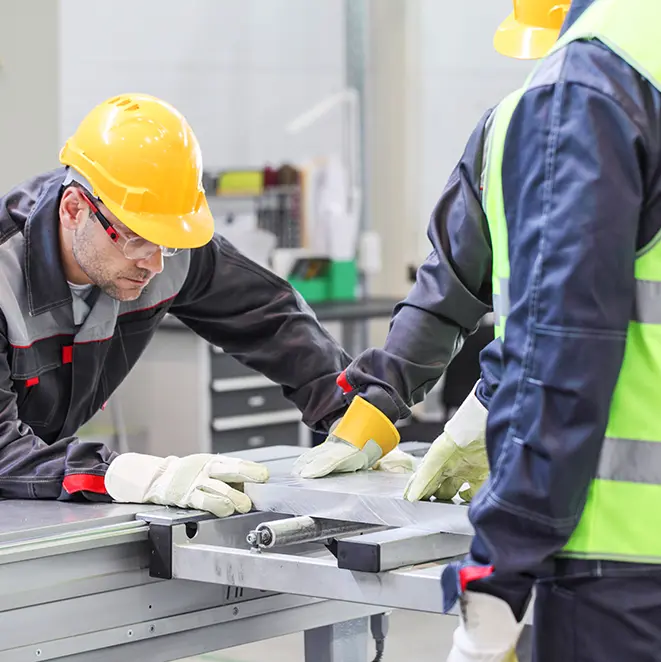
Our team of technicians has over 15 years of experience. We understand complex customer requirements to resolve potential issues early and turn ideas into high-performing physical products.
Modern engineering projects demand structural metals that harmonize with high-end aesthetic directives. The deployment of custom-colored anodized aluminum profiles, particularly in Rose Gold and other metallic finishes, serves as a primary example. When applied to major structural systems—such as rooftop helipads, superyacht helidecks, luxury marine handrails, and high-performance facades—these profiles must undergo strict engineering reviews. Let us explore the critical application areas where our profiles excel:
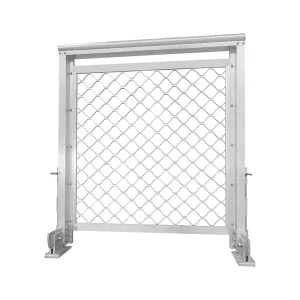
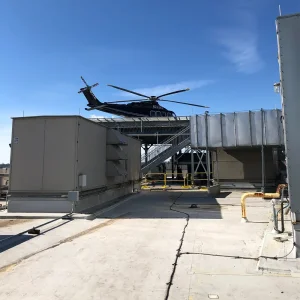
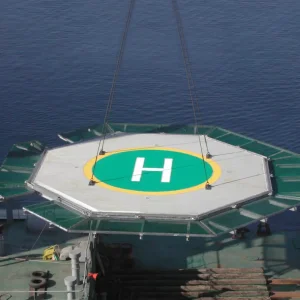
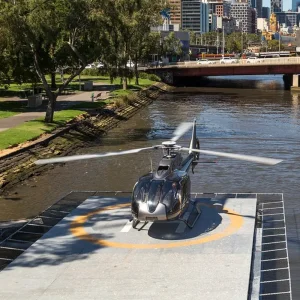
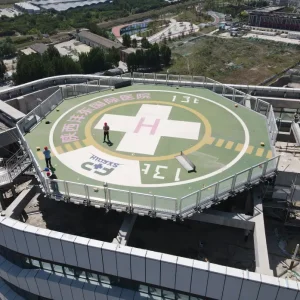
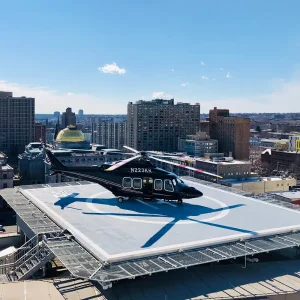
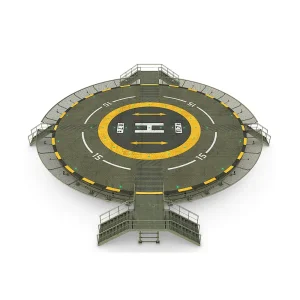
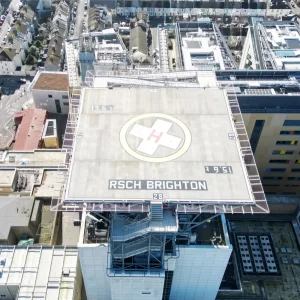
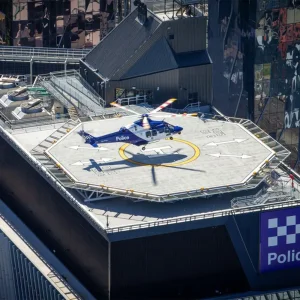
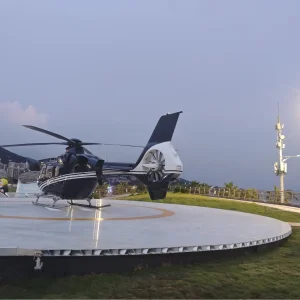
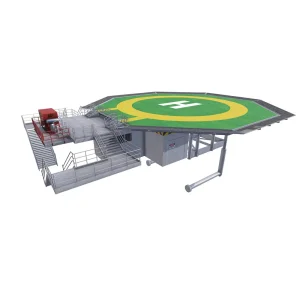
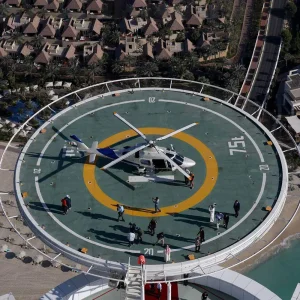
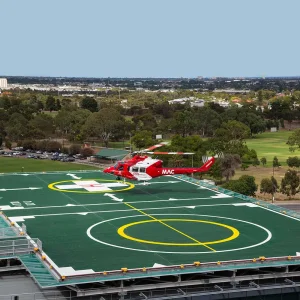
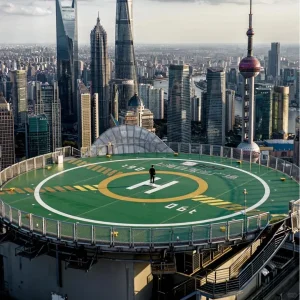
Helipad landing zones require structures capable of handling dynamic landing loads, high wind forces, and severe marine salt corrosion. By combining our 6000-series structural alloys with advanced chemical finishes, Lvxing manufactures helipad decking planks and perimeter support frameworks that deliver excellent yield strength while presenting a polished, professional look. The inclusion of integrated safety nets, security meshes, and mounting profiles ensures a fully certified, turn-key landing deck installation.
Marine environments are notoriously corrosive. Standard powder-coated aluminum often degrades under salt-spray exposure. Our electrolytic anodized Rose Gold profiles feature a highly stable protective oxide film. This provides the exceptional corrosion resistance required for marine applications while adding a premium, metallic appearance to yacht decks, interior cabin framing, and exterior gangways.
Modern luxury skyscraper designs utilize colored aluminum profiles for external curtain walls, window mullions, and architectural trim. Our ability to extrude sections up to 1.2 meters wide and 28 meters long allows architects to design seamless vertical panels. This reduces assembly joints, improves water resistance, and ensures a clean, continuous aesthetic profile across large building surfaces.
Aerospace and military applications demand both lightweight performance and high structural integrity. Our certified aerospace-grade aluminum alloys deliver the required strength-to-weight ratios. The specialized anodized finishes provide electrical insulation, surface wear protection, and clean surface finishes for sensitive onboard equipment and electronics mounting racks.
For B2B procurement managers and structural engineers sourcing wholesale aluminum profiles, maintaining quality consistency across production runs is vital. Below is the operational checklist recommended by Lvxing to evaluate high-quality anodized extrusions:
Get direct answers to critical engineering, manufacturing, and shipping questions.
Review additional engineering designs, safety nets, and custom aluminum profiles for your next installation.
 LvXing