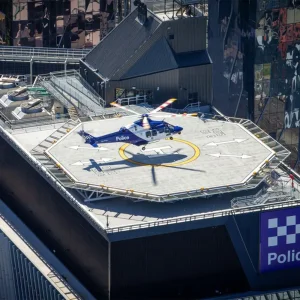
Helipad Aluminum Profile Factory & Factories for San Francisco

Industrial Grade Aluminum Extrusion Systems Tailored for California's High-Rise Heliports, Medical Facilities, and Marine Vertiports

Seismic & Environmental Challenges in San Francisco Architectural Engineering

Why modern urban engineering demands modular, high-strength aluminum decking over concrete and steel.

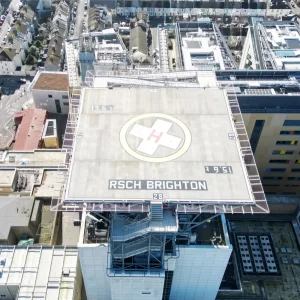
The San Francisco Bay Area represents one of the most demanding engineering landscapes globally. Driven by aggressive geological realities, strict municipal building codes, and proximity to a marine environment, structural engineers, architects, and municipal developers face constant challenges. When designing rooftop helicopter landing pads (helipads) for major regional trauma centers, high-density residential towers, and offshore safety decks, materials must meet exceptionally high standards for strength, weight, and corrosion resistance.

Seismic Mitigation (California Building Code Title 24): San Francisco lies in a region of high seismic hazard (Zone 4) governed by the Hayward and San Andreas fault lines. According to ASCE 7 structural design criteria, the dead load of a building dictates the inertial forces generated during seismic acceleration. Traditional concrete-slab rooftop helipads add massive structural weight to high-rise towers. A structural aluminum alloy assembly reduces the dead weight of the rooftop landing deck by up to 50% compared to steel and 70% compared to reinforced concrete. This structural weight savings reduces seismic shear forces, decreases the foundation's load-bearing demand, and cuts down on expensive structural steel reinforcements throughout the entire vertical frame of the building.

Marine Atmosphere Corrosion Protection: San Francisco's coastal position subjects rooftops and marine platforms to continuous salt spray, high moisture, and coastal fog. In this highly corrosive environment, traditional carbon steel decks suffer fast oxidation and structural breakdown, requiring constant maintenance, surface sandblasting, and epoxy recoating. Extruded aluminum profiles using high-performance 6000-series (such as 6005A-T6 or 6082-T6) and aerospace-grade 7000-series alloys feature excellent natural corrosion resistance. The aluminum forms a stable surface oxide layer that resists chloride penetration. For extended durability, specialized anodization (MIL-A-8625 Type III Hardcoat) ensures these structural elements require minimal maintenance throughout a service life exceeding 30 years.

70%
Lighter than Concrete
30+ Yrs
Service Life In Salt Spray
20,000T
Extrusion Capability
Zero
Structural Maintenance Needed

Technical Specifications & Material Science

Engineered performance values that satisfy FAA Advisory Circular 150/5390-2C and local structural calculations.

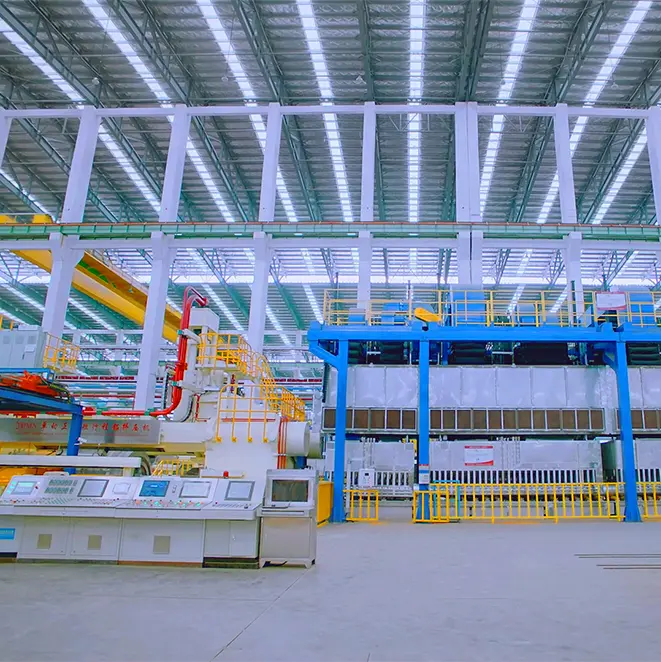
Lvxing Intelligent Equipment utilizes premium-grade Fenglu aluminum, the industry standard for high-integrity structural extrusions. Our advanced extrusion facility operating out of Foshan utilizes hydraulic presses ranging from 800-ton capacity for high-tolerance components, up to a massive 20,000-ton press. This extrusion capacity enables the production of single, continuous, hollow-core interlocking profile profiles up to 1.2 meters wide and 28 meters long, minimizing joint fatigue and structural assembly failures.

Alloy Designation Temper Status Tensile Strength (MPa) Yield Strength (MPa) Elongation (%) Primary Application
6061 T6 ≥ 290 ≥ 240 ≥ 10 Main framing structures, brackets, supporting trusses
6005A T6 ≥ 270 ≥ 225 ≥ 8 Interlocking main deck profiles, integrated dynamic landing surfaces
6082 T6 ≥ 310 ≥ 260 ≥ 10 Heavy-load coastal or offshore decks with high shear load criteria
7075 T6 ≥ 540 ≥ 480 ≥ 7 Aerospace-grade high stress components, military tactical pads

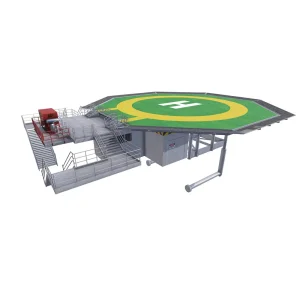
Our engineered structural profiles utilize an interlocking tongue-and-groove joint profile design that distributes heavy impact loads over multiple profiles. When a 12-ton helicopter (such as the Sikorsky S-92) lands, the localized wheel load is distributed dynamically through neighboring profiles, preventing localized denting or structural deformation. Our profiles are calculated for elastic limits that exceed the FAA’s dynamic drop factor requirements of 3.0 times the maximum takeoff weight (MTOW).

Welcome to Lvxing Intelligent Equipment

Leading the industry in precision-engineered structural aluminum solutions globally.

LVXING, SPECIALIZES IN ALUMINUM SOLUTIONS.

Established in 2015 and located in Foshan City, Guangdong, LvXing Intelligent Equipment Co., Ltd. boasts a skilled R&D team with extensive experience. We leverage exceptional technical expertise to effectively transform customers' ideas into reality, consistently meeting their precise requirements.

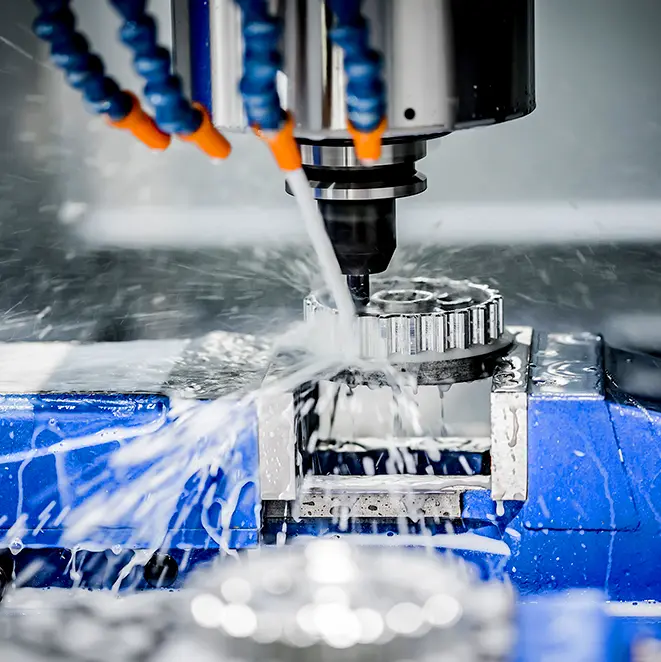
We utilize premium Fenglu aluminum, offering a diverse range of profiles for flexible applications. Our extrusion lines, ranging from 800T to 20,000T, accommodate alloys 1xxx, 2xxx, 3xxx, 5xxx, 6xxx, and 7xxx, allowing us to produce shaped products with section dimensions up to 1.2 meters in width and 28 meters in length. These products are recognized for their precision and meticulous processing, finding broad application in aerospace, military, medical, and industrial sectors.

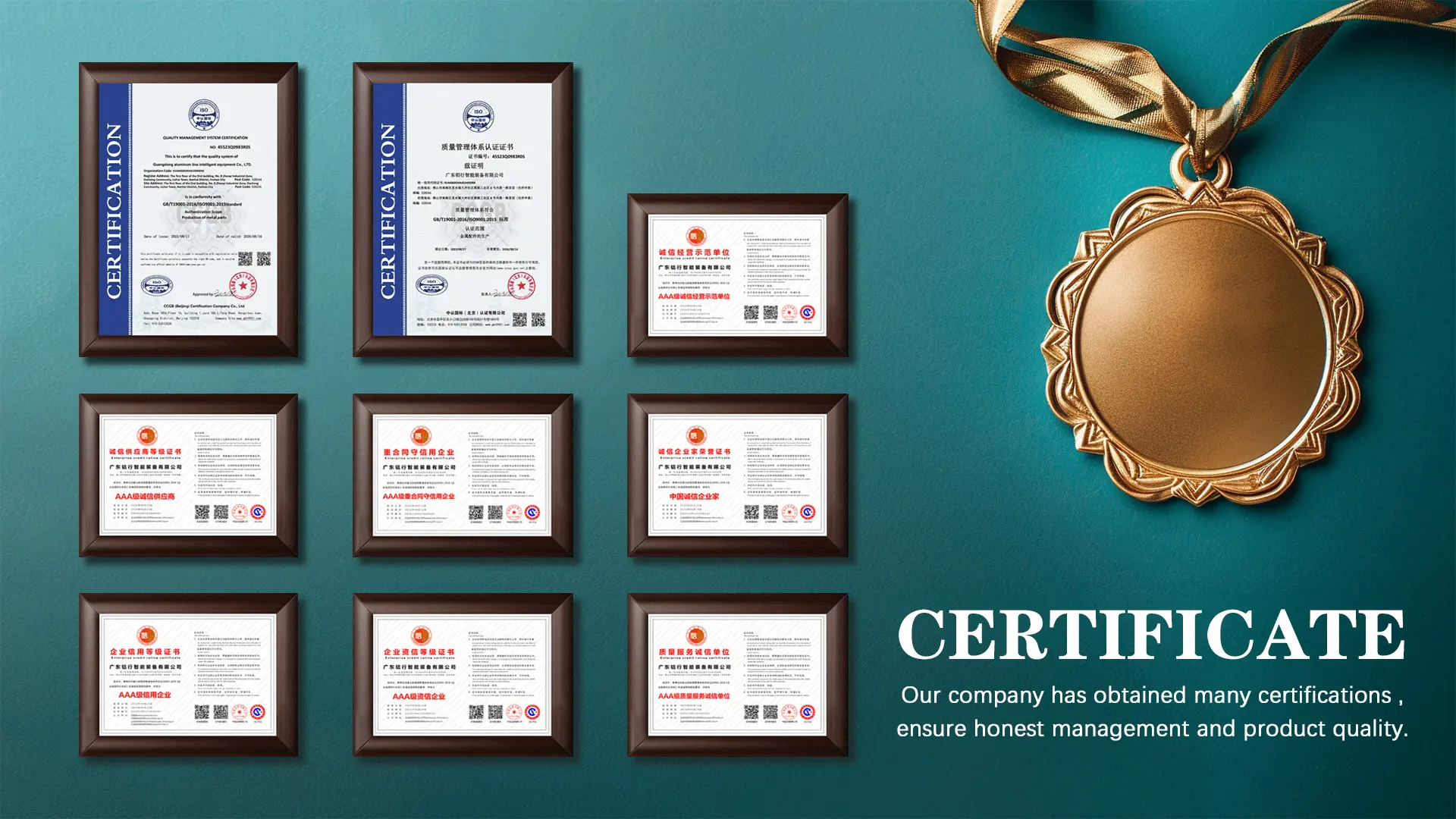
Our commitment to excellence is evident throughout the manufacturing process, rigorous quality control, thorough packaging, and efficient shipping procedures. This dedication has earned us recognition as a national excellent and honest enterprise, along with quality system certification in accordance with GB/T19001-2016/ISO9001:2015 standards.

We aspire to be your trusted business partner and warmly invite you to visit our factory.

Lvxing Factory Equipment and Extrusion Production

Our Competitive Edge

Unmatched quality control and engineering capacities designed for high-stress applications.

Aerospace Certificate

Aerospace Certified Materials

We have obtained the "Special Aluminium Materials for Aerospace" Certificate. This guarantees our profiles can endure dynamic thermal expansion and cyclic stress, offering high material purity and fatigue resistance for emergency transport operations.

Extrusion Lines 800T to 20000T

Extrusion Lines (800T to 20,000T)

We utilize high-quality Fenglu aluminum profiles. We can produce alloys across 1xxx, 2xxx, 3xxx, 5xxx, 6xxx, and 7xxx series, manufacturing fully shaped products with section dimensions up to 1.2 meters in width or 28 meters in length.

Technical Team with 15 Years Experience

15-Year Engineering R&D Team

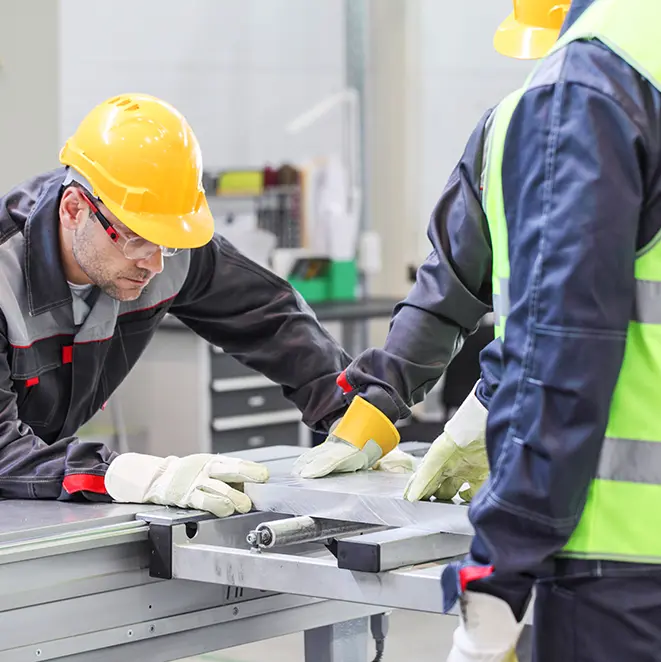
Our technicians bring 15 years of industry experience to assist in drafting, custom die design, structural analysis, and compliance checks, transforming design layouts into optimized final landing decks.

Localized Engineering Scenarios in the Bay Area

How our modular profile decks are deployed to resolve local zoning, weight limits, and geographic constraints.

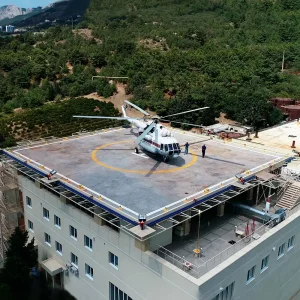
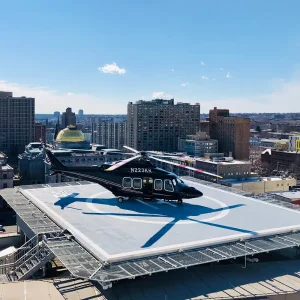
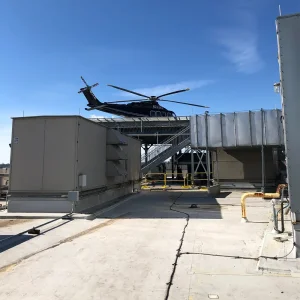
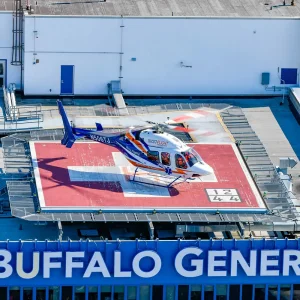
1. Trauma Center & Medical Rooftop Decks: In the city of San Francisco, rooftop trauma heliports (such as for medical transport helicopters) must feature highly reliable designs. Weight restrictions on older, existing hospital concrete frames often prevent adding a concrete landing pad. Our customized lightweight aluminum profile structures can be mounted directly onto existing load-bearing columns. A retrofitted aluminum deck allows regional hospitals to add critical helipad capabilities without the need for extensive foundation reinforcements.

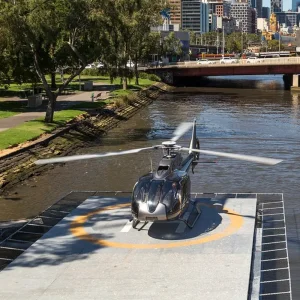
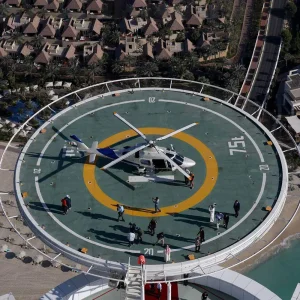
2. Marine Port & Coast Guard Emergency Facilities: For waterfront environments like the Port of San Francisco, Oakland, or Alameda, air-sea rescue helipads face continuous exposure to salt water. Traditional concrete decks absorb moisture, resulting in internal rebar rust and concrete spalling. By utilizing seawater-resistant extruded aluminum profiles, marine landing surfaces remain clear of rust and corrosion, providing a durable platform for emergency responder helicopters and marine supply transport.

3. Dense Commercial High-Rises & Seismic Resilience: High-rise developments in San Francisco are designed to sway during seismic activity. An aluminum helipad, assembled using modular profiles, introduces less mass at the building's highest point, reducing the top-heavy inertial movement during an earthquake. Our locking tongue-and-groove profile designs accommodate minor flexing, absorbing structural movements without cracking or losing load capacity.

Urban Air Mobility (UAM) and eVTOL Integration

The next generation of vertical transport decks in the San Francisco Bay Area.

As the Silicon Valley and San Francisco regions prepare for the next step in urban transportation, the deployment of eVTOL (Electric Vertical Takeoff and Landing) aircraft is transitioning from concept to reality. The regional transport network of the future will rely on decentralized urban vertiports, constructed on rooftops, parking structures, and marine docks. These vertiports require rapid structural deployment, modular designs, integrated electrical containment, and lightweight materials.

Our extruded aluminum profiles are well-suited for vertiport engineering. They allow for the integration of heating conduits to prevent winter icing, conduits for battery charging cables, and integrated landing LED channels directly within the profile extrusions. Furthermore, because aluminum is 100% recyclable, using these profiles supports LEED certification goals for new developments in California. By sourcing advanced aluminum systems from our Foshan facilities, Bay Area real estate and technology developers can construct durable infrastructure to support the future of urban aviation.

Engineering & Logistical FAQ

Technical details, shipping logistics, and compliance parameters for structural engineers and procurement departments.

Which aluminum alloys are most recommended for San Francisco helipads?

For primary structural landing decks, we recommend 6005A-T6 or 6082-T6. These alloys offer high yield strength, excellent corrosion resistance in coastal environments, and good weldability. For framing systems under the deck, 6061-T6 is the standard structural material used.

Do your aluminum profile products meet FAA and California Building Code (CBC) regulations?

Yes. Our profiles are designed to support load calculations specified in FAA Advisory Circular 150/5390-2C and CAP 437. Our R&D team works alongside California structural engineers, providing calculations for live load deflection, seismic lateral drift, and dynamic wheel load distribution to ensure local building permit approvals.

How are these large extruded profiles shipped from your Foshan factory to the Bay Area?

Our facility is located in Foshan, with access to Shenzhen and Guangzhou ports. Standard profile lengths are cut to fit within 40ft High Cube containers. For custom oversized sections (up to 28 meters long), we arrange breakbulk ocean transport directly to the Port of Oakland or San Francisco, ensuring secure packaging and handling.

What are the benefits of a 20,000T extrusion line for these structures?

A 20,000-ton press allows us to extrude wider profiles with thicker load-bearing ribs. This minimizes the number of joint connections required across the deck, reducing assembly time on-site, lowering overall weight, and improving load-bearing capacities.

How does Lvxing handle quality control and certification?

Our quality management system is certified to GB/T19001-2016/ISO9001:2015. Each batch of raw materials undergoes spectral analysis, tensile testing, and dimension checks. Additionally, we hold the "Special Aluminium Materials for Aerospace" certificate to meet demanding applications.

Start Your Engineering Consultation

Connect with our technical R&D department. We provide calculation support, wind lift assessments, and custom structural design support for commercial and municipal projects in San Francisco.

Send Inquiry Now