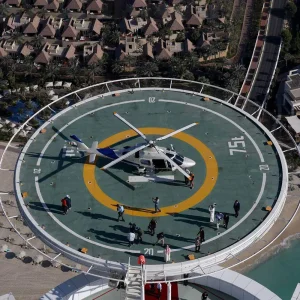
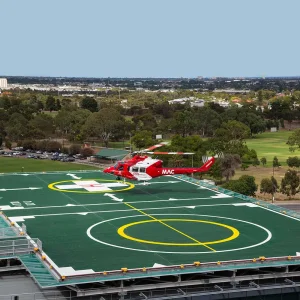
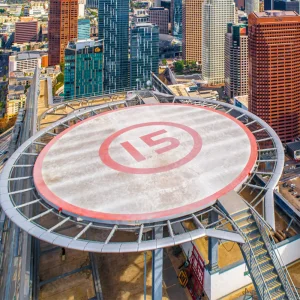
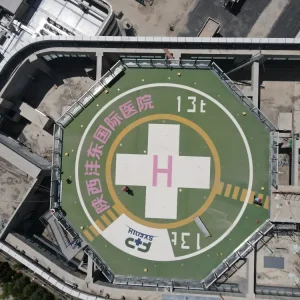
High-performance perimeter safety and structural helipad installations engineered for metropolitan high-rises and offshore systems in Thailand.
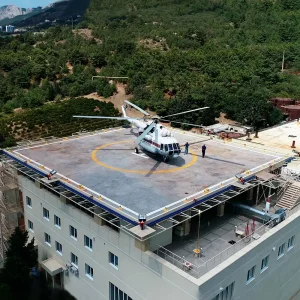
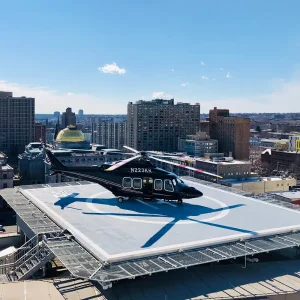
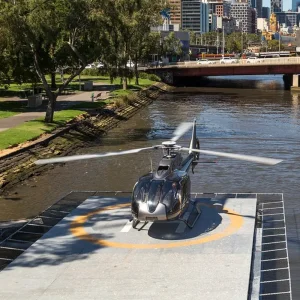
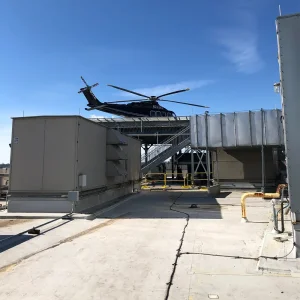
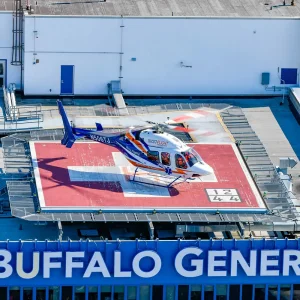
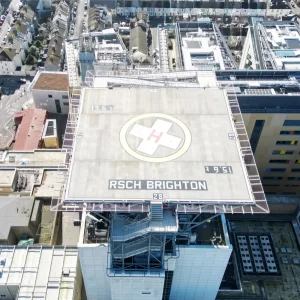
As the key economic powerhouse of mainland Southeast Asia, the Bangkok Metropolitan Administration (BMA) is undergoing rapid vertical expansion. Skyscrapers, medical centers, international luxury hotels, and corporate offices are redefining the city's skyline. In tandem with this vertical urbanization, the demand for reliable, lightweight, and durable rooftop emergency and transportation infrastructure has surged. Modern architectural layouts in areas such as Sukhumvit, Sathorn, and Bang Na are increasingly incorporating helipads to facilitate rapid emergency medical services (EMS), executive transit, and disaster response.
However, structural helipad design in Bangkok presents unique engineering obstacles. Given the city's geography, structures are subject to high relative humidity, frequent tropical monsoonal downpours, and intense wind shear conditions. Traditional heavy concrete deck designs load rooftop frames excessively, often requiring costly foundation retrofitting. This has driven structural engineers and developers across Thailand to adopt marine-grade, high-strength structural extruded aluminum profile systems as their primary design medium.
"Extruded structural aluminum profiles provide the ideal structural balance for modern megacities: minimizing dead load on skyscraper structures while resisting severe marine and tropical atmospheres without structural degradation over long lifecycles."
For offshore installations in the Gulf of Thailand—supporting petrochemical exploration, government border security, and marine energy logistics—the challenges are compounded by high salt mist environment. Utilizing materials that prevent rapid galvanic corrosion is paramount to ensuring safe helicopter landing zones over 25+ year operations.
Established in 2015 and located in Foshan City, Guangdong, LvXing Intelligent Equipment Co., Ltd. boasts a skilled R&D team with extensive experience. We leverage exceptional technical expertise to effectively transform customers' ideas into reality, consistently meeting their precise requirements.
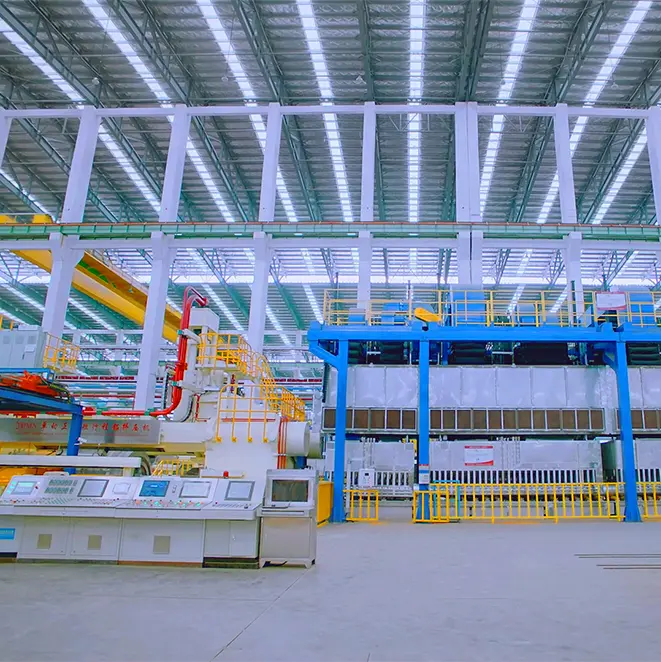
We utilize premium Fenglu aluminum, offering a diverse range of profiles for flexible applications. Our extrusion lines, ranging from 800T to 20,000T, accommodate alloys 1xxx, 2xxx, 3xxx, 5xxx, 6xxx, and 7xxx, allowing us to produce shaped products with section dimensions up to 1.2 meters in width and 28 meters in length. These products are recognized for their precision and meticulous processing, finding broad application in aerospace, military, medical, and industrial sectors.
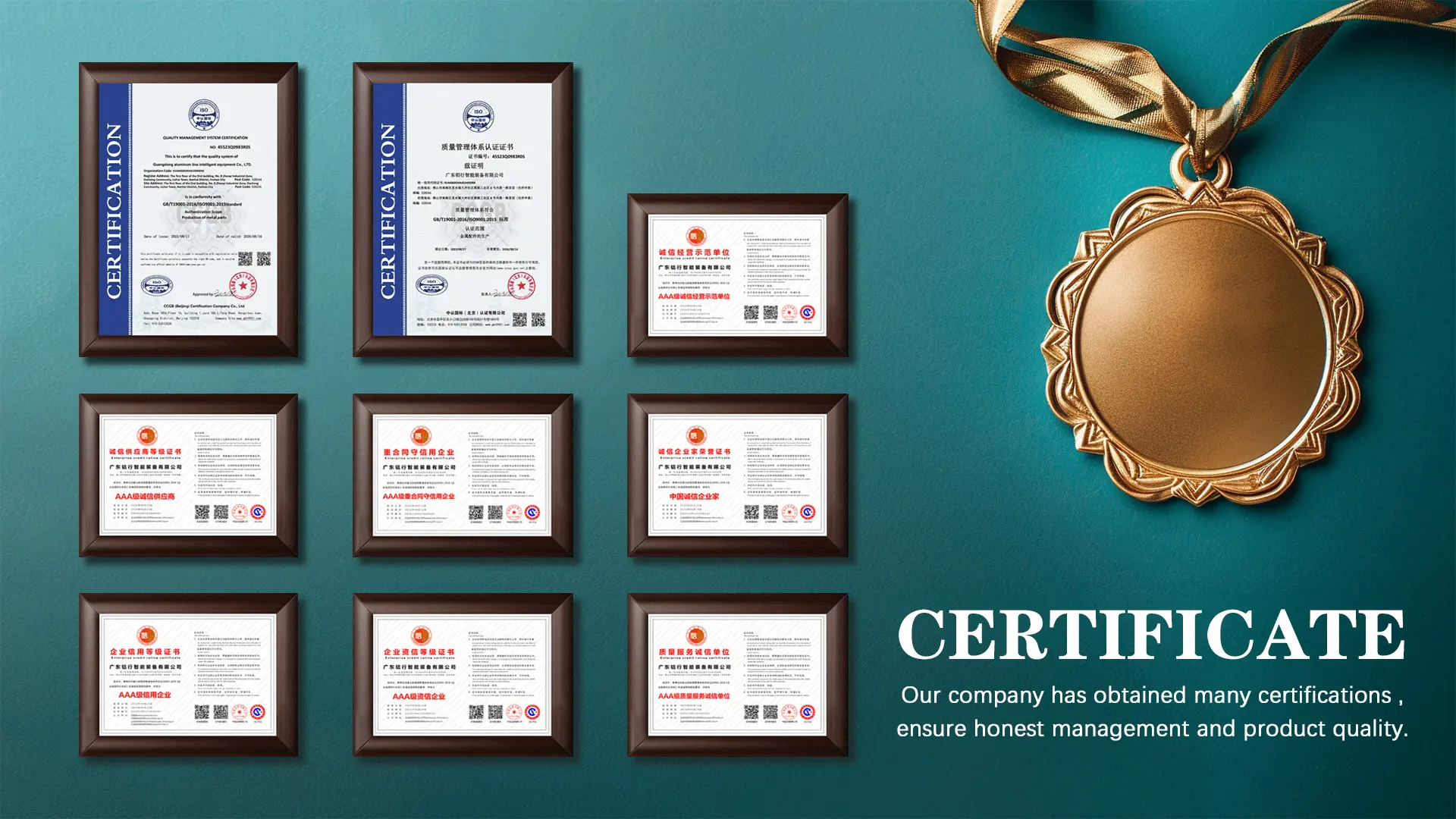
Our commitment to excellence is evident throughout the manufacturing process, rigorous quality control, thorough packaging, and efficient shipping procedures. This dedication has earned us recognition as a national excellent and honest enterprise, along with quality system certification in accordance with GB/T19001-2016/ISO9001:2015 standards.
Why 6000-series structural aluminum profiles represent the pinnacle of modern helipad engineering.
Utilizing 6082-T6 and 6061-T6 structural tempering grades to ensure high yield strengths, excellent weldability, and dynamic impact tolerance to absorb landing stress.
Engineered to strictly meet global standards including ICAO Annex 14, UK CAA CAP 437 safety nets, and local Civil Aviation Authority of Thailand (CAAT) codes.
Enhanced surface treatments with anodizing classes exceeding 20 microns to resist saline corrosion, atmospheric oxidation, and chemical exposure from aviation fuels.
| Material Class / Parameter | Structural Aluminum (6082-T6) | Mild Steel (Q235/Q355) | Reinforced Concrete |
|---|---|---|---|
| Dead Load Weight Ratio | ~2.7 g/cm³ (Lightweight - approx. 35% of steel) | ~7.85 g/cm³ (Heavy) | ~2.4 - 2.5 g/cm³ (Extremely heavy/thick deck) |
| Yield Strength (Mpa) | 250 - 290 MPa | 235 - 355 MPa | Dependent on reinforcement profile |
| Corrosion Resistance in Bangkok Humidity | Outstanding (Self-passivating oxide film) | Poor (Requires constant painting & zinc coating) | Moderate (Subject to spalling and carbonation) |
| Installation Timeline & Prefabrication | Bolt-together components (1-2 weeks) | On-site welding required (3-4 weeks) | Curing cycle mandatory (4-6 weeks minimum) |
| Recyclability & Circular Economy | 100% Recyclable with high scrap credit value | Moderate scrap value | Difficult to recycle; high disposal footprint |
Backed by heavy industrial manufacturing capabilities, premium raw materials, and professional design expertise.

We have obtained the “Special Aluminium Materials for Aerospace” Certificate, ensuring compliance with top-tier safety criteria.

We provide and utilize high-quality Fenglu aluminum profiles. With extrusion lines ranging from 800T to 20,000T, we can produce alloys 1xxx, 2xxx, 3xxx, 5xxx, 6xxx, and 7xxx. We can manufacture fully shaped products with section dimensions up to 1.2 meters in width or 28 meters in length.
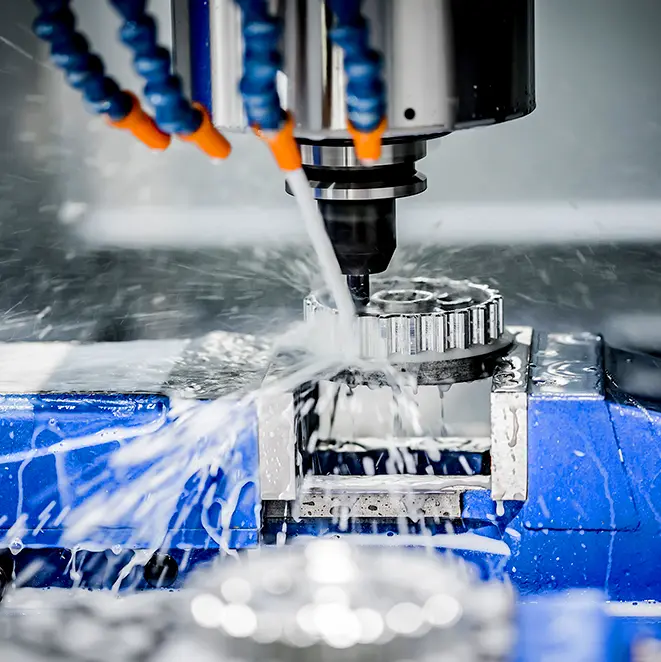

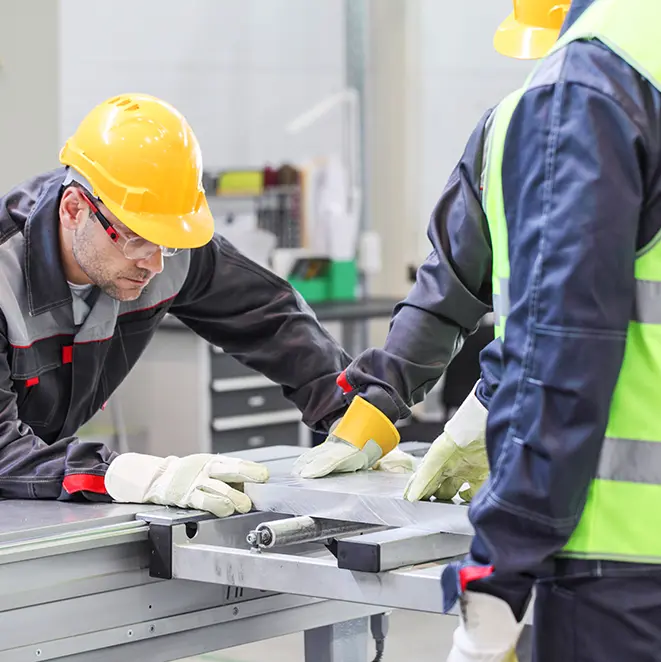
We have a team of technicians with 15 years of invaluable experience. Our deep understanding of customer requirements allows us to identify potential issues and offer practical insights, turning customer ideas into tangible products that meet specific needs.
In the modern helipad procurement paradigm, global general contractors face extreme pressure regarding lead times, structural tolerances, and fluctuating material costs. Our Foshan-based manufacturing center employs Advanced Industry 4.0 paradigms. From initial computerized design using parametric modeling programs down to the final extrusion, heat treatment, and precision CNC cutting, the entire workflow is integrated.
By leveraging extrusion machinery up to 20,000T capacity, we can extrude massive single profiles that eliminate welding joints. Fewer joints equate to fewer points of structural failure, lower maintenance cycles, and faster on-site assembly when exporting to locations like Bangkok, Chonburi, or Rayong.
Our strategic location in Guangdong provides streamlined logistical access directly to the Port of Bangkok (Khlong Toei) and Laem Chabang deep seaport. This geographic proximity ensures reliable container shipping lines, predictable transit schedules, and competitive freight tariffs, maintaining strong project momentum.
All bolt configurations, splice channels, and perimeter safety net anchor points are pre-engineered to tolerances under 0.5mm, preventing structural misalignment during installation.
Ultrasonic testing of critical extrusion billets guarantees zero micro-voids or interior stress cracks, which is imperative for structures accepting dynamic impact loads from heavy aircraft.
With access to extensive raw aluminum billets, we offer customized prototyping to cargo shipping in under 30 days, bypassing traditional supply chain bottlenecks.
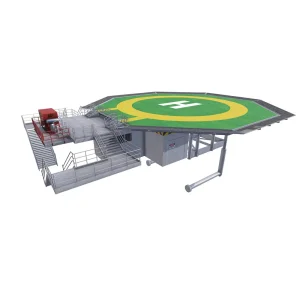
A complete portfolio of modular structures, marine-grade mesh nets, and custom rooftop configurations engineered for the Thailand market.
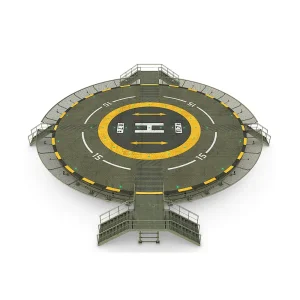
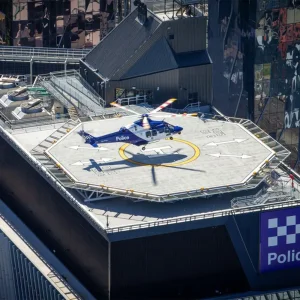
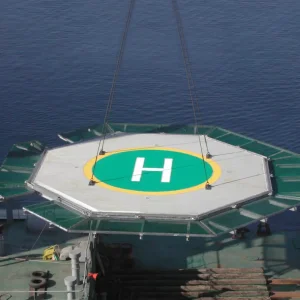
Understanding ICAO and CAAT compliance structures for rooftop aviation decks.
Heliport engineering requires strict compliance with international aviation regulations. The Civil Aviation Authority of Thailand (CAAT) actively regulates heliport approval, ensuring that safety parameters mirror ICAO Annex 14 Volume II guidelines. Two vital considerations govern modern rooftop helipad specifications: structural deck integrity and safety net installations.
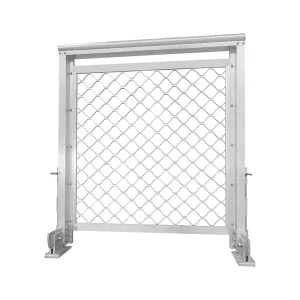
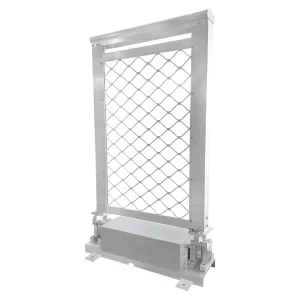
According to CAP 437 regulations, elevated landing decks require safety nets extending outward from the perimeter. These nets are designed to catch personnel or loose objects without introducing hazards to the aircraft. Our nets feature high-tensile, corrosion-resistant mesh panels secured within rigid structural aluminum frames. They are engineered to absorb dynamic impacts of up to 100 kg dropped from 1 meter, protecting personnel working near the deck edges.
When a helicopter lands, the deck experiences sudden dynamic impact forces (expressed as DLF, or Dynamic Load Factor). For a standard medium-sized helicopter like the Sikorsky S-92 or Airbus H175, the landing deck must withstand loads three times the maximum takeoff weight (MTOW). Extruded aluminum profile systems utilizing 6082-T6 alloy have high yield strength and resilience, effectively dispersing point loads across the subframe grid to prevent structural fatigue.
Bangkok's monsoonal rains require advanced drainage designs to prevent hydroplaning during helicopter landing. Extruded aluminum deck planks are manufactured with integrated surface grooving and drainage slots, allowing water to escape quickly while maintaining a high coefficient of friction under wet conditions.
Professional engineering answers regarding aluminum helipad systems and safety guidelines.
Ready to deploy a certified aluminum helipad system or perimeter safety net for your rooftop or marine project? Get technical assistance, customized engineering drawings, and exact price quotes.
Send Inquiry Now LvXing