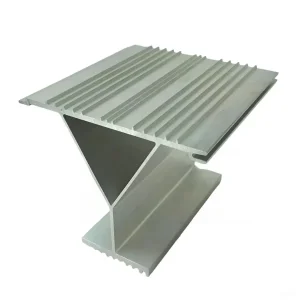
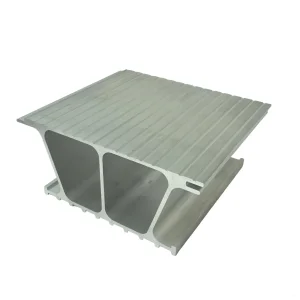
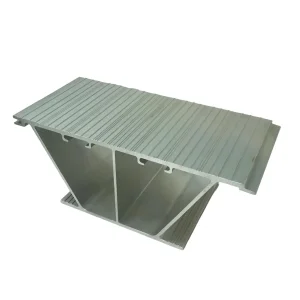
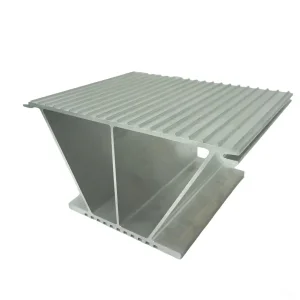
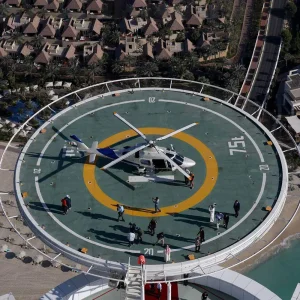
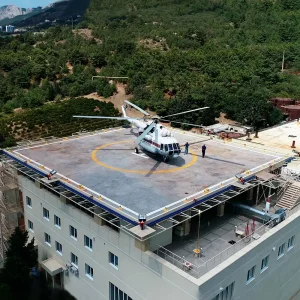
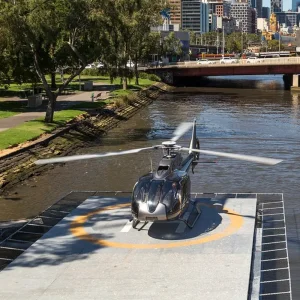
Explore our primary structural aluminum profile solutions optimized for immediate deployability and extreme environments.
Established in 2015 and located in Foshan City, Guangdong, LvXing Intelligent Equipment Co., Ltd. boasts a skilled R&D team with extensive experience. We leverage exceptional technical expertise to effectively transform customers' ideas into reality, consistently meeting their precise requirements.
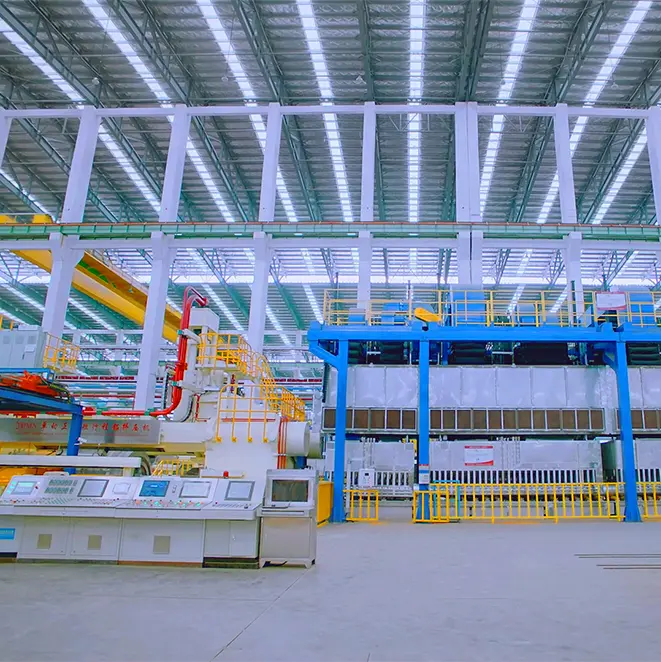
We utilize premium Fenglu aluminum, offering a diverse range of profiles for flexible applications. Our extrusion lines, ranging from 800T to 20,000T, accommodate alloys 1xxx, 2xxx, 3xxx, 5xxx, 6xxx, and 7xxx, allowing us to produce shaped products with section dimensions up to 1.2 meters in width and 28 meters in length. These products are recognized for their precision and meticulous processing, finding broad application in aerospace, military, medical, and industrial sectors.
Our commitment to excellence is evident throughout the manufacturing process, rigorous quality control, thorough packaging, and efficient shipping procedures. This dedication has earned us recognition as a national excellent and honest enterprise, along with quality system certification in accordance with GB/T19001-2016/ISO9001:2015 standards.
Download Brochure & Technical Datasheet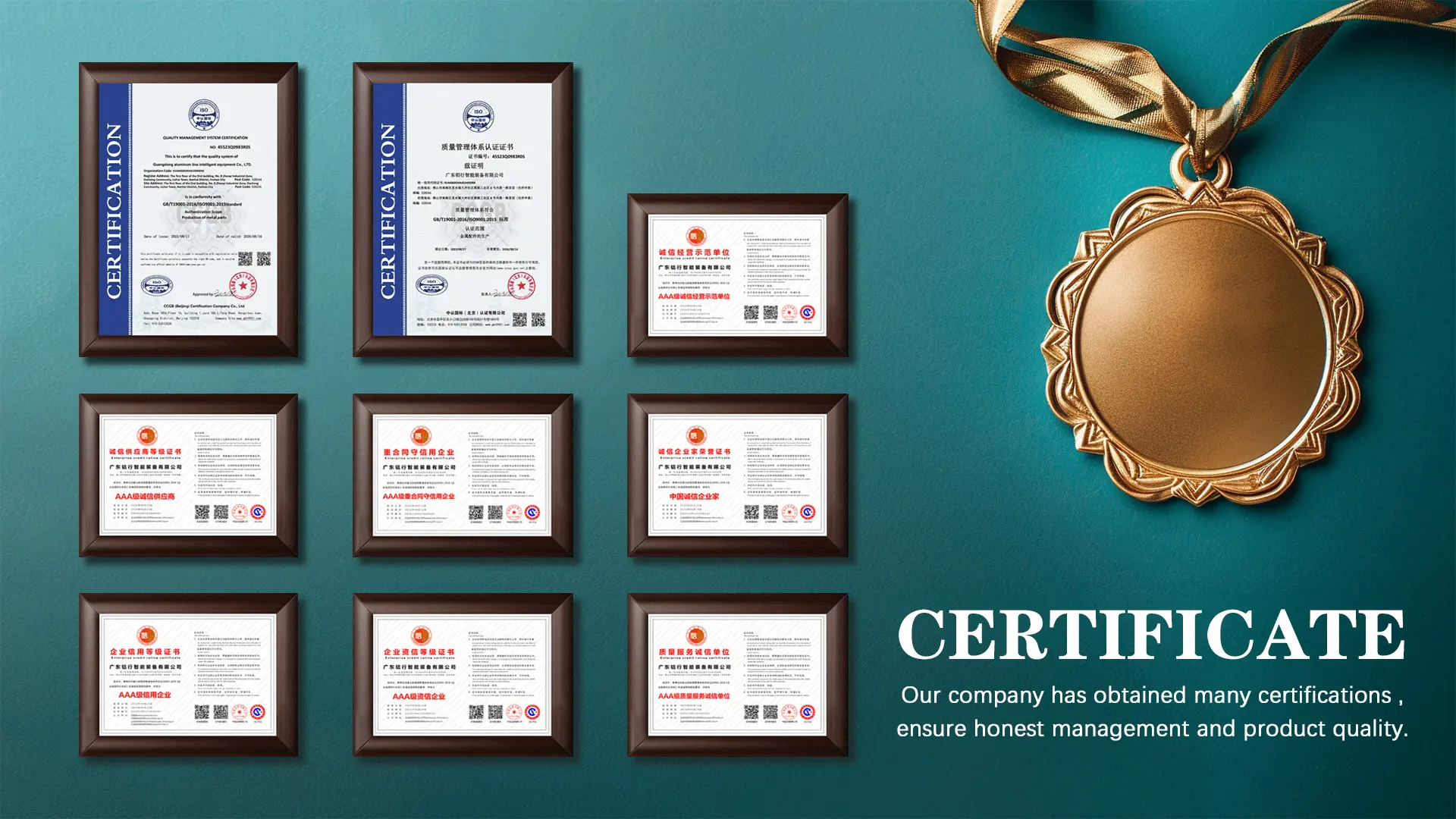
Tailoring modular aluminum deck installations to Central America's unique climatic challenges, coastal conditions, and demanding safety standards.
Costa Rica's geographic complexity requires infrastructure that accommodates high seismic activity and rapid elevation changes. Our lightweight structural 6000-series alloy profiles provide massive weight savings over concrete helipads, minimizing inertial force during earthquakes and ensuring rapid construction in hard-to-reach valleys or mountain lodges.
With long coastlines bordering the Caribbean Sea and Pacific Ocean (Puntarenas, Limón, Guanacaste), local helipads are continuously subjected to corrosive marine atmospheres. We utilize advanced marine-grade structural aluminum extrusions coupled with specialized surface anodizing (up to 25μm) to prevent pitting corrosion and maximize longevity.
From luxury remote eco-lodges near Arenal Volcano to essential hospital helipads in San José, safety and rapid deployment are paramount. Our pre-engineered, snap-together interlocking helipad profile systems allow local civil contractors to install safe landing decks without damaging delicate local environments.
High precision, structural grade alloys, and custom finishes to exceed international structural standards.

We have obtained the "Special Aluminium Materials for Aerospace" Certificate, assuring the high mechanical reliability and structural integrity of all Lvxing structural components.

Using premium Fenglu aluminum profiles, we process alloys across 1xxx, 2xxx, 3xxx, 5xxx, 6xxx, and 7xxx groups. We produce sections up to 1.2m wide and 28m long to reduce assembly joints.

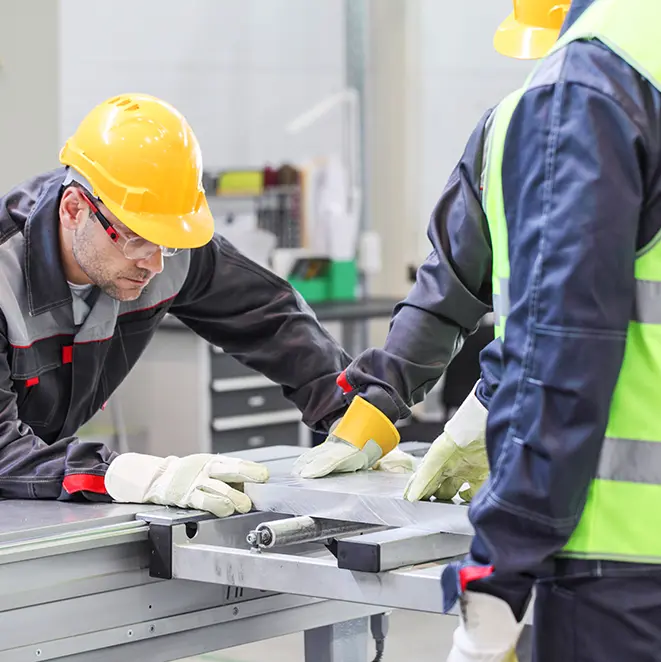
Our experienced technicians identify design conflicts, optimize cross-sectional profiles to support specific dynamic loads, and ensure error-free custom fabrication.
Why engineered modular aluminum decks are replacing alternative construction materials in modern engineering designs.
| Performance Parameter | Lvxing Modular Aluminum Profiles (Alloy 6082-T6) | Structural Steel (Q345 / S355) | Reinforced Concrete (C35/45) |
|---|---|---|---|
| Structural Weight | ~70% lighter than concrete, ~50% lighter than steel | Heavy. Requires thick load-bearing columns | Extremely heavy. High dead-weight penalty |
| Corrosion Resistance | Outstanding self-protecting oxide layer. Marine anodized. | Requires regular painting and maintenance | Subject to rebar corrosion, spalling, and cracking |
| Installation Timeline | Rapid interlocking snap-fit system (days) | Requires field welding, crane setups (weeks) | Requires formwork, wet pouring, curing time (months) |
| Dynamic Load Dispersion | Highly engineered elastic deformation resistance | Rigid, high risk of fatigue failure over time | Rigid, prone to micro-cracking from helicopter vibration |
| Recyclability Value | High residual material value (>90% recyclable) | Moderate structural scrap value | Zero residual value, costly demolition and disposal |
Operating within Foshan, Guangdong—the absolute epicenter of the global high-capacity aluminum extrusion ecosystem—Lvxing enjoys direct access to premium-grade alloy supplies and advanced surface finishing clusters. Our scale ensures that raw material pricing, die fabrication, and quality inspections remain highly cost-competitive.
We manage door-to-port and door-to-door freight arrangements shipping from Shenzhen, Guangzhou, or Hong Kong ports directly to Puerto Caldera (Pacific coast) and Puerto Limón (Caribbean coast).
We provide full structural calculation records, mill test certificates (EN 10204 3.1), packaging lists, and certificates of origin to expedite Costa Rican customs approval processes.
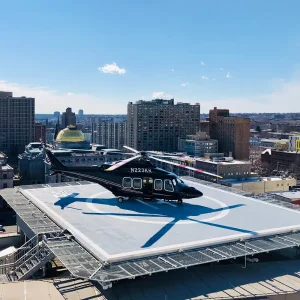
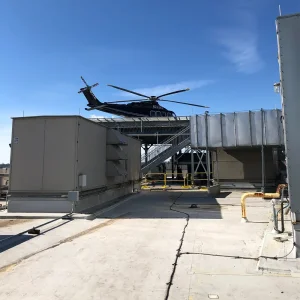
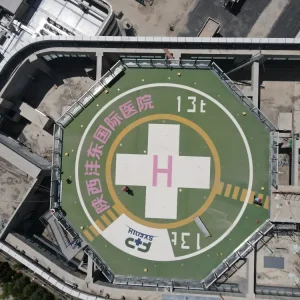
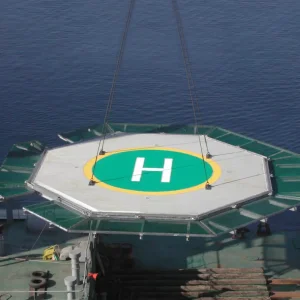
Tailored structural profiles, perimeter nets, and specialized decks engineered for hospitals, marine vessels, and commercial rooftops.
Safety is absolute in rotorcraft operations. Our fabrication matches the demands of local and global aviation regulatory bodies.
Our profiles meet International Civil Aviation Organization standards for surface friction, load-carrying limits, slope tolerances, and marking integrations for standard commercial helicopter decks.
Extensively requested for offshore platforms and vessels, our aluminum extrusions align with CAP 437 requirements regarding deck load structures, non-slip surfaces, and drainage capabilities.
Manufactured strictly under ISO9001:2015 processes. Alloys comply with ASTM structural testing specifications to guarantee yield and ultimate tensile strength thresholds under dynamic load.
Answers to common structural engineering, procurement, and deployment questions from international contractors.
For coastal applications like Limón or Puntarenas, we highly recommend 6082-T6 or 6005A-T6 alloys. These 6000-series structural grades offer excellent mechanical strength, superior weldability, and exceptional corrosion resistance in saline atmospheres. All profiles undergo high-micron anodizing treatments to further enhance durability.
Our technical team calculates maximum static and dynamic landing loads based on target helicopter classes (e.g., Bell 412, Sikorsky S-92). Utilizing Finite Element Analysis (FEA) and testing certifications from our Fenglu source materials, we verify that our extruded profiles meet structural safety factors exceeding the standard dynamic touchdown requirements.
Custom mold production and extrusion fabrication generally take 15 to 25 days depending on profile complexity and quantity. Maritime transit from Shenzhen/HK to Puerto Caldera or Limón ports takes roughly 22 to 30 days. We manage export documentation, including packing lists, bill of lading, and mill sheets.
Yes, our extrusion capabilities up to 1.2 meters wide allow us to design custom integrated tracks and channels directly into the aluminum deck profiles. This includes dedicated pathways for perimeter LED lights, deck heating systems, drainage lines, and mounting brackets for safety nets.
We supply detailed technical drawings, assembly guides, and digital sequence blueprints for easy local contractor execution. For large commercial or state infrastructure projects, our senior field engineers can provide remote or onsite technical assistance to ensure proper assembly and alignment.
Connect directly with our senior industrial extrusion team for accurate load calculations, mechanical specifications, and optimized shipping quotes directly to Costa Rica.
Send Inquiry Now LvXing