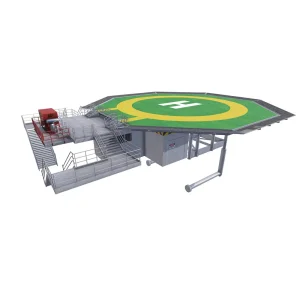
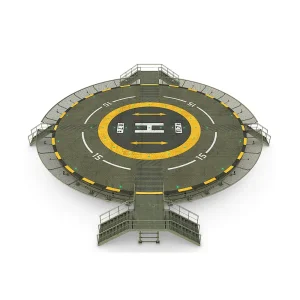
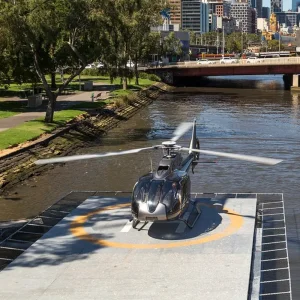
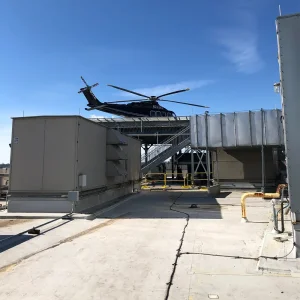
Engineered to meet South African Civil Aviation Authority (SACAA) and international safety standards.
South Africa represents a critical hub for aviation infrastructure across sub-Saharan Africa. The rapid growth of mining exploration in regions like Limpopo and the North West, coupled with high-density urban developments in Sandton, Johannesburg, and Cape Town, has fueled a surging demand for safe, reliable, and compliant helicopter landing areas. These facilities are vital not only for corporate travel but also for emergency medical services (EMS), search and rescue, and marine offshore logistics supporting energy exploration along the Mossel Bay and West Coast coastlines.
Operating helipads in South Africa poses unique environmental and regulatory challenges. Coastal installations face extreme C5-M high-salinity corrosion zones, while inland highveld regions require structures to withstand intensive UV radiation and massive thermal expansion cycles due to severe daily temperature fluctuations. To address these demands, modern engineers are moving away from heavy concrete and welded steel towards modular, high-strength aluminum alloy structural profiles.
Specializing in custom aluminum profiles and industrial structures for complex helipad construction worldwide.
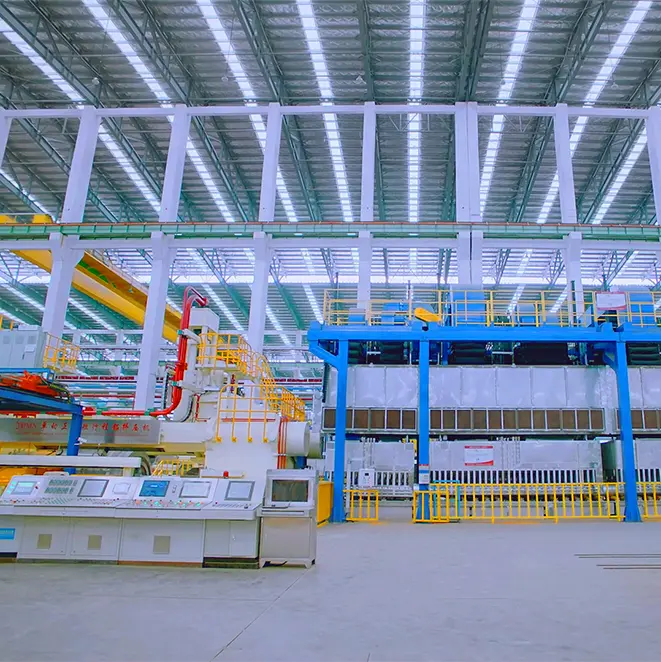
Equipped with state-of-the-art extrusion lines ranging from 800T to 20,000T. We produce alloys in the 1xxx, 2xxx, 3xxx, 5xxx, 6xxx, and 7xxx series, with dimensions reaching up to 1.2 meters in width and 28 meters in length.
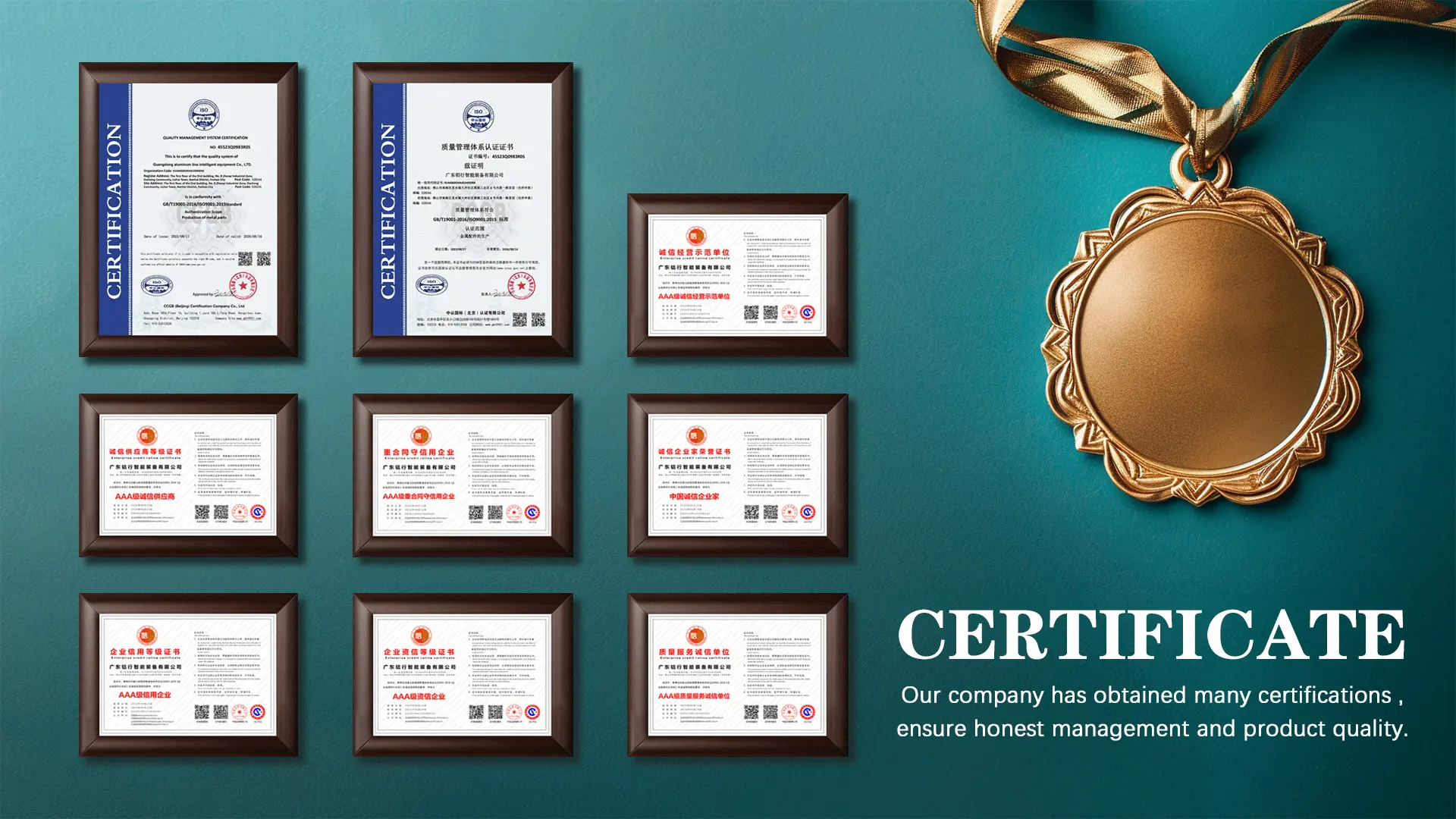
Proud holder of the prestigious "Special Aluminium Materials for Aerospace" Certificate. All products undergo rigorous ISO9001:2015 and GB/T19001-2016 quality management testing to guarantee long-term dependability.
Our engineering and technical teams leverage over 15 years of industry experience to transition complex client requirements into operational, physically optimized components that solve structural load and design challenges.
When engineering rooftop or elevated marine helipads in South Africa, weight reduction, corrosion resistance, and speed of assembly are critical variables. Aluminum alloy structures (primarily high-strength 6082-T6 and 6005A-T6) offer distinct advantages over steel and concrete platforms:
Salt spray and high humidity along the coastlines of Cape Town, Port Elizabeth, and East London accelerate rusting in structural steel. Traditional structures demand routine sandblasting and marine-grade painting. Our marine-grade 6082-T6 aluminum alloys naturally form an inert, protective oxide layer. When anodized or polyester powder-coated, they resist high-salinity corrosion without requiring recurring coating maintenance, drastically lowering overall lifecycle costs.
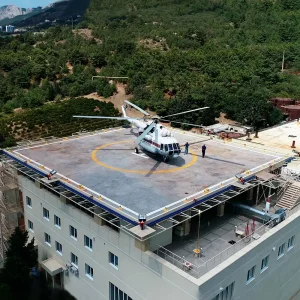
Retrofitting concrete helipads onto existing corporate buildings in Sandton or Pretoria often demands expensive, invasive structural reinforcement of the building's core column network. Our hollow, interlocking extruded aluminum profile systems reduce helipad dead weight by up to 60% compared to concrete. This allows developers to construct landing surfaces on existing buildings while ensuring compliant emergency rooftop access.
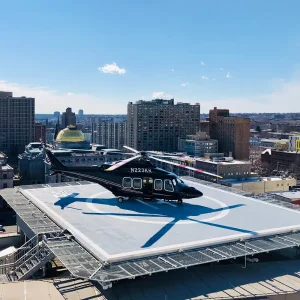
The South African Civil Aviation Authority (SACAA) under Part 139 mandates strict structural design criteria for heliports. This involves calculating precise impact forces during emergency landings (Hard Landings). Our structural deck systems are calculated based on the maximum take-off weight (MTOW) of heavy helicopters commonly operated in South Africa, such as the Sikorsky S-92 or Eurocopter EC225. Using high-pressure 20,000T extrusion configurations, we construct thick-walled, reinforced hollow profiles that disperse impact energies evenly across structural support networks.
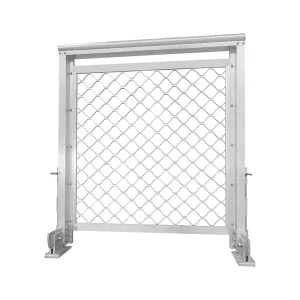
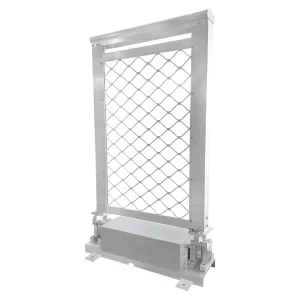
Safety nets are mandatory along the perimeter of elevated helipads to prevent personnel and equipment falls. ICAO Annex 14 Volume II and UK CAA CAP 437 require safety nets to extend at least 1.5 meters outward, have an upward slope of 10 degrees, and withstand a drop-test impact of 200 kg from a height of 1 meter without structural failure. We supply both manual and automated electric perimeter safety nets, constructed with 316 stainless steel wire mesh or lightweight marine-grade aluminum frames, tailored for deployment under challenging coastal winds.
Our capabilities are backed by solid engineering metrics and decades of industrial production.
Why architects, structural engineers, and contractors in South Africa select LvXing solutions.
We hold the "Special Aluminium Materials for Aerospace" Certificate. All profiles match strict engineering tolerances required for aerospace and high-altitude operations.
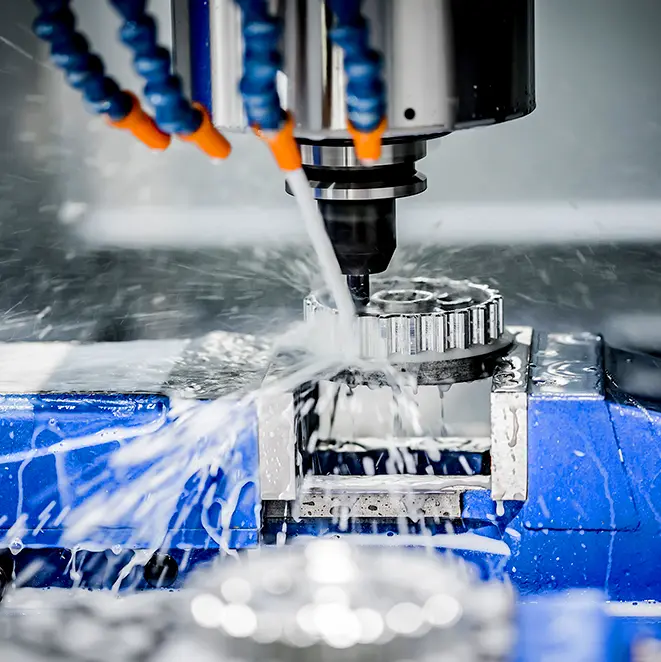
We utilize premium Fenglu aluminum profiles. Working from 800T to 20,000T capacities, we shape products up to 1.2 meters wide and 28 meters long, optimizing material thickness for high load requirements.
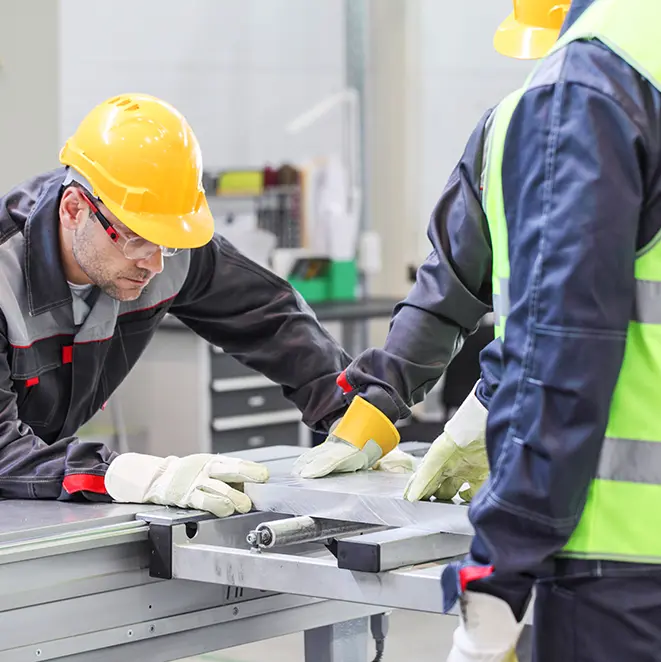
Our 15+ years R&D team provides comprehensive structural pre-assessments, FEM stress analyses, and customized assembly drawings for fast, error-free installation on-site.
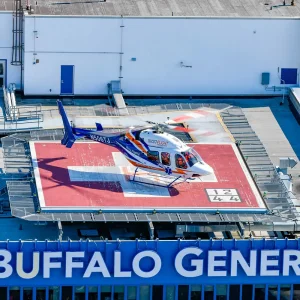
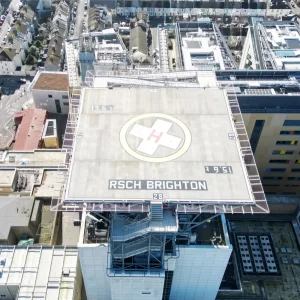
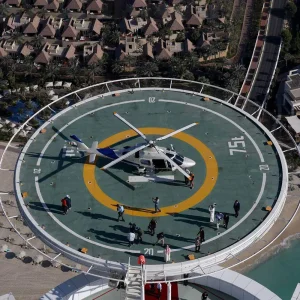
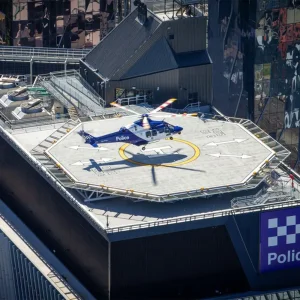
Explore our targeted product range optimized for hospitals, marine vessels, commercial properties, and police stations.
Sourcing large-scale structural aluminum components internationally requires precise shipping logistics, quality controls, and custom clearance pathways. LvXing ensures clear delivery timelines and simplifies technical processes for our customers in South Africa:
We dispatch custom structural profiles directly from Foshan, Guangdong, through the ports of Guangzhou or Shenzhen. Containers reach Durban and Cape Town ports via reliable shipping lines, minimizing delays for local developers.
We supply comprehensive export document packages, including SGS inspection certifications, material test reports (MTR) verifying 6082-T6 chemical composition, bill of lading, and custom certificates for straightforward customs clearance.
Our engineering packages include FEM stress evaluations and 3D CAD blueprints. These documents facilitate approval from South African structural engineers and SACAA inspectors prior to installation.
Key technical answers regarding structural aluminum helipad construction in South Africa.
Work with our engineering team to design custom, compliant, and cost-effective structural aluminum solutions for your next development.
Send Inquiry Now → LvXing