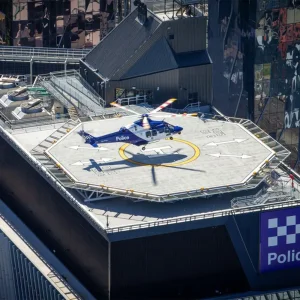
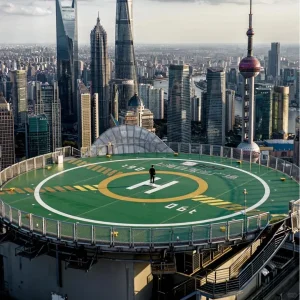
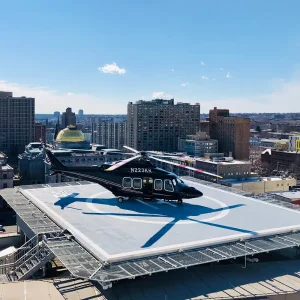
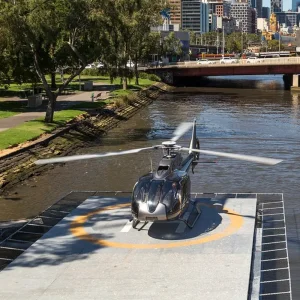
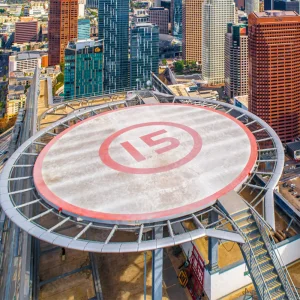
High-tolerance extruded modular decks for elevated hospital rooftops, marine vessels, and structural offshore operations.
In modern industrial and urban architecture, the development of helicopter landing systems has transitioned from traditional heavy concrete slabs to high-performance, lightweight aluminum helipads. The Indian market is witnessing unprecedented growth in civil aviation, emergency medical systems (EMS), offshore oil exploration, and high-density commercial real estate. Under initiatives like the regional connectivity scheme *UDAN*, and the rapid modernization of healthcare facilities in major metropolitan hubs like Mumbai, Delhi, Bangalore, and Chennai, the demand for prefabricated aluminum heliports has skyrocketed.
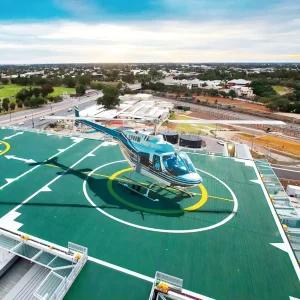
Aluminum profiles are the backbone of this evolution. Unlike concrete structures that add significant dead weight to rooftops and require extended curing periods, engineered extruded aluminum profiles offer a modular, high strength-to-weight ratio solution. These profiles assemble rapidly, resist extreme environmental degradation, and feature long-term structural resilience, making them perfect for both land-based and marine offshore environments throughout the Indian subcontinent.
Compared to traditional concrete decks, reducing load stress on buildings.
High-precision alloy production for complex structural profiles.
Superior atmospheric & marine corrosion resistance in coastal climates.
To safely sustain the dynamic impact loads generated during helicopter landings (measured up to 3.28 times the Maximum Take-Off Weight of the aircraft), aluminum profile design demands strict metallurgical discipline. The choice of alloys governs the structural safety factor, weldability, and corrosion resistance.
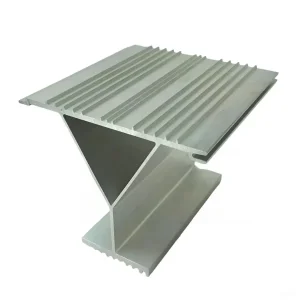
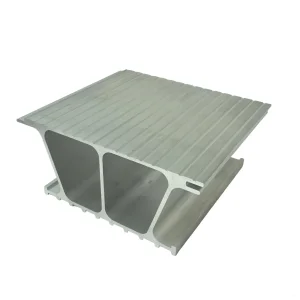
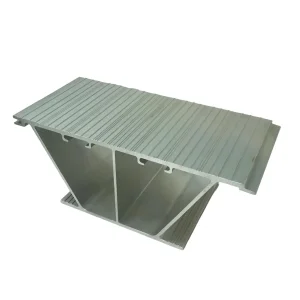
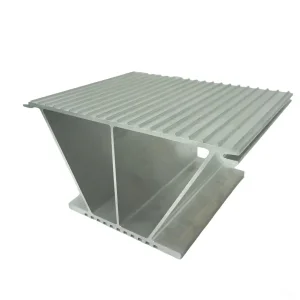
Our manufacturing processes adhere to international civil aviation guidelines including ICAO Annex 14, FAA Advisory Circular AC 150/5390-2C, and Indian DGCA requirements for helipad construction. By integrating specific structural ribs within the extrusion mold, these profiles distribute loads evenly down to the support substructure, ensuring landing safety under critical emergency conditions.
Procuring helipad structural components requires absolute quality consistency. In our state-of-the-art Foshan production facility (Foshan City, Guangdong), we bridge the gap between heavy design requirements and rapid manufacturing turnaround. Operating under strict Industry 4.0 paradigms, we offer the Indian market a reliable and cost-effective alternative to domestic and European suppliers.
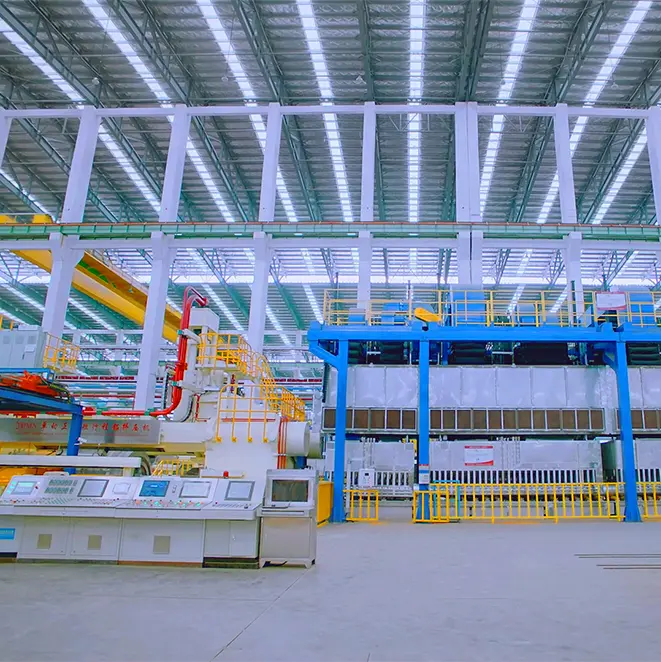
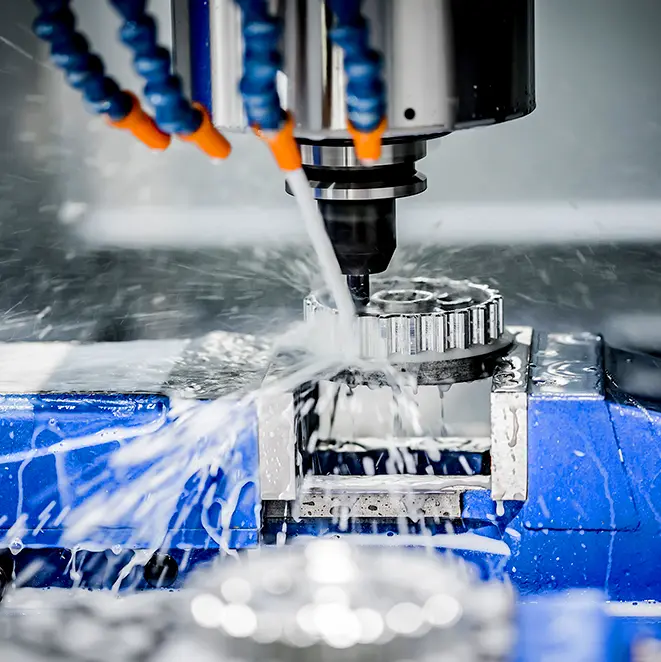
Equipped with advanced extrusion lines ranging from 800T to 20,000T, our facility supports full-cycle design, mold fabrication, extrusion, precision CNC machining, and surface finishes under one roof. Our capacity to produce large-format profiles with section widths up to 1.2 meters and lengths up to 28 meters reduces the number of structural joints required on the field. This not only increases structural integrity but also minimizes on-site assembly errors, allowing engineering teams in India to build faster and reduce project overhead.
LVXING SPECIALIZES IN ALUMINUM SOLUTIONS.
Established in 2015 and located in Foshan City, Guangdong, LvXing Intelligent Equipment Co., Ltd. boasts a skilled R&D team with extensive experience. We leverage exceptional technical expertise to effectively transform customers' ideas into reality, consistently meeting their precise requirements.
We utilize premium Fenglu aluminum, offering a diverse range of profiles for flexible applications. Our extrusion lines, ranging from 800T to 20,000T, accommodate alloys 1xxx, 2xxx, 3xxx, 5xxx, 6xxx, and 7xxx, allowing us to produce shaped products with section dimensions up to 1.2 meters in width and 28 meters in length. These products are recognized for their precision and meticulous processing, finding broad application in aerospace, military, medical, and industrial sectors.
Our commitment to excellence is evident throughout the manufacturing process, rigorous quality control, thorough packaging, and efficient shipping procedures. This dedication has earned us recognition as a national excellent and honest enterprise, along with quality system certification in accordance with GB/T19001-2016/ISO9001:2015 standards.
We aspire to be your trusted business partner and warmly invite you to visit our factory.
Contact Our Engineers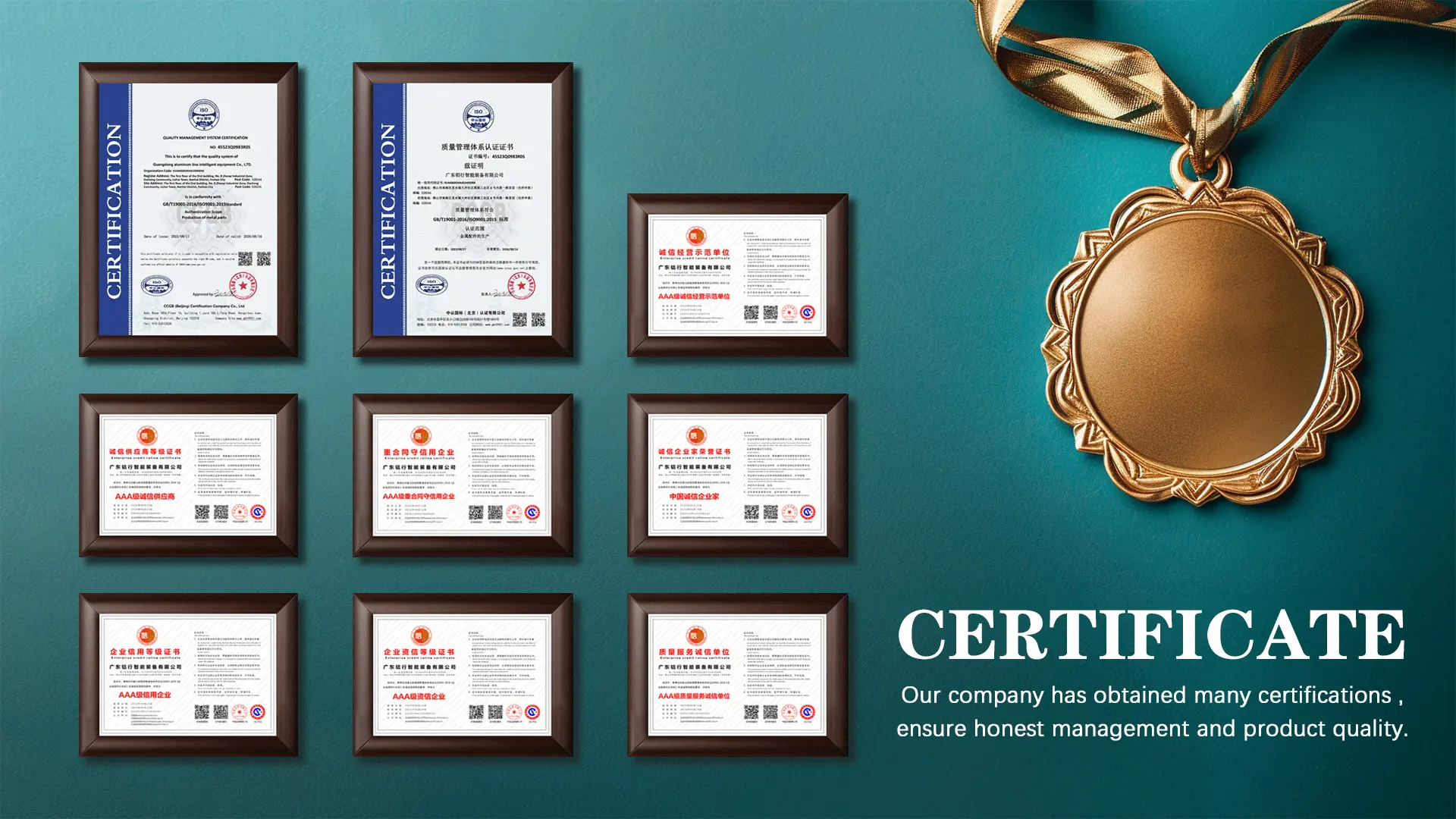
Why global and Indian EPC enterprises rely on our aluminum profile engineering.

We have obtained the "Special Aluminium Materials for Aerospace" Certificate, confirming our technical compliance with high-stress safety applications.

High-quality Fenglu aluminum profile extrusions up to 20,000T. Producing alloys 1xxx through 7xxx, with maximum lengths up to 28 meters.

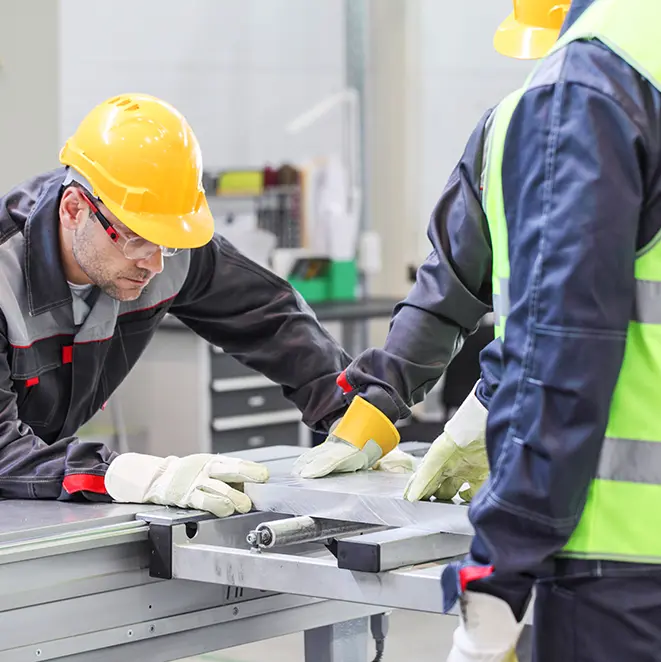
Our technicians bring 15+ years of design experience to solve potential installation issues and turn conceptual designs into standard-compliant products.
The application of helipad profiles in the Indian subcontinent is broad, requiring localized customization to combat specific environmental and topographical factors:
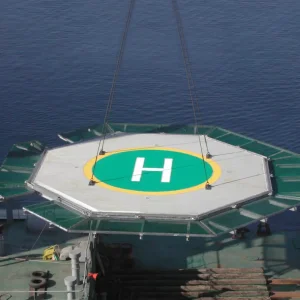
Offshore environments present some of the most aggressive corrosion threats in the world. Engineered profiles with marine-grade 6082-T6 aluminum combined with custom anodization offer high resistance to saltwater spray. Our profiles integrate built-in gutters to direct rainwater runoff and marine spillage efficiently, maintaining safety standards in extreme marine conditions.
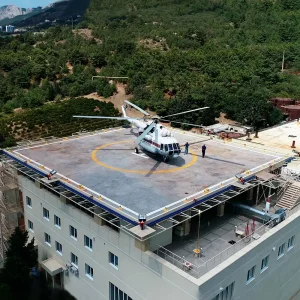
For rooftop helipads, adding heavy structures raises the center of gravity of the host building, making it vulnerable to seismic activity. Concrete helipads increase risk. Utilizing aluminum decks reduces the structural load of the landing pad by over 60%, alleviating pressure on the load-bearing columns during earthquake events.
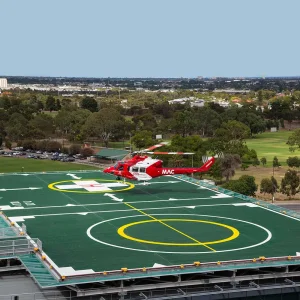
Super-specialty hospitals in congested metropolitan hubs like Mumbai, Delhi, and Bangalore rely on rapid rooftop emergency transport. Aluminum profiles allow for quick rooftop modular installation without heavy cranes, saving time and money in central business districts.
Complete structural profiles, safety netting systems, and custom marine decks designed for long-term reliability.
Essential insights regarding specifications, safety certifications, and supply chain logistics for Indian clients.
Get comprehensive engineering drawings, dynamic calculations, and custom structural quote profiles tailored to DGCA & FAA standards.
Submit Design Specifications Now LvXing