Helipad Aluminum Profile Manufacturer & Quotes for the Tokyo Market

JIS-Compliant, Structural Aluminum Landing Decks & Substructures for Tokyo's High-Rise Evacuation Rooftops, Marine Terminals, and Urban eVTOL Hubs

Request Free Technical Consultation

Engineered Solutions for the Greater Kanto Aviation Infrastructure

Select heavy-duty extruded helideck profiles optimized for Japanese structural load profiles and Tokyo Bay coastal environments.

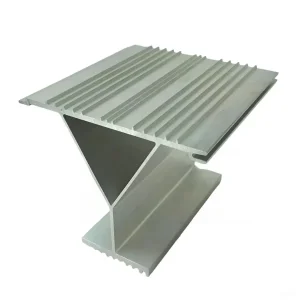
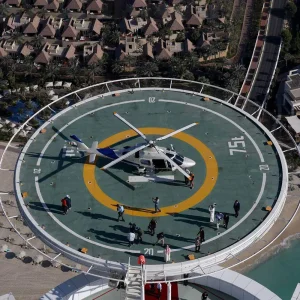
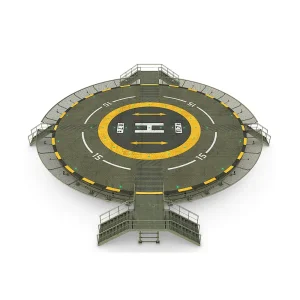
Tokyo High-Rise Emergency Helideck Profile LX-HP01

Tokyo High-Rise Emergency Helideck Profile LX-HP01

Interlocking perimeter plank system designed for rapid-deployment emergency helipads atop Tokyo skyscrapers.

Get Price Quote
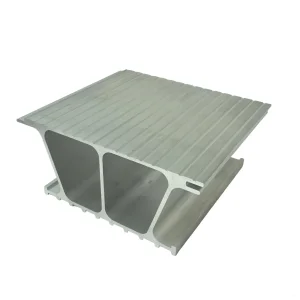
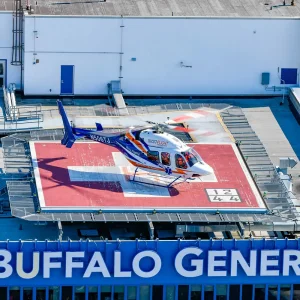
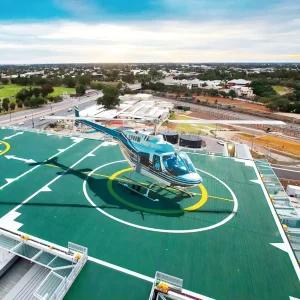
JIS & CE Compliant Helideck Profile LX-HP02

JIS & CE Compliant Helideck Profile LX-HP02

High-durability structural profile for offshore platforms and coastal heliports. Certified for extreme marine conditions.

Get Price Quote
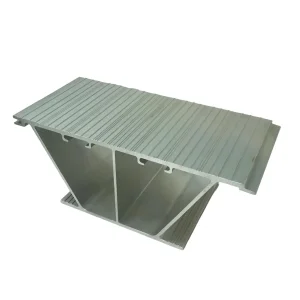
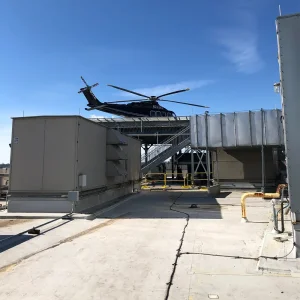
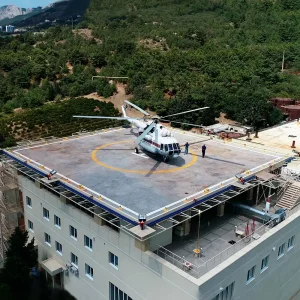
Seismically Reinforced Custom Helideck System LX-HP03

Seismically Reinforced Custom Helideck System LX-HP03

Bespoke profile shapes configured to meet Tokyo building safety laws and seismic isolation criteria.

Get Price Quote
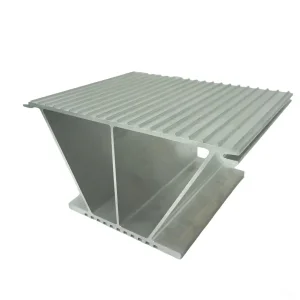
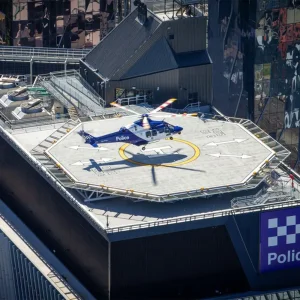
Heavy-Duty Tokyo Port & Marine Helideck Profile LX-HP04

Heavy-Duty Tokyo Port & Marine Helideck Profile LX-HP04

Anti-corrosive high-friction design built for coastal logistics docks and Tokyo Bay operations.

Get Price Quote

The Tokyo Aviation Infrastructure Landscape: Structural Requirements for Rooftop & Marine Helipads

Tokyo is one of the densest metropolitan areas in the world. With high vulnerability to seismic activity, the municipal government strictly regulates building parameters under the Japanese Building Standards Act. For high-rise structures exceeding 45 meters in height, emergency evacuation platforms, or rescue helipads, are crucial structural requirements. The selection of materials for these rooftop operations requires deep structural understanding.

Traditional concrete landing decks present significant disadvantages. Due to their immense weight, they pose dynamic hazards during earthquakes and require heavy load-bearing frames. In contrast, engineered aluminum alloy structural profiles have emerged as the standard solution for modern Tokyo developments. The high strength-to-weight ratio of high-grade aluminum profiles reduces the dead load of skyscraper rooftops by up to 70%, allowing developers to streamline foundation design, lower construction costs, and satisfy stringent seismic codes.

Key Strategic Advantage: Under the Tokyo Metropolitan Government's disaster response plans (Bosai), emergency helipads must support rapid landing of heavy rescue aircraft like the Kawasaki CH-47 Chinook. This requires structural systems with yield strength thresholds matching these load parameters without adding unnecessary static weight to the building.

Dynamic Loading and Structural Engineering Rules in Japan

Designing helipads in Tokyo involves meeting the strict regulations of the Ministry of Land, Infrastructure, Transport and Tourism (MLIT). Standard designs require calculating load cases based on Maximum Takeoff Weight (MTOW) multiplied by dynamic impact factors. The structural deck must handle concentrated dual wheel loads while maintaining structural stability without permanent deformation.

LvXing Intelligent Equipment engineers design profiles using high-strength 6082-T6 and 6061-T6 alloys. These alloys deliver the tensile strength required for structural integrity. With mechanical properties matching or exceeding standard structural steel, yet weighing only a fraction as much, they represent the modern engineering standard for Tokyo's vertical expansion.

Alloy Grade Yield Strength (MPa) Tensile Strength (MPa) Corrosion Resistance Primary Application
6082-T6 ≥ 260 ≥ 310 Excellent (Marine/Atmospheric) Structural deck planks, main beam supports
6061-T6 ≥ 240 ≥ 290 High (Structural general) Sub-framing and perimeter safety systems
6063-T6 ≥ 170 ≥ 215 Excellent (Complex Extrusions) Secondary components, rail profiles, non-load decking

Meeting Tokyo's Localization Needs: Wind, Rain & Earthquakes

Tokyo's geography brings complex environmental challenges: strong typhoons, coastal salt fog from Tokyo Bay, and hot summers. Standard global helipads often decay prematurely under these conditions. LvXing's solution involves specialized structural coatings and surface engineering.

  • Seismic Resilience: Integrated interlocking connections allow the profile panels to flex slightly under seismic shear, dissipating stress instead of cracking like concrete.
  • Typhoon-Grade Wind Resistance: Specialized aerodynamic low-profile boundary designs mitigate air pocket turbulence underneath the deck structure, protecting the landing system from lift forces.
  • Marine-Grade Anodizing: With Class 2 anodizing processes (up to 25 microns) or PVDF coating, our profiles resist continuous salt-fog exposure, critical for Tokyo Bay installations and offshore helidecks.

Who is Lvxing: High-Precision Extrusions Since 2015

Established in 2015 and located in Foshan City, Guangdong (the heart of China's aluminum extrusion manufacturing hub), LvXing Intelligent Equipment Co., Ltd. houses a skilled R&D team with extensive experience in structural engineering. We turn complex architectural and aviation blueprints into ready-to-assemble structural profiles, meeting strict international standards.

We source our raw materials from premium Fenglu aluminum, using pure ingots to ensure reliable mechanical performance and structural durability. This allows us to guarantee structural consistency, preventing material failure in heavy-load landing scenarios.

LvXing Aluminum Helipad Systems
20,000T
Extrusion Press Capacity
28m
Max Extrusion Profile Length
15+
Years R&D Team Experience
1.2m
Maximum Profile Width Profile

Our Key Manufacturing & Engineering Edge

Delivering structural precision from factory floor to Tokyo project sites

Aerospace Grade Certification
Aerospace Certificate Seal

Aerospace Grade Materials

We have obtained the "Special Aluminium Materials for Aerospace" Certificate. This guarantees our profiles meet the strength, tolerances, and fatigue resistance standards required for aviation infrastructure.

Heavy Extrusion Machinery
Heavy Press Icon

20,000T Extrusion Capability

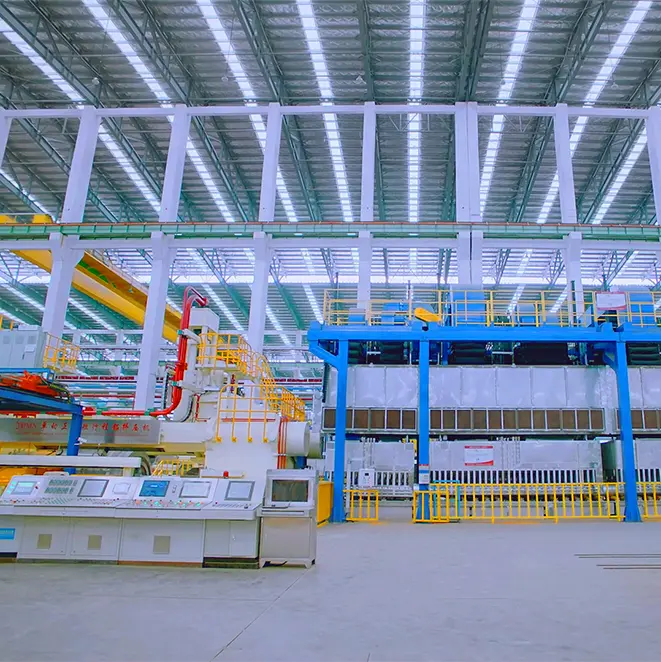
Using extrusion lines ranging from 800T to 20,000T, we supply alloys in the 1xxx, 2xxx, 3xxx, 5xxx, 6xxx, and 7xxx series. We produce fully shaped profiles up to 1.2 meters wide or 28 meters long, reducing structural joints.

Professional Tech Team
Engineering Support Icon

15-Year Engineering R&D

Our engineering team averages 15 years of industry experience. We review structural blueprints, identify design challenges, and offer key insights to ensure your helipad project meets local building regulations.

China Factory Supply Chain Advantage for the Japanese Construction Market

For architectural engineering firms in Tokyo, Yokohama, and Osaka, sourcing components from overseas requires reliability, cost-efficiency, and strict quality control. Our Foshan factory combines high production efficiency with refined manufacturing standards, offering clear advantages for critical projects:

Advanced CNC Machining

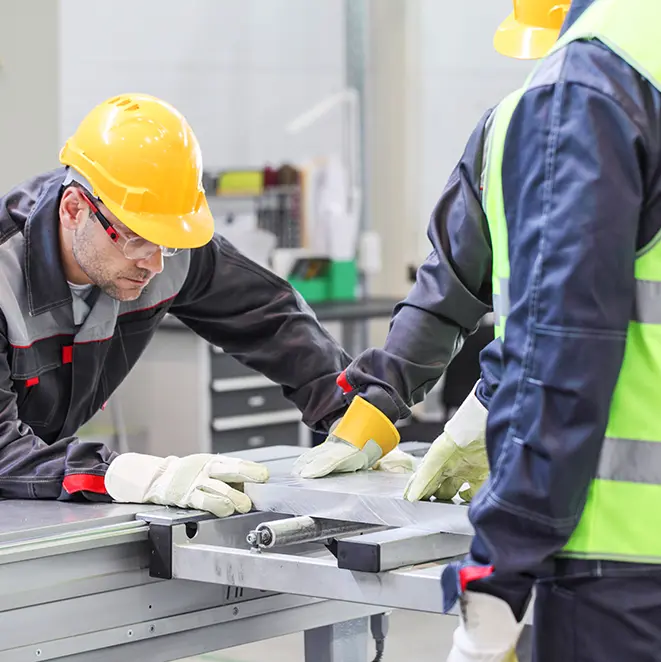
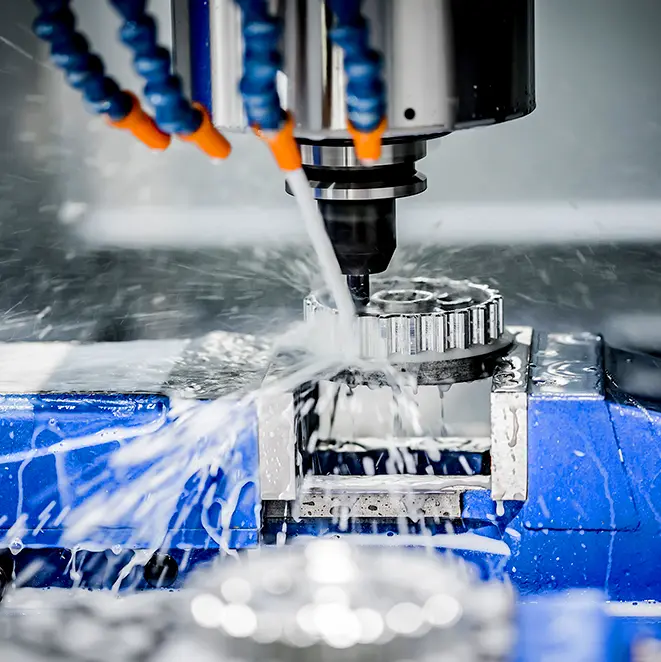
Extruded parts undergo precise cutting, milling, and drilling on multi-axis CNC machines to ensure exact dimensions, enabling quick onsite assembly in Tokyo.

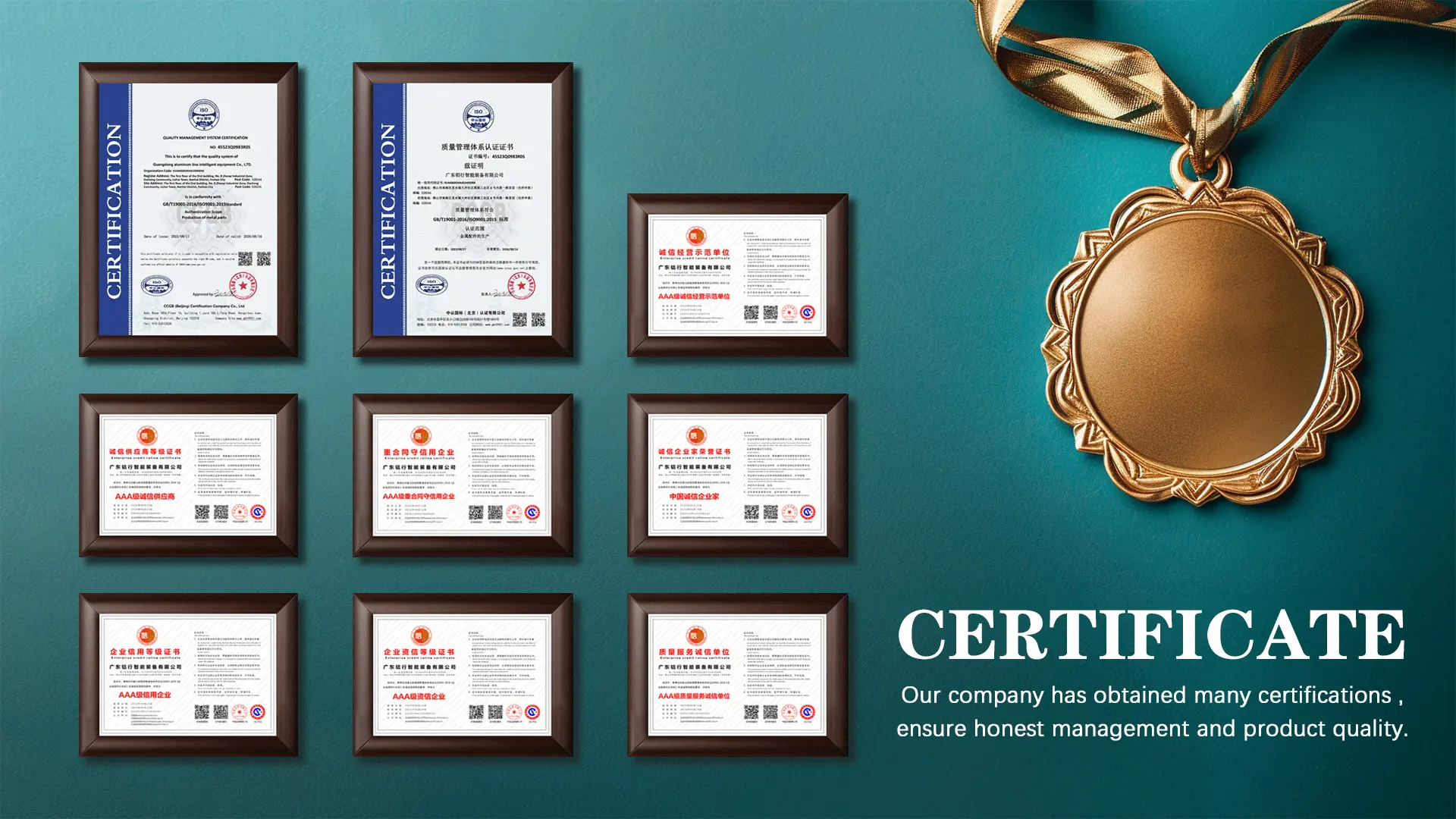
Rigorous Quality Assurance

Our processes comply with GB/T19001-2016/ISO9001:2015 standards. Every delivery batch includes material test reports, dimensional inspection certificates, and chemical analysis profiles.
Optimized Logistics to Japan

Located near Guangzhou and Shenzhen ports, we ship directly to Tokyo port, ensuring reliable logistics and meeting tight commercial construction timelines.

Our production capacity handles large-scale project requirements, keeping construction timelines on track. We pre-assemble panels at our facility to verify tolerances before shipping, minimizing structural issues at the job site.

Helipad Aluminum Profiles: Frequently Asked Questions

Why are aluminum profiles preferred over concrete for Tokyo rooftop helipads?

Tokyo's high seismic activity requires reducing the dead load at the top of tall buildings. Aluminum structures are up to 70% lighter than concrete alternatives. This weight reduction lowers seismic forces on the building frame, simplifies foundation requirements, and speeds up installation.

What structural design codes do your aluminum helipads comply with?

Our structural designs are engineered to align with local codes such as the Japan Building Standards Act and MLIT rules, alongside international aviation standards like ICAO Annex 14, FAA Advisory Circulars, and CAP 437 guidelines. This ensures structural safety for offshore platforms and high-rise commercial structures.

How does your factory ensure the mechanical integrity of the raw materials?

We source raw aluminum exclusively from premium suppliers, using pure Fenglu aluminum. We verify mechanical properties, including tensile strength, yield strength, and elongation, for every batch. The production process is certified under GB/T19001-2016 and ISO9001:2015 standards, ensuring consistent quality.

Can you custom-extrude profiles for specific projects in Tokyo?

Yes. Our extrusion presses, ranging from 800T to 20,000T, allow us to manufacture custom profile cross-sections up to 1.2 meters wide and up to 28 meters long. This capability minimizes structural joints, improving load-bearing performance and reducing installation time.

What surface treatments are available for coastal and marine environments?

For areas exposed to coastal marine air, like Tokyo Bay, we recommend Class 2 anodizing (minimum 20-25 microns film thickness) or premium PVDF coatings. These treatments provide excellent resistance to salt spray and corrosion, ensuring long-term structural integrity.

What is the typical delivery timeframe from your China factory to Tokyo?

The total timeframe typically ranges from 30 to 45 days. This includes 20 to 30 days for extrusion and CNC fabrication, followed by 7 to 10 days for direct sea freight transport from South China ports to the Port of Tokyo.

Explore Our Full Range of Helideck Components & Extruded Systems

Engineering-grade structural profiles and support products for civil aviation and industrial projects in Tokyo

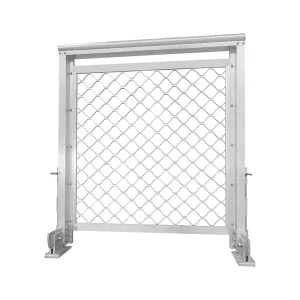
Helideck Perimeter Safety Wire Mesh System

Helideck Perimeter Safety Wire Mesh System

Corrosion-resistant containment safety mesh designed for high-rise rooftop perimeters.

Request Quote
Tokyo Transit & Helideck Accessory Rail Solutions

Tokyo Transit & Helideck Accessory Rail Solutions

Structural aluminum profiles for access gangways and transit guides.

Request Quote
High-Thermal Dissipation Deck Sub-Structure Heat Sink Profiles

High-Thermal Dissipation Deck Sub-Structure Heat Sink Profiles

Thermally optimized heavy-duty extrusions for structural sub-decks.

Request Quote
Heavy Load-Bearing Structural Helipad Extrusions

Heavy Load-Bearing Structural Helipad Extrusions

Engineered structural deck profiles for heavy helicopter landing projects.

Request Quote
CE Certified Marine-Grade Helideck Safety Net System

CE Certified Marine-Grade Helideck Safety Net System

Manual containment safety systems designed for vessel and rooftop edges.

Request Quote
Rapid-Deploy Rescue Helicopter Landing Deck Profiles

Rapid-Deploy Rescue Helicopter Landing Deck Profiles

Modular emergency landing deck profiles designed for quick onsite assembly.

Request Quote
Interlocking Square Helipad Aluminum Grid Decking

Interlocking Square Helipad Aluminum Grid Decking

Pre-fabricated grid panels for light-duty commercial aircraft applications.

Request Quote
Aerospace Alloy Helideck Framing Solutions

Aerospace Alloy Helideck Framing Solutions

High-strength alloy support beams and substructures for elevated helipads.

Request Quote

Ready to Secure Your Supply Chain for Tokyo Projects?

Get in touch with our technical sales team for comprehensive structural calculations, alloy material certification, and detailed budget estimates for the Tokyo metropolitan area.

Send Inquiry Now Request Material Sample