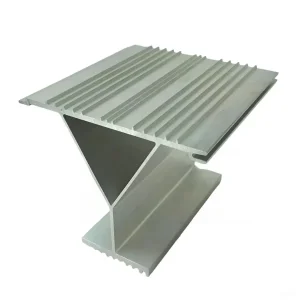
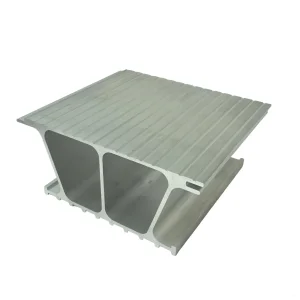
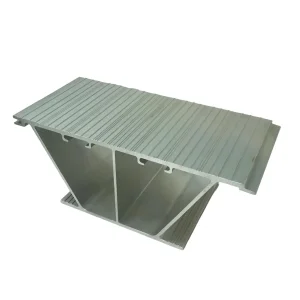
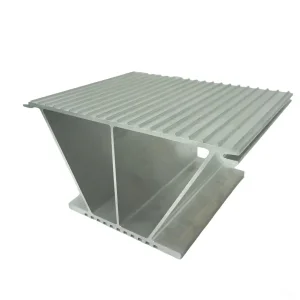
Engineered to satisfy demanding ICAO Annex 14 requirements, optimized for Caspian marine environments and seismic-active urban installations in Baku.
A comprehensive analysis of structural demand, meteorological challenges, and strategic material choices in the Caspian transport corridor.
Azerbaijan, strategically situated at the crossroads of Eastern Europe and Western Asia, has emerged as the premier logistics, industrial, and energy center of the Caspian region. Driven by large-scale offshore oil and gas developments in the Caspian Sea (such as the Shah Deniz and Azeri-Chirag-Gunashli fields) and the development of the Middle Corridor (Trans-Caspian International Transport Route), the need for high-performance aviation infrastructure is rising rapidly.
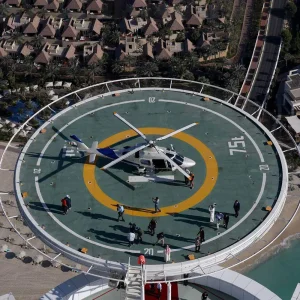
Offshore oil platforms, marine support vessels, and high-altitude security facilities throughout Azerbaijan require state-of-the-art landing decks. Helicopter marine operations in the Caspian Sea are subject to extreme atmospheric demands, including high relative humidity, high wind loads, and intense salinity. In these challenging situations, traditional steel or concrete helidecks fail due to severe corrosion and high dead loads, making lightweight, structural aluminum profiles the preferred engineering choice.
The transition from structural steel and reinforced concrete to high-tensile aluminum alloy profiles for modern helipads is driven by rigorous material science and mechanical benefits:
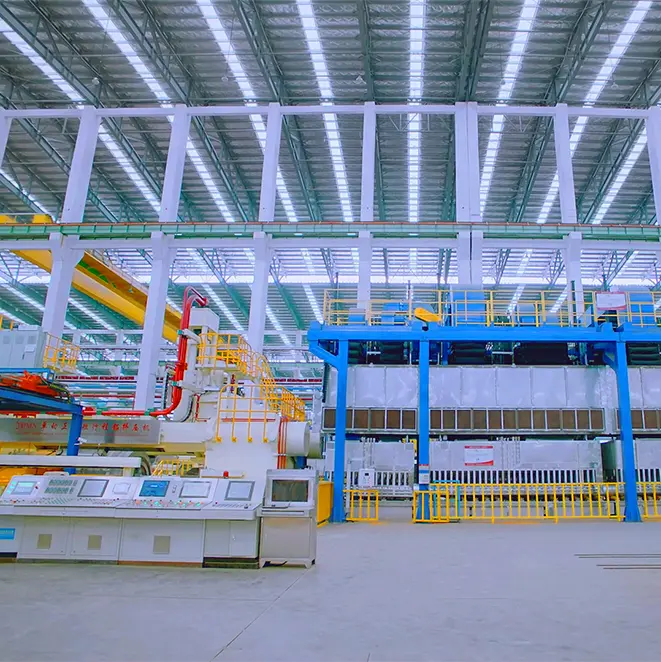
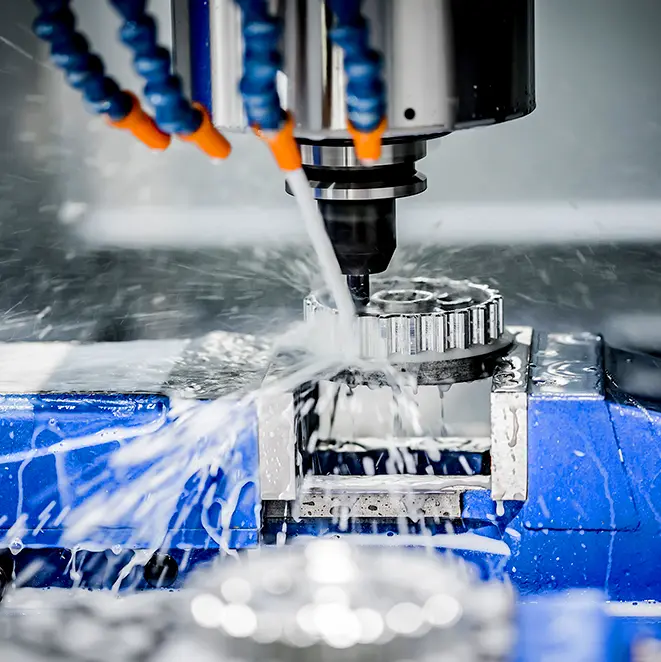
Established in 2015 and located in Foshan City, Guangdong, LvXing Intelligent Equipment Co., Ltd. boasts a skilled R&D team with extensive experience. We leverage exceptional technical expertise to effectively transform customers' ideas into reality, consistently meeting their precise requirements.
We utilize premium Fenglu aluminum, offering a diverse range of profiles for flexible applications. Our extrusion lines, ranging from 800T to 20,000T, accommodate alloys 1xxx, 2xxx, 3xxx, 5xxx, 6xxx, and 7xxx, allowing us to produce shaped products with section dimensions up to 1.2 meters in width and 28 meters in length. These products are recognized for their precision and meticulous processing, finding broad application in aerospace, military, medical, and industrial sectors.
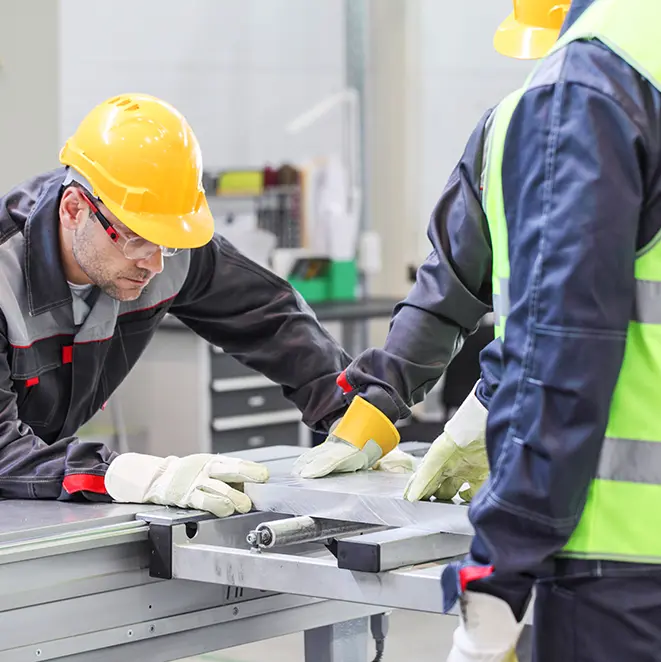
Our commitment to excellence is evident throughout the manufacturing process, rigorous quality control, thorough packaging, and efficient shipping procedures. This dedication has earned us recognition as a national excellent and honest enterprise, along with quality system certification in accordance with GB/T19001-2016/ISO9001:2015 standards.
Visit Our Factory Virtually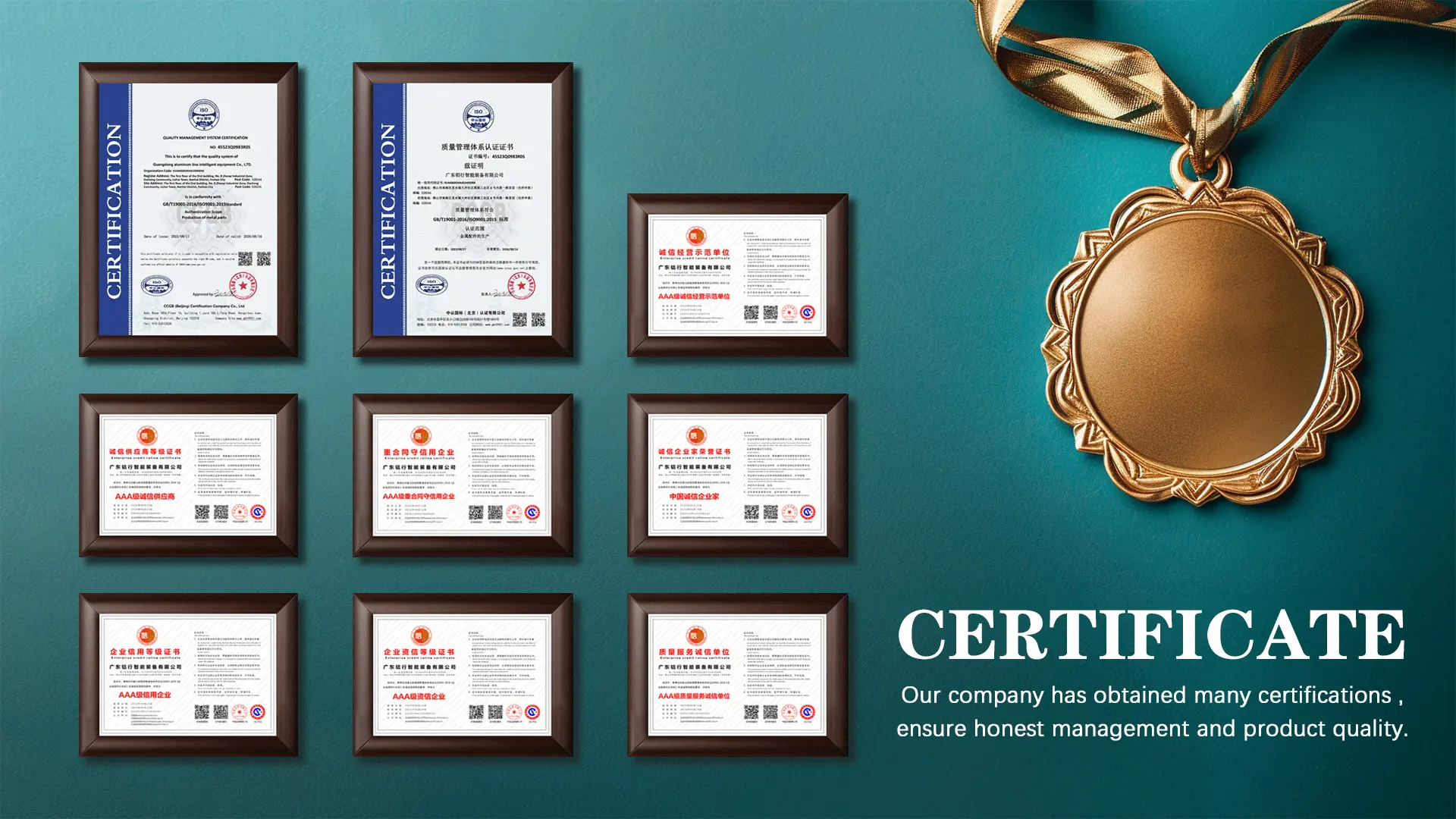
Providing high-precision engineering metrics required by Azerbaijani design institutes for regional compliance approvals.
| Technical Characteristic | Specification Details / Values | Compliance / Standard |
|---|---|---|
| Alloy Grades | 6082-T6, 6061-T6, 6005A-T6 (Marine-grade alloys) | EN 573-3, ASTM B221 |
| Max Extrusion Press Force | From 800 Tons up to 20,000 Tons capacity | ISO 9001:2015 Standard |
| Maximum Section Width | Up to 1,200 mm (1.2 meters) continuous width | GB/T 14846-2014 Precision Limits |
| Maximum Extrusion Length | Up to 28,000 mm (28 meters) single piece | Allows weld-free span implementation |
| Yield Strength (Rp0.2) | ≥ 260 MPa (for 6082-T6) | EN 755-2 Structural Compliance |
| Ultimate Tensile Strength | ≥ 310 MPa (for 6082-T6) | Aviation and Offshore Safety Standard |
| Surface Protection Option | Anodized (15-25 microns), PVDF Coating, or Polyester Powder Coated | AAMA 2605, Qualicoat Class 2 |
How LvXing aligns state-of-the-art smart manufacturing with rapid logistics corridors to provide cost-effective engineering solutions directly to Baku.
By leveraging Chinese manufacturing scale and technology, including extrusion capacities up to 20,000T, we can extrude wide-section, thin-walled, high-strength hollow profiles. This eliminates the need for multi-plate welding, reducing manufacturing costs and improving structural reliability.
We work with Fenglu Aluminum, using highly controlled chemical compositions to guarantee material integrity. Our raw billets undergo ultrasonic flaw detection to ensure structural safety, conforming to international standards like ISO9001:2015.
Located in Foshan, Guangdong, our factory utilizes the direct railway connections of the Middle Corridor. Shipments reach the Baku Port at Alat via Central Asia in 15–22 days, providing a reliable alternative to traditional maritime shipping.
Exploring actual installation scenarios where structural aluminum profiles resolve specific geographical and functional challenges.
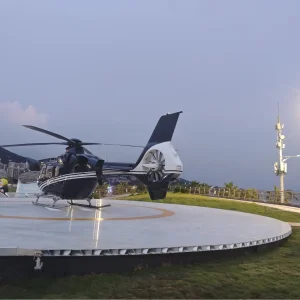
For offshore energy installations in areas like the Shah Deniz gas field, helipads must withstand saline sea spray and severe weather. Steel decks require frequent, expensive maintenance and sandblasting to prevent corrosion. In contrast, our 6082-T6 aluminum helideck system offers durable corrosion resistance and reduces topside weight, improving vessel stability.
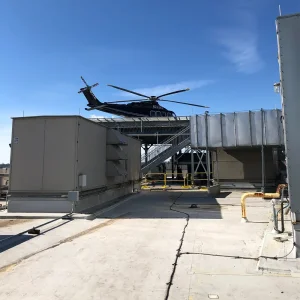
For military, search-and-rescue, and border monitoring stations in high-altitude regions, transporting heavy construction materials like concrete is difficult. Extruded aluminum profiles can be broken down into modular packages, flown in by utility helicopters, and assembled on-site with basic tools, simplifying installation in remote areas.
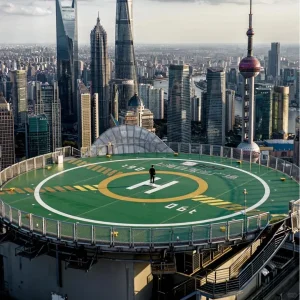
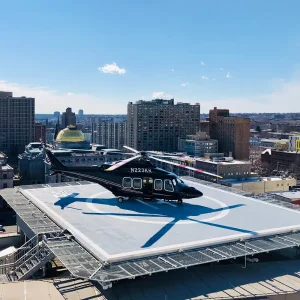
Modern architectural icons in Baku require structural helipads for VIP transit and fire evacuation. Building helipads on high-rises presents engineering challenges related to seismic design and wind loads. Lightweight aluminum profiles transfer less seismic force to the core building structure than concrete, helping developers meet strict local building codes.
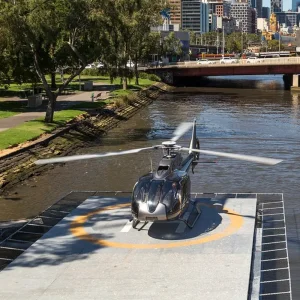
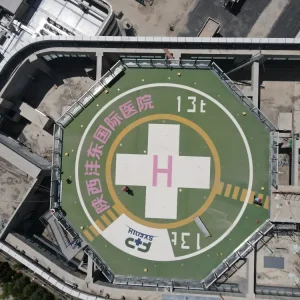
For trauma centers in Baku, saving time is critical. Roof-mounted aluminum helipads feature integrated fire suppression systems (DIFFS), non-slip surface patterns, and anti-glare finishes. These features help ensure safe landings for emergency medical services (EMS) in all weather conditions.
Combining strict certification, premium raw materials, and decades of manufacturing experience.

We have obtained the "Special Aluminium Materials for Aerospace" Certificate, confirming our ability to meet high-level quality demands.

We utilize high-quality Fenglu profiles. With extrusion lines from 800T to 20,000T, we produce alloys in the 1xxx to 7xxx series, up to 1.2m wide or 28m long.

Our technicians bring 15 years of industry experience to every project. We help identify potential issues early and refine designs to meet your exact project specifications.
Explore our complete range of structural profiles, safety netting, and architectural landing configurations for Azerbaijani projects.
Key information regarding structural regulations, logistics options, and installation parameters for helipad projects in Azerbaijan.
 LvXing