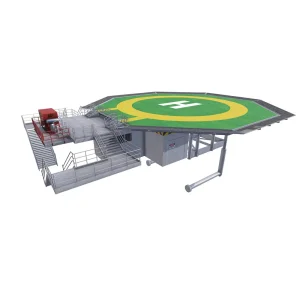
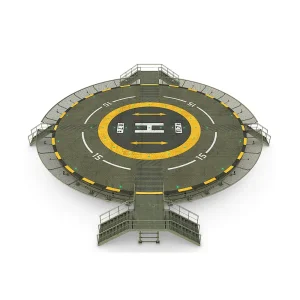
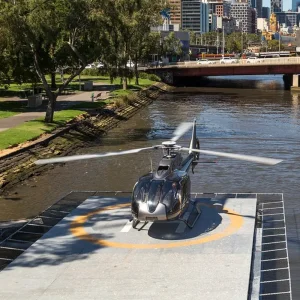
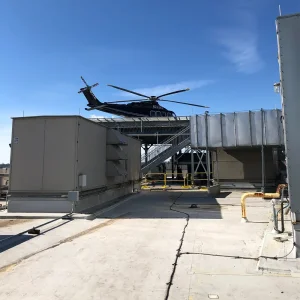
Premium grade structural components engineered to perform under extreme desert heat and high-salinity coastal conditions in KSA.
Established in 2015 and located in Foshan City, Guangdong, LvXing Intelligent Equipment Co., Ltd. boasts a skilled R&D team with extensive experience. We leverage exceptional technical expertise to effectively transform customers' ideas into reality, consistently meeting their precise requirements.
We utilize premium Fenglu aluminum, offering a diverse range of profiles for flexible applications. Our extrusion lines, ranging from 800T to 20,000T, accommodate alloys 1xxx, 2xxx, 3xxx, 5xxx, 6xxx, and 7xxx, allowing us to produce shaped products with section dimensions up to 1.2 meters in width and 28 meters in length. These products are recognized for their precision and meticulous processing, finding broad application in aerospace, military, medical, and industrial sectors.
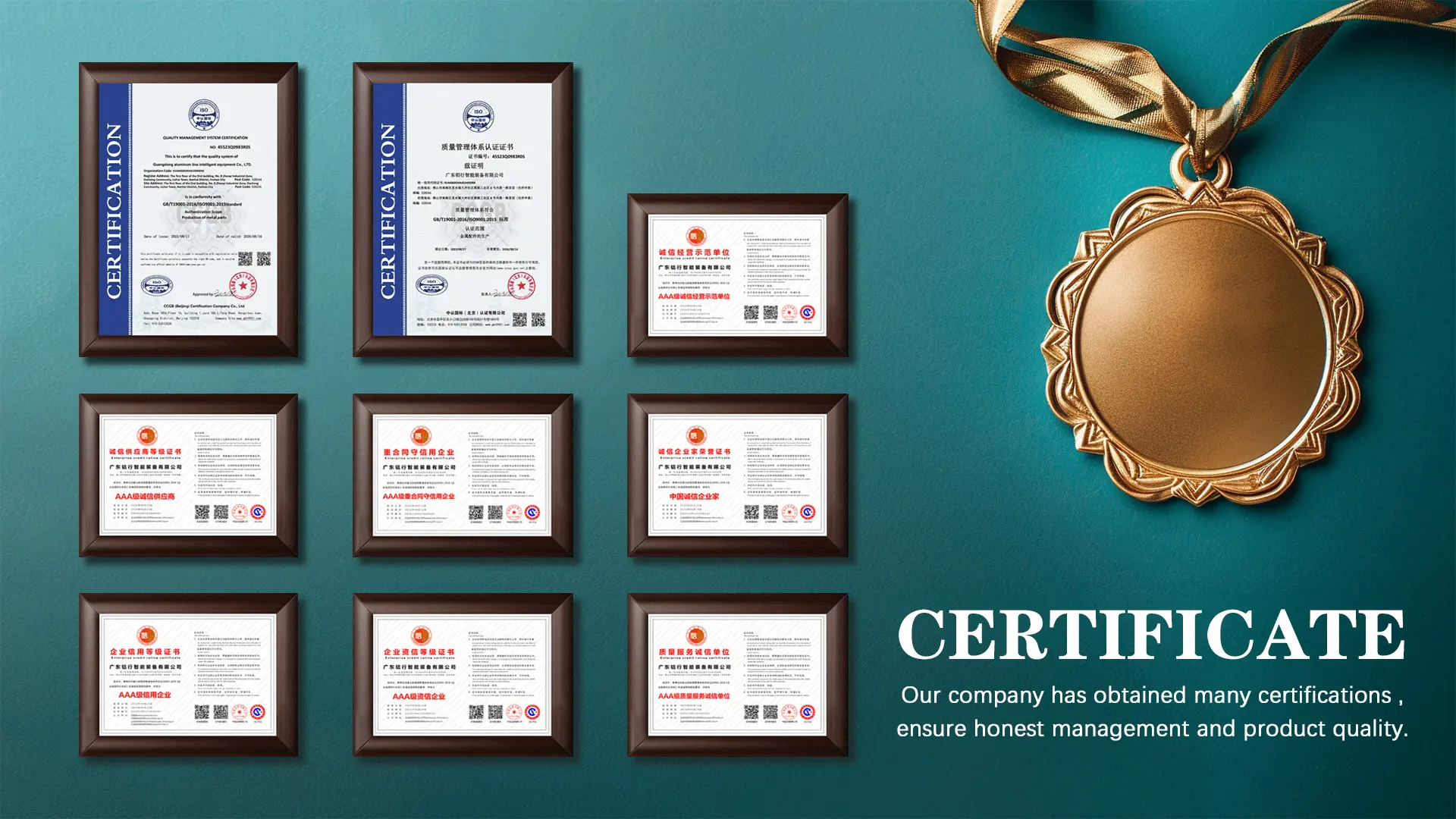
Our commitment to excellence is evident throughout the manufacturing process, rigorous quality control, thorough packaging, and efficient shipping procedures. This dedication has earned us recognition as a national excellent and honest enterprise, along with quality system certification in accordance with GB/T19001-2016/ISO9001:2015 standards.
We aspire to be your trusted business partner and warmly invite you to visit our factory.
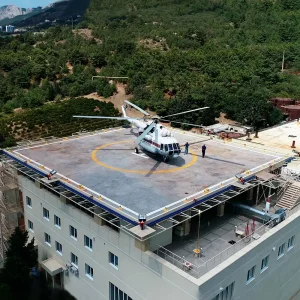
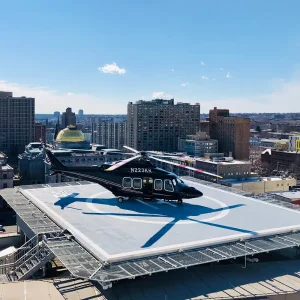
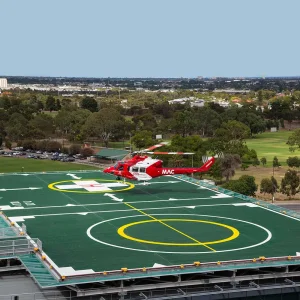
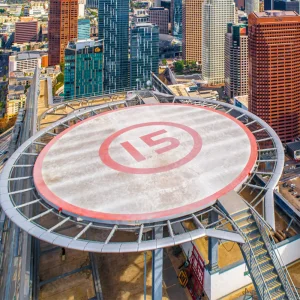
Saudi Arabia is executing a historic physical and industrial transformation catalyzed by the Saudi Vision 2030. From the visionary mega-city projects of NEOM (including the vertical development of The Line, the industrial floating hub of Oxagon, and the luxury mountain resort of Trojena) to the extensive tourism complexes along the Red Sea Project, emergency air mobility is an essential design component. Modern architecture in the Kingdom requires integrated, lightweight, and extremely durable vertical flight zones.
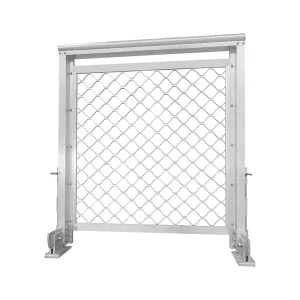
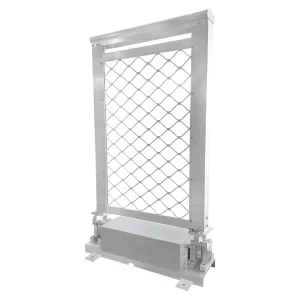
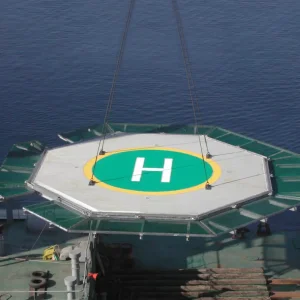
In addition to urban developments, Saudi Arabia's extensive oil and gas operations—led by Saudi Aramco—require state-of-the-art offshore helidecks. These landing zones are critical for personnel transit and emergency evacuations on offshore platforms and marine vessels. Operating in the harsh marine environment of the Arabian Gulf and the Red Sea demands materials that can resist extreme galvanic corrosion, high ambient humidity, and saline mist. As a result, the demand for highly precise extruded aluminum profiles, structural helidecks, and perimeter safety nets that conform to CAP 437 and ICAO Annex 14 has surged exponentially.
Aligning with structural guidelines for fast-paced construction timelines in NEOM, Riyadh, Dammam, and Jeddah.
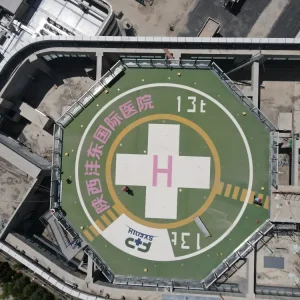
Engineered to meet the exact load-bearing requirements for medical evacuation helicopters operated by the Ministry of Health.
Designed for severe marine applications, preventing corrosion without demanding frequent maintenance routines.
In global structural design, the transition from traditional steel frame decks to lightweight high-strength 6000-series aluminum alloys (specifically 6082-T6, 6061-T6, and 6005A-T6) is well established. The material benefits are particularly apparent in the Arabian Peninsula, where environmental conditions are demanding.
Saudi Arabia regularly records daytime summer temperatures exceeding 50°C, followed by rapid desert cooling at night. These extreme temperature swings cause substantial thermal expansion and contraction in large steel and concrete structures. If not properly managed, this thermal movement can cause cracking, joint failure, and structural fatigue. Our custom-extruded aluminum profiles feature built-in interlocking expansion joints that allow the deck to breathe. This design naturally accommodates thermal displacement without compromising the load-bearing capacity of the helideck.
The Red Sea coastline features some of the highest salinity levels in the world, combined with ambient humidity that accelerates oxidation. In these settings, untreated carbon steel degrades rapidly, requiring constant sandblasting and repainting. To address this, we use premium Fenglu aluminum to manufacture profiles with a natural oxide layer that resists corrosion. For marine environments, our profiles undergo specialized marine anodizing and PVDF coating. This protection prevents corrosion and ensures the structural integrity of the landing deck for up to 30 years without significant maintenance.
Leveraging state-of-the-art Chinese manufacturing facilities to produce helipad solutions tailored to Saudi Arabian specifications.
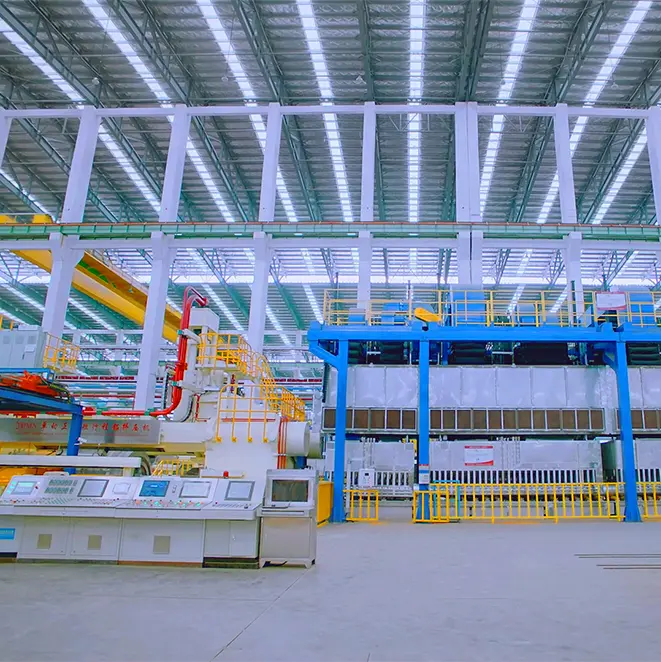

We have obtained the “Special Aluminium Materials for Aerospace” Certificate. This guarantees that all structural extrusions exported to the Middle East satisfy strict safety guidelines.
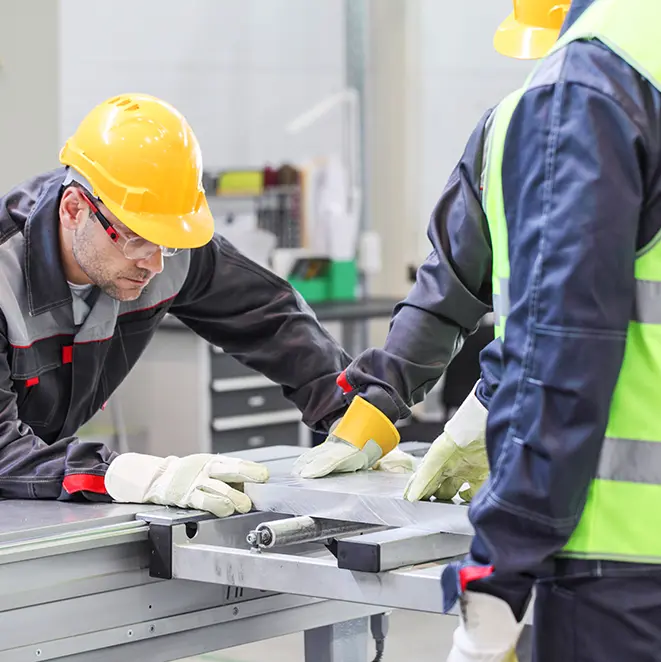

We provide and utilize high-quality Fenglu aluminum profiles. With extrusion lines ranging from 800T to 20,000T, we can produce alloys 1xxx, 2xxx, 3xxx, 5xxx, 6xxx, and 7xxx. We can manufacture fully shaped products with section dimensions up to 1.2 meters in width or 28 meters in length.
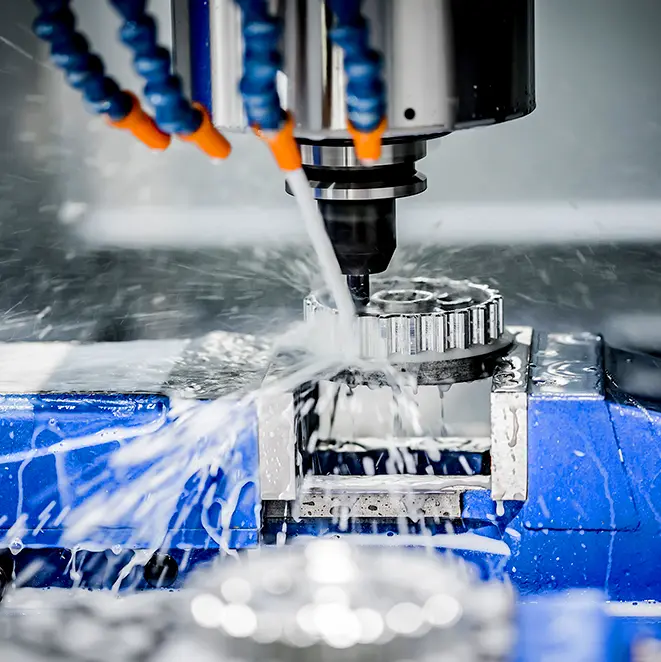

We have a team of technicians with 15 years of invaluable experience. Our deep understanding of customer requirements allows us to identify potential issues and offer practical insights, turning customer ideas into tangible products that meet specific needs.
Securing a reliable supply chain is critical for major developers in Riyadh, Jeddah, and Dammam. Standard steel construction and local metal fabrication can lead to bottlenecks, cost overruns, and delivery delays. Manufacturing your helipad system in China offers distinct structural and economic advantages:
Foshan is a leading global hub for aluminum extrusion. This allows us to rapidly source and process premium Fenglu billets, apply specialized surface treatments, and deliver completed kits efficiently.
Our facility handles the entire production line: extrusion, heat treatment, precise CNC drilling, and trial assemblies. This ensures that every component fits together seamlessly upon arrival at your job site in KSA.
We organize ocean transport from major southern Chinese ports directly to Dammam Port or Jeddah Islamic Port, managing customs clearance and shipping documentation to keep your project on schedule.
Explore our complete range of certified components. Click a product to review specifications, or request a quote for custom dimensions.
Our manufacturing workflow integrates precision engineering, rigorous testing, and customized shipping solutions to support projects across Saudi Arabia.
From raw billet extrusion using high-grade Fenglu feedstock to mechanical trial assemblies, we supervise every stage of production. This diligent quality control ensures that our aluminum decking boards, load-bearing frames, and stainless steel or aluminum perimeter safety nets arrive on site ready for fast, trouble-free installation.
When purchasing helipads and security netting systems for installations in Saudi Arabia, engineering teams and project managers must evaluate several technical criteria to ensure compliance, safety, and long-term performance:
Landing decks must meet international standards. For onshore installations, systems must comply with ICAO Annex 14 Vol II (Heliports). For offshore installations, compliance with CAP 437 (Standards for Offshore Helicopter Landing Areas) is essential. Perimeter safety nets must be at least 1.5 meters wide, drop no lower than the level of the landing area, and feature an upward slope of approximately 10 degrees to prevent personnel falls.
Ensure that structural components are fabricated using certified structural aluminum alloys. Alloys like 6082-T6 or 6061-T6 provide high yield strength and excellent resistance to localized pitting in marine and coastal areas.
Helipads must support the Maximum Take-Off Mass (MTOM) of the largest helicopter expected to use the facility, such as the AgustaWestland AW139, Sikorsky S-92, or Boeing CH-47 Chinook. Structural profiles must handle the dynamic landing impact forces, concentrated wheel loads, and extreme wind shear typical of the region.
The landing surface must have an slip-resistant texture to ensure safe traction under wet, dry, or sandy conditions. Integrated drainage systems are also required to quickly clear standing rainwater, fire suppression foam, or fuel spills.
Technical answers for structural engineers, project managers, and procurement coordinators in Saudi Arabia.
 LvXing