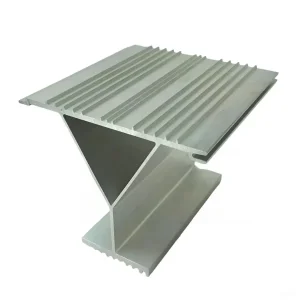
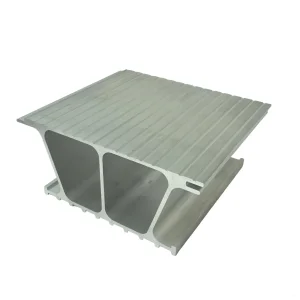
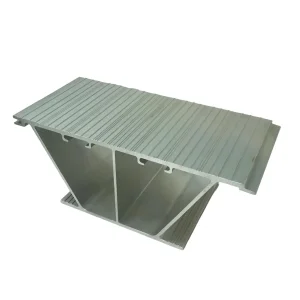
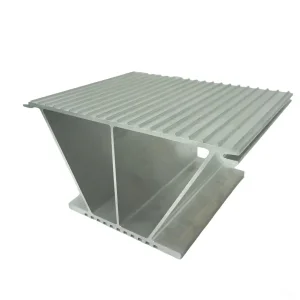
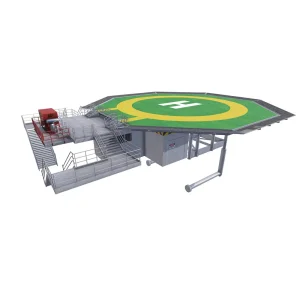
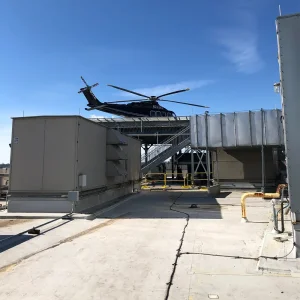
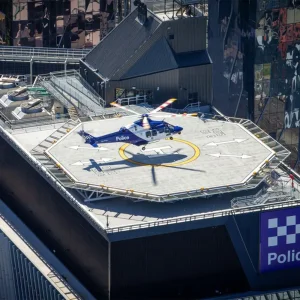
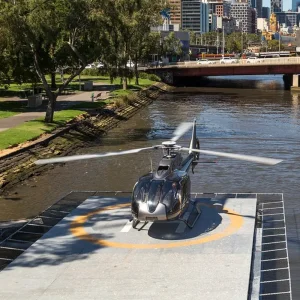
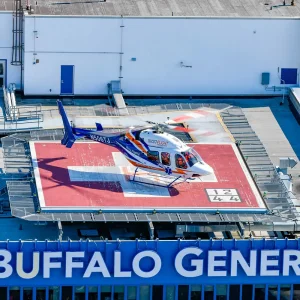
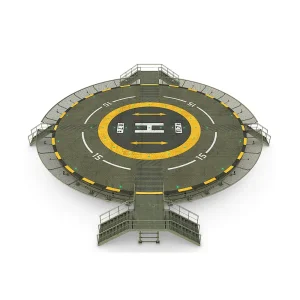
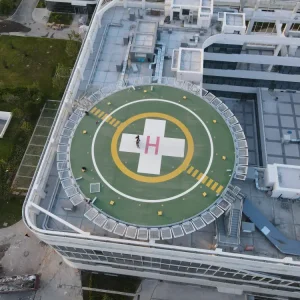
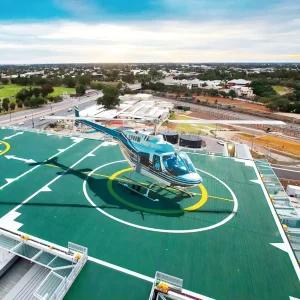
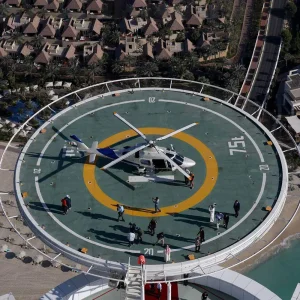
Engineered specifically to handle the geographical extremes of the Peruvian Andes and Coastal regions, ensuring rapid evacuation capabilities.
LVXING SPECIALIZES IN ALUMINUM SOLUTIONS. Established in 2015 and located in Foshan City, Guangdong, LvXing Intelligent Equipment Co., Ltd. boasts a skilled R&D team with extensive experience. We leverage exceptional technical expertise to effectively transform customers' ideas into reality, consistently meeting their precise requirements.
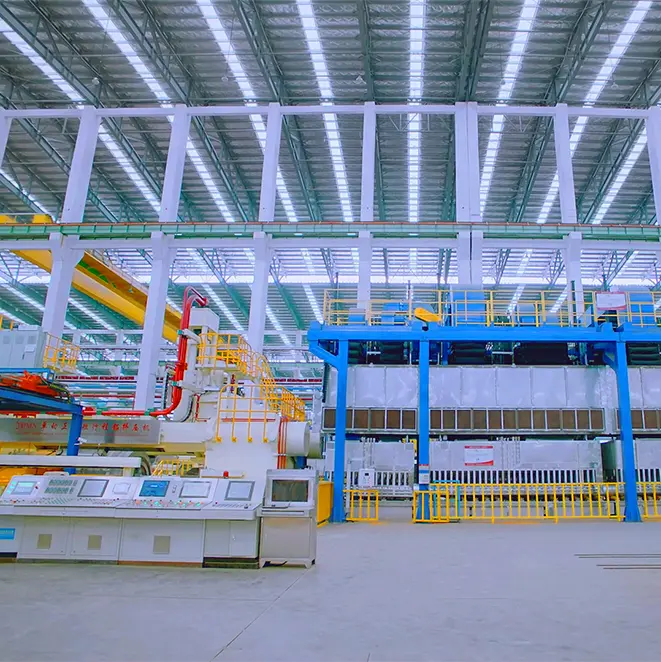
We utilize premium Fenglu aluminum, offering a diverse range of profiles for flexible applications. Our extrusion lines, ranging from 800T to 20,000T, accommodate alloys 1xxx, 2xxx, 3xxx, 5xxx, 6xxx, and 7xxx, allowing us to produce shaped products with section dimensions up to 1.2 meters in width and 28 meters in length. These products are recognized for their precision and meticulous processing, finding broad application in aerospace, military, medical, and industrial sectors.
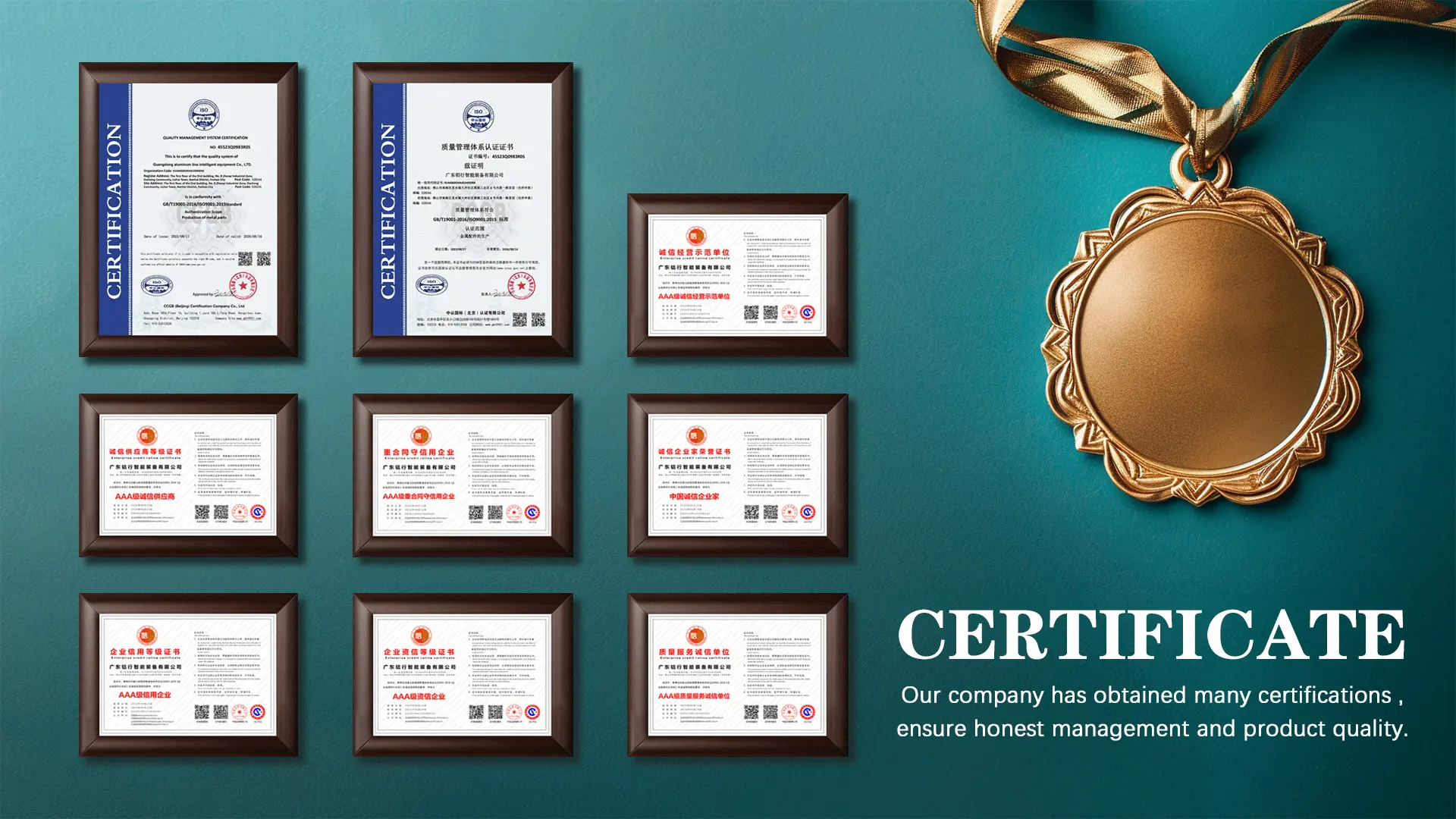
Our commitment to excellence is evident throughout the manufacturing process, rigorous quality control, thorough packaging, and efficient shipping procedures. This dedication has earned us recognition as a national excellent and honest enterprise, along with quality system certification in accordance with GB/T19001-2016/ISO9001:2015 standards. We aspire to be your trusted business partner and warmly invite you to visit our factory.
Peru's geographical landscape presents extraordinary challenges and opportunities for structural infrastructure. From the bustling coastal capital of Lima, prone to significant seismic activity, to the extreme elevations of the Andes mountains, where critical mining operations (such as Antamina, Las Bambas, and Cerro Verde) are located, transportation infrastructure is a matter of both operational efficiency and life safety.
In high-altitude mining hubs exceeding 4,000 meters above sea level, helicopter transit remains the primary method for critical emergency medical evacuations (Medevac) and key personnel transport. Traditional concrete landing pads fail prematurely in these environments due to the extreme freeze-thaw cycles, high UV exposure, and logistics difficulties of transporting wet concrete and reinforcing rebar to mountain peaks. Pre-engineered modular aluminum profiles represent the optimal solution, offering ease of assembly, high strength-to-weight ratio, and immediate operational readiness.
Furthermore, coastal infrastructure in maritime ports like Callao demands exceptional resistance to saltwater mist corrosion. Aluminum alloys 6005A-T6 and 6082-T6, when properly anodized or marine-coated, offer natural self-passivating oxide layers that drastically reduce maintenance overhead compared to structural steel, which rusts and requires continuous painting cycles.
According to the Peruvian national building code NTE E.030 (Diseño Sismorresistente), minimizing structural mass at the top of high-rise structures is essential to limit lateral seismic shear force. Hospital rooftops in Lima and commercial towers in San Isidro cannot afford the heavy dead load of a reinforced concrete helipad. Installing an all-aluminum structural helipad deck reduces the dead load by up to 70% compared to concrete. This reduction eliminates the need for expensive structural column reinforcements, dramatically lowering the overall engineering costs of structural projects.
For international EPCs (Engineering, Procurement, and Construction contractors) bidding on state infrastructure projects or mining developments in Peru, sourcing helideck components requires strict adherence to international safety standards, predictable logistics, and absolute quality assurance. Helipads are subject to extreme kinetic impacts and aerodynamic download gusts from heavy helicopters (such as the Mil Mi-17 heavy transports utilized by the Peruvian Armed Forces and private mining charters).
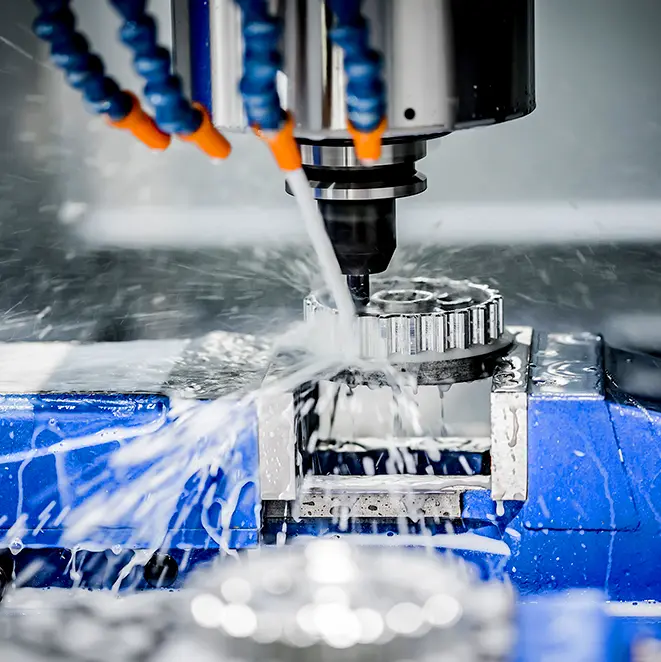
Lvxing’s engineering capability matches these criteria. By controlling the production flow from raw ingot alloy selection through our massive 20,000-ton extrusion press down to precision CNC fabrication, we ensure that every individual profile delivered to Peru complies with international criteria, including FAA Advisory Circular 150/5390-2C and ICAO Annex 14 Volume II.
Underpinned by aerospace-grade certifications and unmatched industrial extrusion capabilities.
We have obtained the exclusive “Special Aluminium Materials for Aerospace” Certificate. Our production line adheres to the most stringent grain structure and tensile strength requirements.

Utilizing high-grade Fenglu profiles backed by 800T to 20,000T extrusion forces. We manufacture alloys across 1xxx to 7xxx series up to 1.2m in profile section width and 28m in length.

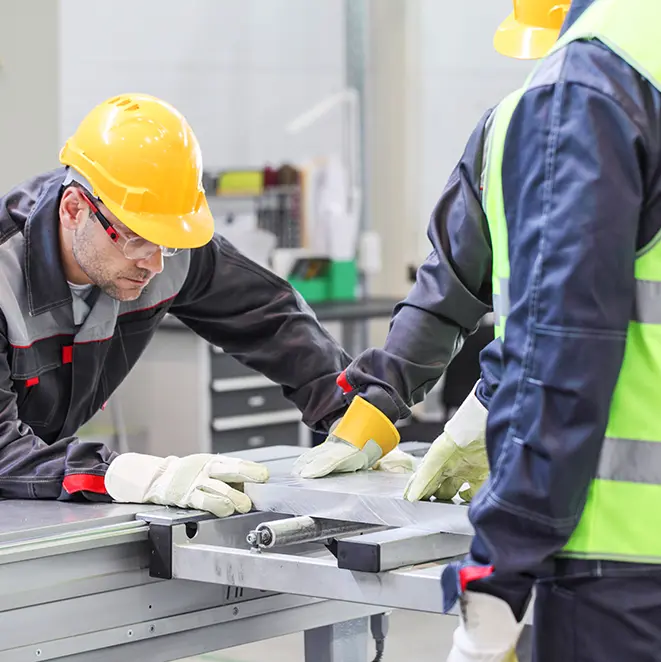
Our veteran engineering unit bridges the gap between raw concept and physical system assembly, preemptively modeling wind stress, deflection, and local seismic responses.

Navigating Peruvian regulatory clearances is critical to prevent site delays. Under the Dirección General de Aeronáutica Civil (DGAC), all public and private commercial heliports must undergo design approvals and structural certifications. Our design documents are formatted to integrate seamlessly with the requirements of RAP 314 (Reglamentos Aeronáuticos del Perú) and international standards, ensuring your project passes licensing audits on the first attempt.
Furthermore, transporting oversized, heavy components up the winding highways of the Peruvian sierra presents a severe challenge. Traditional solid-cast platforms cannot navigate tight curves. Lvxing’s modular structural profile segments are packed and crated in high-density, containerized bundles designed specifically for container shipping to the Port of Callao, followed by flatbed transport to remote interior sites like Cajamarca, Cusco, and Moquegua. Simple on-site assembly means local crews can install the decks using standard mechanical fasteners, without the need for certified onsite heavy-industry welders.
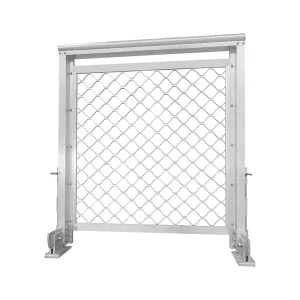
Explore our full line of safety nets, peripheral components, and customizable extruded profiles suitable for all classes of rotorcraft.
As unmanned aerial vehicles (UAVs), electric vertical takeoff and landing aircraft (eVTOL), and heavy regional medical copters advance, landing pad structures must evolve. Lvxing's technical roadmap outlines the future of helideck system production:
Reducing the carbon footprint of structural elements is a major goal for developers in Peru and South America. Lvxing is shifting our extrusion profiles toward sustainably sourced, low-carbon primary aluminum. This change allows projects to secure green building certifications like LEED while maintaining excellent yield strength and structural performance.
Modern Andean installations face sub-zero temperatures that cause surface ice buildup, creating hazards for operations. Our upcoming product line features integrated thermal heating ducts directly within the interlocking extruded profiles, keeping the landing zone clear of ice without the need for manual chemical de-icing.
For isolated mining sites, real-time feedback is crucial. We are integrating digital strain-gauge slots into our heavy-duty profiles. These sensors continuously monitor the deck's structural health, tracking deflections and stresses under heavy landings to optimize preventative maintenance schedules.
Technical clarifications on sourcing, customization, and deployment in the Peru market.
Leverage our aerospace-certified manufacturing capabilities, massive extrusion capacity, and extensive engineering experience. Contact our technical team today to request a quote or customized profile drawings.
 LvXing