Engineered to satisfy European aviation requirements, featuring robust anti-corrosion properties and optimized load-bearing capabilities.
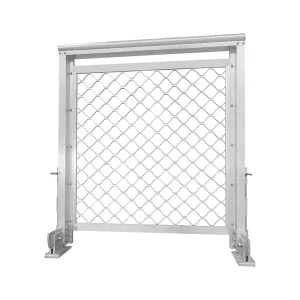
Manual-folding structural support frames designed for offshore vessels and container ships operating in the North Sea.
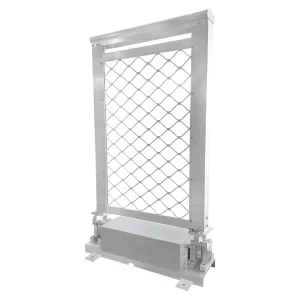
Automated actuators coupled with structural aluminum frames, customized for heavy weather landing environments.
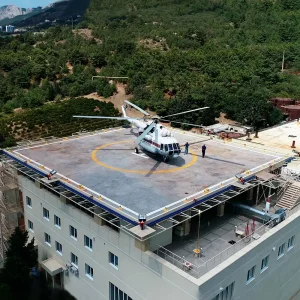
Modular interlocking structural panels. High dimensional stability, built for rapid roof-top assembly in municipal zones.
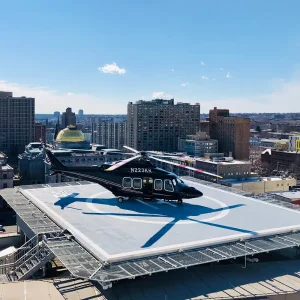
Designed to tolerate dynamic landing impacts of civilian and defense aircraft under EN 1999 structural codes.
Germany represents one of the most demanding engineering landscapes globally. Infrastructure projects are governed by stringent regulatory frameworks, including the European Union Aviation Safety Agency (EASA) guidelines, German LBA (Luftfahrt-Bundesamt) requirements, and Eurocode 9 (DIN EN 1999) for aluminum structure design. Whether designing rooftop helipads for emergency medical services (EMS) in Bavaria or offshore wind farm substations in the Baltic Sea, compliance and material durability are non-negotiable.
Aluminum profiles used for helidecks must withstand high dynamic load factors (DLF). Our manufacturing processes strictly conform to EN 1090-3 (Execution of steel structures and aluminium structures - Part 3: Technical requirements for aluminium structures). This ensures that every extrusion profile leaving our facilities possesses the structural integrity required to bear localized impact pressures from helicopter landings, such as those of the Airbus H145 commonly used by ADAC Luftrettung.
Max Extrusion Capacity
Structural Compliance
Maximum Section Profile Width
CE Certified Safety Nets
Delivering heavy-duty aluminum solutions for high-performance aviation infrastructure across maritime, urban, and industrial sectors.
Offshore wind farms and oil & gas installations in the North Sea operate under extreme marine conditions. Our marine-grade aluminum profiles (principally 6000 and 5000 series alloys) offer exceptional resistance to chloride-induced corrosion, ensuring a maintenance-free lifespan exceeding 25 years.
Medical emergency helipads on German hospitals demand lightweight construction to minimize rooftop load burdens on aged masonry. The structural lightweight nature of our aluminum extrusions provides structural stability while allowing integrated snow-melting and active drainage networks.
Customized deck profile configurations with integrated safety netting conforming to CAP 437 standards. These systems offer quick assembly, high stiffness-to-weight ratios, and reliable energy-absorbing features for defense and luxury vessels alike.
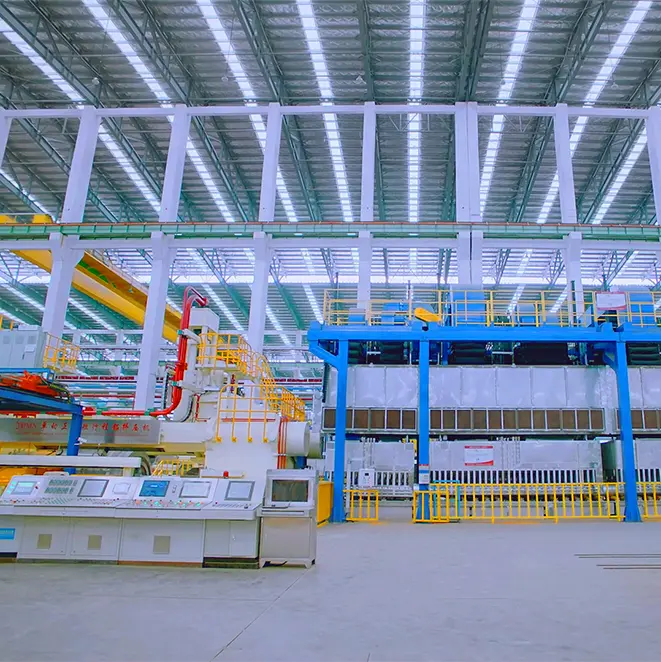
Established in 2015 and located in Foshan City, Guangdong, LvXing Intelligent Equipment Co., Ltd. boasts a highly skilled R&D team with extensive experience. We leverage exceptional technical expertise to effectively transform our customers' architectural and structural ideas into physical reality, consistently meeting precise European parameters.
We exclusively utilize premium Fenglu Aluminum raw materials, offering a diverse and highly resilient range of profiles for flexible structural applications. Our state-of-the-art extrusion lines, ranging from 800T to 20,000T, comfortably accommodate high-performance alloys including 1xxx, 2xxx, 3xxx, 5xxx, 6xxx, and 7xxx. This machinery allows us to produce shaped profiles with section dimensions reaching up to 1.2 meters in width and 28 meters in continuous length.
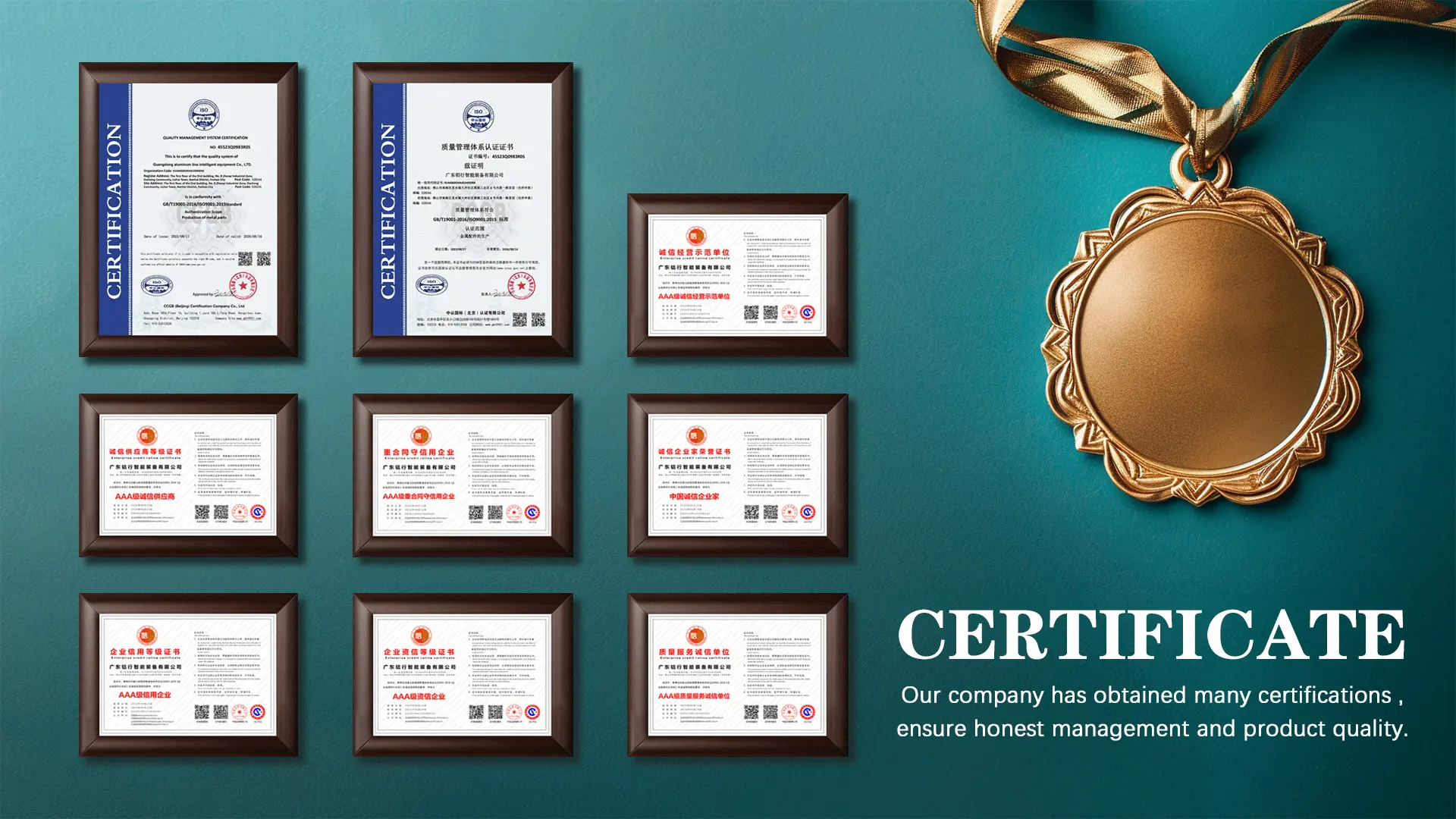
These products are globally recognized for their close tolerances and meticulous surface processing, finding broad application in aerospace, military, medical, and high-performance industrial sectors. Our commitment to manufacturing excellence is evident across our quality control protocols, rigid packaging, and shipping systems. We are fully certified to GB/T19001-2016/ISO9001:2015 standards.
Why Tier-1 European Engineering Procurement Teams Partner with Lvxing for Aviation Infrastructure.

We have obtained the prestigious “Special Aluminium Materials for Aerospace” Certificate. Our aluminum solutions conform to the rigorous structural profiles required in aircraft construction.
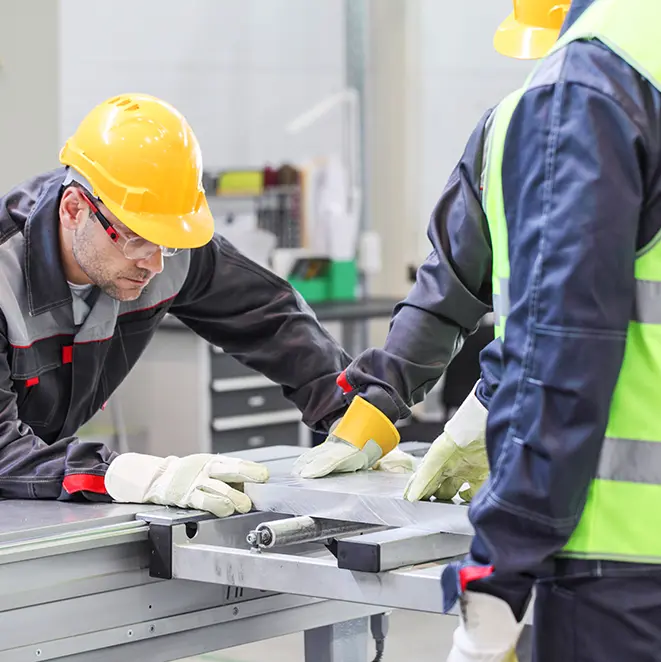

Utilizing premier Fenglu aluminum. With extrusion systems ranging from 800T to 20,000T, we supply alloys 1xxx through 7xxx, up to 1.2m section width and 28m length.
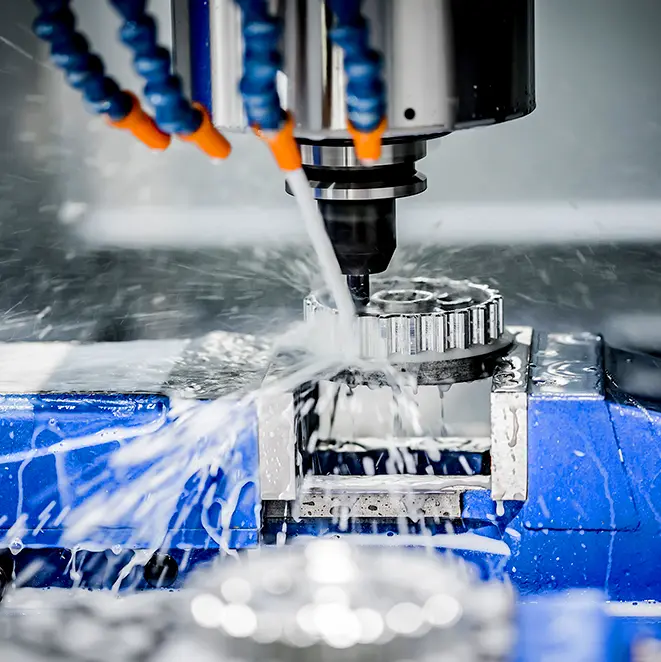

Our engineering team has 15 years of technical experience. We identify structural friction points, provide optimized calculations, and produce tailored extrusions to fit specific site conditions.
Customizing aviation structures to thrive under specific local climate conditions and structural code mandates.
Designed for fast deployment on hospital roofs in Munich, Stuttgart, and Berlin. Integrates under-deck radiant heating elements to prevent ice accumulation during cold continental winters, securing reliable air ambulance response times.
Offshore wind farms require corrosion-proof structural systems. Our heavy-anodized or powder-coated 6082-T6 aluminum profiles tolerate constant marine mist, preventing structural failure without requiring regular surface maintenance.
Designed for the skyscrapers of Frankfurt. Combines structural damping profiles that minimize vibration transmission into the building's main framework, alongside integrated drainage channels for runoff aviation fuel control.
Our technical capabilities enable the design of structural helideck profiles that exceed standard industry expectations.
| Alloy / Temper | Tensile Strength (Rm) | Yield Strength (Rp0.2) | Elongation (A50mm) | Typical Applications |
|---|---|---|---|---|
| 6082-T6 | ≥ 310 MPa | ≥ 260 MPa | ≥ 10% | Main structural load-bearing frame beams, offshore decking. |
| 6061-T6 | ≥ 290 MPa | ≥ 240 MPa | ≥ 9% | Secondary framing and interlocking deck planking modules. |
| 6005A-T6 | ≥ 270 MPa | ≥ 225 MPa | ≥ 8% | Intricate hollow thin-wall profiles, safety net hinge joints. |
| 5083-H111 | ≥ 275 MPa | ≥ 125 MPa | ≥ 12% | Marine-grade support plates and harsh maritime applications. |
Crucial information regarding compliance, design parameters, and profile fabrication options.
Helipads in Germany must comply with LBA regulations, EASA Annex V (SPA.HEMS.115), and DIN EN 1999 (Eurocode 9) for structural aluminum design. For maritime installations, CAP 437 guidelines are typically enforced to satisfy international marine safety audits.
Aluminum exhibits a superior strength-to-weight ratio, reducing structural roof loads by up to 60% compared to traditional steel. It also possesses inherent corrosion resistance and allows for the easy integration of internal heating loops and fast-acting drainage channels.
According to CAP 437 and EN safety norms, perimeter safety nets must survive a rigorous drop test (typically absorbing a minimum impact energy of 2.3 kJ, equivalent to a 200kg test body dropped from 1 meter) to verify they can securely catch personnel without tearing.
Yes. With our extrusion lines ranging up to 20,000T, we can extrude custom profiles up to 1.2m wide and 28m long. We work directly from engineering CAD files to achieve precise structural requirements.
All items are manufactured to high industrial tolerances, ensuring compliance and compatibility with global aviation safety networks.
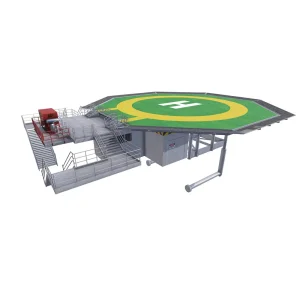
Corrosion-resistant modular frame panels designed for rapid fastening to structural aluminum helidecks.
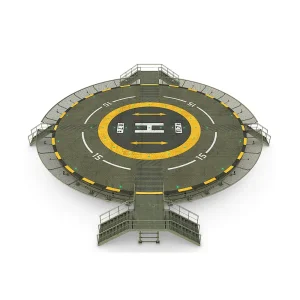
Manufactured from marine-grade alloys, providing an optimal balance of structural strength and flexibility.
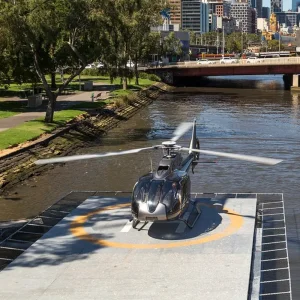
Engineered to satisfy boundary load capture specifications for high-wind rooftop installations.
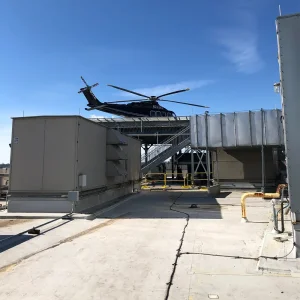
Fully pre-engineered modular packages, matching specific layout dimensions and structural load targets.
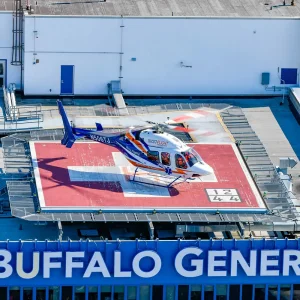
Optimized for dynamic landing requirements of critical air ambulance fleets (ADAC/DRF).
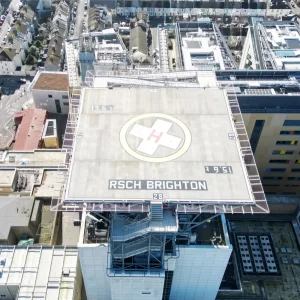
Features quick-drain slip-resistant profiles and integrated structural support connections.
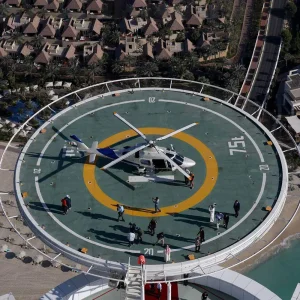
Engineered to blend with modern architectural layouts while satisfying fire safety and structural standards.
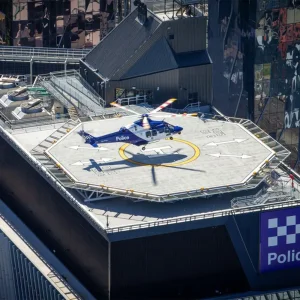
Reinforced structural profiles designed to support rapid-response multi-mission police helicopters.
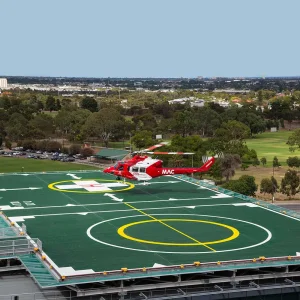
Designed for high static loads and prepared for future eVTOL transit infrastructure.
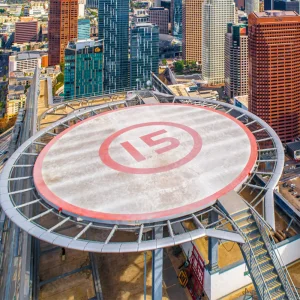
Precision curved configurations designed to integrate with high-end architectural aesthetics.
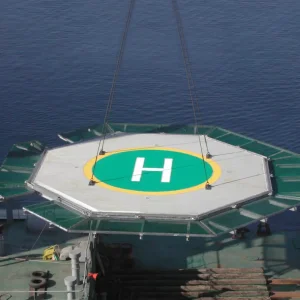
Resistant to salt-spray and heavy dynamic loads, optimized for offshore marine installations.
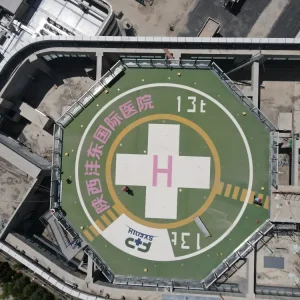
Tailored to meet the strict regulatory guidelines for urban medical transport centers.
Contact our technical engineering team for structural calculations, alloy certificates, and detailed design consultations matching European aviation requirements.
Send Inquiry Now LvXing