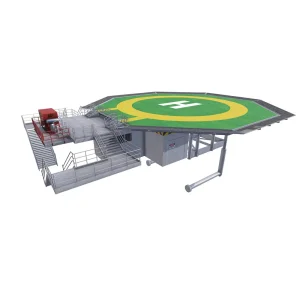
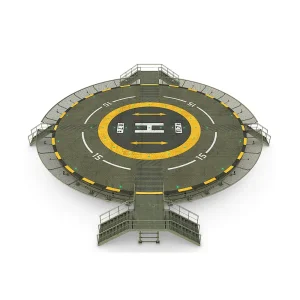
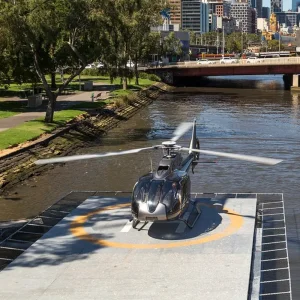
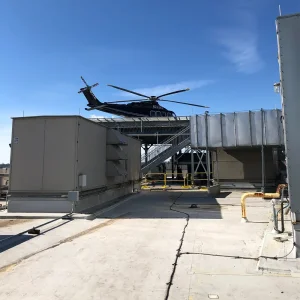
High-durability structures engineered for architectural projects and emergency services throughout the Moscow metropolitan region.
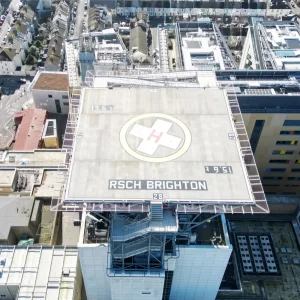
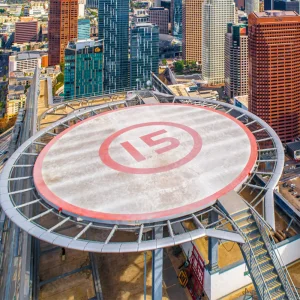
The city of Moscow is experiencing rapid expansion in civil aviation infrastructure, high-rise office towers, and specialized hospital facilities requiring rooftop heliports. Designing helipads for the Moscow market presents unique challenges. Engineering projects must withstand cold climates (often dropping below -30°C in winter), extreme snow loads, and wind shear forces at high altitudes (such as the Moscow-City financial center).
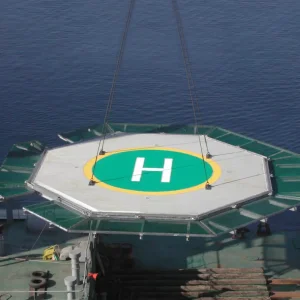
Aluminum profiles are replacing concrete and steel in structural helideck installations. By utilizing marine-grade structural alloys, architectural engineers achieve a 60% reduction in deadweight compared to traditional concrete installations. This reduction is vital for rooftop retrofits on older structures and skyscrapers where load capacities are strictly limited.
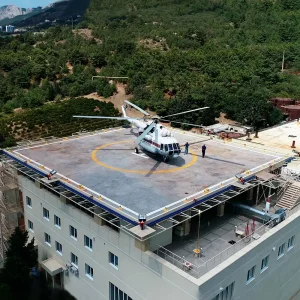
Heliport designs in Moscow must comply with Federal Air Transport Agency (Rosaviatsia) parameters, alongside Russian construction standards such as SP 121.13330.2012 (Airfields). The structural aluminum deck must be engineered to withstand the maximum takeoff weight (MTOW) of heavy transport helicopters like the Mil Mi-8 and Ka-32, commonly used in civil defense, firefighting, and corporate logistics.
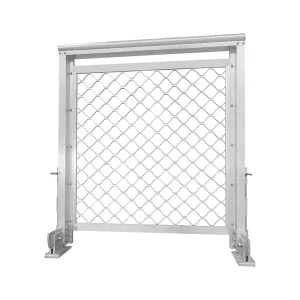
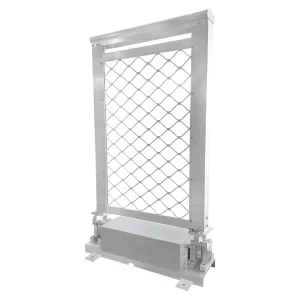
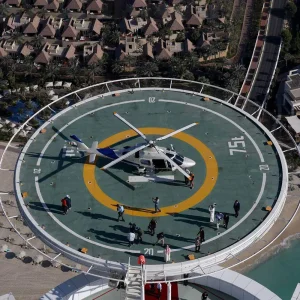
Additionally, perimeter safety nets must comply with ICAO Annex 14 Volume II (Heliports) and CAP 437 standards. These specifications state that safety nets must support a drop load of at least 200 kg and extend outwards by 1.5 meters to protect personnel during emergency operations.
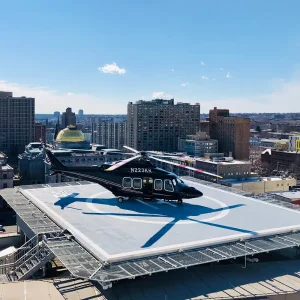
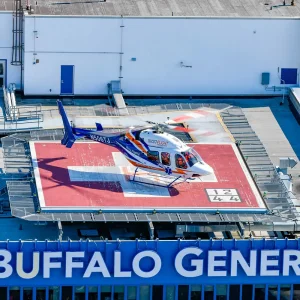
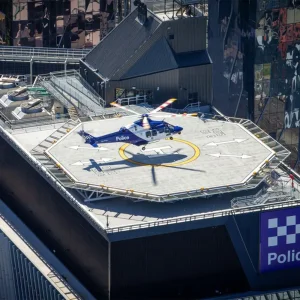
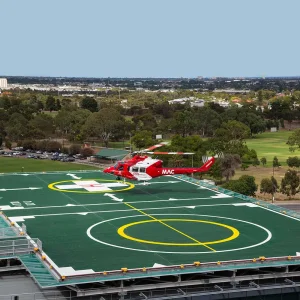
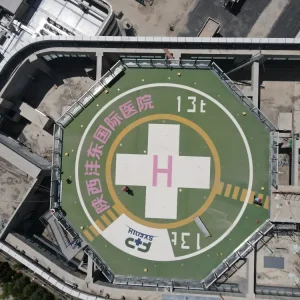
Rooftop emergency medical service (EMS) helipads are critical for trauma care in central Moscow. Selecting modular aluminum extrusions speeds up structural installation by up to 70% compared to casting reinforced concrete decks.
Established in 2015 and located in Foshan City, Guangdong, LvXing Intelligent Equipment Co., Ltd. boasts a skilled R&D team with extensive experience. We leverage exceptional technical expertise to effectively transform customers' ideas into reality, consistently meeting their precise requirements.
We utilize premium Fenglu aluminum, offering a diverse range of profiles for flexible applications. Our extrusion lines, ranging from 800T to 20,000T, accommodate alloys 1xxx, 2xxx, 3xxx, 5xxx, 6xxx, and 7xxx, allowing us to produce shaped products with section dimensions up to 1.2 meters in width and 28 meters in length. These products are recognized for their precision and meticulous processing, finding broad application in aerospace, military, medical, and industrial sectors.
Our commitment to excellence is evident throughout the manufacturing process, rigorous quality control, thorough packaging, and efficient shipping procedures. This dedication has earned us recognition as a national excellent and honest enterprise, along with quality system certification in accordance with GB/T19001-2016/ISO9001:2015 standards.
We aspire to be your trusted business partner and warmly invite you to visit our factory.
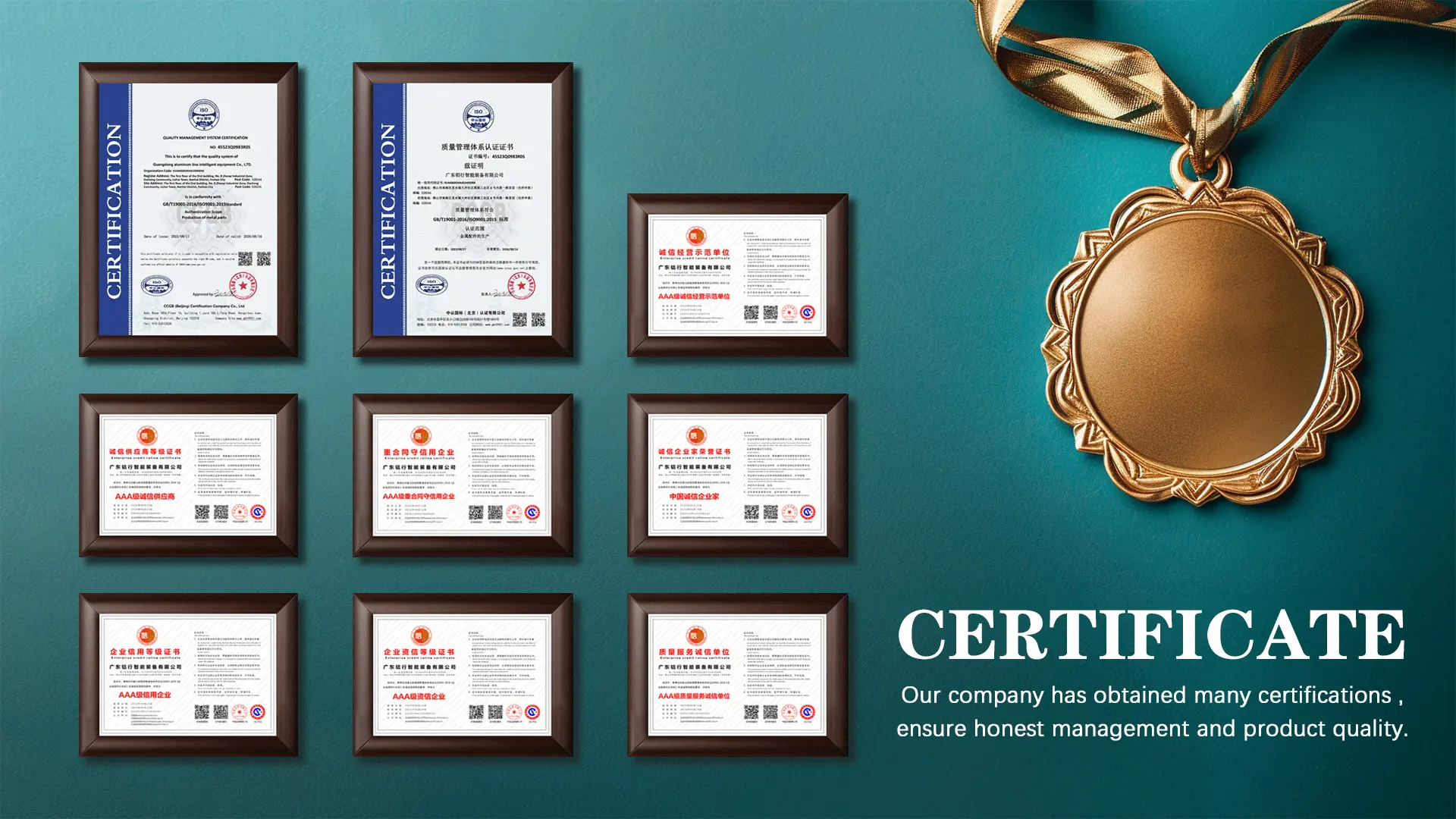
High-capacity manufacturing capacity capable of serving major defense, civil, and commercial projects globally.
Why structural engineers and procurement agencies specify Lvxing-manufactured components for high-risk applications.
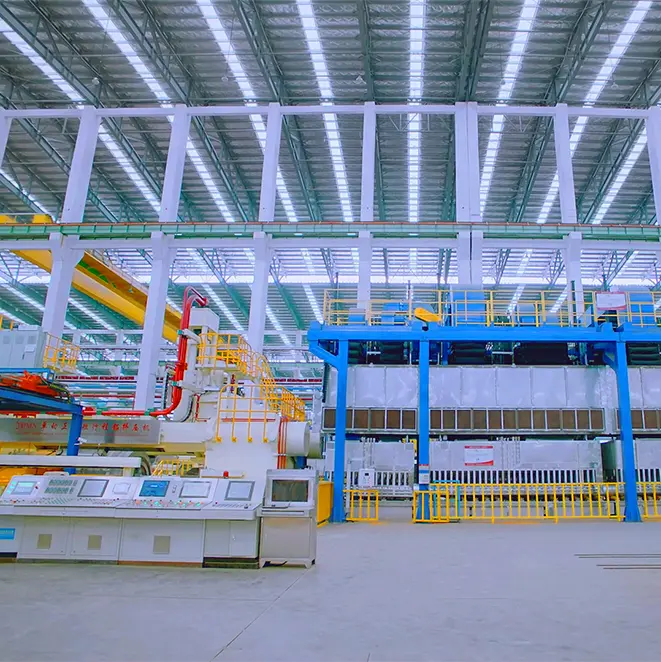

We have obtained the “Special Aluminium Materials for Aerospace” Certificate.
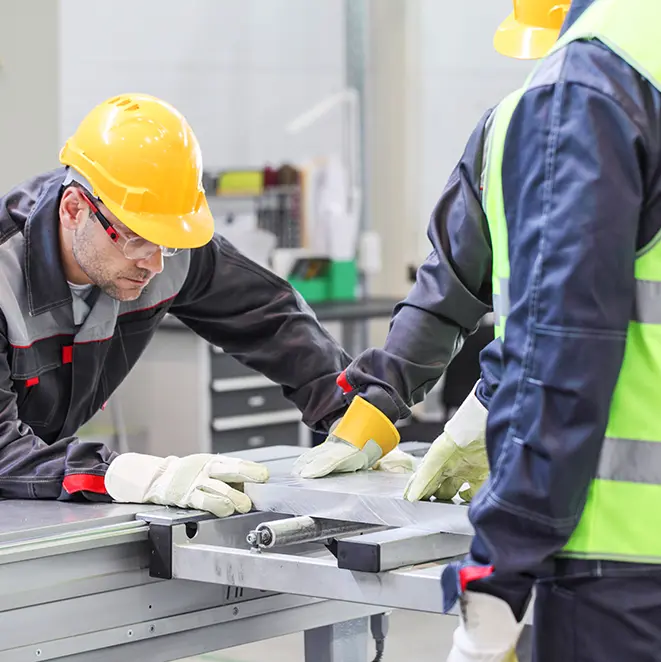

We provide and utilize high-quality Fenglu aluminum profiles. With extrusion lines ranging from 800T to 20,000T, we can produce alloys 1xxx, 2xxx, 3xxx, 5xxx, 6xxx, and 7xxx. We can manufacture fully shaped products with section dimensions up to 1.2 meters in width or 28 meters in length.
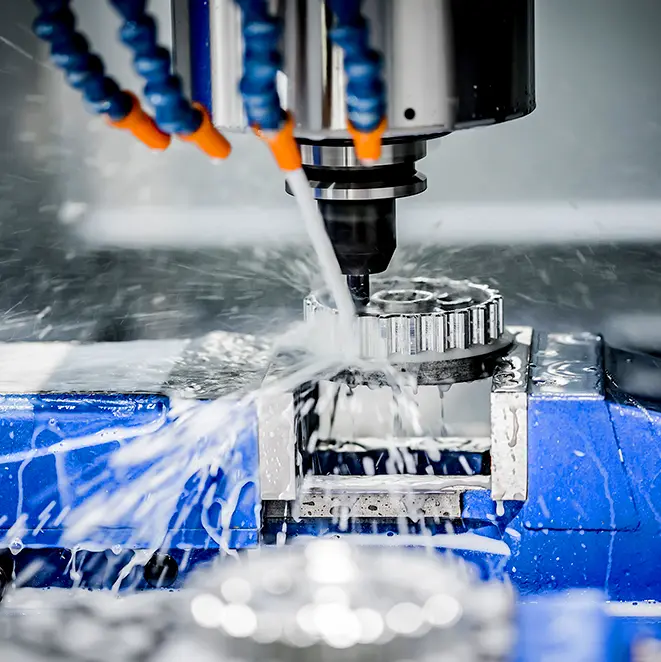

We have a team of technicians with 15 years of invaluable experience. Our deep understanding of customer requirements allows us to identify potential issues and offer practical insights, turning customer ideas into tangible products that meet specific needs.
Streamlined procurement pathways from Foshan's manufacturing cluster directly to Moscow logistics hubs.
Operating from Foshan City, the primary global capital for aluminum extrusion technology, allows us to secure raw billet allocations, thermal treatments, and testing protocols. By combining our specialized fabrication with Fenglu Aluminum's resources, we deliver high-performance structural systems at competitive rates.
For large-scale infrastructure projects in Moscow and the wider Russian Federation, procurement via China-Europe rail cargo links reduces transport times compared to traditional sea shipping, reaching Moscow terminals like Vorsino within 14 to 20 days. This supply line ensures your construction schedules remain on track.
Every batch of profiles undergoes structural checks, including alloy composition testing, tensile stress trials, and anodization thickness inspections. All offshore and onshore safety nets are load-tested and certified to guarantee performance in critical life-safety scenarios.
| Alloy Grade | Common Applications | Yield Strength (MPa) | Corrosion Resistance | Temperature Threshold |
|---|---|---|---|---|
| 6082-T6 | Main Structural Helipad Decks & Frames | ≥ 260 | Excellent (Marine Grade) | Down to -50°C |
| 6061-T6 | Perimeter Safety Net Framing & Supports | ≥ 240 | High | Down to -45°C |
| 6005A-T6 | Medium Load Deck Extrusions & Cladding | ≥ 215 | Very Good | Down to -40°C |
| 316 Stainless / 5000 Series | Safety Netting Mesh & Tie-Down Castings | Varies | Superior (Salt spray immune) | Down to -60°C |
Browse our selection of safety nets, specialized platform extrusions, and hospital-grade landing decks.
Technical answers to key engineering, regulatory, and logistics questions.
Aluminum helipads weigh approximately 60% to 70% less than equivalent reinforced concrete platforms. This deadload reduction is critical when designing rooftop helipads for older high-rise towers in Moscow or retrofitting municipal buildings, as it minimizes the need for structural column reinforcement. In addition, modular aluminum systems do not require concrete curing time, reducing onsite assembly times.
We use premium Fenglu structural-grade aluminum alloys, primarily from the 6xxx (6082-T6, 6005A-T6) series. Unlike carbon steels, which can become brittle in cold climates, our marine-grade aluminum alloys maintain their structural properties and ductility at temperatures down to -50°C. This performance profile is essential for safe operation during Moscow's winter season.
Our helideck perimeter safety nets are certified to CE standards and designed in accordance with ICAO Annex 14 Volume II and CAP 437 guidelines. They feature a flexible, corrosion-resistant frame configuration capable of withstanding dynamic impact tests (such as a 200 kg drop test) to ensure personnel safety around high-elevation decks.
Typically, design approval and profile extrusion take between 25 and 35 days, depending on the customization required. Transport via direct rail routes (Foshan/Guangdong through to Moscow hubs) takes approximately 15 to 20 days. Standard ocean freight options via Vladivostok followed by rail transport are also available to suit project budgets.
Contact our technical engineering team for structural load calculations, alloy specifications, and customized quotes matching Moscow building codes.
Send Inquiry Now LvXing