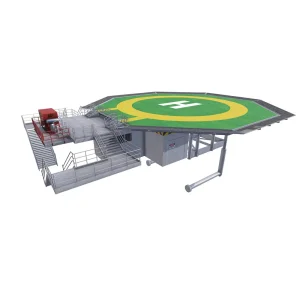
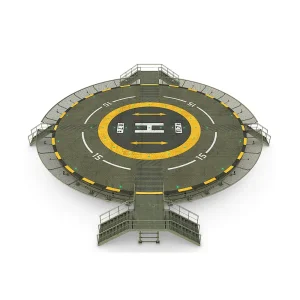
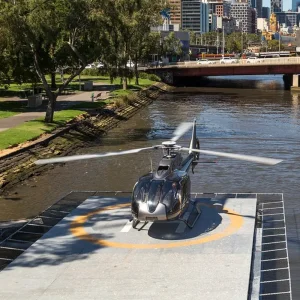
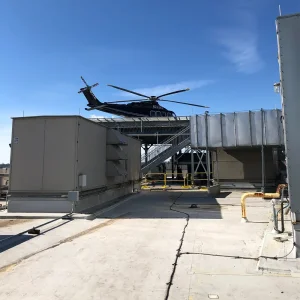
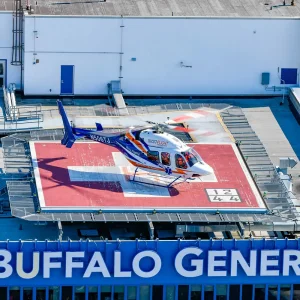
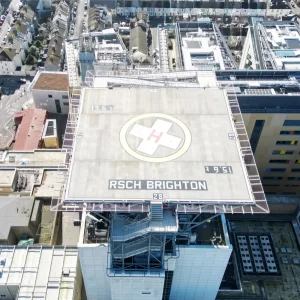
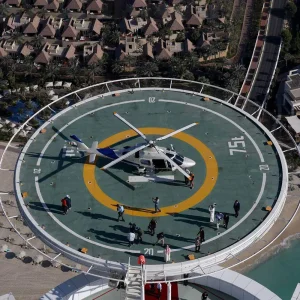
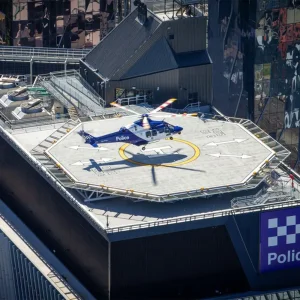
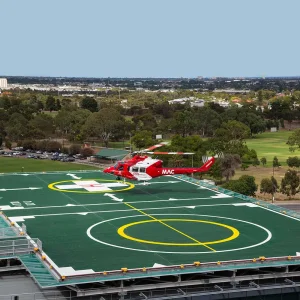
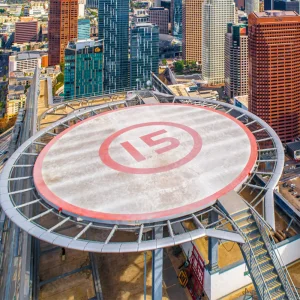
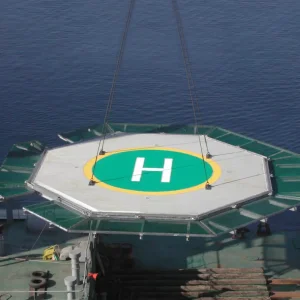
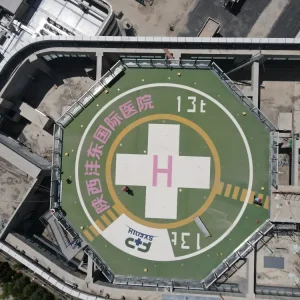
Engineered to conform with domestic and international safety guidelines, our top systems guarantee secure helicopter touchdown and perimeter security.
Riyadh, the geographical and economic heart of Saudi Arabia, is undergoing an unprecedented architectural renaissance. Fueled by the transformative goals of Saudi Vision 2030, the city's skyline is rapidly ascending with projects like the King Abdullah Financial District (KAFD), New Murabba (The Mukaab), and the extensive expansion of medical complexes under the Saudi Ministry of Health. In high-rise environments and emergency medical response units, the demand for reliable, fast-access infrastructure has pushed the integration of helipads to the forefront of architectural design.
Unlike traditional heavy concrete helipads, modern structural design mandates lightweight, high-performance systems. Our extruded aluminum helipad profiles are engineered specifically to address these challenges. Operating in Riyadh requires materials that withstand extreme thermal fluctuations—where summer rooftop temperatures can soar above 50°C and drop significantly during winter nights. The thermal expansion coefficients, weight reduction properties (up to 70% lighter than concrete structures), and structural durability of our aluminum formulations ensure that skyscraper structures face minimized dead loads while ensuring top-tier dynamic landing safety for medium-to-heavy helicopters (such as the Sikorsky S-92 or AgustaWestland AW139).
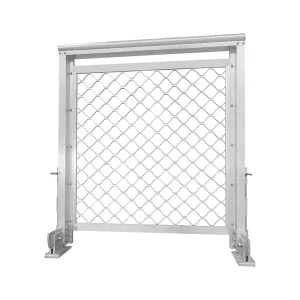
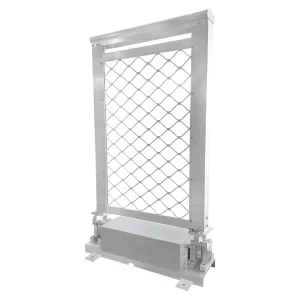
Furthermore, civil aviation operations in the Kingdom are regulated strictly by the General Authority of Civil Aviation (GACA). Modern hospital rooftop helipads, commercial heliports, and government facilities must implement robust, fail-safe perimeter protection. Our safety nets are designed with GACA-compliant, non-burnable, corrosion-resistant stainless steel 316 and high-tensile aluminum framing. This provides an unyielding catch-netting safety zone around elevated helipads to prevent personnel and equipment falls without generating aerodynamic turbulence that could endanger helicopter rotors during hover.
At Lvxing Intelligent Equipment (operating out of the global aluminum manufacturing capital of Foshan and partnering with premium material suppliers like Fenglu Aluminum), we manufacture profiles using high-integrity structural alloys, principally from the 6xxx series (such as 6082-T6 and 6005A-T6). These alloys are selected for their excellent extrudability, high yield strength, outstanding weldability, and superior corrosion resistance under maritime and hyper-arid conditions.
Our structures utilize 6082-T6 aluminum profiles, which provide a tensile strength of not less than 310 MPa and a yield strength of 260 MPa. The extruded planks feature a hollow-core, interlocking multi-chamber design that acts as a structural load-sharing deck. This reduces stress concentrations under point loads exerted by helicopter landing gear.
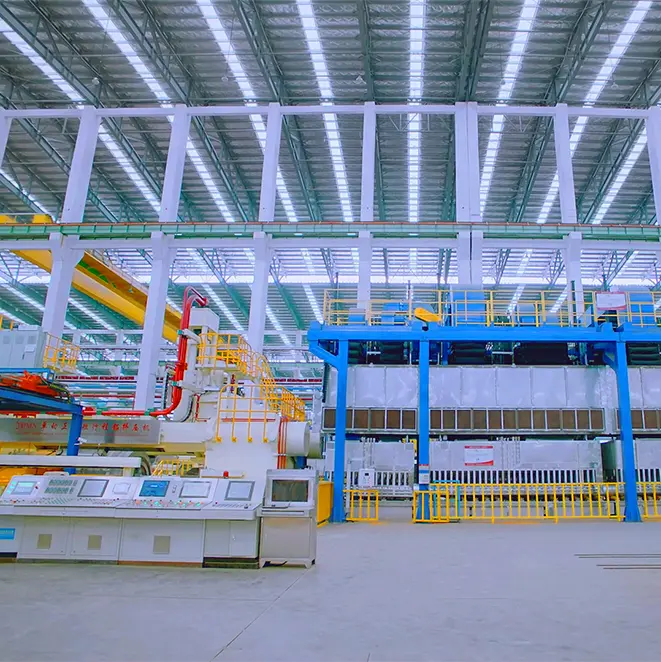
The profile dimensions are carefully monitored. Utilizing extrusion line capacities that scale from 800 Tons up to an industry-leading 20,000 Tons, we can produce massive structural sections. Section widths up to 1.2 meters and single continuous lengths of up to 28 meters are achievable. This drastically minimizes the number of joints, maximizing water tightness and eliminating potential structural weak points.
Engineering rooftop helipads requires calculating the Dynamic Landing Load (DLL). Helicopter landings are rarely static; emergency landings can produce dynamic impact factors up to 2.5 times the Maximum Takeoff Weight (MTOW) of the aircraft. Our engineering calculations conform to BS EN 1999-1-1 (Eurocode 9: Design of aluminum structures) and CAP 437.
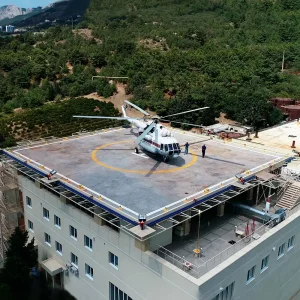
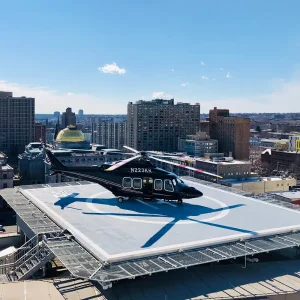
According to the International Civil Aviation Organization (ICAO) Annex 14 and UK CAA CAP 437, all elevated helidecks must be fitted with a safety net system around their perimeter. This system protects personnel from accidental falls while avoiding obstacles in the helicopter’s take-off and landing flight paths.
In Riyadh’s urban areas, high winds and sandstorms can create localized air currents near skyscrapers. We provide two configurations:
1. Manual Fold-out Perimeter Nets: Light, strong systems featuring structural aluminum alloy frames and high-grade stainless steel wire mesh. Easy to position, locked manually with safety pins, and cost-effective.
2. Electric Automated Safety Nets: Motorized folding structures designed for high-rise buildings (such as hotels and financial towers). Controlled from the building management system (BMS) or the helideck control room, these nets fold down instantly to clear the landing area and raise back up to secure the perimeter after rotor shut-down.
Choosing Lvxing Intelligent Equipment as your partner for Riyadh helipad projects connects you directly to the world's most resilient and cost-effective aluminum supply chain in Foshan, Guangdong.
Our manufacturing ecosystem allows us to coordinate the entire lifecycle of your helipad project: raw billet sourcing from Fenglu, precision die extrusion, T6 heat treatment, CNC structural machining, anodizing/coating, pre-assembly testing, and robust international logistics packaging.
With advanced extrusion lines ranging up to 20,000T, we process diverse aluminum alloys across the 1xxx, 2xxx, 3xxx, 5xxx, 6xxx, and 7xxx series. This allows us to customize wall thicknesses and profile geometries for heavy-duty military pads or lightweight commercial rooftop decks.
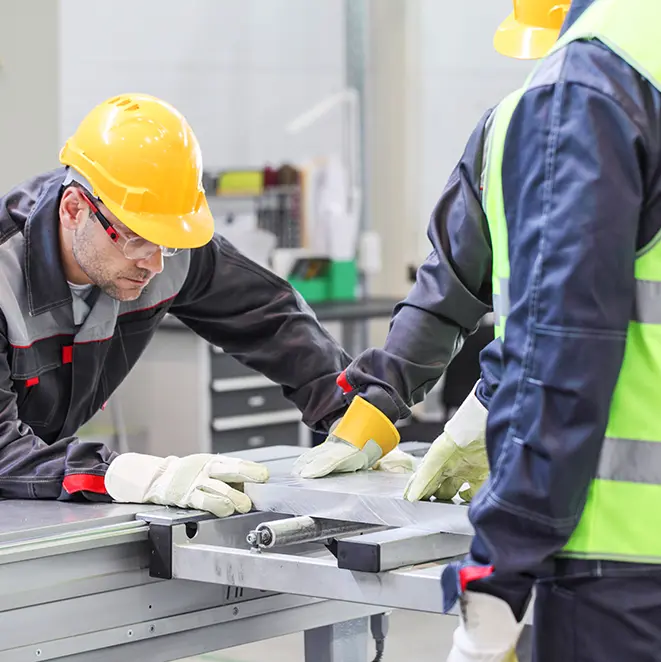
Our production line efficiency ensures competitive lead times for major projects in Saudi Arabia. We deliver prefabricated, numbered modular components directly to your site in Riyadh. This reduces structural assembly work on-site by up to 50% and eliminates the need for hot-work permits or welding.
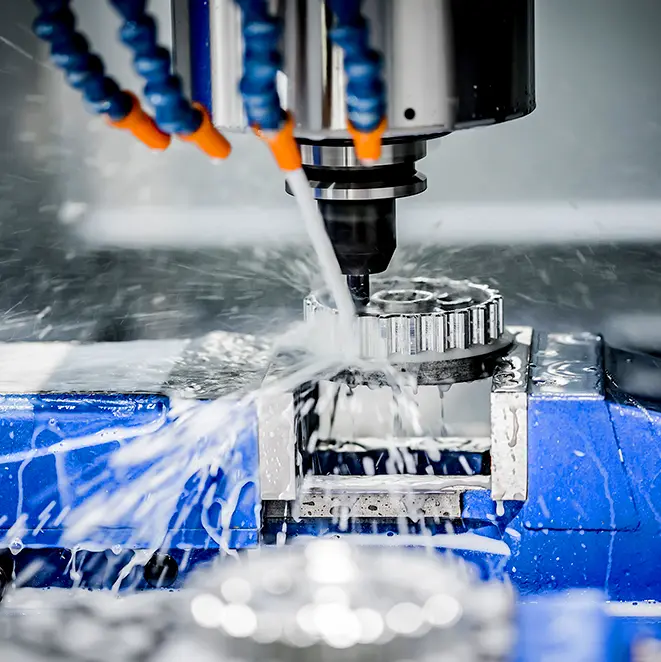
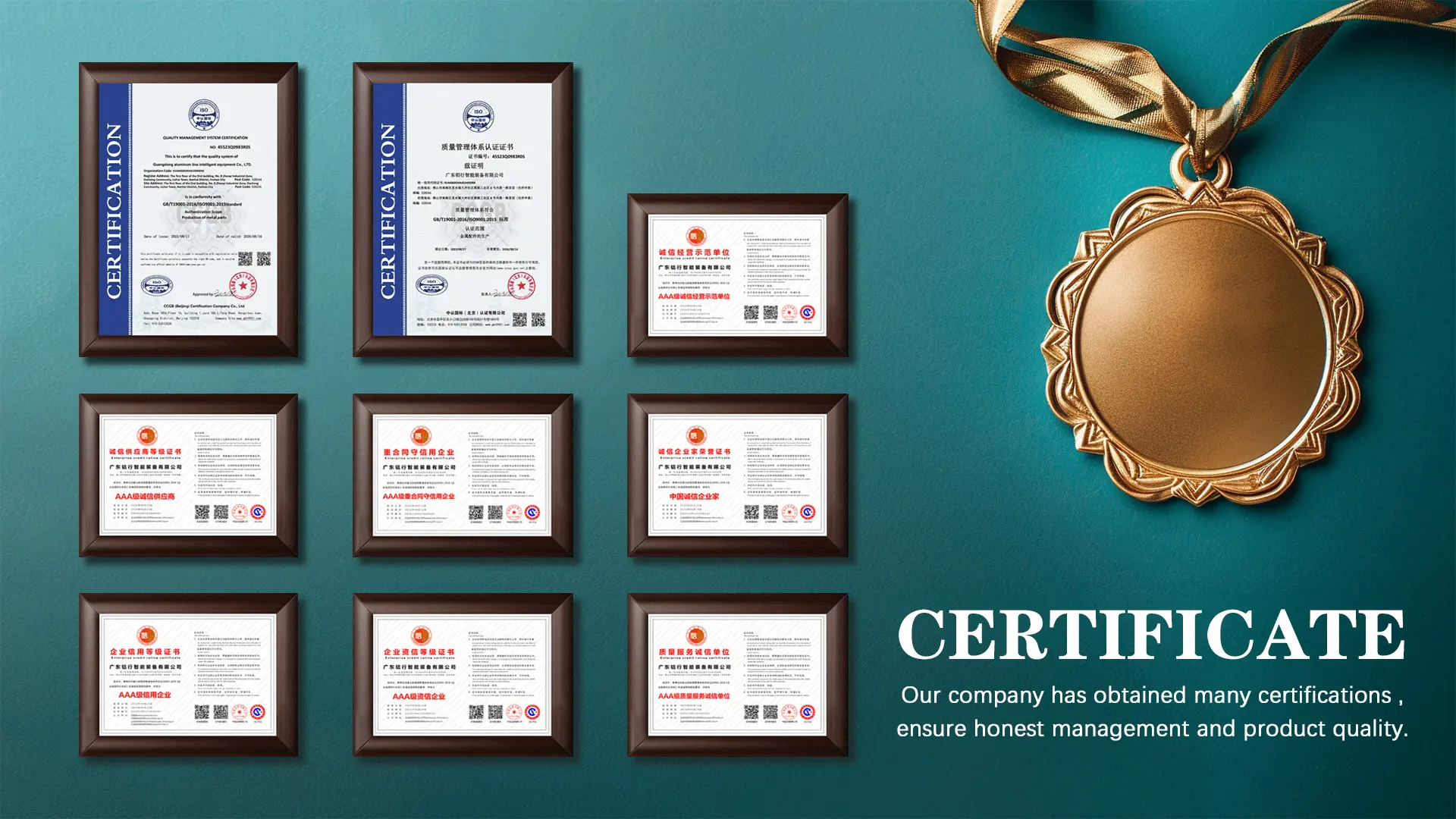
Every batch of aluminum profiles undergoes strict quality inspections. Our facilities are certified under GB/T19001-2016 / ISO9001:2015 quality management systems. Structural testing includes ultrasonic weld inspections, coordinate-measuring machine (CMM) dimensional checks, coating thickness tests, and mechanical tensile tests.
Designing and deploying helipads in Riyadh requires localized engineering expertise that accounts for the regulatory requirements of both GACA and local municipality planning commissions.
Select from our range of structural profiles and perimeter mesh systems tailored for medical, commercial, and offshore applications.
Established in 2015 and based in Foshan City, Guangdong Province, LvXing Intelligent Equipment Co., Ltd. maintains a specialized R&D engineering division. We leverage industry experience and structural manufacturing techniques to convert complex design briefs into compliant structural installations.
We source high-purity aluminum alloys, utilizing extrusion presses ranging from 800T to 20,000T. This equipment processes alloys across the 1xxx, 2xxx, 3xxx, 5xxx, 6xxx, and 7xxx series, allowing us to manufacture profiles with cross-sectional widths up to 1.2 meters and length configurations up to 28 meters. These properties satisfy structural tolerances required in aerospace, defense, marine, civil infrastructure, and hospital helideck systems.
Our manufacturing cycle incorporates raw-material testing, profile inspection, protective packaging, and shipping configurations. This process ensures compliance with GB/T19001-2016 / ISO9001:2015 quality standards.
Technical and structural details regarding aluminum profile and safety net configurations for engineering teams.
Consult with our engineering team to receive structural designs, custom profile configurations, and transparent pricing for your project in Riyadh.
Submit Your Project RFQ Now LvXing