Engineered to withstand coastal salinity, seismic activity, and intensive operational stress. Fully compliant with international civil aviation standards.
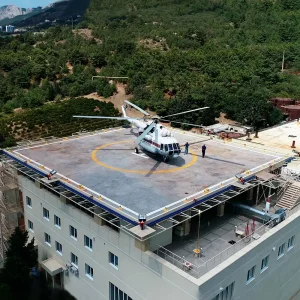
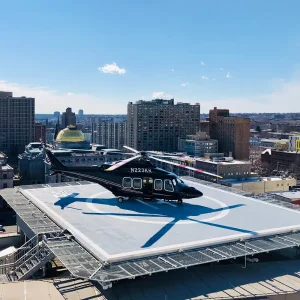
Israel's rapid urbanization, combined with its unique geopolitical situation, has placed unprecedented demands on emergency, defense, and offshore transportation infrastructures. Historically, civil engineers relied on reinforced concrete to build rooftop heliports for hospitals and municipal command centers. However, modern structural analysis reveals major challenges with concrete: high self-weight, intensive maintenance requirements, susceptibility to micro-cracking from seismic waves, and excessive thermal expansion under the intense Middle Eastern sun.
In response, the Israeli aviation and construction industries are experiencing a paradigm shift towards structural aluminum helideck assemblies. Engineered aluminum profiles, specifically those crafted from high-tensile 6000-series alloys, provide a strength-to-weight ratio that concrete cannot replicate. A typical modular aluminum helideck weighs only 20% to 30% of a comparable concrete structure. This dramatic mass reduction minimizes structural loads on host buildings, reducing seismic reinforcement costs for medical facilities and high-rises in high-risk zones along the Dead Sea Rift and coastal plains.
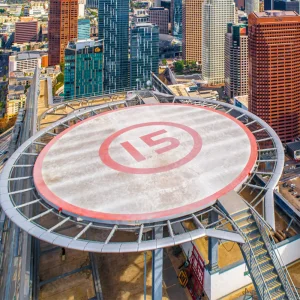
Engineering Breakthrough: Substituting structural concrete with modular aluminum extrusions on a skyscraper roof in Tel Aviv saves up to 150 metric tons of dead weight. This reduces the baseline structural steel requirements for the entire building frame while allowing architects to construct helipads on retrofitted structures where concrete was previously deemed unsafe.
Additionally, the offshore gas extraction operations in the Levantine Basin (including the Tamar, Leviathan, and Karish fields) require helidecks that are virtually immune to coastal corrosion. The combination of intense saltwater spray, high humidity, and continuous structural vibrations from helicopter landings demands marine-grade anodized aluminum profiles. When paired with high-performance perimeter safety netting, these decks ensure secure flight operations for crew changeovers and search-and-rescue (SAR) missions in the Mediterranean.
Established in 2015 and located in Foshan City, Guangdong, LvXing Intelligent Equipment Co., Ltd. boasts a skilled R&D team with extensive experience. We leverage exceptional technical expertise to effectively transform customers' ideas into reality, consistently meeting their precise requirements.
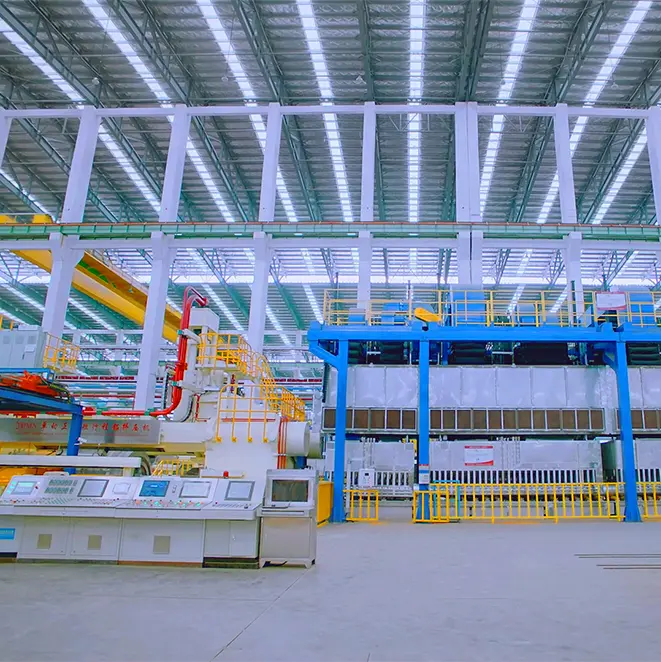
We utilize premium Fenglu aluminum, offering a diverse range of profiles for flexible applications. Our extrusion lines, ranging from 800T to 20,000T, accommodate alloys 1xxx, 2xxx, 3xxx, 5xxx, 6xxx, and 7xxx, allowing us to produce shaped products with section dimensions up to 1.2 meters in width and 28 meters in length. These products are recognized for their precision and meticulous processing, finding broad application in aerospace, military, medical, and industrial sectors.
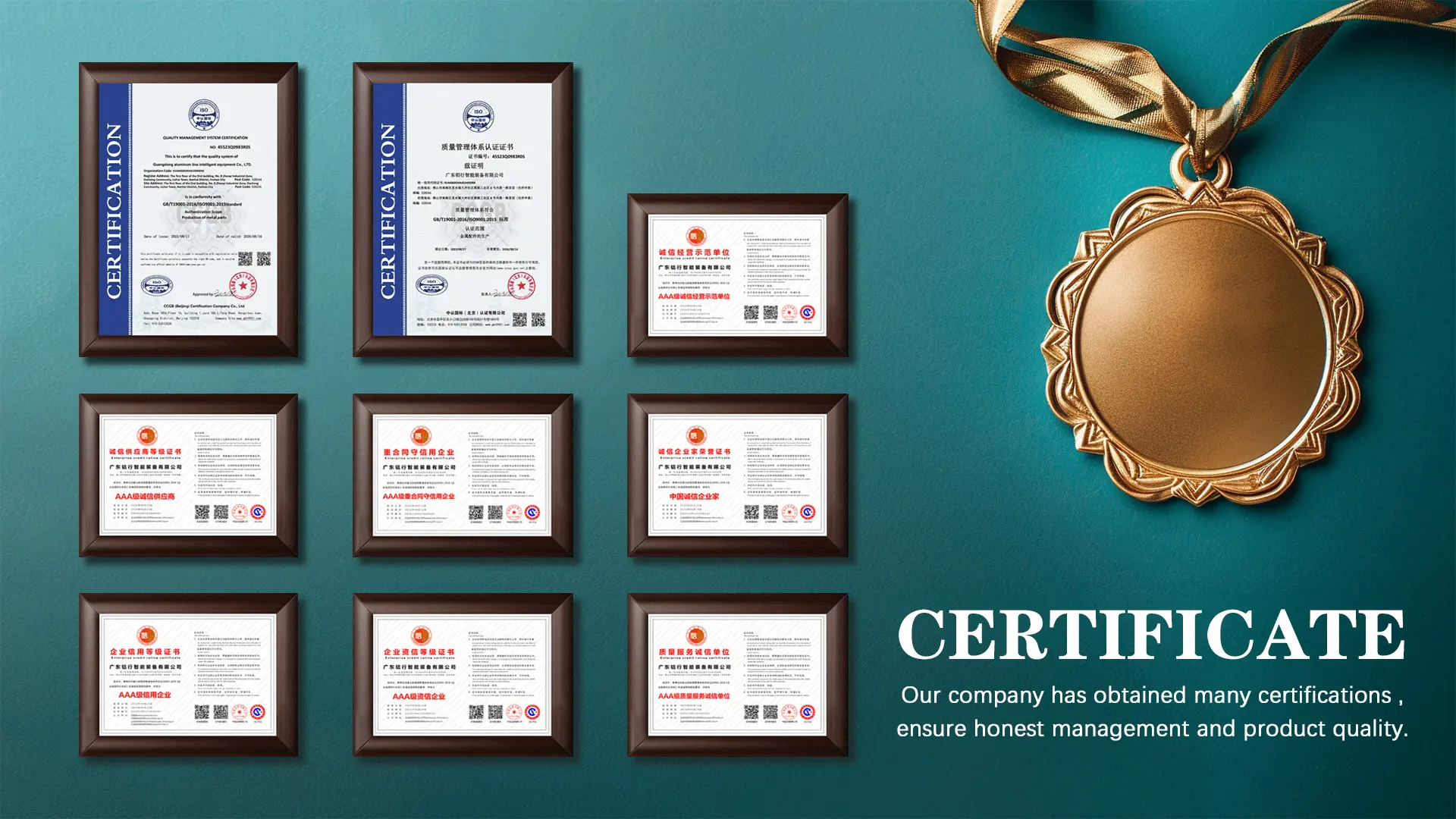
Our commitment to excellence is evident throughout the manufacturing process, rigorous quality control, thorough packaging, and efficient shipping procedures. This dedication has earned us recognition as a national excellent and honest enterprise, along with quality system certification in accordance with GB/T19001-2016/ISO9001:2015 standards. We aspire to be your trusted business partner and warmly invite you to visit our factory.
A helipad does not simply support static weight; it must withstand intense dynamic landing forces, wind shear, and rapid thermal cycling. To guarantee structural safety, LvXing utilizes premium-grade 6082-T6 and 6005A-T6 aluminum alloys. These materials are selected for their excellent mechanical properties and weldability, making them the preferred choices for highly stressed structural applications in civil and marine aviation.
Alloy 6082-T6 (Aluminum-Silicon-Magnesium-Manganese): Known for having the highest strength of all the 6000-series alloys, 6082-T6 possesses exceptional resistance to atmospheric corrosion. Its addition of Manganese controls the grain structure, resulting in a tougher alloy that is highly resistant to dynamic stress and crack propagation. It is ideal for structural deck support beams and interlocking profile planks.
Alloy 6005A-T6: This alloy provides excellent surface finish and precise extrusion tolerances. It is highly suitable for complex, thin-walled hollow profiles, allowing us to engineer interlocking deck segments with built-in drainage channels, safety net mounting tracks, and integrated visual guidance lighting conduits.
By leveraging Fenglu’s advanced extrusion technology, ranging up to 20,000T, we produce structural profiles that span up to 1.2 meters in width. This capability reduces the number of joints required for a complete helideck installation, eliminating potential failure points and reducing assembly time. The long-span structural integrity allows our helipads to distribute landing loads across the entire sub-frame, mitigating localized structural stress.
Why Tier-1 engineering contractors choose our aluminum extrusion solutions.

We have obtained the "Special Aluminium Materials for Aerospace" Certificate, ensuring military-grade structural safety.

With extrusion lines ranging from 800T to 20,000T, we can produce alloys 1xxx to 7xxx, up to 1.2m width and 28m length.

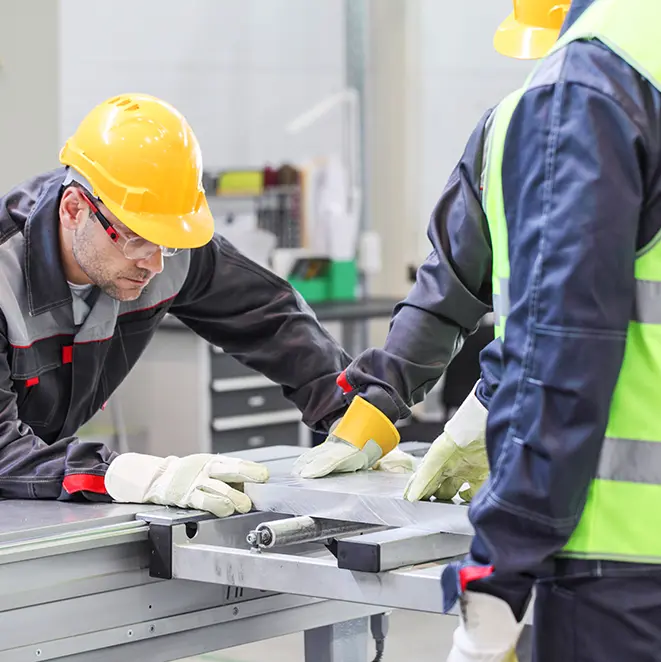
Our design team leverages 15 years of technical expertise to address installation issues and deliver optimized, tailored solutions.
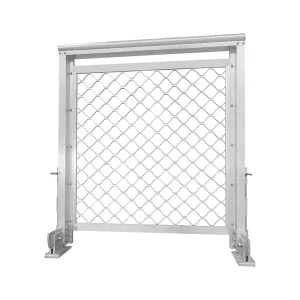
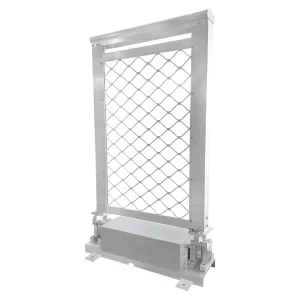
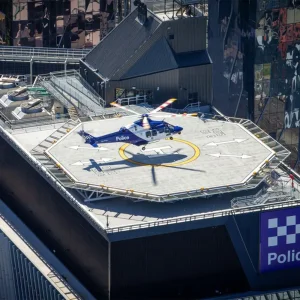
A key safety component of any elevated landing deck is the perimeter safety net. According to International Civil Aviation Organization (ICAO) Annex 14 and UK CAA CAP 437 guidelines, elevated helidecks must feature a safety netting system that slopes outwards and slightly upwards. This design prevents personnel or equipment from falling off the deck edges during windy conditions or intense operations.
LvXing supplies both manual and motorized (electric) safety net systems, engineered specifically for high-wind environments like coastal Tel Aviv and offshore drilling platforms. The framing profiles are constructed from corrosion-resistant 6061-T6 aluminum, while the netting panels are fabricated using marine-grade 316 stainless steel wire mesh or high-tensile polyester fibers. These systems are designed to withstand a drop load test of 100 kg from a height of 1 meter, absorbing impact energy without permanently deforming or creating a trampoline effect that could throw a casualty back onto the deck.
Regulatory Compliance Note: In Israel, the Civil Aviation Authority (CAA Israel) enforces strict requirements for municipal and marine heliports. Our aluminum profile structures and perimeter mesh systems conform fully to ICAO Annex 14 Vol. II regulations, ensuring streamlined local engineering approval and certification during project commissioning.
Our motorized perimeter safety nets allow operators to fold the net frames downward or retract them during maintenance, cleaning, or specialized flight operations. Integrated electronic controls feature IP67-rated actuators, protecting them from marine mist and desert sandstorms.
Our aluminum solutions are engineered to meet the unique challenges of different regions in Israel:
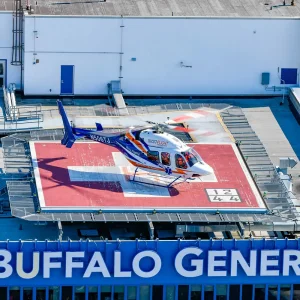
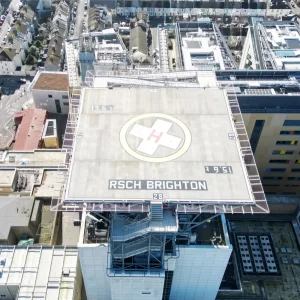
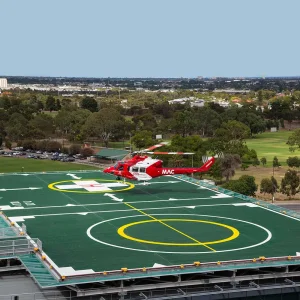
For Level-1 trauma centers, such as those at the Rambam Health Care Campus in Haifa or Sheba Medical Center in Tel Hashomer, time is critical. Elevated rooftop helipads allow air ambulances to land and transfer patients directly to emergency wards. Our lightweight aluminum decks can be retrofitted onto existing hospital roofs without requiring expensive structural reinforcement. Additionally, their integrated non-slip textures ensure stable traction during rainy winters.
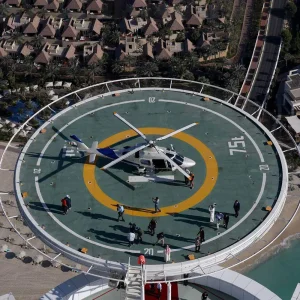
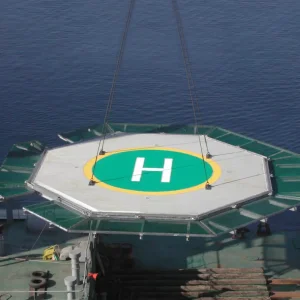
The natural gas platforms operating in Israel's Exclusive Economic Zone require highly durable helidecks. Traditional steel decks rust quickly in saline environments, leading to high maintenance costs and potential safety hazards. Our marine-grade aluminum profiles are highly resistant to salt corrosion, ensuring a service life of over 30 years with minimal maintenance. Their modular design also facilitates fast, straightforward assembly in remote offshore locations.
In remote desert environments, such as the Negev, or high-altitude security outposts, rapid deployment is key. LvXing's modular interlocking panels can be transported via helicopter or standard utility vehicles and assembled on-site in a matter of days. Their high fatigue strength allows them to handle heavy military transport helicopters under harsh operating conditions.
As aviation technology advances with the development of electric vertical takeoff and landing (eVTOL) aircraft, ground infrastructure must adapt. Our engineering team is integrating smart capabilities directly into our aluminum profile systems:
Integrated Heating & De-icing: For high-altitude sites, such as the northern mountainous regions, our aluminum decks can feature embedded heating channels. These allow hot fluid or electrical heating cables to run directly through the hollow profiles, melting ice and snow to maintain safe landing conditions year-round.
Smart Lighting & Sensor Integration: Modern flight operations require advanced visual aids. We extrude profiles with dedicated mounting tracks for recessing LED lighting. This design protects the fixtures from direct helicopter wheel impacts while ensuring clear runway visualization for pilots. We are also exploring the integration of strain sensors within our deck planks to provide real-time data on structural health and landing impact loads.
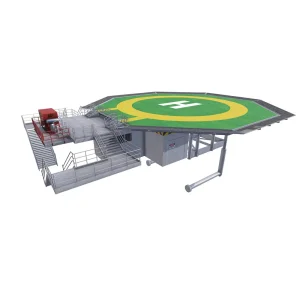
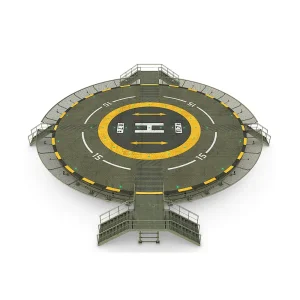
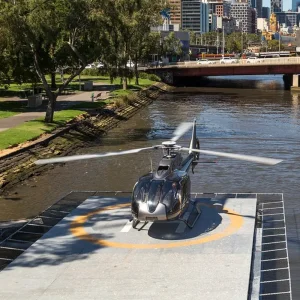
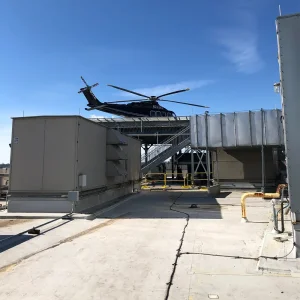
Explore our complete range of certified structural profiles, custom-welded deck assemblies, and high-tensile safety netting systems optimized for various installations.
Get answers to common technical, design, and regulatory questions regarding aluminum helipads in Israel.
Contact our engineering consultants today to receive technical data sheets, structural calculation models, and localized project estimates for the Israel market.
Send Inquiry Now LvXing