Premium grade structural aluminum profiles engineered for rapid setup and lifelong reliability in challenging highland high-altitude environments.
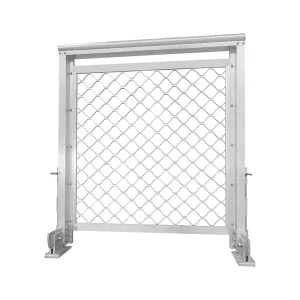
High-grade aluminum perimeter net designed specifically for manually operated marine and structural deployment. CE Certified safety parameters.
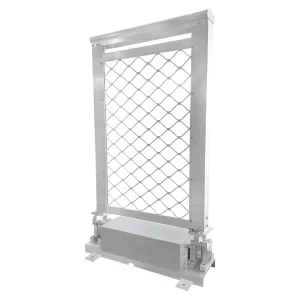
Smart motorized electric perimeter safety mesh featuring corrosion-resistant alloy components for demanding defense and logistics hubs.
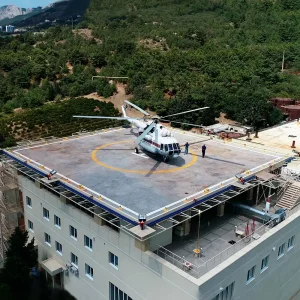
Structural interlocking aluminum planks configured for high structural loads. Completely CE certified for municipal rooftop installations.
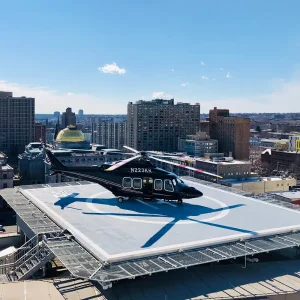
Cost-effective wholesale structural configurations engineered for mixed-use commercial properties requiring rooftop landing zones.
Ethiopia, as East Africa's fastest-growing economic powerhouse and the diplomatic center of the continent housing the African Union Headquarters in Addis Ababa, is experiencing an unprecedented surge in modern vertical transit and emergency aviation demand. Rapid urbanization across municipal hubs such as Addis Ababa, Adama, Hawassa, Mekelle, and Bahir Dar has driven high-rise commercial structures and advanced healthcare facility layouts to incorporate emergency evacuation and VIP transit zones. Helipads are no longer luxury additions; they are vital nodes for emergency medical services (EMS), governmental logistics, VIP mobility, and structural safety management.
Implementing modular aluminum profiles for helipads provides distinct benefits over heavy poured-in-place concrete structures. Aluminum alloys like 6005A-T6 or 6082-T6 are approximately 60% lighter than concrete slabs of equivalent structural capacity, reducing seismic design loads, simplifying logistics over difficult mountain terrain, and completely eliminating structural cracking associated with concrete thermal cycle expansion under the intense high-elevation solar radiation in Ethiopia.
Established in 2015 and located in Foshan City, Guangdong, LvXing Intelligent Equipment Co., Ltd. boasts a skilled R&D team with extensive experience. We leverage exceptional technical expertise to effectively transform customers' ideas into reality, consistently meeting their precise requirements.
We utilize premium Fenglu aluminum, offering a diverse range of profiles for flexible applications. Our extrusion lines, ranging from 800T to 20,000T, accommodate alloys 1xxx, 2xxx, 3xxx, 5xxx, 6xxx, and 7xxx, allowing us to produce shaped products with section dimensions up to 1.2 meters in width and 28 meters in length. These products are recognized for their precision and meticulous processing, finding broad application in aerospace, military, medical, and industrial sectors.
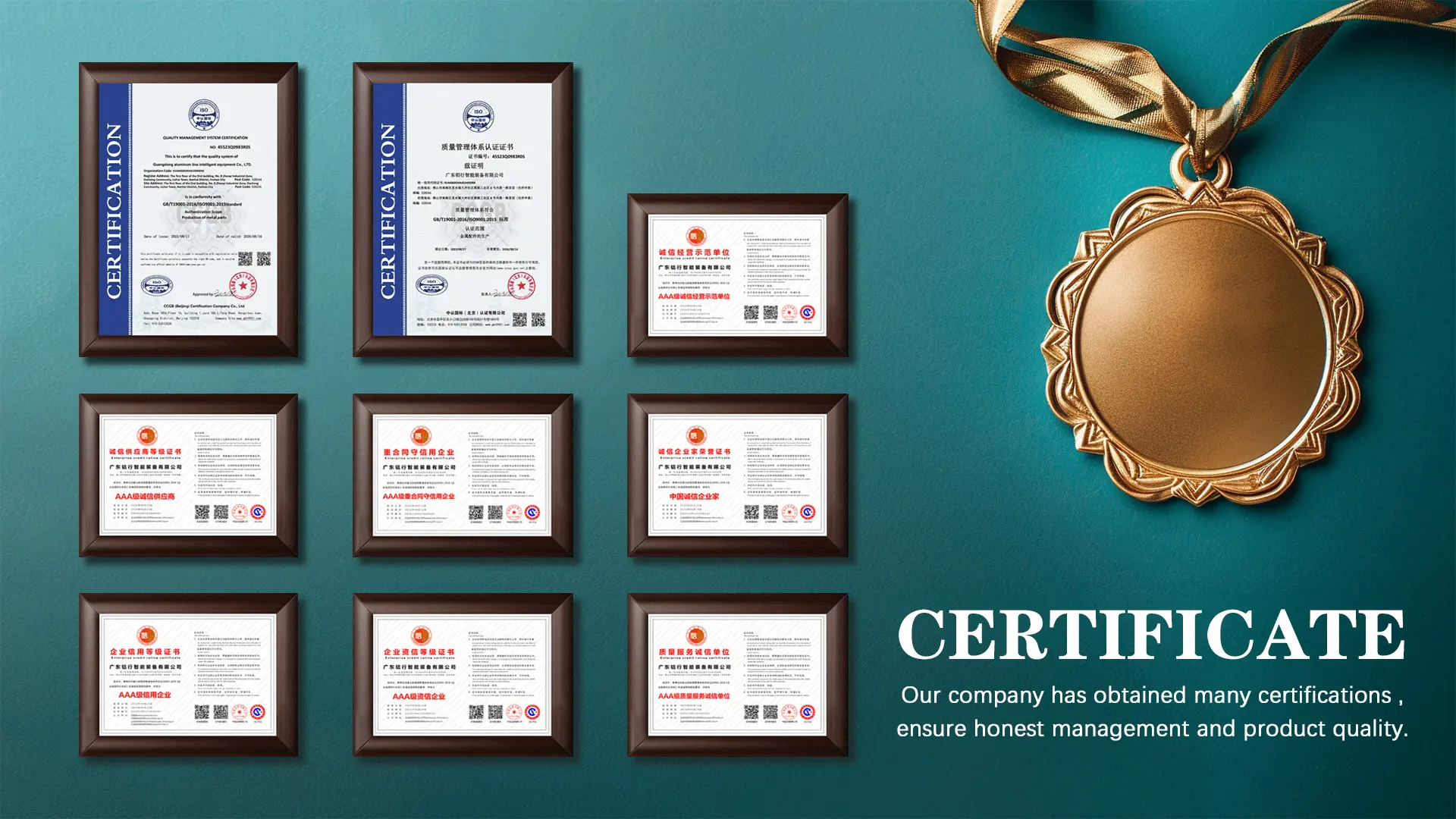
Our commitment to excellence is evident throughout the manufacturing process, rigorous quality control, thorough packaging, and efficient shipping procedures. This dedication has earned us recognition as a national excellent and honest enterprise, along with quality system certification in accordance with GB/T19001-2016/ISO9001:2015 standards.
Helideck security represents a zero-tolerance engineering field. Flight operations on elevated structural zones, whether urban rooftops or offshore rigs, pose high safety risks. International regulatory organizations like the Civil Aviation Authority (CAA) under CAP 437 and the International Civil Aviation Organization (ICAO) under Annex 14 Volume II (Heliports) enforce strict mandates on landing pad dimensions, surface friction, structural design loads, and safety nets.
The perimeter safety net is a vital system preventing personnel and equipment from falling off elevated helidecks. According to ICAO and CAP 437 standards:
LvXing Intelligent Equipment manufactures CE-certified aluminum perimeter net components using heavy-duty, marine-grade mesh configurations. Available in manual and electric versions, they adapt easily to local regulatory frameworks, including the requirements of the Ethiopian Civil Aviation Authority (ECAA).
| Alloy Grade | Tensile Strength (MPa) | Yield Strength (MPa) | Corrosion Resistance | Primary Application in Helidecks |
|---|---|---|---|---|
| 6082-T6 | ≥ 310 | ≥ 260 | Excellent (Marine Grade) | Structural Main Deck Planks & Supporting Beams |
| 6061-T6 | ≥ 290 | ≥ 240 | Very Good | Secondary Framing and Walkway Grates |
| 6063-T6 | ≥ 215 | ≥ 170 | Excellent | Safety Net Outer Frames & Edge Trims |
| 7075-T6 | ≥ 540 | ≥ 480 | Moderate | High-Stress Fasteners & Specialized Brackets |
Advanced corrosion-resistant edge protection systems engineered to meet ICAO and CAP 437 safety regulations globally.
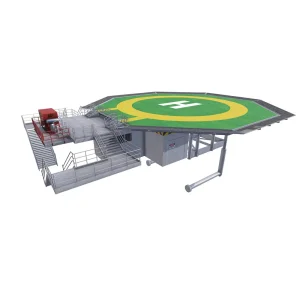
Extruded aluminum framing built with structural steel wire netting, optimal for high-altitude weather resilience.
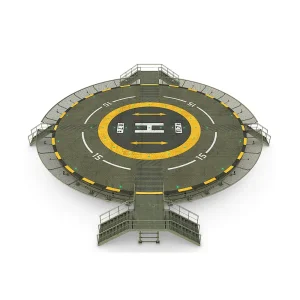
Rust-free mesh assemblies constructed to survive high humidity and lake mist conditions in northern regional hubs.
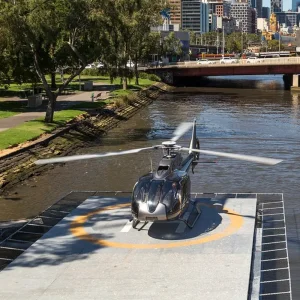
Flexible perimeter security mesh systems with high tensile properties, perfect for immediate hospital landing pad installations.
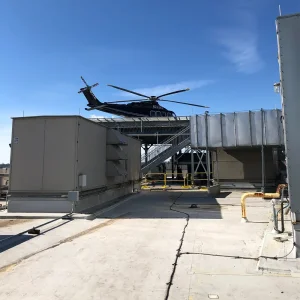
Integrated landing system packages combining heavy duty extruded flooring planks and perimeter net assemblies.
Why Tier-1 construction firms and airport developers select LvXing intelligent aluminum solutions.
We have obtained the "Special Aluminium Materials for Aerospace" Certificate, confirming our raw materials conform to the highest safety and load-bearing requirements.
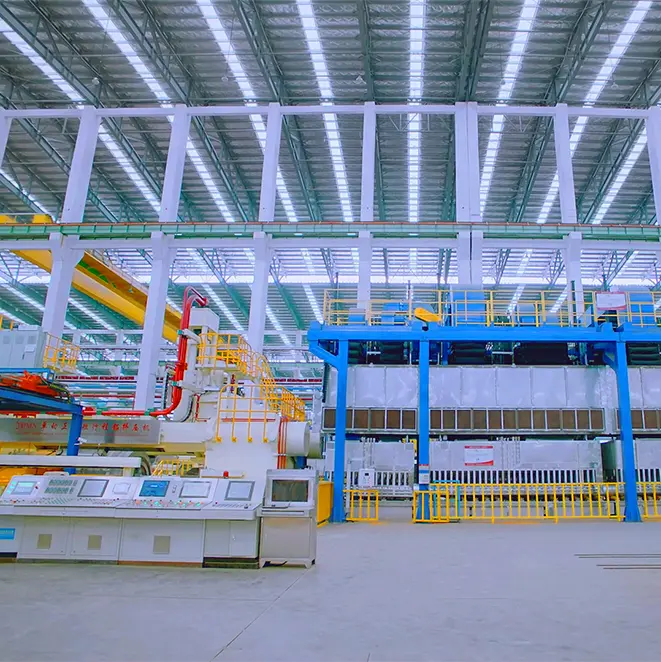
Utilizing high-quality Fenglu aluminum, our extrusion lines range from 800T to 20,000T. We produce alloys in 1xxx, 2xxx, 3xxx, 5xxx, 6xxx, and 7xxx series up to 1.2m wide and 28m long.
Our technicians average 15 years of industry experience. We translate complex architectural and aerodynamic drafts into functional aluminum configurations that prevent onsite installation issues.
Delivering heavy structural components to East Africa requires thorough planning. Over land or ocean, transport of modular helipad profiles demands strategic planning. At LvXing, we have created an efficient supply chain tailored to the Horn of Africa.
Since Ethiopia is landlocked, maritime shipments are routed through the Port of Djibouti. From there, goods travel via the Ethio-Djibouti standard gauge railway or heavy trucks to the Modjo Dry Port near Addis Ababa. Our modular aluminum planks are packed in custom steel crates to prevent abrasion and deformation during rough road transit. Individual components are marked to allow local contractors to assemble the systems using basic hand tools, eliminating the need for specialized welding on site.
The Great Rift Valley runs directly through central Ethiopia, making seismic activity a critical consideration for structural engineers in the region. Modular aluminum systems offer a distinct advantage here: their lower structural mass reduces lateral earthquake forces by up to 50% compared to concrete helidecks. Additionally, we customize wind vents and surface friction textures to withstand the high-velocity updrafts common in highlands projects like Lalibela and Gondar.
CE certified, customized landing deck assemblies designed for medical emergency services, municipal stations, and maritime decks.
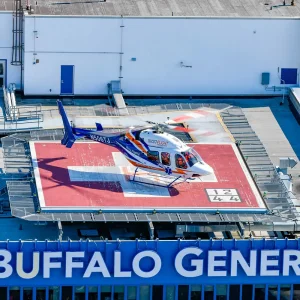
CE Certified medical rooftop systems configured for high-frequency patient transfer. Ready for integration with LED guidance tracks.
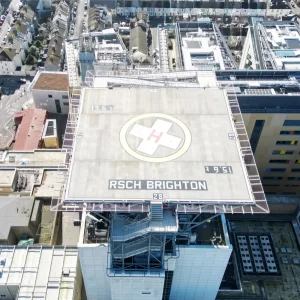
Custom square design helideck structures optimized for regional administrative headquarters and emergency response units.
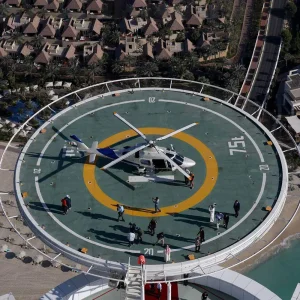
Architecturally integrated helipads featuring custom finishes, ideal for VIP transit at luxury hotels and diplomatic quarters.
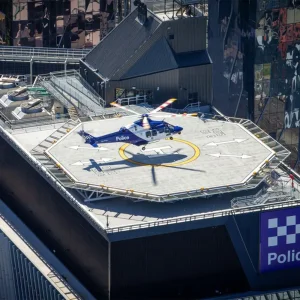
Reinforced tactical helipads designed for rapid response deployment and security transit operations in high-density urban areas.
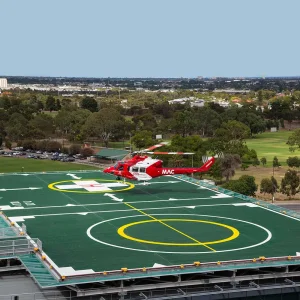
Lightweight elevated rooftop designs suitable for tall commercial towers, providing rapid installations with minimal building loads.
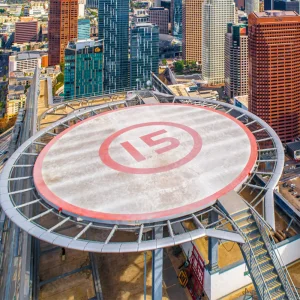
Curved modular profile systems configured for traditional round landing platforms. Features integrated lighting mounting points.
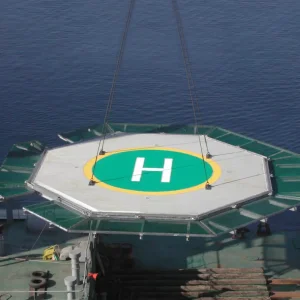
Highly resistant marine-grade deck planks engineered for boats, ships, and offshore platform landing configurations.
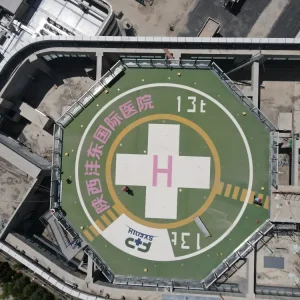
High-reliability medical emergency landing platforms designed for critical trauma centers and intensive care hospital roofs.
Driven by smart city planning and UAV development, the design of landing decks is shifting toward multi-functional structures. Modern infrastructure projects must plan for helicopter access alongside emerging technologies like eVTOL (electric vertical take-off and landing) drone courier corridors.
Future aviation landing decks will feature integrated, smart sensors that monitor operations in real time. We are working on embedding weight-strain gauges directly into our interlocking aluminum profiles to monitor structural integrity during high-impact landings. Our safety net frames are also being designed with built-in LED warning indicators to improve visibility in poor weather.
While the initial cost of concrete raw materials may appear lower than premium extruded aluminum alloys, a lifecycle cost analysis (LCCA) reveals that aluminum is the more cost-effective option over a 25-year cycle:
Clear answers to engineering, pricing, shipping, and installation questions about helipads in Ethiopia.
 LvXing