In recent years, Portugal has undergone a remarkable industrial transition, establishing itself as a key logistical and maritime gateway for Europe. From the deepwater Port of Sines to the defense logistics networks in Lisbon and Porto, the demand for cutting-edge infrastructure has never been greater. Helipads are critical assets in this development, particularly in offshore energy operations, rescue missions along the rugged Atlantic coastline, and emergency hospital transfer systems.
Designing and building a helideck in Portugal requires strict adherence to European aviation guidelines, maritime codes, and civil defense requirements. In these challenging environments—where structures are exposed to high wind speeds, intense UV radiation, and highly corrosive marine atmospheres—traditional concrete helidecks are increasingly being replaced by engineered aluminum structures.
Aluminum alloys offer an exceptional strength-to-weight ratio, allowing engineers to design elevated rooftop helipads on historic Portuguese hospitals (such as those in Lisbon and Coimbra) without requiring costly and complex structural reinforcement of the existing buildings. The lightweight nature of aluminum helipad profiles enables rapid assembly, reduces installation costs by up to 50%, and minimizes downtime during construction.
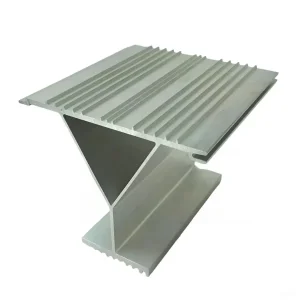
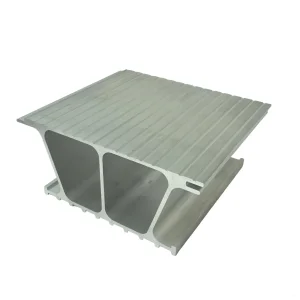
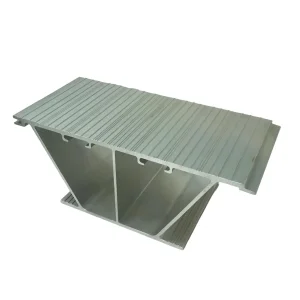
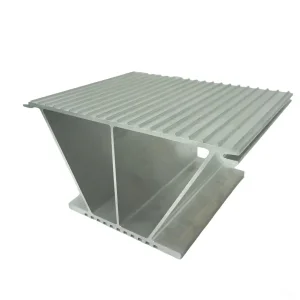
A professional helipad is much more than a flat landing surface; it is a complex engineering system designed to absorb the intense kinetic energy of a helicopter landing while safely directing operational loads to the primary building or ship structure. LvXing intelligent profiles utilize premium 6xxx series and 5xxx series alloys to guarantee long-term performance.
| Property / Specification | Marine & Offshore Grade (6082-T6) | Structural Heavy-Duty Grade (6061-T6) | Compliance Standards Met |
|---|---|---|---|
| Yield Strength | ≥ 260 MPa | ≥ 240 MPa | ASTM B221, EN 755-2 |
| Tensile Strength | ≥ 310 MPa | ≥ 290 MPa | ISO 6892-1 |
| Corrosion Resistance | Excellent (C5-M Marine Rated) | Very High | ISO 9227 (Salt Spray Test) |
| Typical Application | Offshore Platforms, Coastline Helipads | Rooftop Helipads, Military Bases | ICAO Annex 14 / CAP 437 |
By utilizing ultra-large extrusion technology (with capabilities up to 20,000T), we can produce seamless structural profiles up to 1.2 meters in width and 28 meters in length. This significantly reduces the number of structural joints required on the deck, eliminating potential failure points and reducing the risk of water ingress or localized mechanical stress.
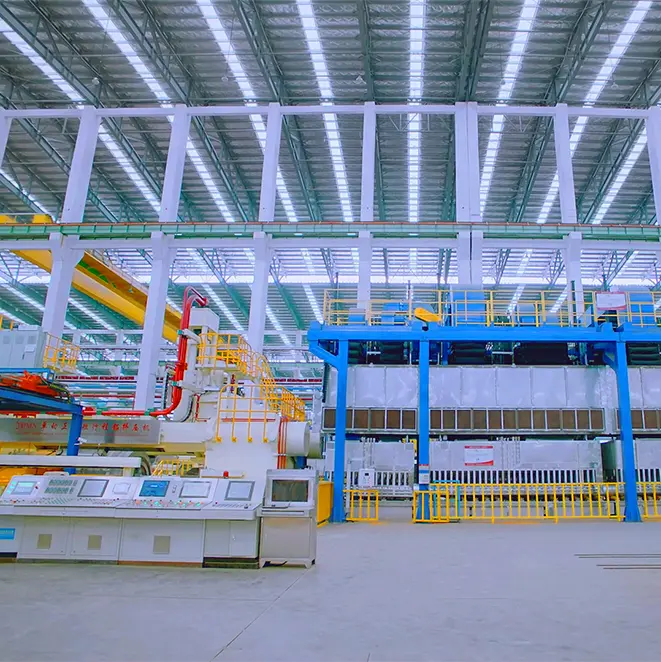
Established in 2015 and located in Foshan City, Guangdong, LvXing Intelligent Equipment Co., Ltd. boasts a skilled R&D team with extensive experience. We leverage exceptional technical expertise to effectively transform customers' ideas into reality, consistently meeting their precise requirements.
We utilize premium Fenglu aluminum, offering a diverse range of profiles for flexible applications. Our extrusion lines, ranging from 800T to 20,000T, accommodate alloys 1xxx, 2xxx, 3xxx, 5xxx, 6xxx, and 7xxx, allowing us to produce shaped products with section dimensions up to 1.2 meters in width and 28 meters in length. These products are recognized for their precision and meticulous processing, finding broad application in aerospace, military, medical, and industrial sectors.
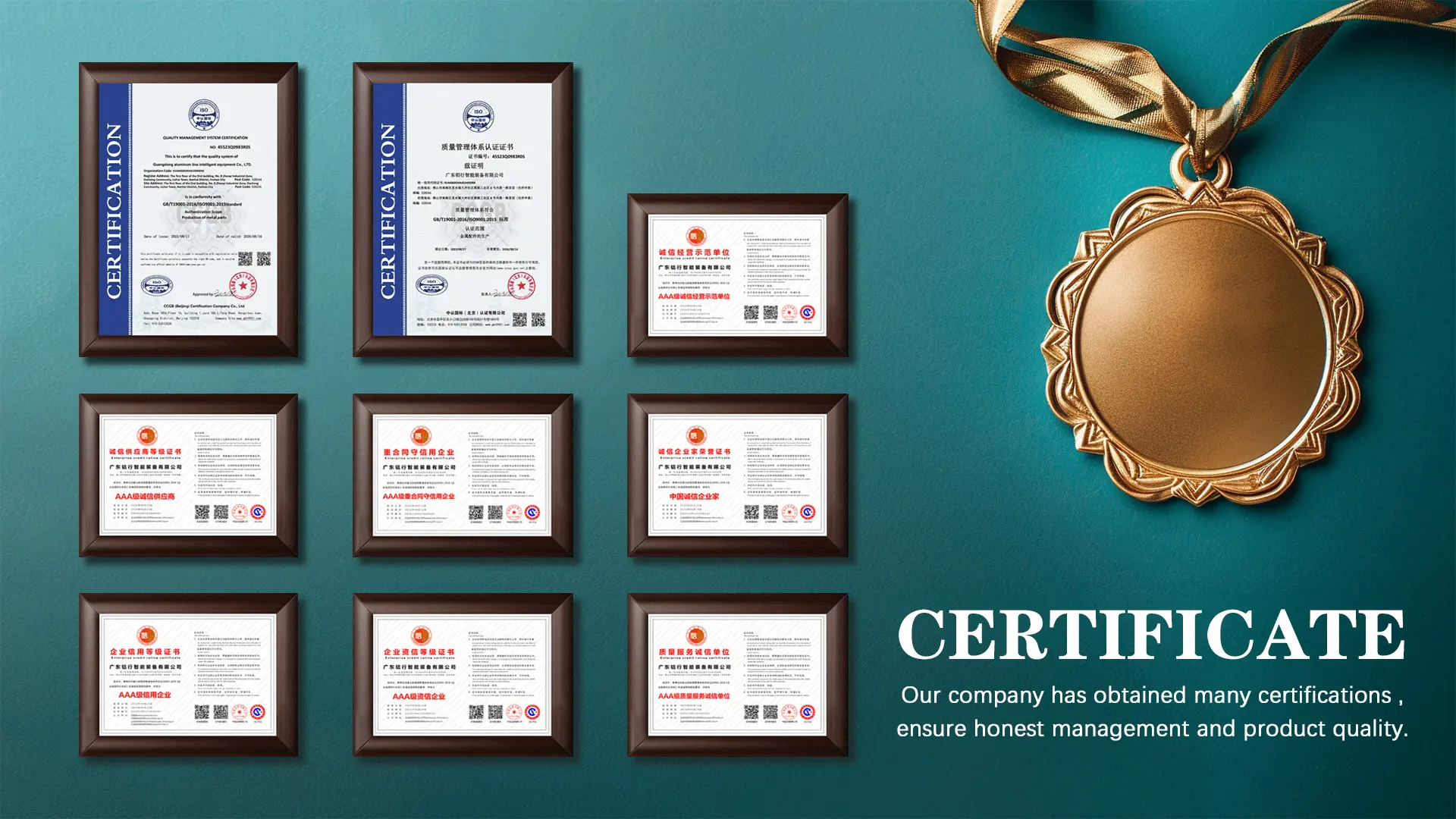
Our commitment to excellence is evident throughout the manufacturing process, rigorous quality control, thorough packaging, and efficient shipping procedures. This dedication has earned us recognition as a national excellent and honest enterprise, along with quality system certification in accordance with GB/T19001-2016/ISO9001:2015 standards.
We aspire to be your trusted business partner and warmly invite you to visit our factory.
By combining advanced materials science, cutting-edge equipment, and our team's extensive engineering experience, we deliver unmatched value to helipad installation and aviation projects in Portugal and worldwide.

We have obtained the "Special Aluminium Materials for Aerospace" Certificate, verifying that our manufacturing processes satisfy the most demanding quality and reliability specifications.
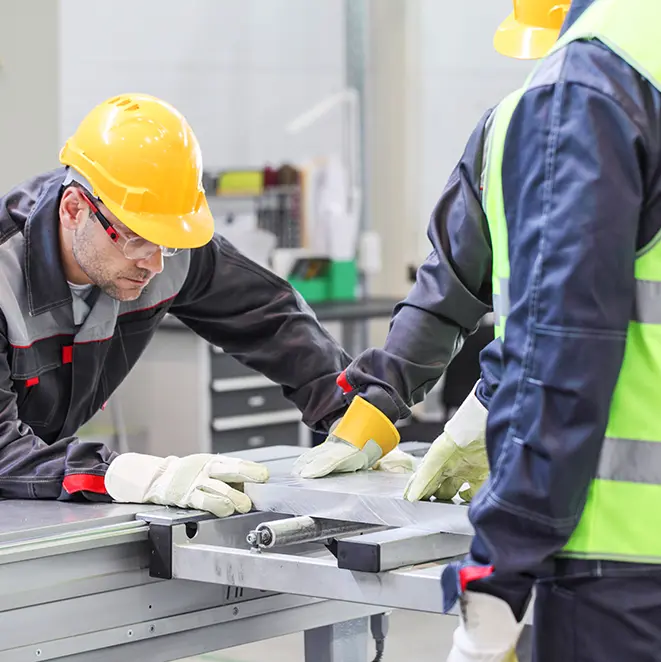

Using high-quality Fenglu aluminum profiles, we process alloys from 1xxx to 7xxx. We produce single-piece profiles up to 1.2m wide or 28m long, ensuring superior structural integrity.
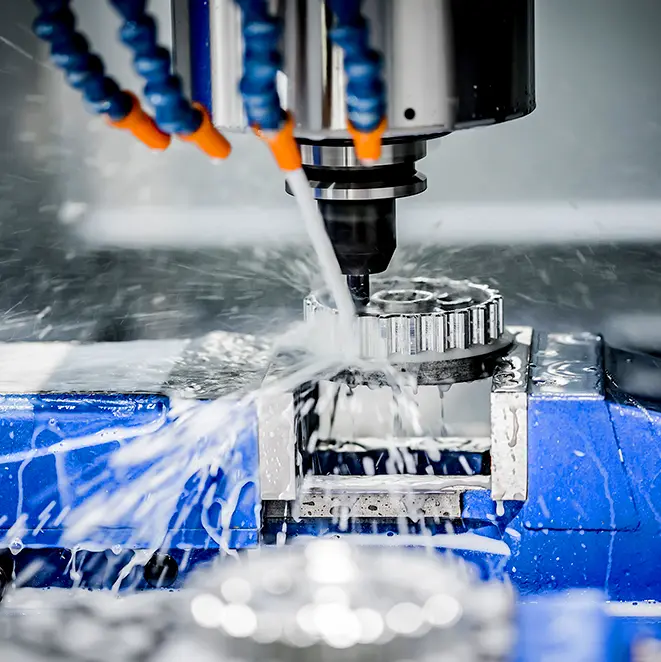

Our engineering team has 15 years of invaluable experience. We identify potential issues early and provide tailored advice to turn ideas into reliable products.
Helideck installations in Portugal must comply with rigorous international and regional guidelines. The ANAC (Autoridade Nacional da Aviação Civil) enforces civil aviation regulations, which coordinate directly with standard specifications defined by ICAO Annex 14 Volume II (Heliports) and CAP 437 (Standards for Offshore Helicopter Landing Areas).
Whether the location is a coastal patrol vessel off the Azores or a rooftop installation in Lisbon, structural engineers must verify structural capacity under severe wind loading conditions and dynamic landing forces. All our helipad profiles are designed according to Eurocode 9 (EN 1999) for the design of aluminum structures, ensuring long-term safety, dynamic deflection control, and high structural reliability.
LvXing provides comprehensive documentation packages, containing raw material test certificates (MTRs), precision sizing reports, load capacity analysis, and detailed installation guidelines. This makes the local structural approval and permitting process smooth and stress-free.
Foshan City is known as a global capital for aluminum manufacturing. By manufacturing our helideck systems at our advanced facility in Foshan, LvXing provides Portuguese clients with significant cost savings while maintaining premium quality. We use top-tier Fenglu raw materials and advanced automated extrusion presses to lower production costs compared to European manufacturers.
We offer customized ocean freight logistics to ensure on-time delivery to primary Portuguese hubs, including the Port of Sines, the Port of Lisbon, and the Port of Leixões (Porto). All profiles are wrapped in protective foam and packed in heavy-duty steel crates to prevent surface abrasions and structural damage during long-distance transit.
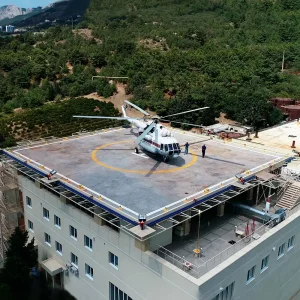
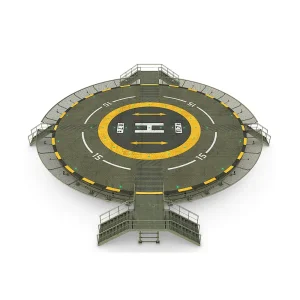
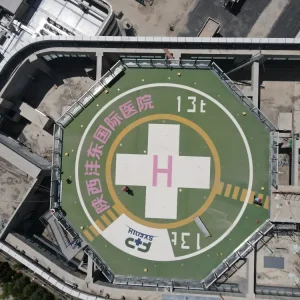
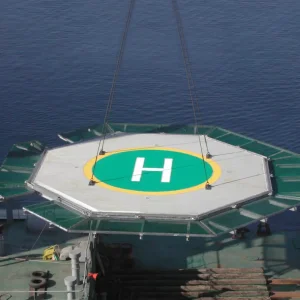
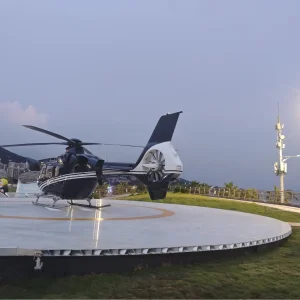
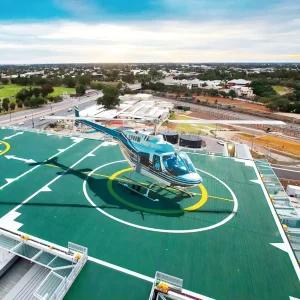
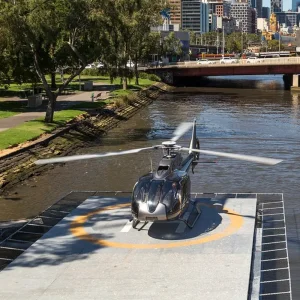
Every project has unique requirements depending on geographic conditions, architectural limitations, and operational demands. Understanding these specific application criteria ensures safety and long-term durability.
Emergency medical services demand maximum structural reliability. Aluminum helideck designs isolate vibrations and lower acoustic impact during landing. They also simplify drainage, redirecting hazardous fuel runoff away from hospital structures and emergency exits.
Offshore energy platforms and patrol ships face extreme sea conditions and highly corrosive saltwater spray. By using marine-grade anodized aluminum (6082-T6), our systems prevent galvanic corrosion and operate reliably in salt spray conditions without requiring paint.
National defense forces require robust landing spaces designed for heavy helicopter loads (such as Portuguese Air Force Merlin EH101 helicopters). Our reinforced interlocking profiles distribute these high point loads across the steel support structure, minimizing wear.
Portugal is actively exploring smart cities and sustainable transportation options. As Urban Air Mobility (UAM) matures and electric Vertical Takeoff and Landing (eVTOL) aircraft enter commercial service, urban rooftops will need to support these advanced air vehicles.
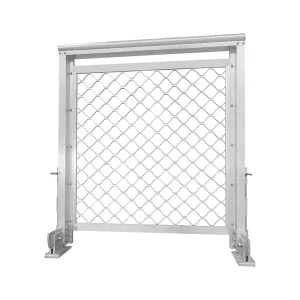
Our lightweight aluminum profile assemblies provide the ideal foundation for retrofitting existing commercial buildings into functional vertiports. Equipped with integrated electrical cable conduits, grounding paths, and custom safety net mounts, LvXing modular aluminum decks are ready to meet the evolving demands of green aviation infrastructure in Portuguese cities.
Get in touch with our technical sales team for profile structural calculations, custom quoting, and project logistics optimization.
Send Inquiry Now LvXing