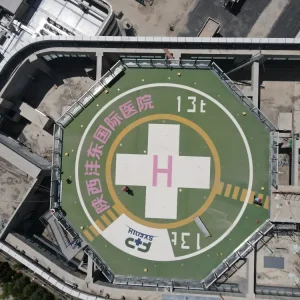
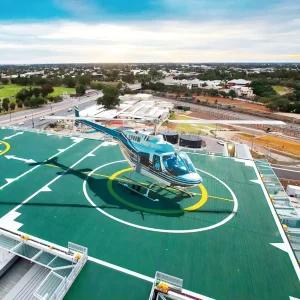
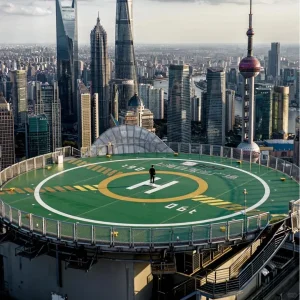
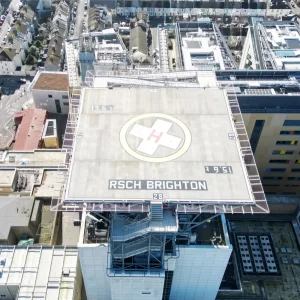
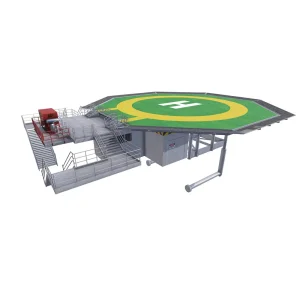
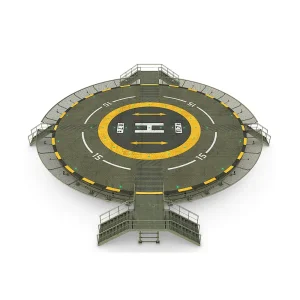
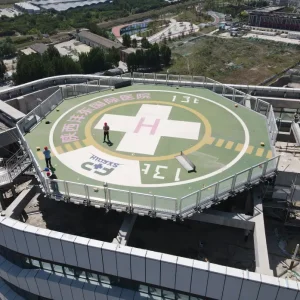
Engineered for high-yield durability, extreme wind loads, and marine atmosphere resistance. Designed to meet FAA and local Seattle building codes.
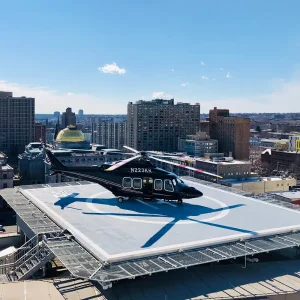
As the largest metropolis in the Pacific Northwest, Seattle, Washington, occupies a unique position at the intersection of global aerospace engineering, maritime logistics, and high-density urban development. Rooftop helipads on Seattle skyscrapers, hospital trauma centers, offshore vessels in Puget Sound, and industrial facilities in King County demand uncompromising structural components due to highly specific local environmental stresses.
Our aluminum extrusion technology directly addresses the challenges presented by the Puget Sound maritime atmosphere. High levels of saline humidity, combined with Seattle's annual precipitation averages, create high risk for galvanic corrosion. To resolve this, Lvxing engineers all Seattle-bound helipad profiles with high-grade, marine-resistant aluminum alloys, fortified with state-of-the-art anodizing treatments to exceed typical ASTM B117 salt-spray parameters.
Lvxing integrates state-of-the-art manufacturing with stringent international aviation criteria to supply robust modular deck solutions worldwide.
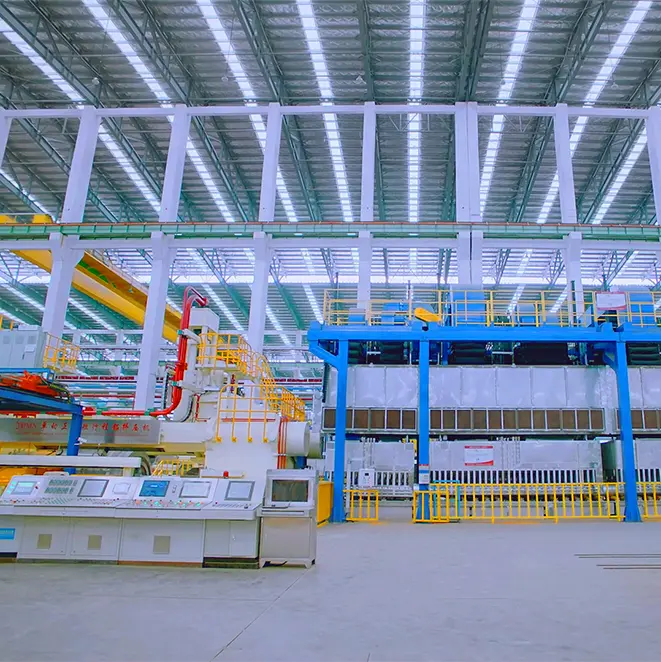
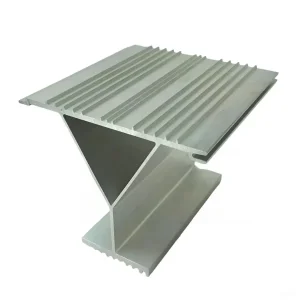
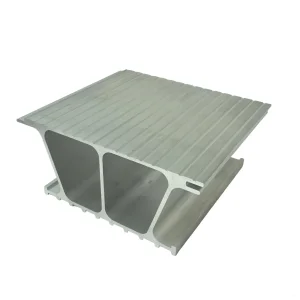
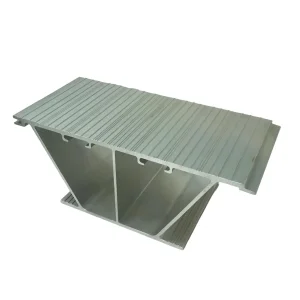
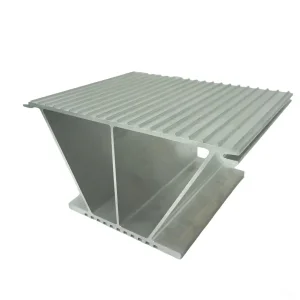
Operating out of Foshan, the epicenter of global structural aluminum production, Lvxing intelligent Equipment Co., Ltd. uses premium raw material billets from **Fenglu Aluminum**. Equipped with heavy extrusion press lines ranging from 800T to 20,000T, we can produce massive structural interlocking profiles of up to 1.2 meters in width and 28 meters in length. This is an essential technical requirement to minimize weld seams and optimize structural integrity on aircraft landing decks.
Our engineering capabilities encompass alloys in the 1xxx, 2xxx, 3xxx, 5xxx, 6xxx, and 7xxx series, specifically focusing on 6082-T6 and 6061-T6 for structural helicopter landing zones. These alloys provide the ultimate tensile strength (UTS) and yield strength required to handle the dynamic landing impacts of heavy rotorcraft like the Sikorsky S-92 or Boeing CH-47 Chinook without structural deflection.
• FAA Advisory Circular 150/5390-2C: Standards for Heliport Design.
• ICAO Annex 14 Volume II: Design and operation codes for international heliports.
• CAP 437: Standards for offshore helicopter landing areas (UK CAA/Global Offshore).
Transforming complex conceptual ideas into precision structural realities with certified reliability.
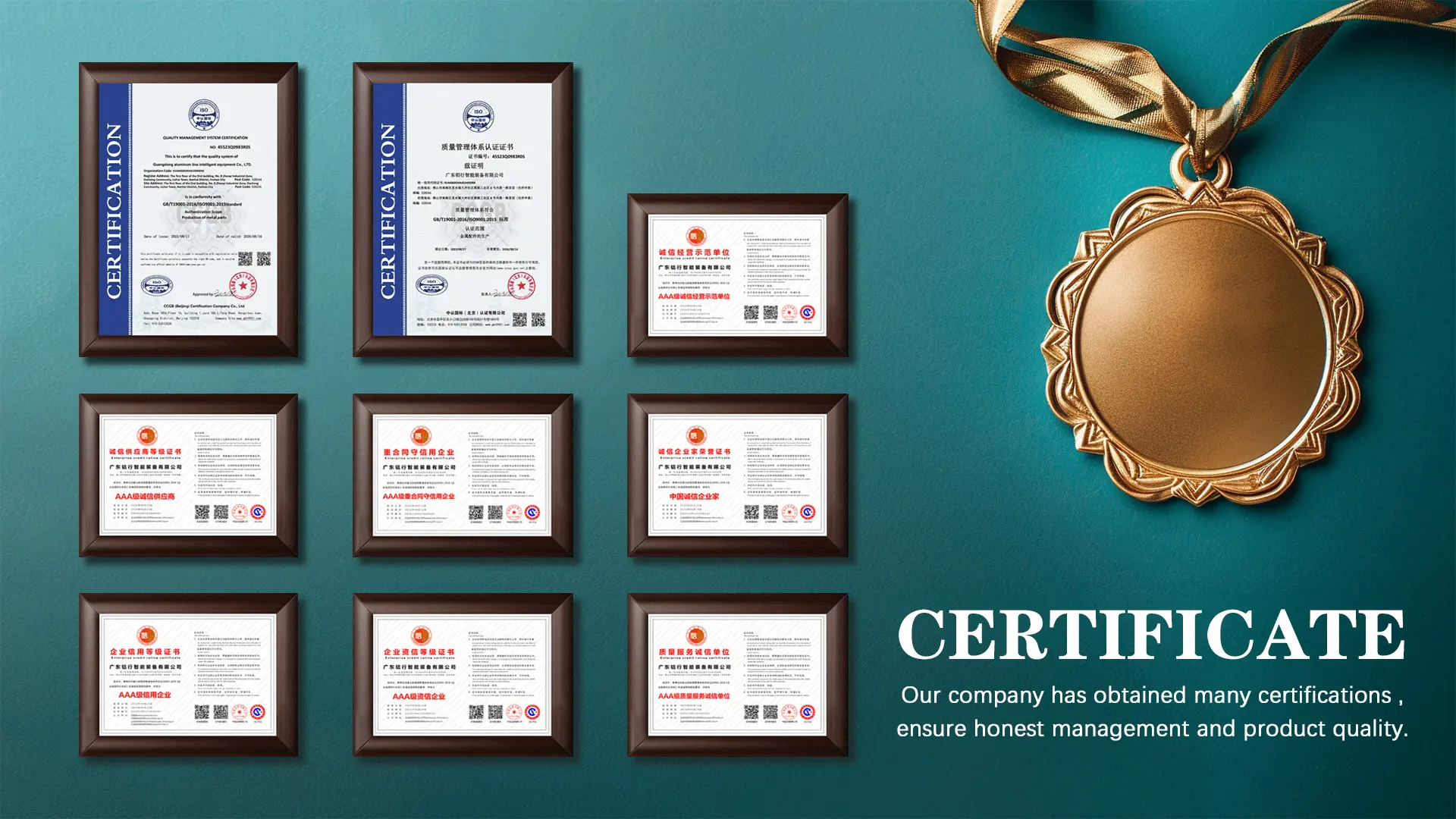
We hold the prestigious "Special Aluminium Materials for Aerospace" Certificate. Combined with GB/T19001-2016 and ISO9001:2015 certifications, our processes assure complete trackability and high material integrity.
Using premium Fenglu raw billets, our extrusion presses range from 800T to a massive 20,000T, allowing us to manufacture fully shaped profiles up to 1.2m wide or 28m long without structural joints.
Our technical team leverages 15 years of practical R&D experience. We consult directly with project architects to identify structural vulnerabilities and streamline structural modular installation paths.
Max Extrusion Press Capacity
R&D Engineering Experience
Maximum Profile Section Width
ISO9001 & Aerospace Quality Audited
Tailored structural configurations designed specifically for the unique architectural and geographical challenges of Washington State.
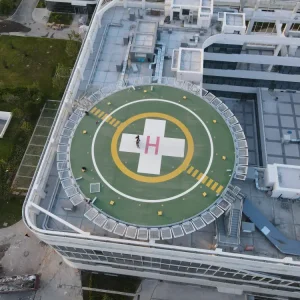
Seattle’s building regulations (SDCI) dictate rigid seismic load paths for rooftops. Our aluminum profiles feature a high strength-to-weight ratio, minimizing additional dead weight on top of high-rise structures. The custom tongue-and-groove interlocking system distributes dynamic landing stresses across a larger horizontal diaphragm, reducing local shear loads on building columns.
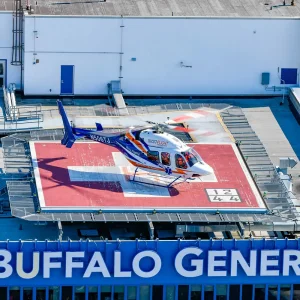
For regional level-1 trauma centers like Harborview Medical Center, uptime is critical. Our aluminum landing decks feature integrated drainage and internal routing channels for hydronic or electrical heating elements. This keeps the pad completely clear of snow and ice during freezing Northwest winters, securing consistent access for emergency medical services (EMS).
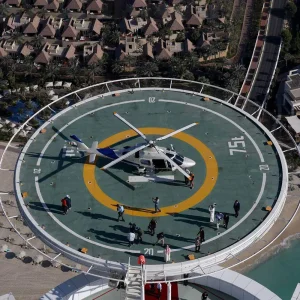
Designed for installation on marine vessels, commercial barges, and offshore platforms. Using marine-grade 5xxx and 6xxx series alloys, these profiles resist saltwater corrosion and severe wind shears. They are fully compatible with CAP 437 specifications and can be integrated with safety nets and perimeter deck drains.
Lvxing is engineering the next generation of intelligent, structural aluminum landing platforms.
Our R&D team, in partnership with structural aviation groups, is designing next-generation extrusions with embedded smart technology. The modern helipad is evolving from a passive aluminum surface into an interactive structural system.
Future profiles will feature pre-extruded internal conduits for fiber-optic strain gauges. This allows structural health monitoring (SHM) systems to analyze real-time impact stresses, record aircraft landings, and alert facility managers of potential structural changes.
Integrating clean heating systems directly into our extruded hollow cavities will eliminate manual snow clearing, reducing operating costs while aligning with Seattle's strict carbon reduction goals.
Answers to critical engineering questions about aluminum helipad selection, design, and local installation.
Explore our full range of structural profiles, specialty high-rise decks, and CE-certified safety netting components.
Whether you are designing a high-seismic skyscraper deck in Seattle or an offshore marine helideck in the Pacific Northwest, our engineering team is here to assist with calculations, alloy selections, and technical quotes.
Send Inquiry Now LvXing