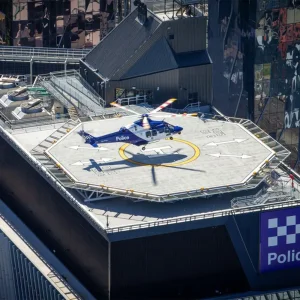
Engineered structural aluminum assemblies and perimeter safety nets certified to international aviation safety regulations.
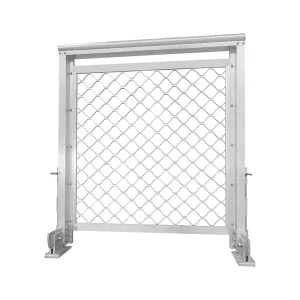
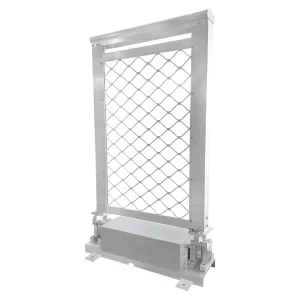
Norway is global leader in offshore petroleum production, maritime shipping, and complex subsea engineering. Operating in the Norwegian Continental Shelf (NCS) and the Barents Sea demands structural installations that can resist extreme wind forces, saltwater spray, dynamic wave loads, and sub-zero temperatures. Under the stringent regulations of Luftfartstilsynet (the Civil Aviation Authority of Norway) and standardizing bodies like NORSOK, offshore helidecks and safety systems must comply with CAP 437 and ICAO Annex 14 rules.
Traditional steel helidecks add excessive topside weight to vessels and floating platforms (FPSOs), raising the center of gravity and increasing maintenance costs due to aggressive marine rust. In contrast, high-grade aluminum alloy profiles (particularly 6000 and 5000 series) deliver superior corrosion resistance, high strength-to-weight ratios, and excellent fracture toughness at low temperatures.
Lvxing’s engineered aluminum helideck profiles and perimeter safety nets provide the ideal balance of lightweight structure and extreme durability. By eliminating welding stress through interlocking extrusion profiles, our systems ensure maximum integrity for critical helicopter landing platforms.
Globally, the aviation and maritime sectors are accelerating their shift toward sustainable, circular materials. Aluminum is infinitely recyclable, making it the material of choice for green maritime initiatives. However, fabricating large-scale, complex structural extrusions requires highly specialized heavy industrial tooling that is expensive to run and manage in Western Europe.
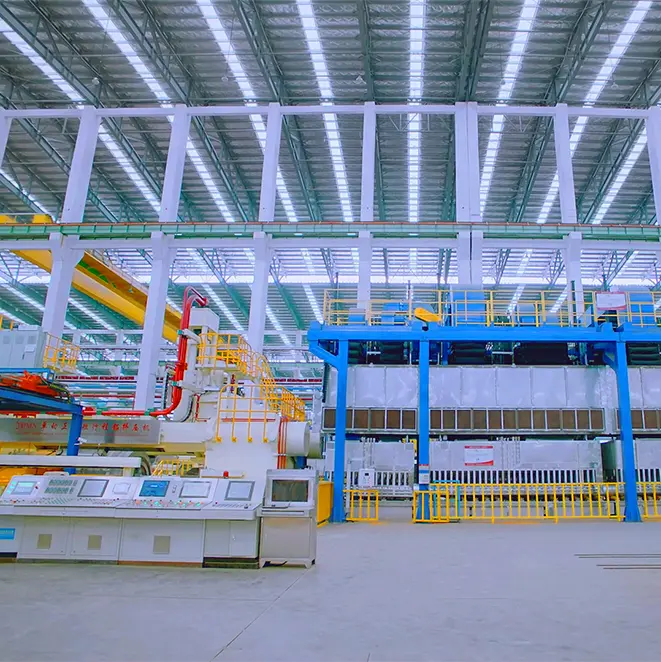
Based in Foshan, the global capital of aluminum processing, LvXing Intelligent Equipment Co., Ltd. leverages a highly optimized regional supply chain. We utilize premium Fenglu raw aluminum and have access to massive extrusion systems ranging from 800T to 20,000T. This enables us to extrude wide profile sections (up to 1.2 meters) and ultra-long structural sections (up to 28 meters) with tight tolerances.
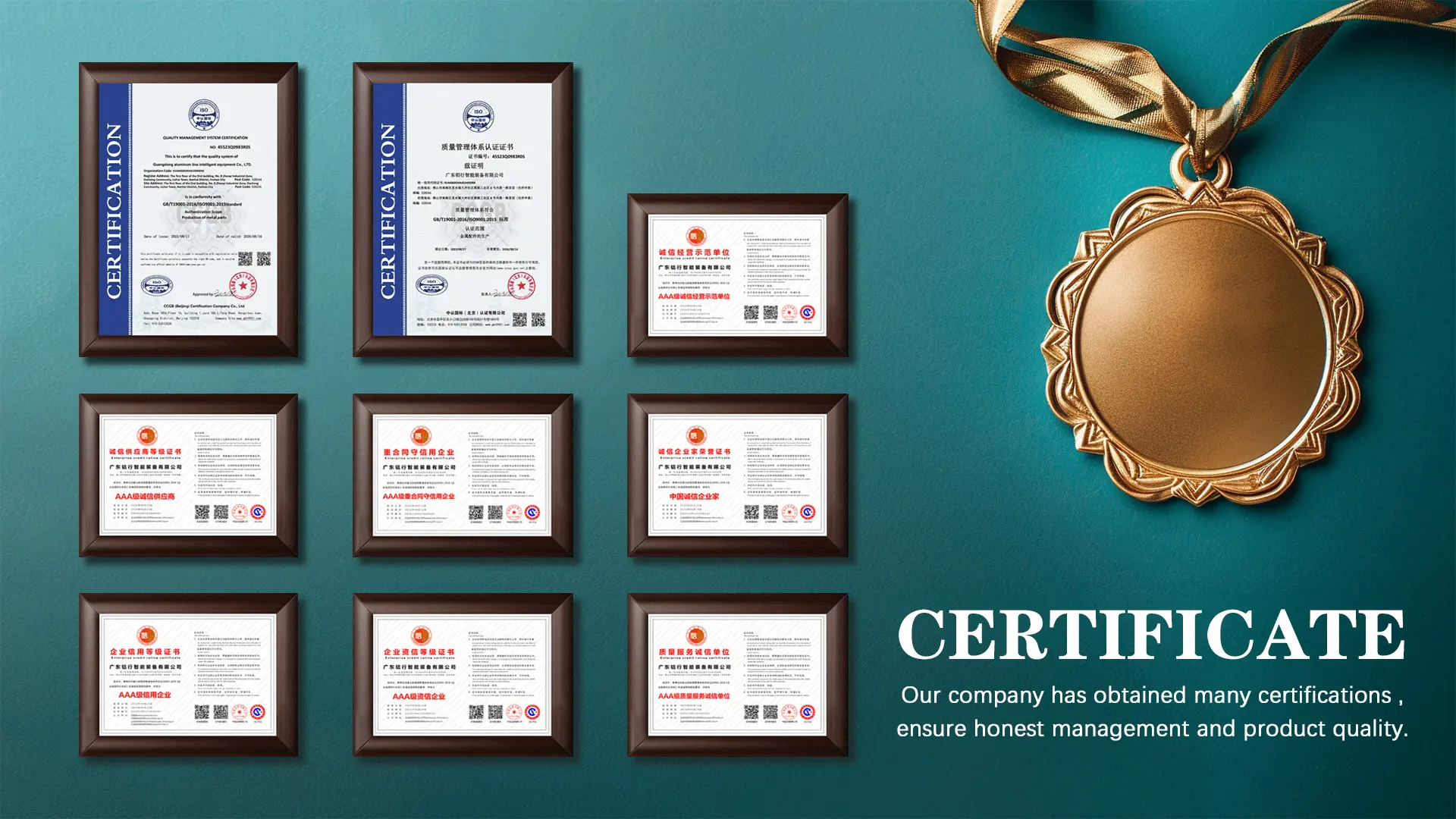
By combining our low-overhead, high-efficiency manufacturing model with rigorous quality assurance systems (certified under GB/T19001-2016 / ISO9001:2015), we supply Norwegian EPC (Engineering, Procurement, Construction) contractors with structural solutions that cut fabrication lead times by up to 40% and total project costs by up to 30%, while offering full material traceability.
Aerospace Quality Standard: We have successfully obtained the highly sought-after "Special Aluminium Materials for Aerospace" Certificate, verifying our strict adherence to physical property limits under extreme stress conditions.
How Lvxing Intelligent Equipment transforms raw alloy concepts into certified aviation-grade offshore components.

We have obtained the “Special Aluminium Materials for Aerospace” Certificate, ensuring the chemical purity and structural load performance of every profile batch we deliver.

We utilize high-quality Fenglu aluminum profiles. With extrusion lines from 800T to 20,000T, we support alloys 1xxx, 2xxx, 3xxx, 5xxx, 6xxx, and 7xxx. We produce shaped products up to 1.2m wide or 28m in length.

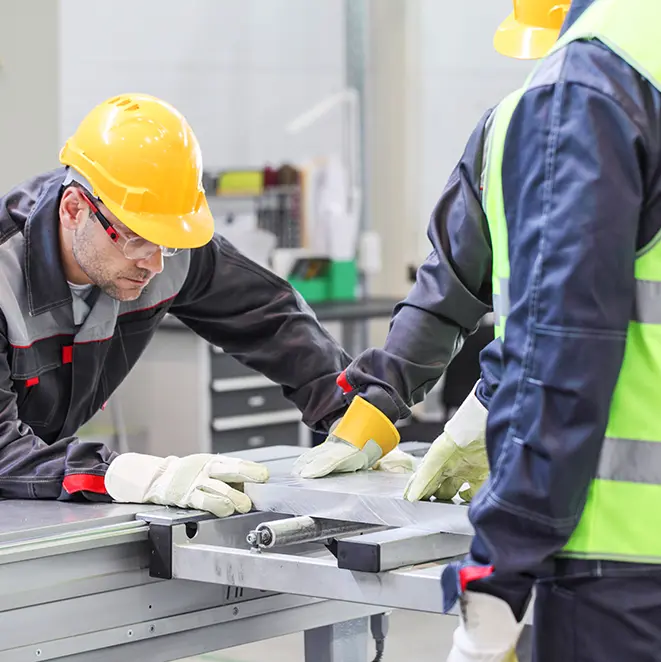
Our dedicated technical team brings 15 years of invaluable experience. We quickly identify structural design anomalies and provide practical design optimization for custom installations.
Specifying high-strength aluminum profiles and safety nets for targeted climates and missions.
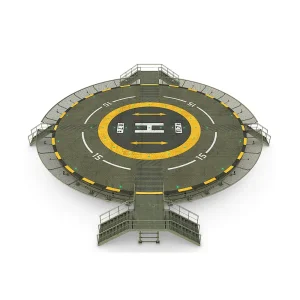
Designed for drilling platforms, FPSOs, and support vessels operating under waves and salty winds. Our marine-grade anodized profiles resist galvanic corrosion, eliminating periodic paint maintenance while shedding tons of weight from topside living quarters.
In sub-zero temperatures in regions like Svalbard or Hammerfest, steel becomes brittle. Our specialized 6082-T6 and 5083 alloys maintain mechanical toughness and structural integrity even at -40°C, ensuring safe, reliable helipad landings during emergency operations.
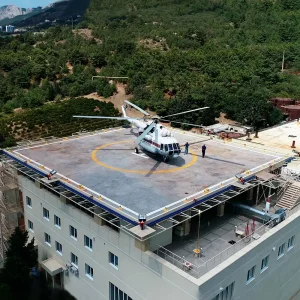
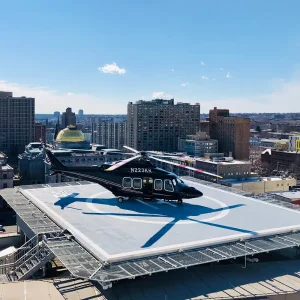
Designed for municipal emergency systems in Oslo, Bergen, and Trondheim. A lightweight aluminum deck distributes structural loads evenly across existing building supports, allowing hospitals to retrofit emergency helipads without needing expensive reinforcement of older structures.
| Alloy Designation | Tempering | Tensile Strength (MPa) | Corrosion Resistance | Primary Application Area |
|---|---|---|---|---|
| Alloy 6082 | T6 | 290 - 310 | Excellent (Marine/Atmospheric) | Main Structural Helipad Beams, Decking Planks |
| Alloy 5083 | H112 / H321 | 270 - 300 | Outstanding (Saltwater Submerged) | Underdeck support brackets, marine safety net frames |
| Alloy 6061 | T6 | 260 - 290 | Very Good (Industrial) | Standard framing, landing gear profiles, handrails |
| Alloy 6063 | T6 | 215 - 230 | Good (General Purpose) | Perimeter drainage channels, safety mesh accents |
Navigating quality assurance, certification, and shipping processes for critical offshore assets.
Technicians review custom drawings to verify shear stress limits, wind loads, and deck drainage paths.
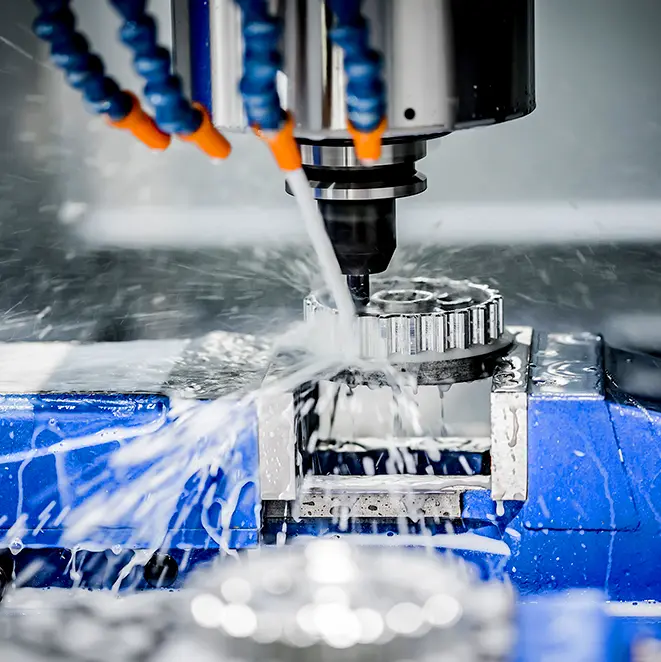
Profiles are extruded on lines up to 20,000T and anodized or powder-coated to resist marine corrosion.
We run load testing and safety net drop tests to verify compliance with CE and Norwegian standards.
We pack products securely and ship them to major Norwegian ports, including Stavanger, Bergen, and Oslo.
Explore our complete catalog of certified helipad products, safety nets, and customizable support frames.
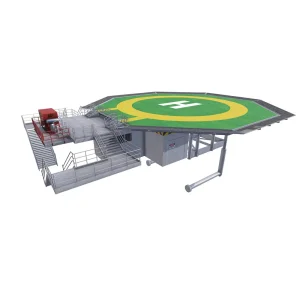
Get answers to common technical, regulatory, and shipping questions when sourcing helideck equipment for Norway.
Whether you are designing an offshore oil rig deck in the Barents Sea, retrofitting an emergency hospital helipad in Bergen, or sourcing materials for a custom aircraft hangar, Lvxing Intelligent Equipment offers the technical expertise and manufacturing capacity to deliver. Speak directly with our engineering team today.
Send Inquiry Now LvXing