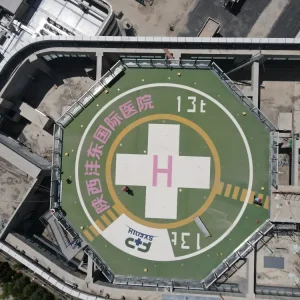
Pre-engineered aluminum modular profiles and perimeter safety nets optimized for Colombian structural codes.
An Analysis of High-Altitude Performance, Coastal Salinity, and Structural Aluminum Solutions
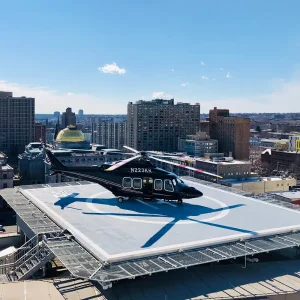
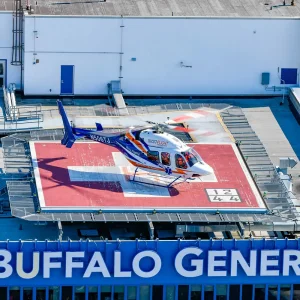
Cities like Bogotá (elev. ~2,600m) feature reduced air density, demanding larger, heavier twin-engine rescue helicopters (e.g., Bell 412, AW139) to maintain lift capacity. Our modular 6000-series structural aluminum profiles are calculated to handle increased dynamic landing impact loads without penalizing old buildings' structural columns with dead-load.
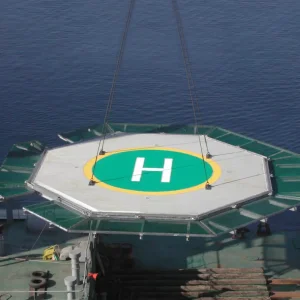
Offshore oil extraction platforms near Barranquilla and maritime security vessels require highly corrosion-resistant alloys. By utilizing Fenglu marine-grade aluminum profiles (5xxx and 6xxx series) treated with high-micron clear anodizing or marine epoxy coating, we prevent galvanic corrosion caused by harsh salt spray.
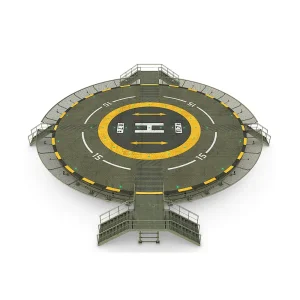
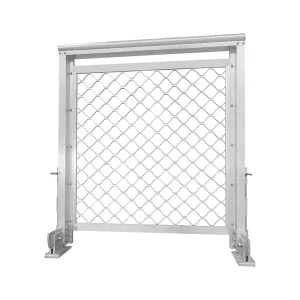
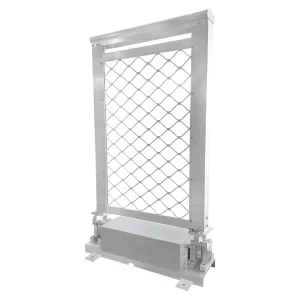
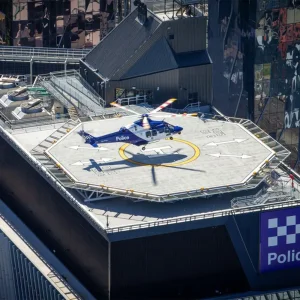
In accordance with Aerocivil (UAEAC) regulations and the ICAO Annex 14 Volume II standard for Heliports, all physical designs require rigorous perimeter protection. Our CE-certified handrails and perimeter safety nets satisfy high-impact load drops of 122 kg from a height of 1 meter without structural failure.
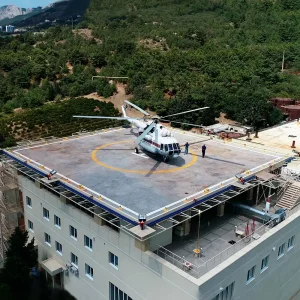
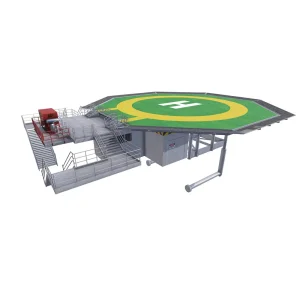
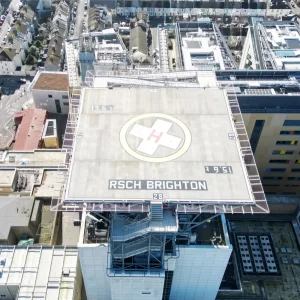
Traditionally, concrete and structural steel were the primary materials for helipad construction in South America. However, modern civil engineering is increasingly favoring extruded aluminum structural planking. Aluminum decks weigh up to 70% less than concrete, eliminating major structural reinforcement costs on existing hospitals and high-rises. In Colombia, where seismic loading (under NSR-10 codes) is a vital design input, reducing the elevated mass at the top of a building dramatically lowers the horizontal seismic forces exerted on the building's core.
Furthermore, prefabricated modular designs allow quick assembly in dense metropolitan areas like Medellín and Cali. Profiles are shipped pre-cut and interlocked on-site using specialized shear-friction bolting systems, removing the need for hot-work permits or massive structural welding on rooftops.
Established in 2015 and located in Foshan City, Guangdong, LvXing Intelligent Equipment Co., Ltd. boasts a skilled R&D team with extensive experience. We leverage exceptional technical expertise to effectively transform customers' ideas into reality, consistently meeting their precise requirements.
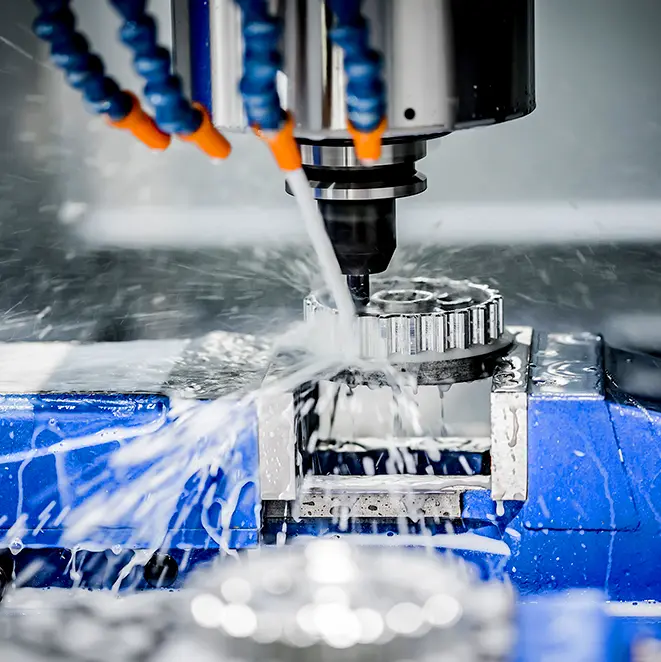
We utilize premium Fenglu aluminum, offering a diverse range of profiles for flexible applications. Our extrusion lines, ranging from 800T to 20,000T, accommodate alloys 1xxx, 2xxx, 3xxx, 5xxx, 6xxx, and 7xxx, allowing us to produce shaped products with section dimensions up to 1.2 meters in width and 28 meters in length. These products are recognized for their precision and meticulous processing, finding broad application in aerospace, military, medical, and industrial sectors.
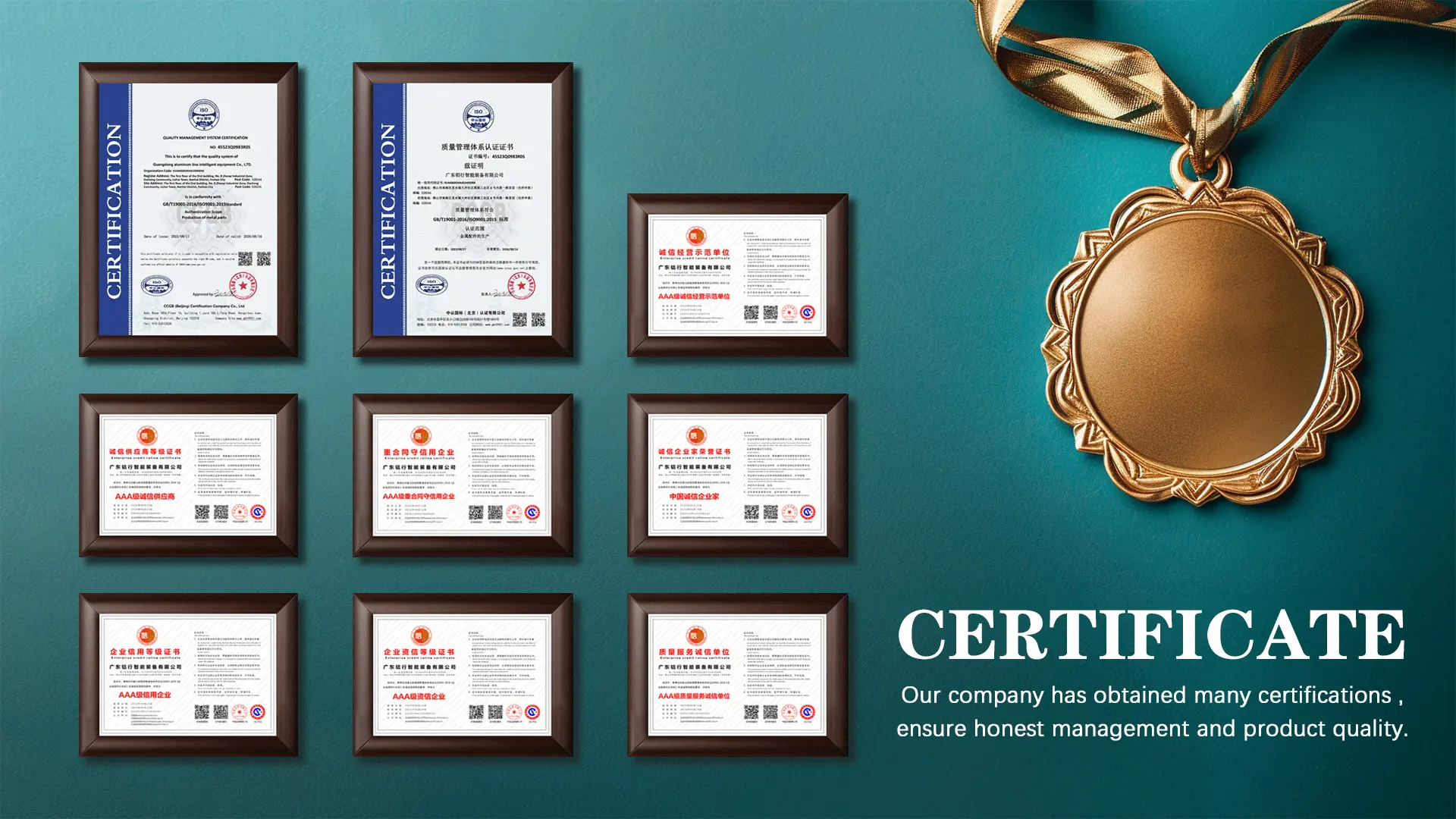
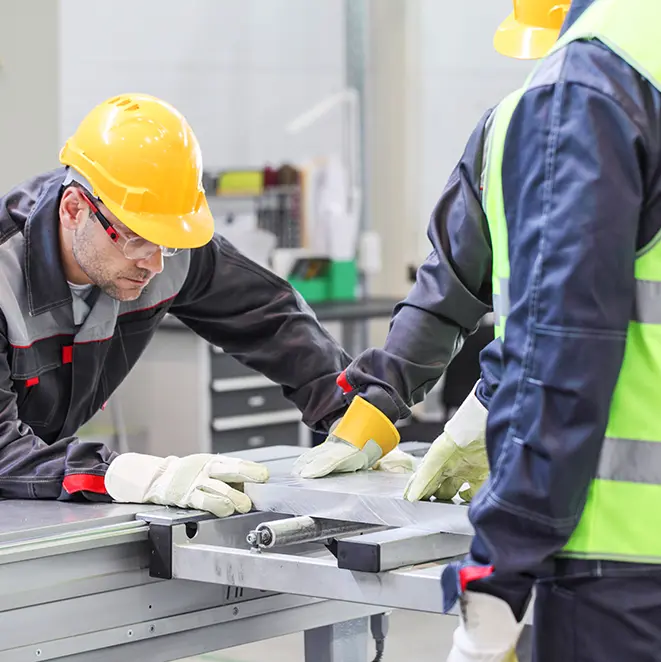
Our commitment to excellence is evident throughout the manufacturing process, rigorous quality control, thorough packaging, and efficient shipping procedures. This dedication has earned us recognition as a national excellent and honest enterprise, along with quality system certification in accordance with GB/T19001-2016/ISO9001:2015 standards.
Advanced Material Science Applied to Helicopter Landing Decks
Our aluminum profiles feature double-walled, hollow, multi-void geometries with internal stiffeners optimized via Finite Element Analysis (FEA). The snap-fit male-female joints ensure uniform distribution of shear stresses caused by high point-loading from helicopter landing gears (skids or wheels).
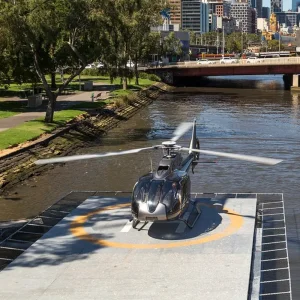
Landing surfaces are machined with integrated micro-grooves to facilitate quick run-off of rainwater during heavy tropical downpours typical of the Andean and Pacific coastal climates. The knurled surface structure guarantees a high skid-resistance factor matching international civil aviation standards.
The aluminum planks are securely fastened to an underlying support grid, also constructed from heavy-duty extruded aluminum profiles. The sub-frame transfers the dynamic load down to structural concrete pillars or structural steel columns of the primary building using custom expansion and isolate pads.
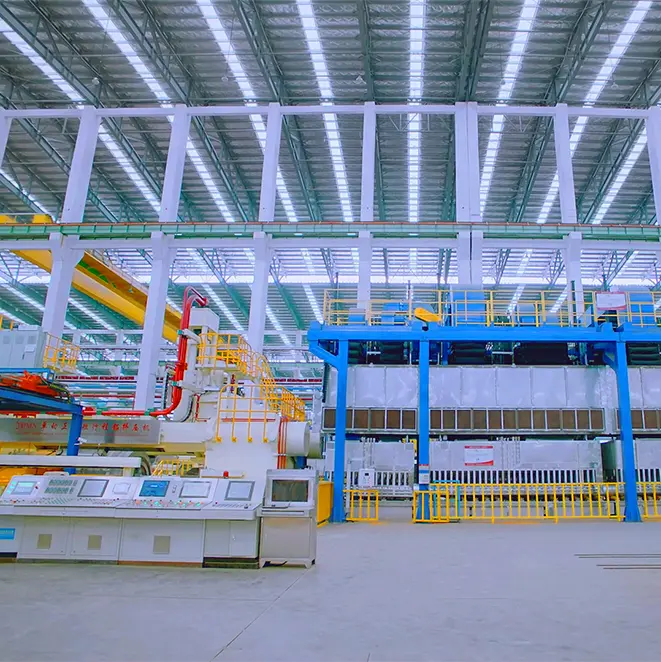
Combining world-class production facilities with decades of research and development



Premium grade safety wire nets and mesh structures certified for Colombian marine and urban environments.
Technical answers regarding wind load, corrosion, weight savings, and Aerocivil regulations
Engineered for high-stress municipal, medical, maritime, and security applications.
 LvXing