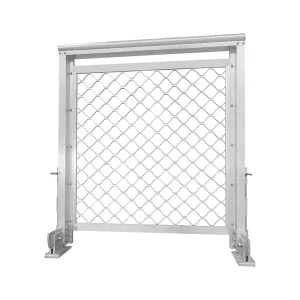
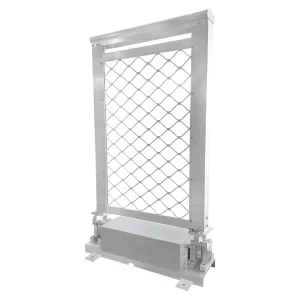
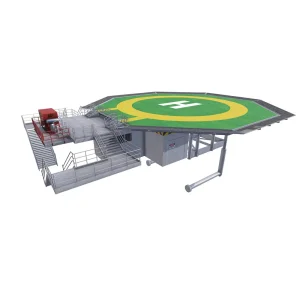
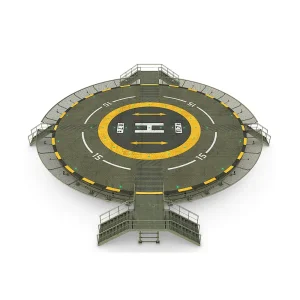
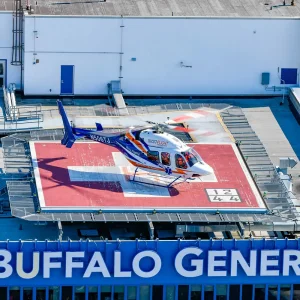
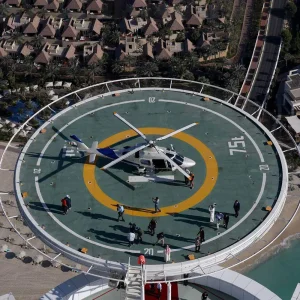
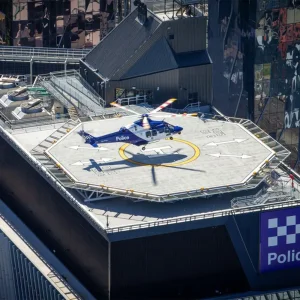
Engineered to comply with EASA guidelines and Romanian civil aviation requirements. Featuring corrosion-resistant aluminum structures and quick-deployment perimeter safety nets.
Romania is currently experiencing a monumental shift in its aviation and emergency medical infrastructure. Key governmental programs, including the expansion of the SMURD (Serviciul Mobil de Urgență, Reanimare și Descarcerare) emergency network, are mandating the integration of certified rooftop helipads across all newly constructed and modernized regional hospitals in cities like Bucharest, Iași, and Cluj-Napoca. In these mission-critical sectors, structural reliability, lightweight design, and strict EASA (European Union Aviation Safety Agency) compliance are non-negotiable parameters.
Simultaneously, the industrial landscape in the Black Sea region is thriving. Offshore natural gas projects, such as the Neptun Deep deepwater block, demand rugged, marine-grade aluminum helidecks for platforms and floating production storage and offloading (FPSO) units. The harsh environments of the Black Sea present extreme challenges: high salinity, constant moisture, and strong winds. Standard steel decks fall short due to extensive maintenance requirements, heavy weight, and accelerated corrosion rates. Specialized marine-grade aluminum alloys, particularly the 6xxx and 5xxx series, have emerged as the industry gold standard.
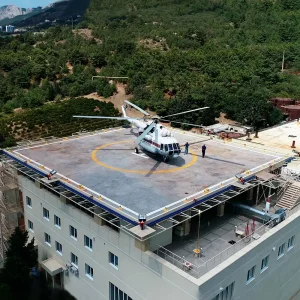
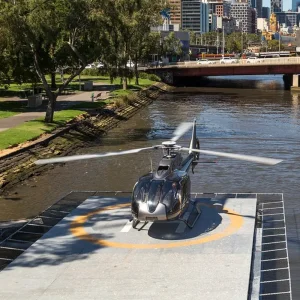
Supporting the expansion of SMURD helipads atop major regional hospitals with safety nets and structural decks meeting EASA standards.
Delivering structural profiles resilient to Black Sea's C5-M high-salinity marine environments for offshore supply vessels and platforms.
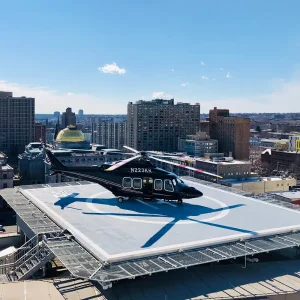
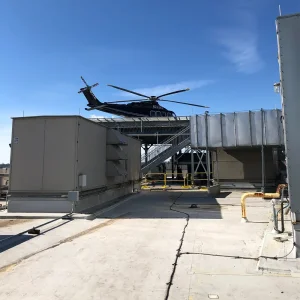
Providing customized profile configurations to address structural load limits on high-rise office towers in Bucharest.
For modern civil engineering and aviation projects, aluminum profiles offer an unmatched strength-to-weight ratio. Designing rooftop landing platforms requires strict load limits to prevent building structural fatigue. Extruded aluminum helipads are approximately 60% lighter than equivalent concrete structures and 40% lighter than structural steel. This weight reduction directly translates to lower structural reinforcement costs for the building envelope.
Furthermore, pre-engineered interlocking aluminum planks allow for modular construction. In cities like Timișoara or Brașov where weather windows can restrict traditional casting and concrete operations, modular aluminum decks can be assembled on-site in a fraction of the time, without hot work or extensive heavy cranes.
Helipads are not just structural platforms; they are active aviation safety installations. Every component, from the structural deck profiles to the perimeter safety mesh, must adhere to strict regulatory compliance frameworks:
LvXing Intelligent Equipment designs and manufactures all components to meet these strict specifications, providing full traceability documentation and factory-testing reports.
Established in 2015 and located in Foshan City, Guangdong, LvXing Intelligent Equipment Co., Ltd. boasts a skilled R&D team with extensive experience. We leverage exceptional technical expertise to effectively transform customers' ideas into reality, consistently meeting their precise requirements.
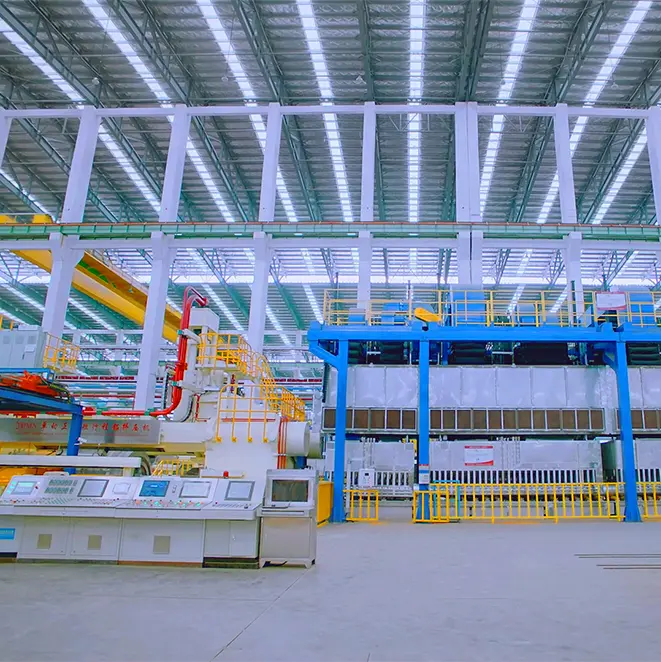
We utilize premium Fenglu aluminum, offering a diverse range of profiles for flexible applications. Our extrusion lines, ranging from 800T to 20,000T, accommodate alloys 1xxx, 2xxx, 3xxx, 5xxx, 6xxx, and 7xxx, allowing us to produce shaped products with section dimensions up to 1.2 meters in width and 28 meters in length. These products are recognized for their precision and meticulous processing, finding broad application in aerospace, military, medical, and industrial sectors.
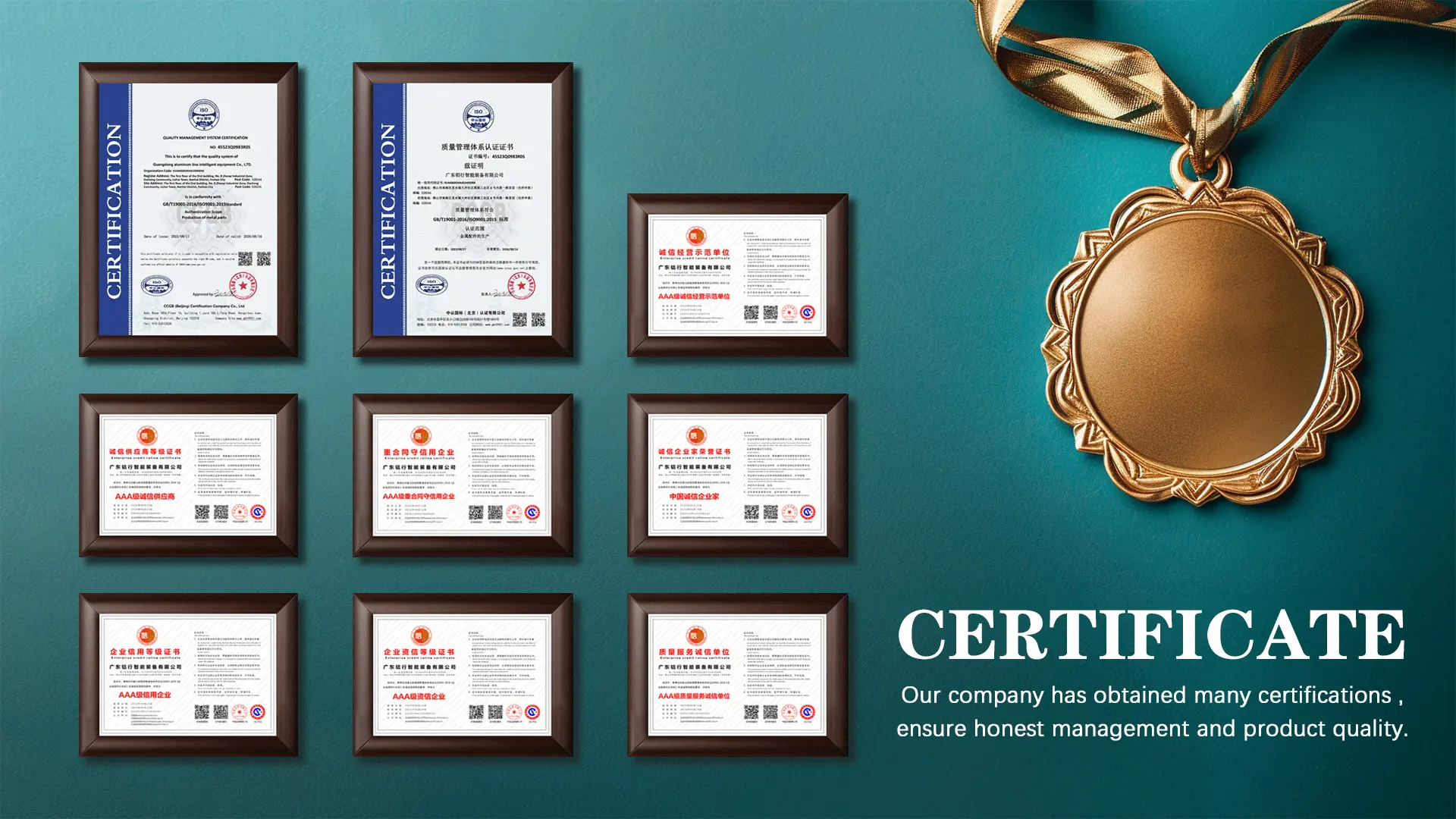
Our commitment to excellence is evident throughout the manufacturing process, rigorous quality control, thorough packaging, and efficient shipping procedures. This dedication has earned us recognition as a national excellent and honest enterprise, along with quality system certification in accordance with GB/T19001-2016/ISO9001:2015 standards. We aspire to be your trusted business partner and warmly invite you to visit our factory.

We have obtained the official “Special Aluminium Materials for Aerospace” Certificate, ensuring that our products meet the highest standard of structural resilience required for flight operations.
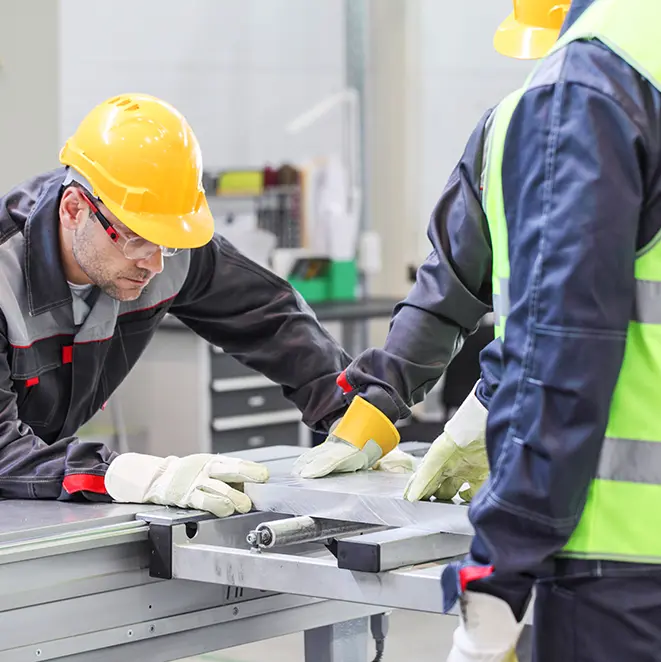

We utilize high-quality Fenglu aluminum profiles. With extrusion lines ranging from 800T to 20,000T, we manufacture alloys (1xxx to 7xxx) up to 1.2 meters in width or 28 meters in length.
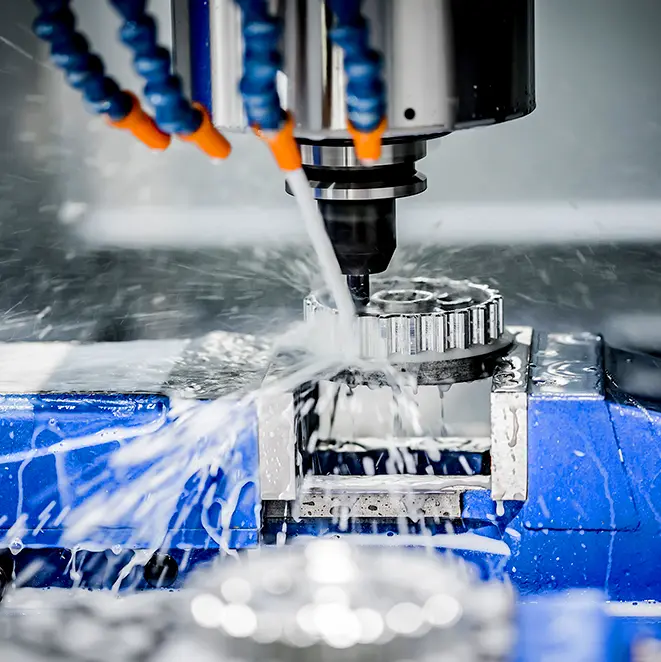

Our team of senior technicians possesses 15 years of invaluable experience. We identify potential issues early, offering practical engineering insights to tailor profiles to your custom designs.
From initial drawing verification to custom structural extrusion and global logistic handling, we ensure a seamless procurement experience for Romanian contractors.
Our R&D team reviews your CAD drawings, adjusting section widths and alloys for structural loading requirements.
Utilizing our 800T to 20,000T extruders to shape high-grade structural alloys with tight dimensional tolerances.
Manufacturing custom manual or motorized perimeter safety nets certified to withstand rigorous impact testing.
Providing full CE, ISO9001, and material mill sheets before shipping directly to Constanța Port or European land networks.
Browse through our comprehensive range of certified helipad decks, safety meshes, and application-specific profiles.
Detailed engineering answers to address your design, compliance, and import questions for projects in Romania.
Consult our engineering team for specialized profile calculations, custom structural load designs, and comprehensive cost breakdowns for your Romanian infrastructure project.
Send Inquiry Now LvXing