Direct supply of certified peripheral netting engineered for complex urban rooftops, emergency hospitals, and civil structures.
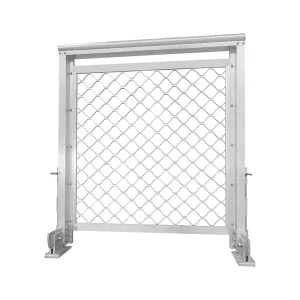
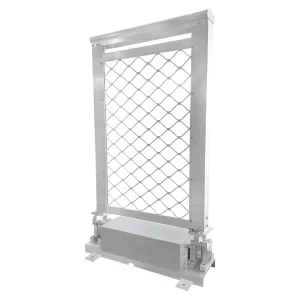
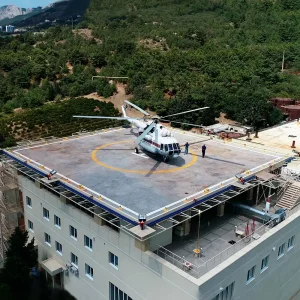
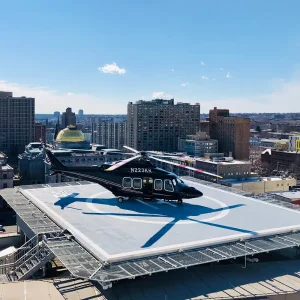
The Paris metropolitan region (Île-de-France) is currently undergoing a massive evolution in both traditional civil aviation and pioneering Urban Air Mobility (UAM). With key transportation nodes such as the historical Issy-les-Moulineaux Heliport (LFPI) adjusting to environmental frameworks and the expansion of emergency medical networks (SAMU) at major hospitals like the Hôpital de la Pitié-Salpêtrière, structural standards for helipads are stricter than ever before.
Additionally, the launch of Europe’s first operational vertiports in the Paris region—serving eVTOLs (electric vertical takeoff and landing aircraft) and advanced emergency transport—has introduced complex loading and structural dynamics. Standard concrete platforms are rapidly being phased out or retrofitted with modular, lightweight structural extruded aluminum profiles.
Aluminum profiles offer a uniquely balanced density-to-strength ratio that reduces load-bearing demands on historical Paris rooftops. Concurrently, French civil aviation authorities (DGAC) and the European Union Aviation Safety Agency (EASA) mandate precise structural guidelines for peripheral protection. This has made high-tensile safety netting and high-grade aluminum profiles critical components in structural approvals.
As the French government pushes for greener and quieter aviation infrastructures, prefabricated modular aluminum profiles represent a key development path: they are 100% recyclable, quick to assemble without hot works, and highly corrosion-resistant against urban pollution and acid rain.
Upgrading existing rooftop layouts to handle heavier, modern twin-engine medical helicopters (e.g., Airbus H145, H160) requiring high-bearing profiles.
Strict regulatory alignment regarding friction coefficient, visual markings, and drop-tested perimeter safety netting systems.
Preference for structural aluminum over steel/concrete to limit structural carbon footprint and streamline off-site modular fabrication.
Helipads are dynamic loading zones subjected to extreme aerodynamic downwash, impact forces during emergency landings, and aggressive weathering. Relying on premium structural aluminum alloys (specifically the 6xxx series) is standard practice for modern civil heliport engineering.
| Alloy Grade | Yield Strength (Min) | Tensile Strength (Min) | Corrosion Resistance Rating | Primary Helideck Application |
|---|---|---|---|---|
| 6082-T6 | 250 MPa | 290 MPa | Excellent (Marine & Industrial) | Main deck structural support joists, primary extrusion planks. |
| 6061-T6 | 240 MPa | 276 MPa | High | Perimeter frame profiles, truss systems, connector brackets. |
| 6063-T6 | 170 MPa | 215 MPa | Excellent | Safety net structural frames, auxiliary railings, cable conduits. |
| 5052 / 5083 | 190 MPa (5083) | 270 MPa | Outstanding (Salt Spray Resistance) | Offshore shipborne deck plating and peripheral drainage channels. |
Aluminum profiles utilized in helipad structures are typically manufactured using large-scale hydraulic presses. These profiles incorporate integrated fastening channels, mechanical interlocking systems (tongue-and-groove design), and micro-grooved or knurled surfaces to guarantee friction and slip resistance—even in ice, snow, or rain. The structural rigidity is computed using Finite Element Analysis (FEA) to safely handle impact loads up to 3.25 times the Maximum Takeoff Weight (MTOW) of the designated aircraft, complying fully with ICAO Annex 14 and UK CAA CAP 437 guidelines.
Parisian urban environments present localized chemical challenges, including sulfur oxides, nitrogen dioxide, and winter de-icing compounds. Our aluminum alloys undergo advanced surface treatments. Anodizing (Class 20 or Class 25, 20-25 microns thick) or high-durability polyester powder coating provides complete isolation from the elements, ensuring a lifespan exceeding 30 years without the need for recurring painting or rust prevention treatments typical of structural steel.
Established in 2015 and located in Foshan City, Guangdong, LvXing Intelligent Equipment Co., Ltd. boasts a skilled R&D team with extensive experience. We leverage exceptional technical expertise to effectively transform customers' ideas into reality, consistently meeting their precise requirements.
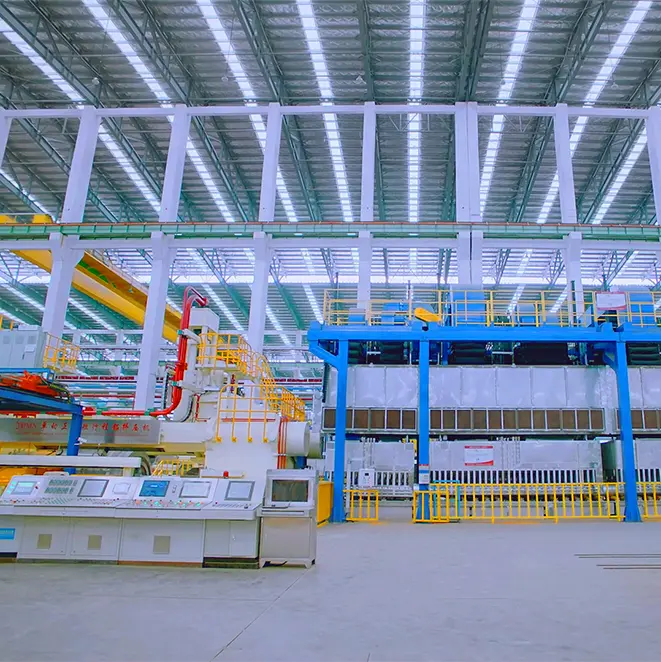
We utilize premium Fenglu aluminum, offering a diverse range of profiles for flexible applications. Our extrusion lines, ranging from 800T to 20,000T, accommodate alloys 1xxx, 2xxx, 3xxx, 5xxx, 6xxx, and 7xxx, allowing us to produce shaped products with section dimensions up to 1.2 meters in width and 28 meters in length. These products are recognized for their precision and meticulous processing, finding broad application in aerospace, military, medical, and industrial sectors.
Our commitment to excellence is evident throughout the manufacturing process, rigorous quality control, thorough packaging, and efficient shipping procedures. This dedication has earned us recognition as a national excellent and honest enterprise, along with quality system certification in accordance with GB/T19001-2016/ISO9001:2015 standards.
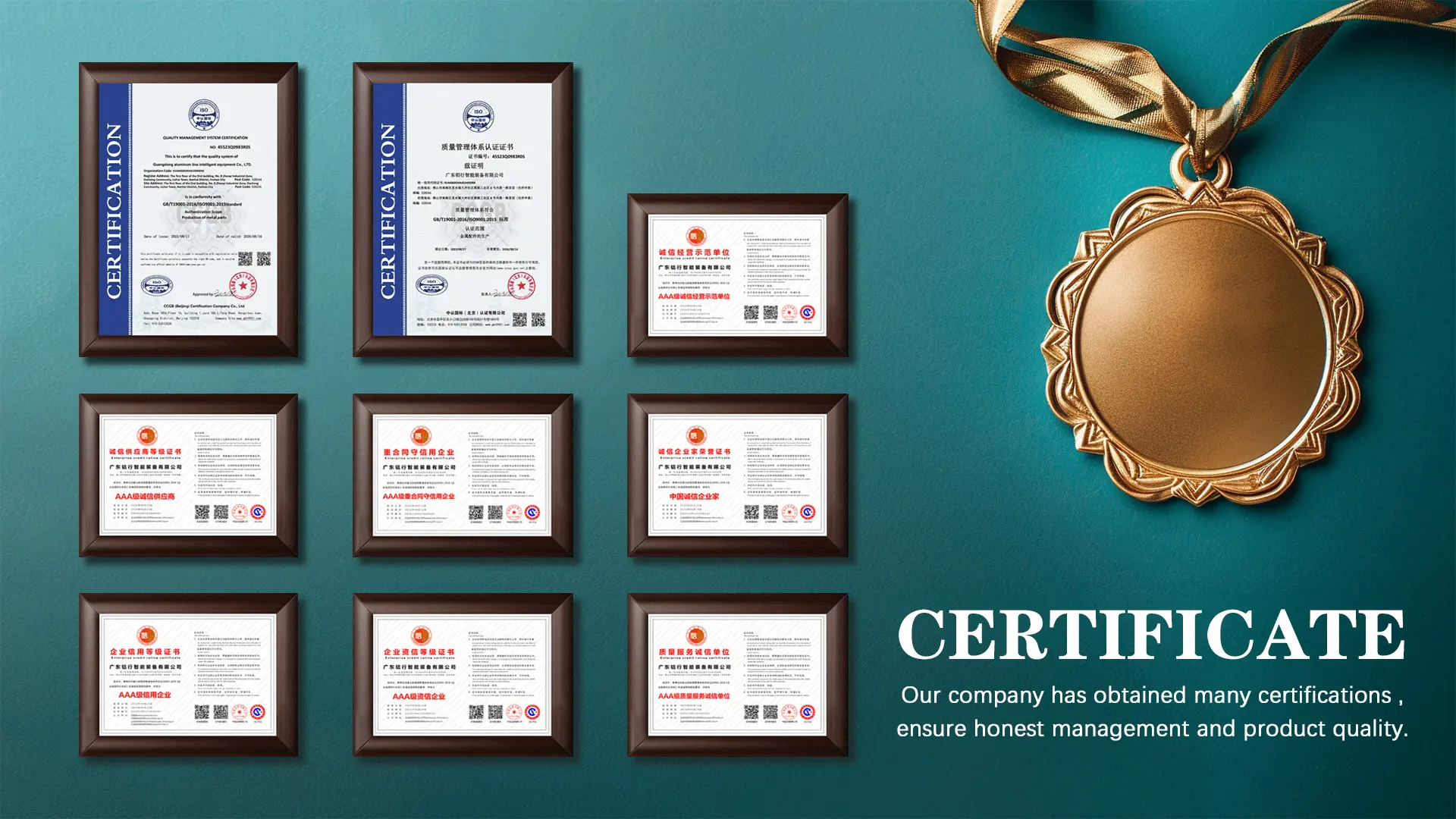
 Aerospace Materials
We have obtained the “Special Aluminium Materials for Aerospace” Certificate, ensuring compliance with top-tier structural standards globally.
 World-Class Extrusion
Utilizing premium Fenglu profiles. With extrusion capacities from 800T to 20,000T, producing parts up to 1.2m wide and 28m long.
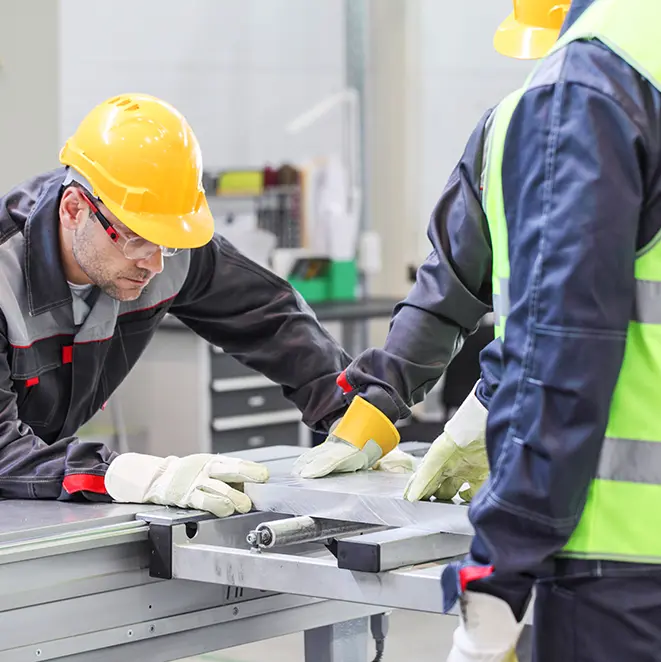
 15+ Years Experience
Our technical team boasts 15 years of invaluable experience, translating complex design requirements into precise, field-ready profiles.
Operating out of Foshan—the silicon valley of aluminum extrusion—LvXing leverages China’s highly integrated industrial ecosystem to offer unmatched supply chain resilience. Under our Industry 4.0 smart factory model, we combine raw material preparation, extrusion, heat treatment, multi-axis CNC machining, anodizing, and load testing into a highly synchronized, single-location production cycle.
This deep vertical integration minimizes production delays. While typical European structural suppliers quote 16 to 24 weeks for specialized aluminum profile designs, our smart scheduling and continuous supply partnerships with premium ingot refineries allow us to ship custom profiles within 6 to 8 weeks, with direct logistics pipelines into European hubs like Le Havre and Paris-Charles de Gaulle.
Quality reliability is guaranteed through our multi-step testing protocol. Every batch of profile undergoes spectrometer material testing, ultrasonic internal flaw scanning, and mechanical tensile testing before entering the packaging line. This absolute traceability meets the strict EASA requirements and satisfies European general contractors who demand certified structural safety for high-risk rooftop infrastructure projects.
By bypassing multiple middlemen and utilizing highly automated, energy-efficient extrusion presses (up to 20,000T capacity), we yield high material utilization rates. These efficiency gains are passed directly to our procurement partners in the form of optimized project costs and highly stable pricing.
Our structural aluminum profiles and safety net systems are engineered for diverse deployment scenarios throughout France’s primary commercial, medical, and maritime networks.
Direct, vibration-dampening deck assemblies and perimeter safety nets tailored for emergency trauma centers. High load-bearing designs accommodate continuous operations by heavy medical transport helicopters.
Lightweight elevated structures that preserve the structural integrity of high-rise building slabs. Pre-engineered modular components bypass the need for crane lifting of heavy steel sections during retrofitting.
Highly anodized marine-grade aluminum profiles and specialized alloy wire mesh safety nets designed to withstand aggressive salt spray, continuous humidity, and severe dynamic pitching forces.
Browse our full range of custom solutions, all fully traceable and manufactured using premium Fenglu raw materials.
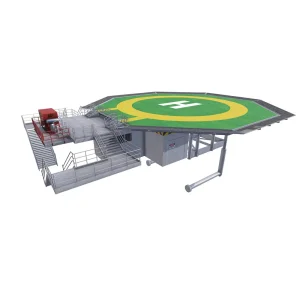
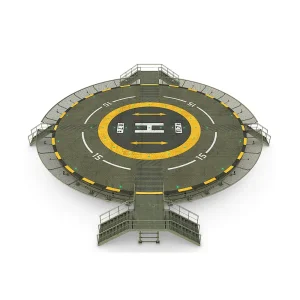
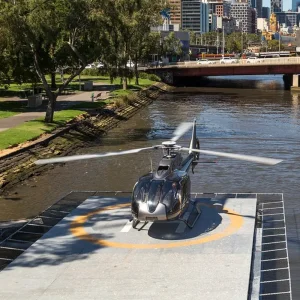
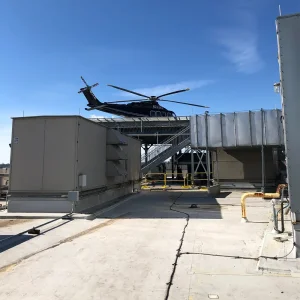
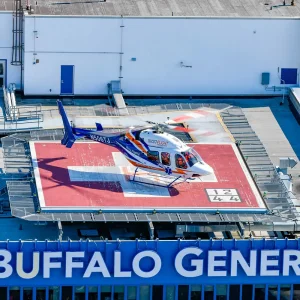
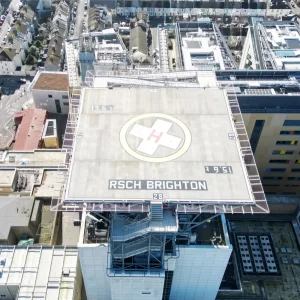
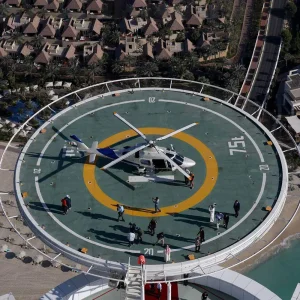
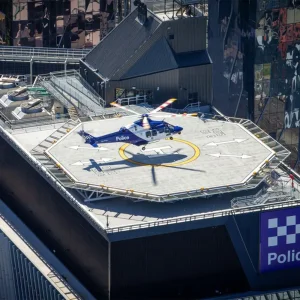
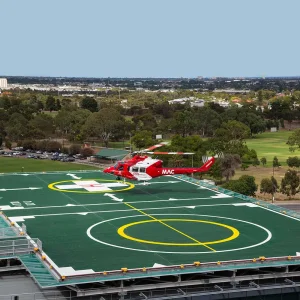
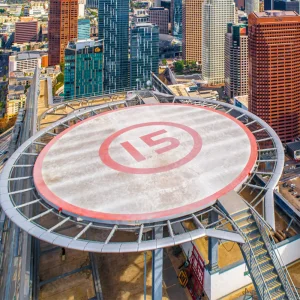
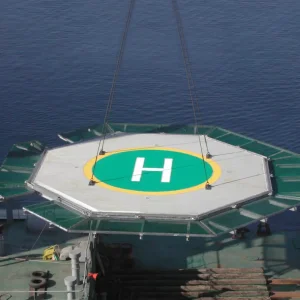
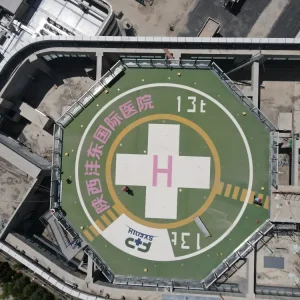
Global architectural and engineering (A&E) companies demand high-precision alignment between architectural drawings and factory-extruded parts. At LvXing, our custom design pipeline interfaces directly with BIM (Building Information Modeling) and CAD software formats. This ensures every profile is pre-cut, pre-drilled, and tagged to match local site installation guides, minimizing assembly labor errors in metropolitan Paris projects.
We work closely with structural consultants to configure profiles that support additional emergency equipment: integrated LED lighting channels for night landing, built-in gutters for fuel spillage control, and dynamic heating wire chases to prevent ice formation during European winters.
For international shipments, particularly within the EU, cargo handling and protective packaging are crucial. We construct heavy-duty steel and wooden framing crates to secure the structural aluminum sections during ocean transit, preventing surface friction and mechanical damage. All shipments are accompanied by comprehensive compliance documents: mill test reports (MTR), CE conformity certification, ISO9001 certificates, and detailed dimensional inspection checklists, facilitating smooth customs clearance at French ports.
From initial design to global deployment, we ensure structural precision and regulatory compliance at every stage.
Our R&D team reviews local wind loads, helicopter MTOW, and building slab capacity, performing finite element analysis to optimize aluminum alloy selection (6082-T6 vs 6061-T6).
Utilizing our advanced extrusion lines (up to 20,000T), we press structural profiles up to 1.2m wide, followed by artificial aging to achieve optimal T6 temper strength.
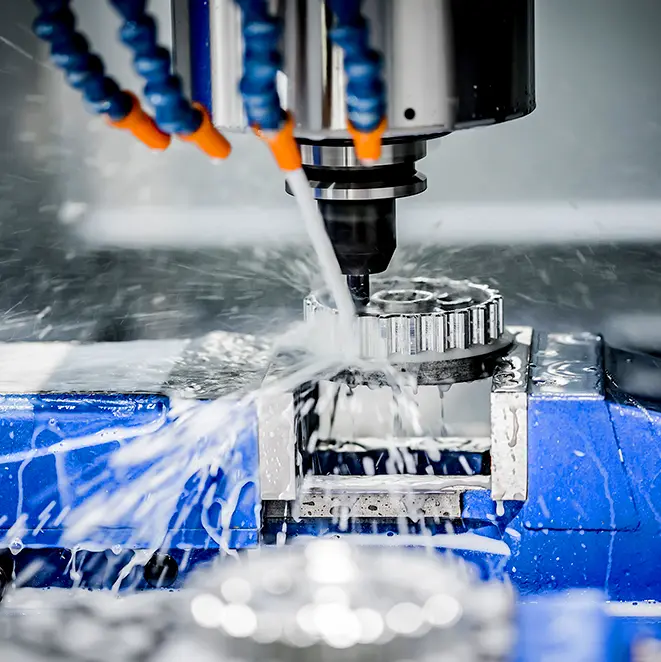
Profiles are precision cut, drilled, and milled using multi-axis CNC machines. Surface finishing includes architectural-grade anodizing or custom powder coating to ensure C5-M marine-level durability.
Perimeter safety nets undergo structural impact testing (drop-test validation) to confirm they conform to CAP 437 and EASA requirements before final shipment.
Key engineering and regulatory questions answered by our technical department.
Aluminum structural profiles weigh up to 60% less than traditional concrete and structural steel, significantly reducing dead-load pressure on rooftops. This is particularly crucial for older buildings in Paris. Additionally, aluminum requires zero maintenance, is corrosion-resistant, and supports faster, bolt-together onsite assembly without hot works.
Yes. Our perimeter safety nets and aluminum frames are built and tested in accordance with EASA CS-HST-ALN (Heliports) and UK CAA CAP 437 standards. They are designed to withstand drop tests of up to 100 kg from a height of 1 meter, absorbing kinetic energy without permanent deformation.
To provide an accurate technical quote, we require: 1) The maximum takeoff weight (MTOW) of the helicopter to determine load-bearing calculations. 2) Dimensions and shape requirements of the deck (square, octagonal, or round). 3) The elevation type (ground-level, rooftop, or offshore). 4) Surface finishing preferences (e.g., specific anodizing levels or powder coating colors).
We partner with top-tier primary aluminum smelters like Fenglu to source consistent, high-purity aluminum ingots. Every production run is accompanied by a mill test certificate specifying the chemical composition and mechanical properties of the batch. In-house testing ensures that magnesium and silicon content are balanced, preventing micro-structural weakness.
Get in touch with our engineering support team to request detailed load calculations, technical catalogs, and project-specific price quotations.
Send Inquiry Now LvXing