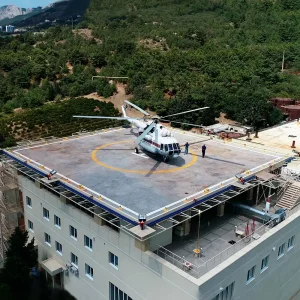
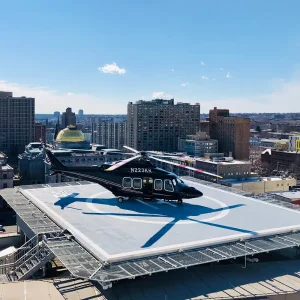
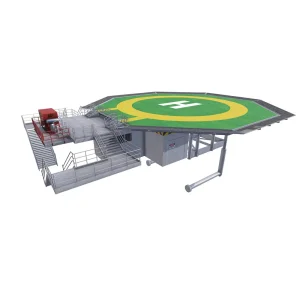
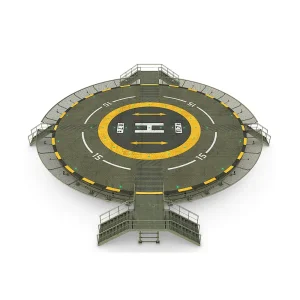
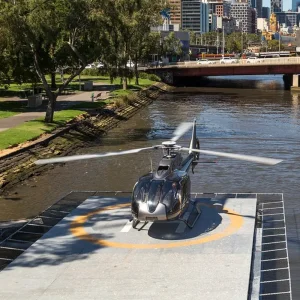
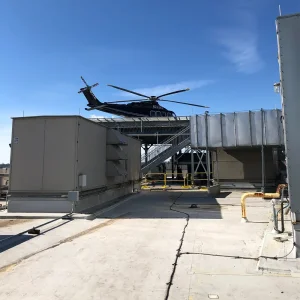
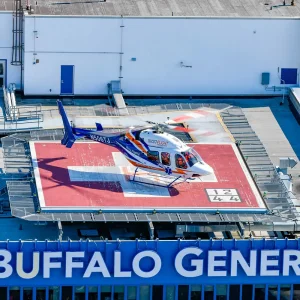
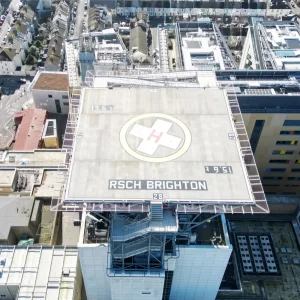
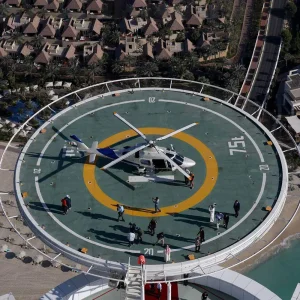
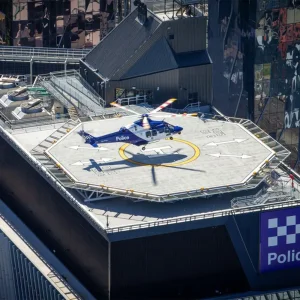
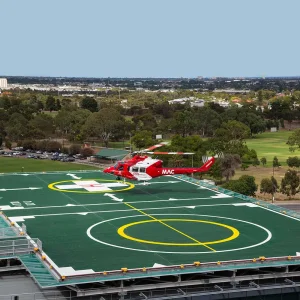
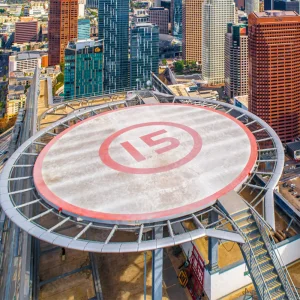
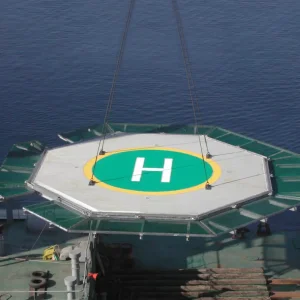
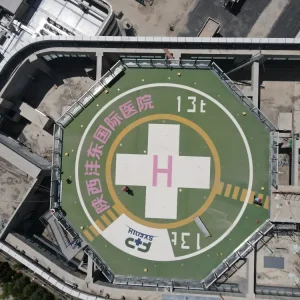
The metropolitan landscape of Greater Sydney, spanning from the bustling Central Business District to the rapidly expanding Western Sydney Aerotropolis, is undergoing an unprecedented expansion in vertical infrastructure. Elevated rooftop helipads, emergency medical heliports, and marine vessel landing decks are critical nodes in this development. However, building in coastal New South Wales presents severe environmental challenges—specifically high winds from the Tasman Sea, heavy marine salt spray, and strict urban thermal load guidelines.
To address these challenges, modern structural engineering has shifted decisively away from traditional heavy concrete helipads to advanced, lightweight, modular aluminum helipad profiles. As leading suppliers and manufacturers serving the Sydney market, we deliver high-performance structural systems that satisfy the rigorous engineering demands of the Australian construction sector, combining ultimate strength with corrosion resistance.
Engineered for high-rise commercial structures, critical care trauma hospitals, and luxury vessels operating across Sydney Harbour.
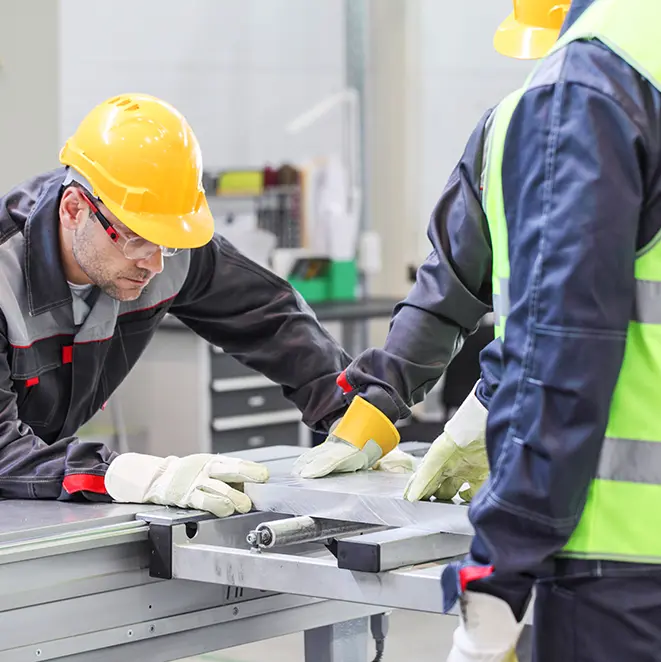
Compared to steel or reinforced concrete, aluminum helidecks are the preferred choice for structural engineers due to their high strength-to-weight ratio. An aluminum deck can reduce the overall structural dead load by up to 70%. In rooftop renovations of historical Sydney buildings or hospitals, this weight reduction eliminates the need for expensive structural column reinforcements.
We utilize high-quality marine-grade alloys such as 6005A-T6 and 6082-T6. These alloys are highly resistant to intergranular corrosion, making them suitable for coastal environments. The profiles are produced using large-scale extrusion presses, creating interlocking planks with integrated friction-fit joints. This design minimizes the reliance on field welding, reducing labor costs and improving structural fatigue resistance.
Furthermore, the profile design integrates channels for safety netting, perimeter lighting, deck drainage, and foam fire-suppression nozzles. This integration ensures the helideck functions as a cohesive system rather than a collection of separate components.
Reduces rooftop dead loads, allowing helideck integration on older structures without deep foundation retrofitting.
6000-series structural alloys require no protective painting or galvanizing, reducing lifetime maintenance costs.
Interlocking profile planks enable rapid installation, minimizing disruption in active medical or commercial zones.
Aviation facilities in Australia must comply with strict safety regulations. Elevated landing pads and safety nets serving the Sydney market must satisfy the criteria set by the Civil Aviation Safety Authority (CASA) under Advisory Circulars (including Part 139) and relevant Australian Standards.
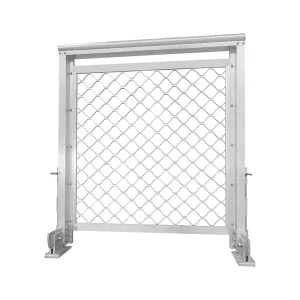
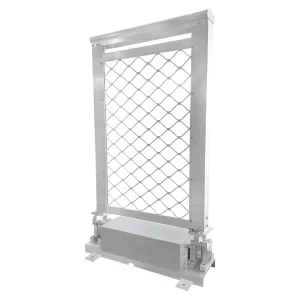
Our helideck safety nets and aluminum support frames are engineered to meet these strict specifications:
Every batch of aluminum profiles leaving our factory is supplied with Mill Test Certificates (MTC) showing chemical composition and mechanical properties, verifying material performance.
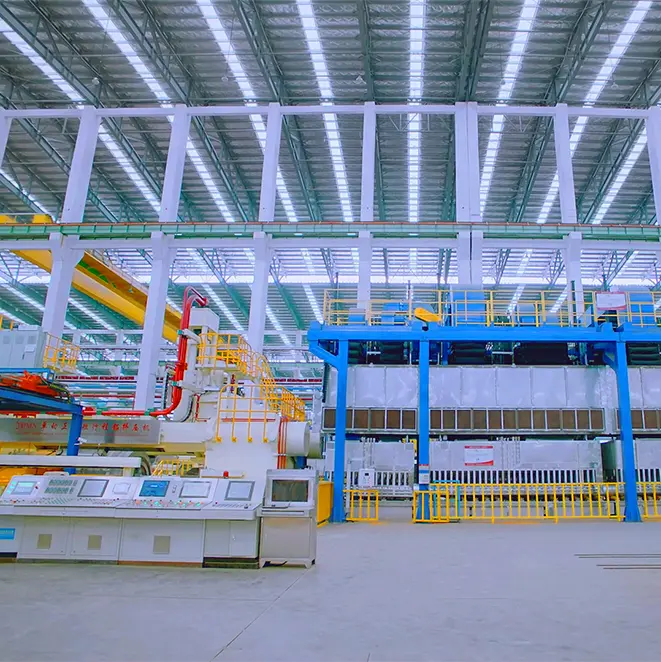
Located in Foshan, Guangdong—the heart of China's aluminum extrusion industry—LvXing leverages advanced production capabilities to serve international markets, including Australia.
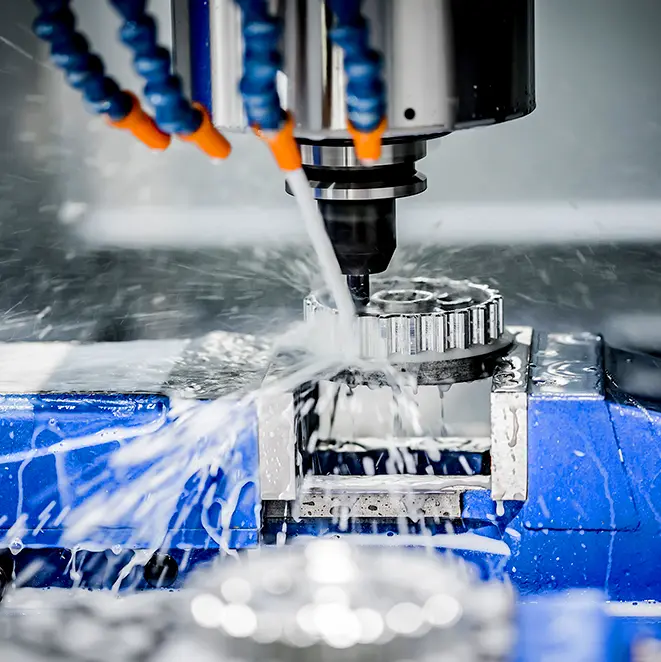
Established in 2015 and located in Foshan City, Guangdong, LvXing Intelligent Equipment Co., Ltd. has built a skilled R&D team with extensive engineering experience. We apply technical expertise to transform custom architectural concepts into structural realities, meeting precise load and dimensional requirements.
We use premium Fenglu aluminum, offering a diverse range of profiles for flexible applications. Our extrusion lines, ranging from 800T to 20,000T, process alloys in the 1xxx, 2xxx, 3xxx, 5xxx, 6xxx, and 7xxx series. This enables us to produce shaped profiles with section dimensions up to 1.2 meters in width and 28 meters in length. These profiles are recognized for their dimensional precision, making them suitable for aerospace, marine, military, medical, and high-rise industrial sectors.
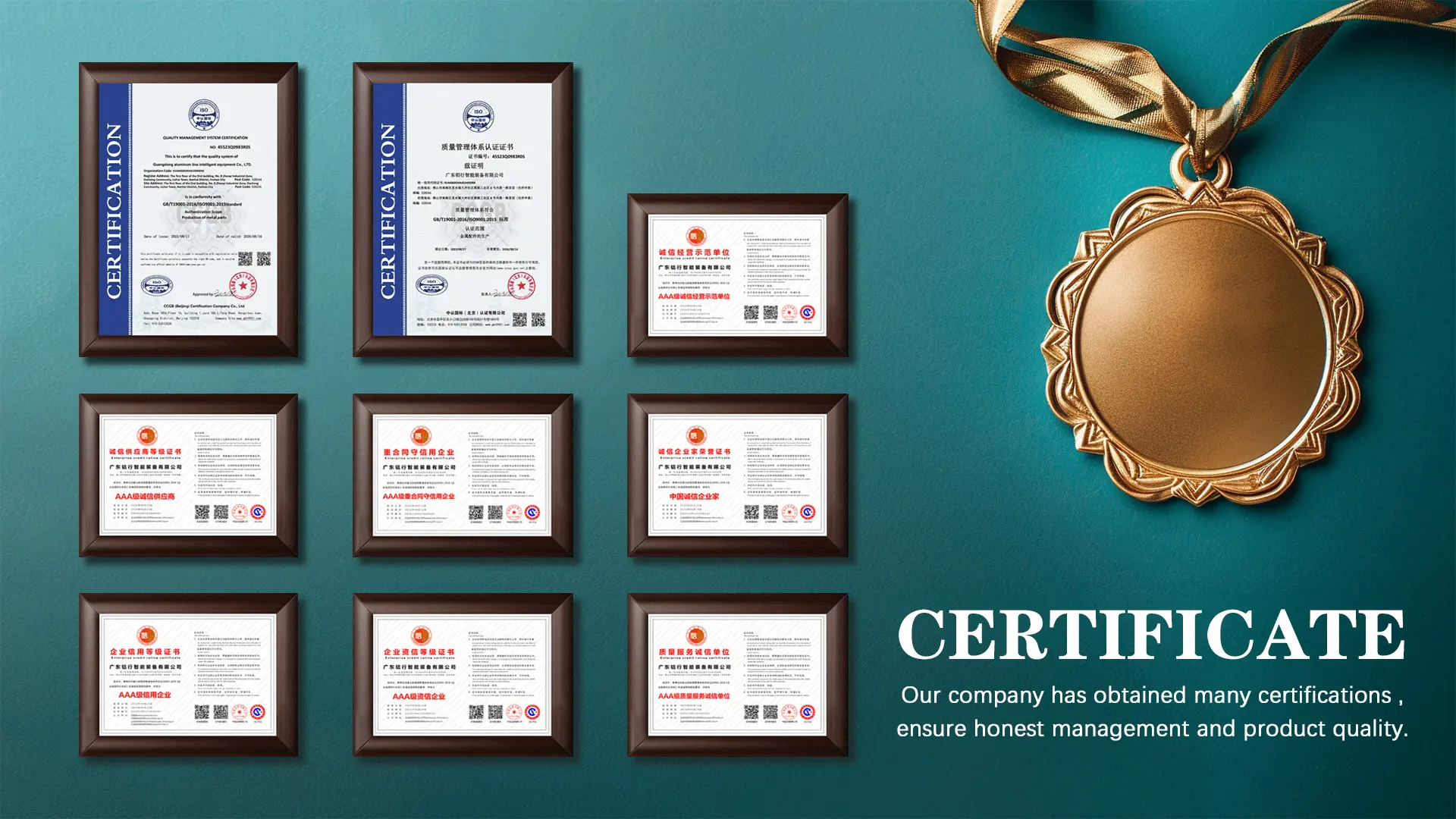
Our quality management processes span raw material inspection, extrusion monitoring, surface treatment, packaging, and shipping. This focus on reliability has earned our factory certifications under GB/T19001-2016/ISO9001:2015 standards.

We have obtained the “Special Aluminium Materials for Aerospace” Certificate, ensuring our manufacturing standards meet strict aerospace and structural quality requirements.

Utilizing high-quality Fenglu aluminum, our extrusion lines (800T to 20,000T) produce alloys in 1xxx to 7xxx series, up to 1.2m wide or 28m long.

Our team of technicians brings 15 years of industry experience. This expertise allows us to identify potential design challenges early and deliver products tailored to specific project requirements.
Through engineering precision and scalable logistics, we provide efficient delivery of aluminum helipad profiles to Sydney and global markets.
Procuring large-scale aluminum profiles for construction projects in Sydney requires careful management of quality, cost, and logistics. High local manufacturing costs in Australia make direct factory sourcing from Foshan a cost-effective alternative. Our proximity to the major shipping ports of Guangzhou and Shenzhen allows for direct shipping to Port Botany, Sydney.
We offer a streamlined procurement process:
Integrated Fire Fighting Systems (DIFFS): Modern helidecks incorporate pop-up foam spray nozzles directly into the aluminum profiles. These systems quickly suppress fuel fires, improving safety on rooftops and vessels.
Intelligent LED Pathway Lighting: Aviation regulations increasingly require flush-mounted LED lights integrated into the aluminum deck profiles to provide visual guidance during adverse weather and night landings.
Tension-Monitored Safety Netting: The latest safety systems feature tension sensors within the perimeter mesh frames. These sensors warn maintenance teams if the netting tension drops below required safety thresholds, helping to prevent accidents.
Review our complete list of certified products, configured for rapid shipping and deployment to New South Wales projects.
Clear answers to engineering, regulatory, and logistics questions concerning aluminum helipad components for the Australian market.
For coastal environments like Sydney, marine-grade 6000-series alloys (specifically 6082-T6 and 6005A-T6) are recommended. These alloys provide high tensile strength combined with resistance to atmospheric corrosion caused by marine salt spray. Unlike steel, they do not require regular recoating or galvanization, which helps control long-term maintenance costs.
Our engineering processes design profiles to satisfy the structural demands of AS/NZS 1170 (for structural design actions and wind loads) and AS/NZS 1664 (for aluminum structures). Additionally, our perimeter safety nets are drop-tested to meet CAP 437 regulations, confirming they can absorb an impact of 100 kg dropped from 1 meter.
The typical lead time includes 4 to 6 weeks for custom extrusion and fabrication, followed by approximately 18 to 22 days of sea transit from Guangzhou or Shenzhen ports to Port Botany, Sydney. We provide tracking and mill test documentation to coordinate with your project schedule.
Yes. We offer surface finishing options including clear anodizing, PVDF coating, and powder coating in standard RAL colors. Highly visible safety markings (such as the white 'H' and boundary lines) can be integrated directly during the finishing phase to meet ICAO and CASA visual aid standards.
Contact our technical sales team for engineering calculations, customized extrusion profiles, and competitive wholesale pricing.
 LvXing