Engineered high-performance interlocking profiles designed for medical, commercial, and offshore helicopter facilities across Europe.
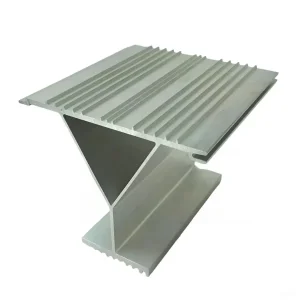
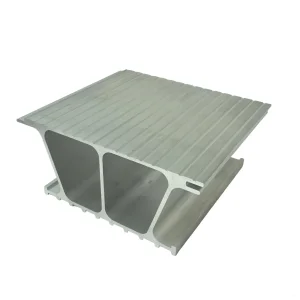
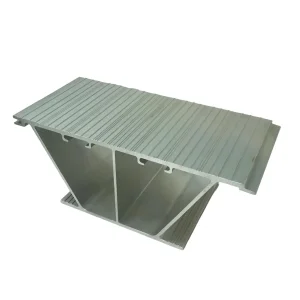
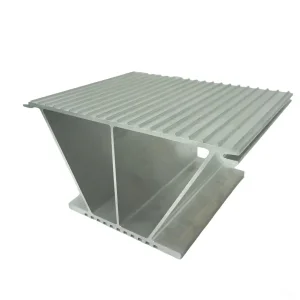
Established in 2015 and strategically situated in the global aluminum hub of Foshan City, Guangdong, Lvxing Intelligent Equipment Co., Ltd. has grown to become an international force in high-load aluminum structures. Backed by a highly specialized R&D team with extensive engineering experience, we leverage cutting-edge technical expertise to convert complex architectural and structural requirements into robust, field-tested realities.
Our strategic manufacturing partnership allows us to utilize premium Fenglu aluminum, providing a diverse selection of alloys specifically configured for heavy-duty structural applications. Operating a broad spectrum of state-of-the-art extrusion lines—ranging from 800T to 20,000T capacities—we handle technical alloys across the 1xxx, 2xxx, 3xxx, 5xxx, 6xxx, and 7xxx groups. This unparalleled capability enables Lvxing to manufacture fully shaped, large-scale profiles with cross-sectional widths reaching up to 1.2 meters and lengths up to 28 meters.
These complex profiles are characterized by high geometric precision, structural homogeneity, and advanced secondary processing, making them suitable for strict military, aerospace, medical, and structural applications globally.
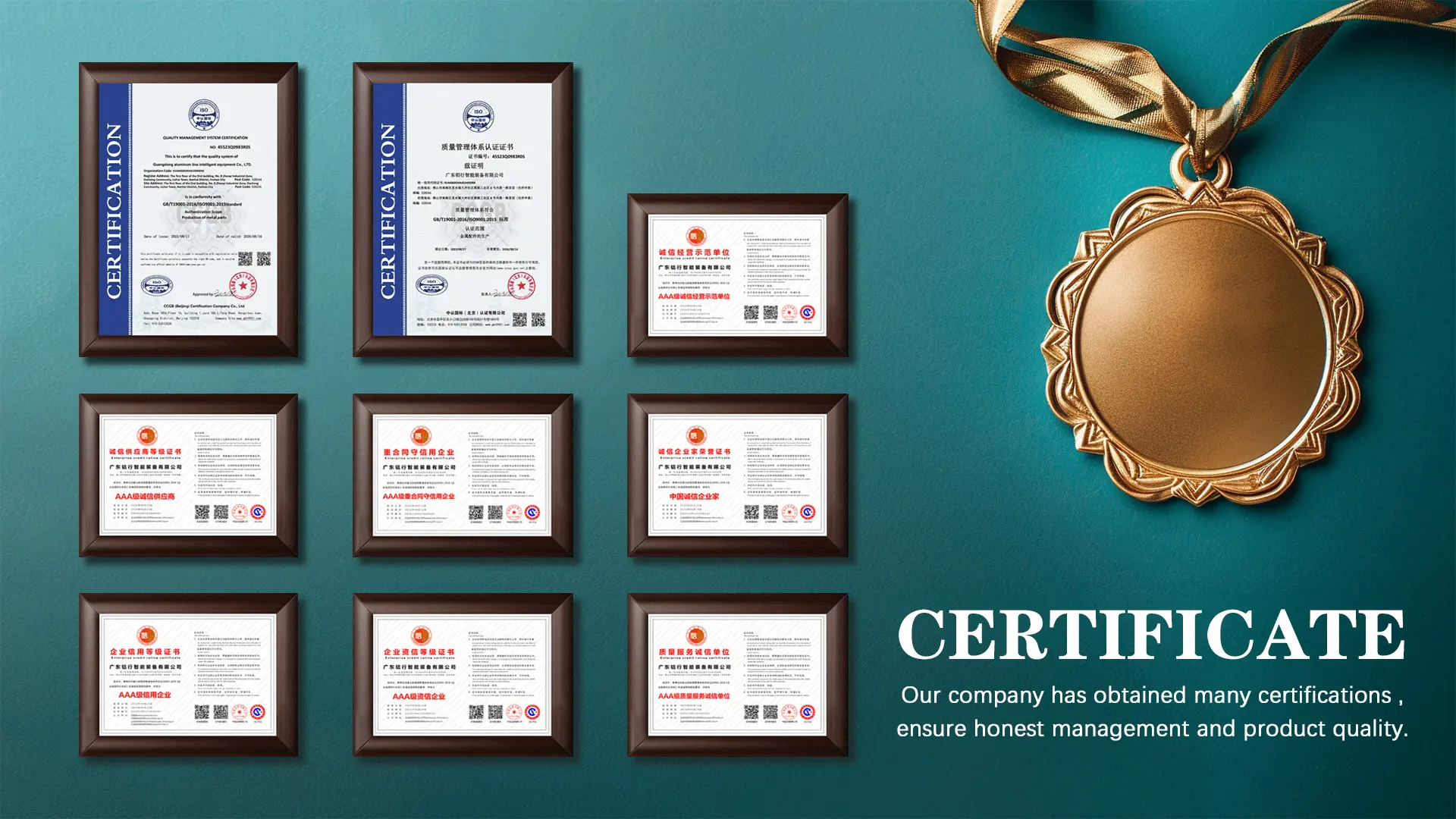
An analytical exploration of the growing demand for aluminum-based helicopter landing systems in French health systems, maritime borders, and Alpine rescue hubs.
The French market represents one of Europe's most demanding zones for helicopter landing platforms (hélistations). This growth is driven by three primary sectors: municipal healthcare networks (SAMU), maritime offshore installations along the Atlantic and Mediterranean coasts, and regional emergency rescue stations in high-altitude zones such as the Alps and Pyrenees. Structural choices in French construction projects are heavily regulated by the Direction Générale de l'Aviation Civile (DGAC) under the "Arrêté du 18 juillet 2006", which mandates stringent structural safety, fire resistance, and obstacle-free gradients.
Historically, French civil engineering projects utilized reinforced concrete for rooftop helipads on hospitals and municipal safety headquarters. However, modernization programs at regional hospitals (such as the CHU networks in Lyon, Marseille, and Lille) have encountered structural load limitations when adding helipads to existing buildings. Our high-strength extruded aluminum profiles provide a decisive solution, reducing overall dead load by up to 70% compared to traditional concrete. This weight reduction avoids the need for costly building reinforcements while maintaining compliance with dynamic impact load specifications required for modern air ambulances like the Airbus H145 and H160.
France’s vast Exclusive Economic Zone (EEZ) demands permanent maritime surveillance and offshore energy infrastructure. From offshore substation platforms in the Saint-Nazaire wind farms to marine patrol vessel decks operating out of Brest or Toulon, helipads are subjected to extreme corrosion classifications (C5-M). Lvxing’s aluminum landing decks use maritime-grade 6082-T6 and 5083 alloys that naturally generate a protective oxide layer. When combined with marine anodization, these systems offer decades of service with minimal maintenance, eliminating the recurring blast-and-paint costs of steel alternatives.
In high-altitude areas like Chamonix, emergency response operations require helipads capable of handling heavy wind and snow accumulation. In these regions, aluminum helipads are designed with integrated channel profiles for heating elements. The thermal conductivity of aluminum allows for efficient thermal snow melting, ensuring the pad remains operational 24/7. Interlocking joints prevent structural deformation during extreme freeze-thaw cycles, providing reliable performance in Alpine rescue hubs.
Why the chemistry of the alloy and precision extrusion parameters determine structural safety during dynamic landing impacts.
We primarily utilize 6082-T6 and 6061-T6 configurations. These magnesium-silicon-manganese alloys are selected for their high structural yield strength (≥260 MPa), excellent weldability, and resistance to environmental stress corrosion cracking in maritime and mountainous conditions.
Designed to comply with French Eurocode 9 (NF EN 1999) standards. Structural calculations account for a dynamic impact factor of 2.5 times the Maximum Take-Off Weight (MTOW) of heavy transport and emergency helicopters, ensuring structural safety under high load.
Extruded profiles feature built-in drainage channels, anti-slip surface ribs, and integrated channels for landing lights and perimeter nets. This multi-functional extrusion approach minimizes on-site assembly steps and reduces project risk.
Every production batch undergoes thorough testing, including non-destructive ultrasonic testing, web tension trials, and dimensional alignment verifications. By utilizing Fenglu's advanced extrusion press capability, we ensure uniform wall thickness and minimal internal stresses in profiles up to 28 meters long, reducing structural fatigue over decades of continuous operation.
Combining certified aerospace-grade materials, advanced extrusion capabilities, and 15 years of technical engineering expertise.
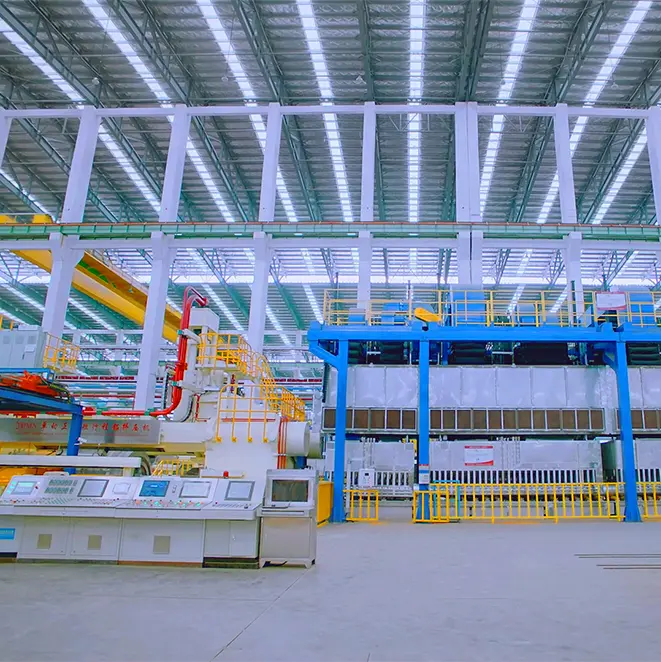

We have successfully obtained and maintain the prestigious “Special Aluminium Materials for Aerospace” Certificate, ensuring every production run matches structural performance standards.
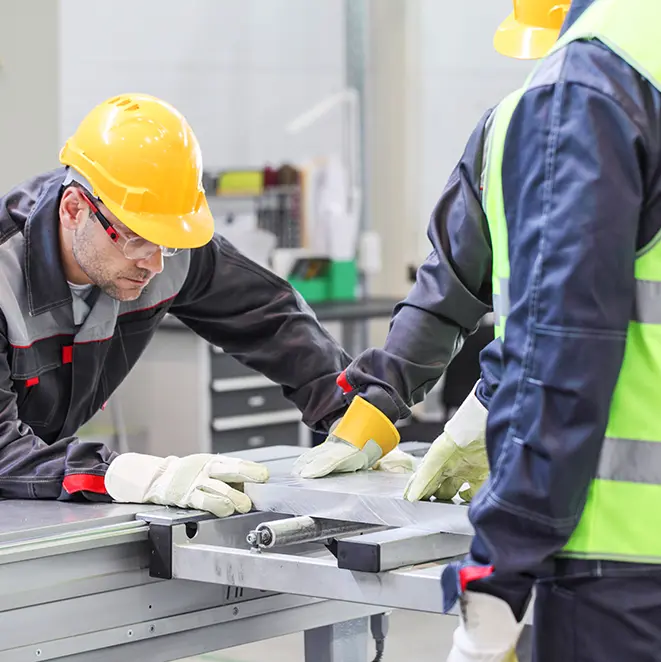

We provide and utilize high-quality Fenglu aluminum profiles. With extrusion lines ranging from 800T to 20,000T, we can produce alloys 1xxx, 2xxx, 3xxx, 5xxx, 6xxx, and 7xxx up to 1.2m wide and 28m long.
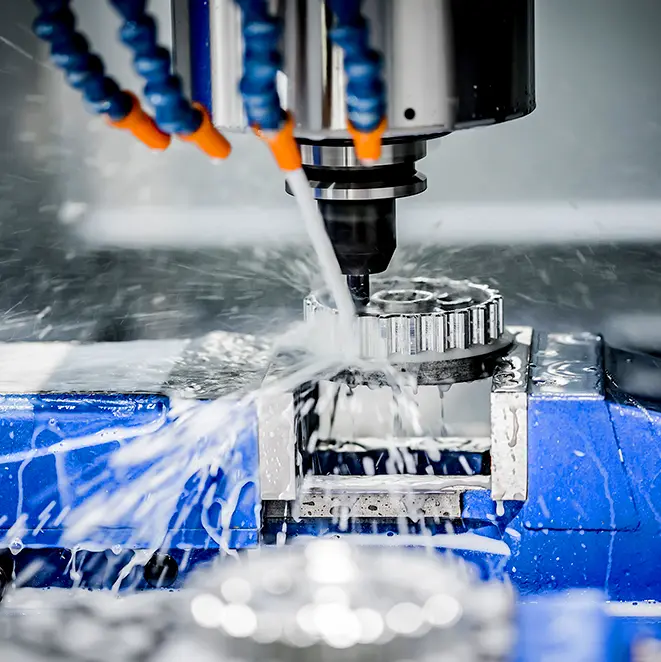

Our team of technicians has over 15 years of experience in engineering design. We identify structural issues early to turn complex architectural drawings into ready-to-assemble products.
For French EPC (Engineering, Procurement, and Construction) contractors, managing project risk, supply reliability, and cost is critical. Lvxing’s production model based in Foshan, Guangdong provides structural cost advantages without sacrificing quality. By leveraging Fenglu's raw material sourcing and deep integration with global shipping networks, we help control capital costs on municipal infrastructure projects.
Key supply chain advantages include:
We work with French engineering offices to provide standard structural files and detailed calculation data, supporting the certification process with local authorities and control offices like Bureau Veritas or SOCOTEC.
Innovating to support the transition to urban air mobility (UAM), lightweight eVTOL facilities, and low-carbon infrastructure.
As Paris and other French urban centers build out Vertiport infrastructure for passenger drones and eVTOL aircraft, our aluminum decking profiles offer the lightweight, modular structural support needed for rooftop urban retrofits.
In line with European sustainability directives, our aluminum structures are 100% recyclable at the end of their lifecycle. Aluminum provides a lower life-cycle carbon footprint than concrete when accounting for recycling and structural longevity.
We are developing profiles designed to house smart sensors, including load cells and thermal monitors, allowing operators to track structural performance, dynamic impact stresses, and surface ice accumulation in real time.
CE-certified, high-strength structural profiles configured for police, medical, commercial, and maritime landing operations.
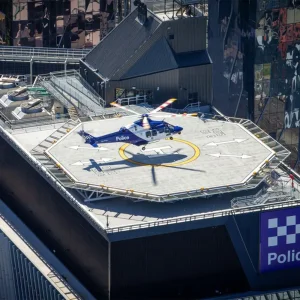
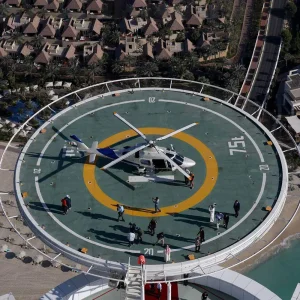
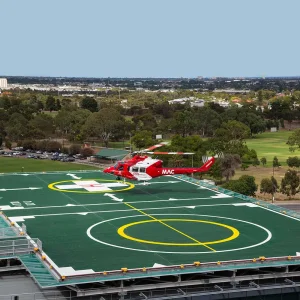
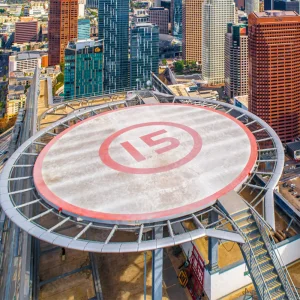
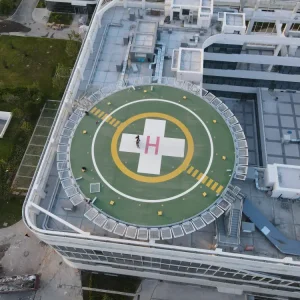
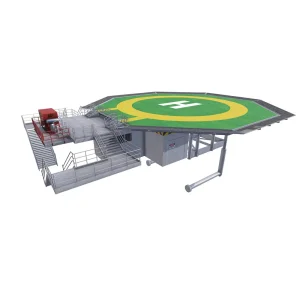
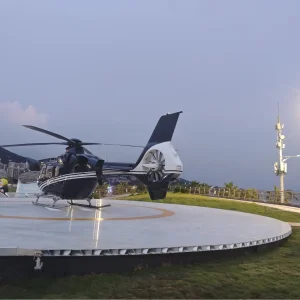
For custom structural bids, shipyards, and military logistics coordinators, we maintain active production setups and structural profiles for a wide range of specialized landing zones:
Ensuring compliance with international and French civil aviation rules.
Developing helipad profiles requires compliance with global safety standards. Lvxing’s fabrication systems and engineering designs comply with the following structural frameworks:
Technical answers regarding materials, compliance, custom manufacturing, and global shipping logistics.
Aluminum structures are up to 70% lighter than concrete, reducing dead load on buildings and avoiding the need for structural reinforcement. This makes it easier to obtain DGAC and municipal permits for historical or congested city buildings.
We use 6000-series (mostly 6082-T6 and 6061-T6) and select 5000-series alloys for structural integrity and high yield strength. These provide corrosion resistance, particularly in maritime and coastal locations.
Yes. Our engineering files and structural calculations are configured to meet ICAO Annex 14 and DGAC standards. We supply technical documentation to support structural reviews by French validation bodies.
Using our partner's 800T to 20,000T extrusion lines, we can produce profiles up to 1.2 meters wide in cross-section and up to 28 meters in length, allowing for large, seamless deck sections.
Yes. Our experienced engineering design team can customize profile geometries, integrated safety net systems, visual landing markings, and access platforms to match the project requirements.
Profiles are packed in moisture-protected, sea-worthy wooden crates and shipped via container freight to major French ports, including Marseille, Le Havre, and Dunkirk, with options for direct site delivery.
Contact our engineering sales division for detailed product catalogs, structural layout proposals, and competitive pricing for your upcoming bids.
Send Inquiry Now LvXing