Helipad Aluminum Profile Suppliers & Factory in the Los Angeles Market

Providing structural integrity, lightweight resilience, and localized FAA-compliant modular decking systems for California's urban mobility network.

Send Inquiry Now

Premium Helipad Structural Profiles for Los Angeles Projects

Engineered to meet stringent California building codes and FAA heliport specifications.

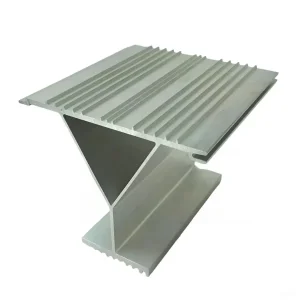
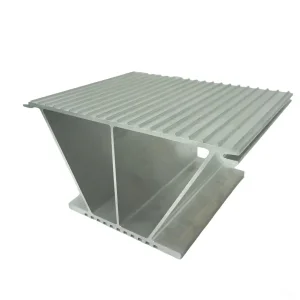
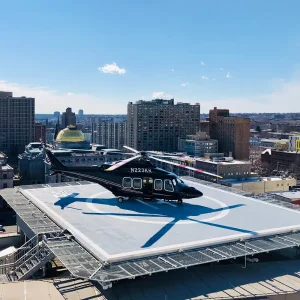
Los Angeles LX-HP01 Helipad Aluminum Profile

Los Angeles LX-HP01 Helipad Aluminum Profile

View Product Specs
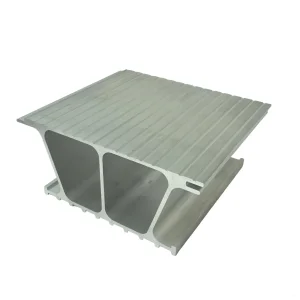
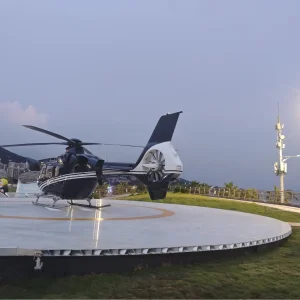
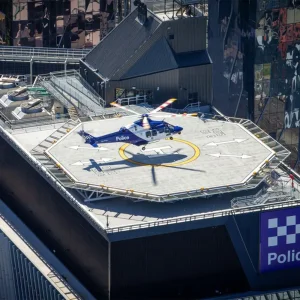
CE Certified LX-HP02 Los Angeles Helipad Decking

CE Certification LX-HP02 Los Angeles Helipad Aluminum Profile

View Product Specs
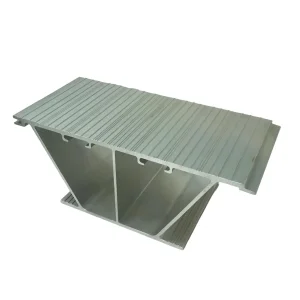
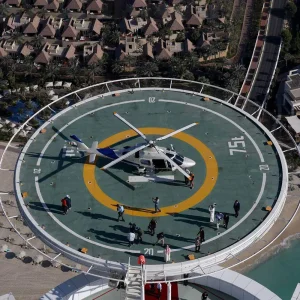
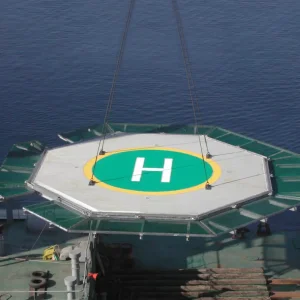
Customized LX-HP03 Helipad Aluminum Profile

Customized LX-HP03 Los Angeles Heavy-Duty Helipad Profiles

View Product Specs
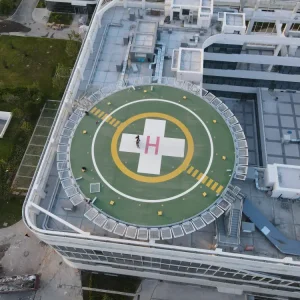
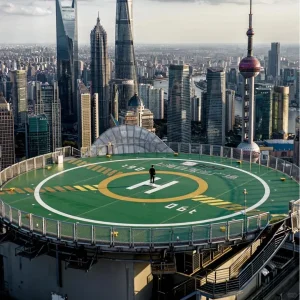
Custom LX-HP04 Helicopter Landing Deck Profile

Custom LX-HP04 Los Angeles Architectural Helipad Profile

View Product Specs
20,000T
Extrusion Press Capacity
15+
Years Engineering Expertise
1.2m
Maximum Profile Width
6000+
Global Projects Installed

Whitepaper: Engineered Modular Helipads in Modern High-Seismic Urban Spaces

Technical Reference Document for Structural Engineers, Architects, and Municipal Authorities in Southern California.

1. Executive Summary & The Paradigm Shift in Aviation Infrastructure

The rapid expansion of metropolitan transportation networks demands highly reliable, lightweight, and rapidly deployable vertical takeoff and landing (VTOL) facilities. In major urban centers such as the Greater Los Angeles Area, traditional concrete helipad designs are increasingly being replaced by engineered modular aluminum profile systems. This shift is driven by the structural demands of high-rise buildings, critical medical facilities, and the necessity to conform to stringent seismic regulations while maximizing building efficiency.

Aluminum helipad deck structures, particularly those utilizing 6xxx-series structural alloys, offer a strength-to-weight ratio superior to steel and concrete. By reducing the dead load of rooftop installations by up to 70%, structural engineers can design more economical building foundations and lateral load-resisting frames. This whitepaper analyzes the mechanical, environmental, and regulatory parameters of helipad design, with a specific focus on the Los Angeles commercial, industrial, and coastal landscape.

2. The Los Angeles Market: Seismic Regulations and Infrastructure Demand

Designing structural building additions in California requires adherence to the California Building Code (CBC) Title 24, along with local amendments regulated by the Los Angeles Department of Building and Safety (LADBS). Los Angeles resides in Seismic Design Category D through F, necessitating that rooftop additions minimize overall mass to limit seismic shear forces. The lightweight properties of extruded aluminum deck profiles decrease the lateral load requirement on roof-level structural frames.

Furthermore, emergency helipads are essential for Los Angeles high-rises under City Fire Code regulations (specifically historic LAFD Requirement 10 for emergency helicopter landing facilities on skyscrapers). With the rise of regional trauma centers (such as UCLA Medical Center, Cedars-Sinai, and USC Keck School of Medicine) and the expansion of logistics hubs near the Port of Los Angeles and Port of Long Beach, the demand for high-capacity, low-maintenance helipads has grown exponentially. Additionally, marine environments in the coastal basin require materials with superior corrosion resistance to withstand salt fog exposure.

Material Parameter Modular Extruded Aluminum Decking Reinforced Concrete (Slab-on-Grade/Steel Frame) Structural Steel Plate Decking
Average Dead Weight ~60 - 85 kg/m² ~250 - 450 kg/m² ~150 - 220 kg/m²
Seismic Shear Contribution Very Low (Reduces base shear force) High (Requires significant column reinforcement) Moderate (Increases structural mass at roof level)
Installation Timeline 3 - 7 Days (Bolted modular assembly) 3 - 5 Weeks (Curing, pouring, formwork) 2 - 3 Weeks (On-site welding & painting)
Corrosion Resistance Excellent (C5-M rating with anodization) Moderate (Cracking leads to rebar degradation) Poor (Requires periodic paint/coat maintenance)
End-of-Life Value 100% Recyclable (High scrap recovery) Demolition Cost (Zero structural recovery) Moderate (Recyclable, high removal energy)

3. Global vs. Local Industrial Dynamics and Extrusion Capacities

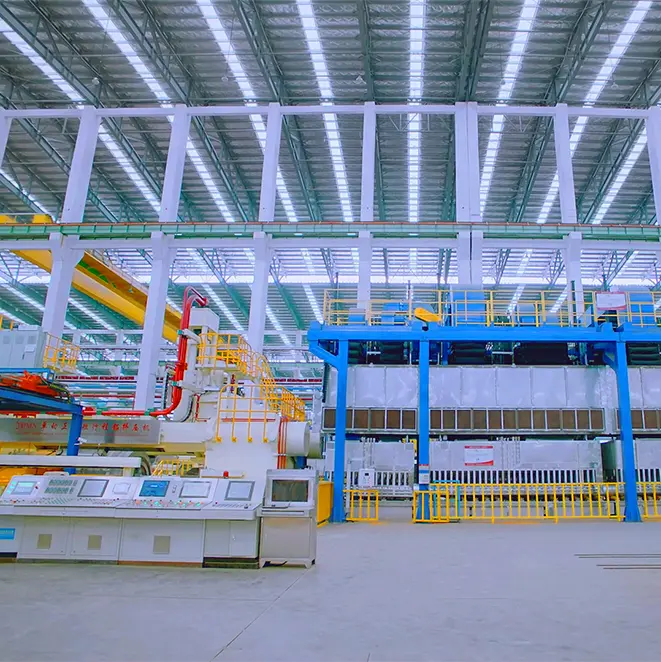
The production of structural helipad components requires advanced metal extrusion technologies. Lvxing Intelligent Equipment, operating from the manufacturing hub of Foshan City, has established a robust pipeline for providing these global-standard components to local markets like California. Utilizing premium Fenglu aluminum, our facility houses extrusion lines scaling from 800T to a massive 20,000T press capacity.

This capability enables the fabrication of massive structural profiles measuring up to 1.2 meters in width and 28 meters in length. These continuous extrusions minimize structural joints—the primary failure points in mechanical decks. Standardizing these profiles allows local installers in Los Angeles to assemble complete platforms rapidly, combining Chinese manufacturing efficiency with localized California structural engineering compliance.

Manufacturing Powerhouse: Welcome to Lvxing

Leveraging premium raw materials, massive extrusion machinery, and certified quality controls.

Lvxing Intelligent Equipment Helipad Factory

Established in 2015 and located in Foshan City, Guangdong, LvXing Intelligent Equipment Co., Ltd. boasts a skilled R&D team with extensive experience. We leverage exceptional technical expertise to effectively transform customers' ideas into reality, consistently meeting their precise structural requirements.

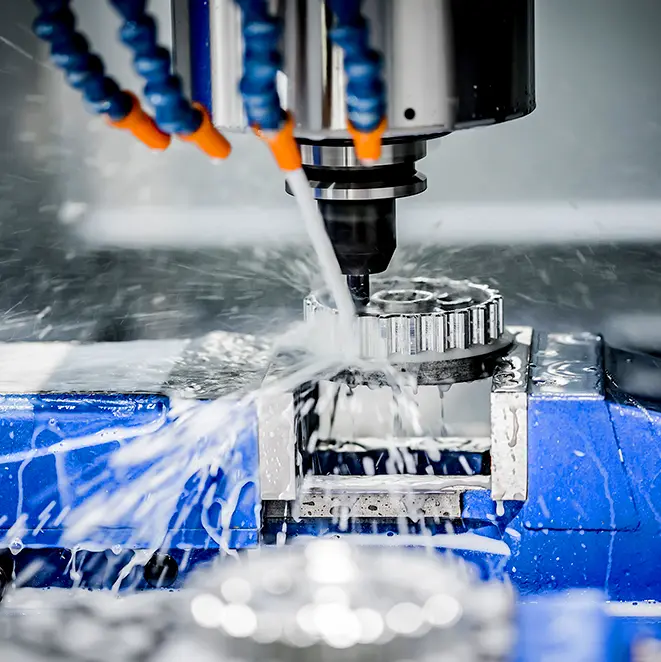
We utilize premium Fenglu aluminum, offering a diverse range of profiles for flexible applications. Our extrusion lines, ranging from 800T to 20,000T, accommodate alloys 1xxx, 2xxx, 3xxx, 5xxx, 6xxx, and 7xxx, allowing us to produce shaped products with section dimensions up to 1.2 meters in width and 28 meters in length. These products are recognized for their precision and meticulous processing, finding broad application in aerospace, military, medical, and industrial sectors.

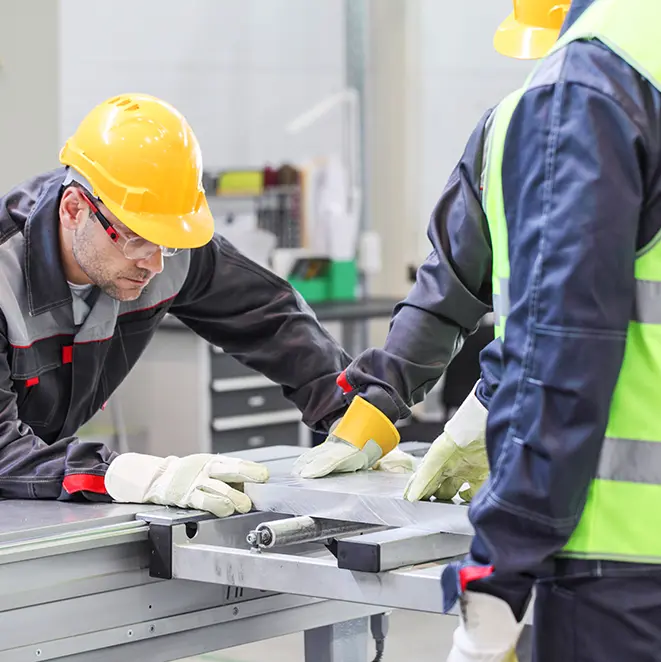
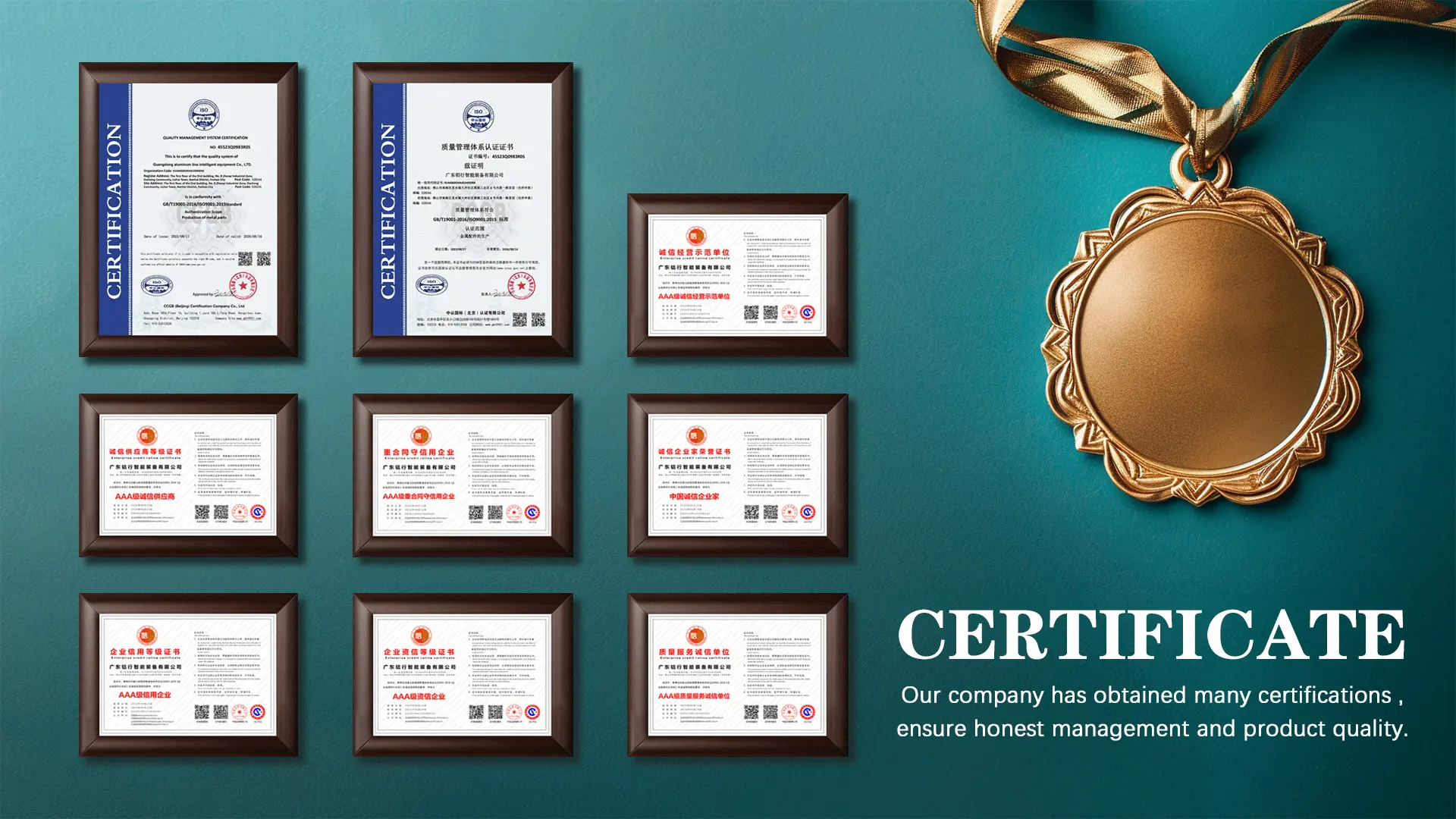
Our commitment to excellence is evident throughout the manufacturing process, rigorous quality control, thorough packaging, and efficient shipping procedures. This dedication has earned us recognition as a national excellent and honest enterprise, along with quality system certification in accordance with GB/T19001-2016/ISO9001:2015 standards. We aspire to be your trusted business partner and warmly invite you to visit our factory.

Aerospace-Grade Certification

We have obtained the "Special Aluminium Materials for Aerospace" Certificate. This guarantees that every extruded profile meets the demanding physical tolerances and metallurgical standards required for flight-deck impact surfaces.

Massive Extrusion Profiles

We provide and utilize high-quality Fenglu aluminum profiles. With extrusion lines ranging from 800T to 20,000T, we can produce alloys in the 1xxx, 2xxx, 3xxx, 5xxx, 6xxx, and 7xxx families, up to 1.2m in width or 28m in length.

15 Years R&D Expertise

Our team of technicians boasts over 15 years of invaluable experience. This deep understanding of customer requirements allows us to identify potential engineering issues and offer practical design insights, turning ideas into physical systems.

Technical Capabilities & Certified Pedigree

Verified documentation and metallurgical capacity backing our engineering assertions.

Aerospace Material Certification
Aerospace Certificate Seal

We have obtained the "Special Aluminium Materials for Aerospace" Certificate, confirming our production quality compliance with national military and civil aerospace standards.

Heavy Extrusion Line Production
Heavy Line Badge

High-quality Fenglu aluminum profile utilization. Backed by 800T to 20,000T extrusion lines, accommodating alloys 1xxx through 7xxx, with profile dimensions up to 1.2m width or 28m length.

Technical Design Team
Engineering Team Badge

Our technicians bring 15 years of invaluable experience. Deeply analyzing customer requirements, we flag structural interferences and provide practical fabrication and installation paths.

Technical Specifications: Alloy Science & Structural Mechanics

The selection of the proper aluminum alloy is critical to ensuring the longevity and load-bearing safety of helicopter landing decks. Most structural components in modern helipads utilize 6061-T6 or 6082-T6 aluminum alloys. These magnesium-silicon-based alloys undergo specialized solution heat treatment and artificial aging to achieve high yield strengths comparable to structural steel, while maintaining excellent fracture toughness and corrosion resistance.

Alloy Properties Comparison: 6061-T6 vs. 6082-T6 vs. 6005A-T6

  • 6061-T6 (USA Standard): Exceptional weldability, excellent corrosion resistance, and high structural yield strength (~240 MPa). Highly favored in American infrastructure projects due to extensive ASTM design standard documentation.
  • 6082-T6 (European Standard): Known for carrying higher mechanical stresses. Tensile strength reaches up to 310 MPa, making it ideal for highly concentrated wheel loads from medium-to-heavy helicopters (e.g., Sikorsky S-92 or EH101).
  • 6005A-T6: Exhibits superior extrusion capabilities for thin-walled, multi-hollow designs. Frequently used for specialized dynamic landing grates where deflection and energy absorption are prioritized.

Dynamic Loading & Structural Calculations

Helipad decks must be designed to withstand two main loading categories in accordance with FAA Advisory Circular 150/5390-2C:

  1. Dead Load (DL): The actual weight of the aluminum profiles, support framing (often structural steel or aluminum beams), safety nets, lighting fixtures, and integrated firefighting systems.
  2. Live Load (LL) / Dynamic Landing Load: The impact force applied during a hard landing. Structural engineers calculate this force using the formula:
    F_dynamic = 1.5 * MTOW * Dynamic Amplification Factor (DAF) Where MTOW is the Maximum Takeoff Weight of the target helicopter (e.g., 26,500 lbs / 12,020 kg for a Sikorsky S-92). The 1.5 factor accounts for sudden drop landings.

Need Local Engineering Drawings or Price Quotes?

Get direct support from our structural R&D team. We provide complete calculations, alloy mill reports, and localized installation solutions for Los Angeles structural requirements.

Send Inquiry Now

Environmental Durability in Coastal Southern California

Rooftop and offshore structures in the coastal Los Angeles basin—such as the Port of LA, Long Beach, and Santa Monica bay installations—face continuous exposure to high concentrations of sodium chloride and marine moisture. Concrete decks are susceptible to carbonation and chloride-induced rebar corrosion, leading to spalling.

In contrast, extruded aluminum profiles naturally develop a protective oxide surface layer. When treated with premium structural-grade anodization (Class I, >18 microns thick) or acid-resistant powder coatings, they achieve a C5-M marine-grade corrosion rating. This eliminates the need for expensive periodic sandblasting and repainting, minimizing lifecycle operational costs for building owners.

Localized Application Scenarios in Southern California

Hospital & Trauma Center Rooftop Heliports

LA's dense urban layout mandates rooftop helipads for emergency air ambulances (Medevac). Structural retrofits on existing hospital wings require lightweight aluminum decking to avoid overloading columns. The modularity of our systems allows for fast assembly on hospital roofs without disrupting critical ground-level healthcare services.

Commercial Skyscraper Emergency Facilities

Pursuant to LAFD Regulation 10, high-rise buildings in Los Angeles are designed with rooftop emergency landing platforms. Our integrated extrusion systems feature built-in pathways for electrical cabling, safety landing nets, and built-in drainage channels for aviation fuel spills, complying fully with local building codes.

Offshore Oil Platforms & Marine Operations

Offshore drilling and maritime transportation along the California coast require highly durable, saltwater-resistant helicopter landing decks. By utilizing seawater-resistant alloys and heavy duty structural design, our profiles perform exceptionally in marine environments with minimal service downtime.

Seismic Isolation & Elevated Systems

In active fault zones like Southern California, structural separation and seismic damping are critical. Modular aluminum decks can be isolated on friction-pendulum bearings, reducing structural shock transfers during seismic events, protecting both the building and the helipad deck.

Expert Engineering FAQ: Technical Q&A

Addressing structural, regulatory, and logistics queries for Los Angeles civil and structural designers.

What FAA specifications do Lvxing helipad profiles meet?

Our structural profile materials and design configurations conform to FAA Advisory Circular 150/5390-2C (Heliport Design Guidelines) and ICAO Annex 14 requirements. We provide full material test report (MTR) documentation verifying structural alloy chemistry, yield strength, and elongation qualities.

How does shipping and custom logistics work from Guangdong to California?

We handle all export customs clearances, seaworthy packing, and dispatch logistics. Profiles are shipped directly from Foshan/Shenzhen ports to the Port of Los Angeles (POLA) or Port of Long Beach. We provide all necessary shipping documentation, including ISF filing and tariff compliance records, to simplify imports for local general contractors.

Can you provide custom-engineered profiles for unique helipad sizes?

Yes. Our internal research and development team operates with custom extrusion capacities ranging from 800T to 20,000T. We can design and manufacture customized profiles up to 1.2 meters in width to match specific engineering specifications, minimizing on-site cutting and structural assembly labor.

Are continuous geared hinges and safety nets integrated?

Absolutely. We manufacture continuous geared hinges (such as the LX-H02 series) and aluminum safety nets designed for helipads. This provides a complete structural system where the decking, support beams, perimeter safety nets, and mechanical joints are designed to work together, reducing the risk of component mismatches during installation.

Helipad Systems & Accessory Hardware for California Projects

Complete components including structural decking, perimeter netting, and high-load continuous hinges.

Customized LX-H02 Continuous geared hinge

Los Angeles Spec LX-H02 Continuous Geared Hinge Systems

View Product Specs
Helipad and aluminum net

CE Certification Los Angeles Helipad Safety Aluminum Netting

View Product Specs
Customized Aluminum Alloy Helipad Extrusion Profiles

Customized Los Angeles Structural Aluminum Alloy Helipad Profiles

View Product Specs
CE Certification Square helipad

CE Certified Los Angeles Commercial Square Helipad Decks

View Product Specs
Wholesale Continuous geared hinges

Wholesale Los Angeles Heavy-Duty Continuous Geared Hinges

View Product Specs
China Aluminum Rescue Helicopter Landing Pad

Los Angeles Emergency Rescue Helicopter Landing Pad Systems

View Product Specs
Custom Urban Skyscraper Helipad

Custom Los Angeles Urban Skyscraper Helipad Systems

View Product Specs
Continuous Geared Hinge

Continuous Geared Hinge Solutions for California Installations

View Product Specs

Supplementary Aviation Deck Accessories & Components

Providing custom brackets, heavy cargo decks, and auxiliary structural solutions.

Wholesale Aircraft rooftop helipad

Wholesale Aircraft Rooftop Helipad Decking Modules (Los Angeles)

View Product Specs
Stage Bracket Solutions

Versatile Stage Bracket Solutions for Seismic California Installations

View Product Specs
Customized LX-HP03 Helipad Aluminum Profile

Customized LX-HP03 Helipad Aluminum Profile (High Load Capacity)

View Product Specs
Custom Aluminum Alloy Helipad Profiles

Custom Aluminum Alloy Helipad Profiles (Aviation Grade)

View Product Specs

Technical Outlook: Urban Air Mobility (UAM) and eVTOL Infrastructure

The aerospace landscape is shifting toward Urban Air Mobility (UAM) systems, characterized by electric vertical takeoff and landing (eVTOL) aircraft. Metropolitan regions, especially Southern California, are actively planning the deployment of "vertiports" to ease highway congestion. Designing infrastructure for eVTOL aircraft introduces distinct engineering challenges that differ from standard helicopter landing pads.

Because eVTOL aircraft carry heavy battery packs, their concentrated landing wheel profiles differ from those of combustion helicopters. Vertiport decks require optimized structural framing to manage high cyclic loading and localized thermal fatigue from fast-charging grid systems. The modularity of extruded aluminum decking makes it well-suited for vertiports, allowing for the integration of water-glycol heating systems within the hollow core of the extrusions to prevent ice accumulation at high elevations.

Furthermore, these systems must incorporate integrated grounding networks and electromagnetic shielding to prevent interference with sensitive aviation telemetry and charging operations. By working with Lvxing, designers gain access to lightweight, high-capacity extrusion profiles engineered for the upcoming generation of urban flight systems.

Contact Our Engineering Team for Custom Designs

Whether you need structural profiles for a trauma center in downtown Los Angeles, a commercial heliport, or an offshore marine deck, our engineering team can assist. We provide custom CAD/BIM modeling and complete price quotes.

Send Inquiry Now