High-performance structural extrusions designed to withstand tropical marine environments and satisfy stringent international aviation requirements.
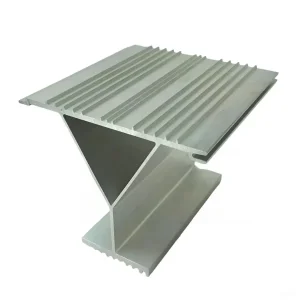
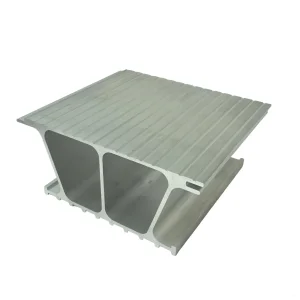
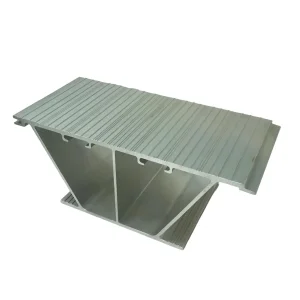
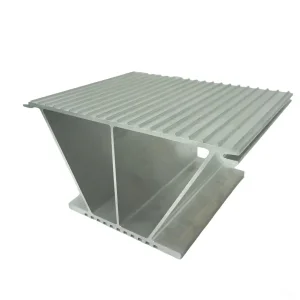
Metro Manila, the economic heart of the Philippines, is undergoing unprecedented vertical growth. Rapid urbanization across districts such as Bonifacio Global City (BGC), Makati Central Business District, Ortigas Center, and the Bay Area has created vertical real estate corridors that demand advanced transportation alternatives. Ground-level traffic congestion in Metro Manila remains some of the most challenging in Southeast Asia, rendering rooftop helipads not a luxury, but a vital logistical link for medical evacuation, executive transport, emergency disaster relief, and security operations.
"Urban vertical aviation in Manila is severely constrained by local weather and geographic conditions. From regular seismic movements along the West Valley Fault to corrosive marine air from Manila Bay, structural engineering specifications for helidecks must meet demanding load-to-weight ratios."
Traditionally, developers constructed helicopter landing decks using reinforced concrete. However, concrete designs present significant drawbacks when integrated into high-rise structural frameworks. Concrete adds massive dead load to the upper portions of towers, requiring larger columns and foundations. This increases susceptibility to shear failure during seismic events. In contrast, high-strength structural aluminum profiles (primarily utilizing alloys like 6005A-T6 and 6082-T6) reduce structural weight by up to 70% compared to concrete. This weight reduction directly translates to lower structural reinforcement costs for developers and superior damping behaviors during earthquakes.
Aviation infrastructure in the Philippines must survive some of the harshest environmental stresses on Earth:
How our state-of-the-art aluminum extrusion and fabrication plant translates into performance and cost advantages for projects in Manila.
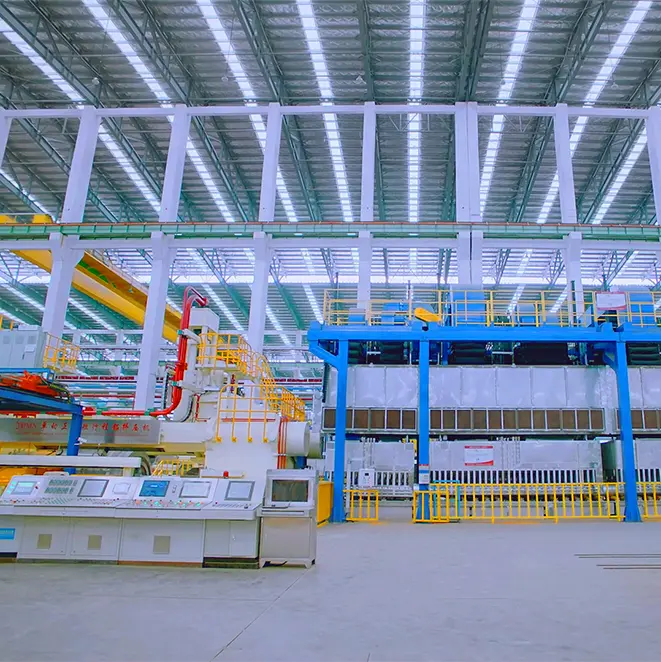

Certified provider of specialized aerospace-grade aluminum extrusions, guaranteeing mechanical integrity.
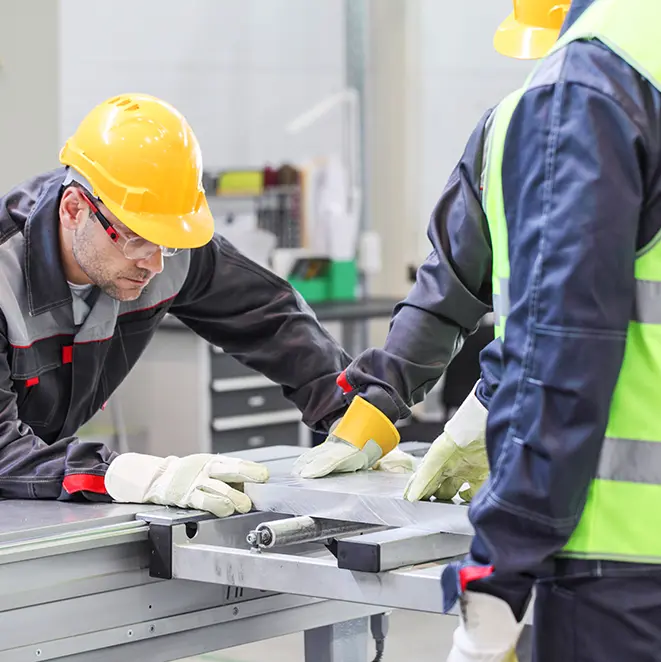

Utilizing high-grade Fenglu profiles. Large-scale press capability from 800T to 20,000T, producing parts up to 1.2m wide.
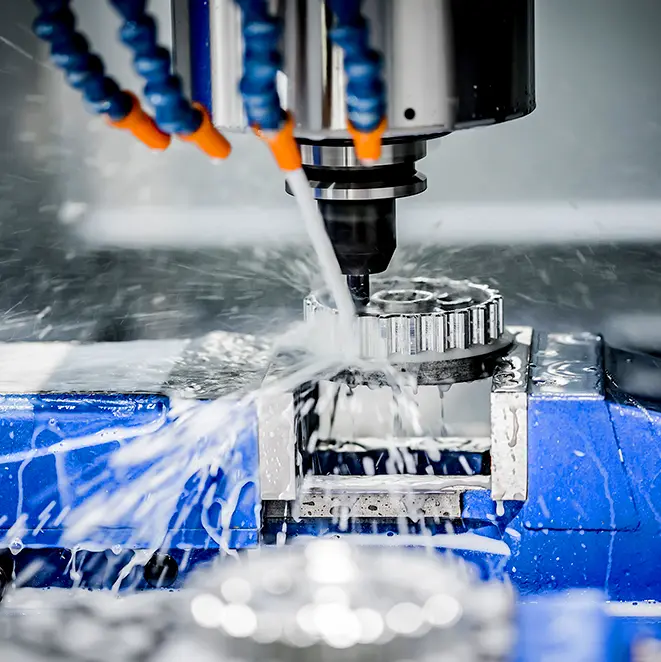

Our engineering team boasts 15+ years of experience, ensuring precise design translation and QA support.
Established in 2015 and located in Foshan City, Guangdong, LvXing Intelligent Equipment Co., Ltd. boasts a skilled R&D team with extensive experience. We leverage exceptional technical expertise to effectively transform customers' ideas into reality, consistently meeting their precise requirements.
We utilize premium Fenglu aluminum, offering a diverse range of profiles for flexible applications. Our extrusion lines, ranging from 800T to 20,000T, accommodate alloys 1xxx, 2xxx, 3xxx, 5xxx, 6xxx, and 7xxx, allowing us to produce shaped products with section dimensions up to 1.2 meters in width and 28 meters in length. These products are recognized for their precision and meticulous processing, finding broad application in aerospace, military, medical, and industrial sectors.
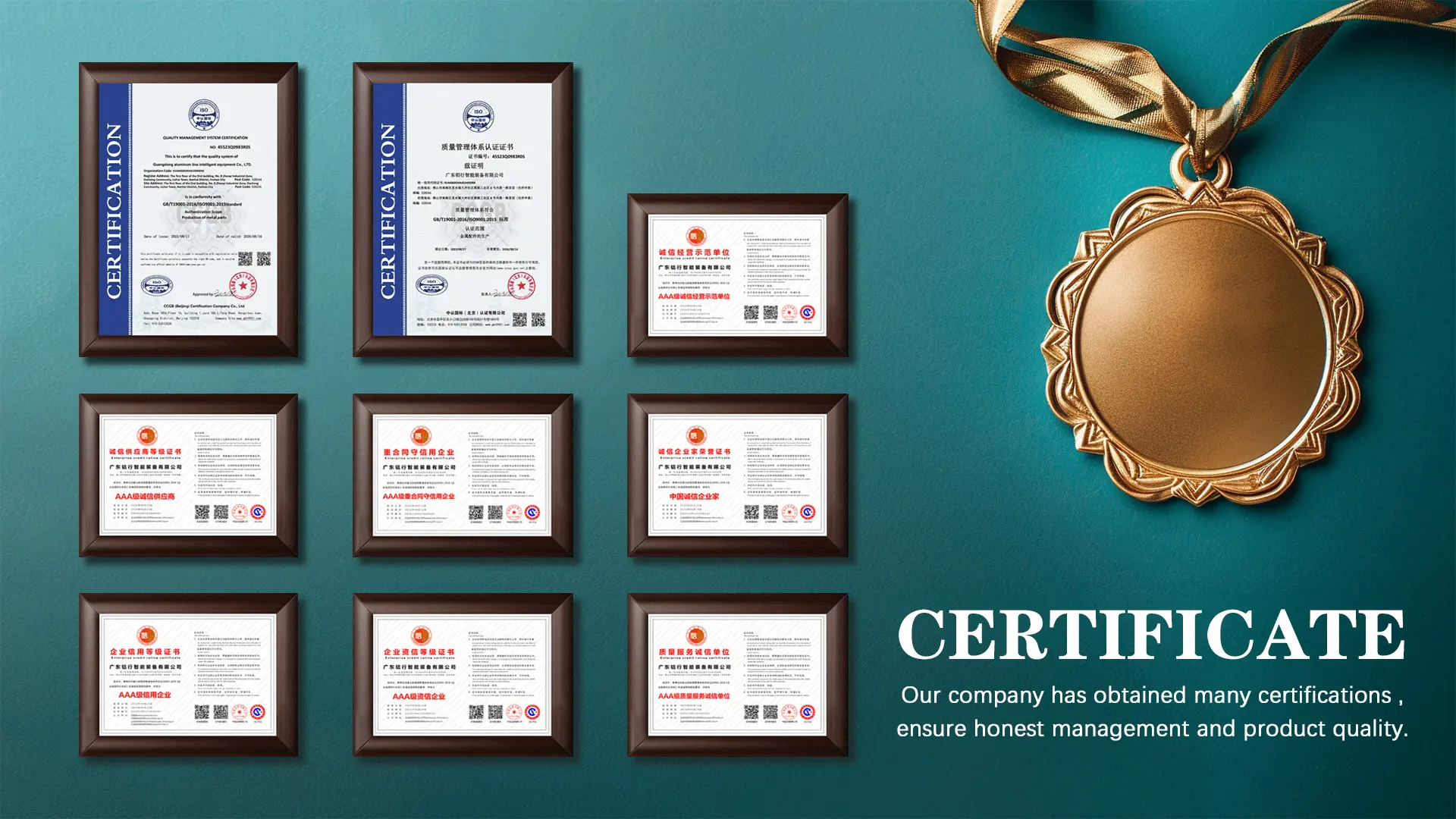
Our commitment to excellence is evident throughout the manufacturing process, rigorous quality control, thorough packaging, and efficient shipping procedures. This dedication has earned us recognition as a national excellent and honest enterprise, along with quality system certification in accordance with GB/T19001-2016/ISO9001:2015 standards.
Understanding structural differences is critical for procurement teams and lead structural engineers in the Philippines. The table below compares the performance vectors of aluminum helipad decking profiles against concrete slabs for modern high-rises.
| Performance Vector | LVXING Aluminum Profile Decking | Reinforced Concrete (Slab Design) | Manila Engineering Impact |
|---|---|---|---|
| Dead Load Weight | ~45 to 65 kg/m² | ~250 to 400 kg/m² | Reduces roof structural load, lowering earthquake shear stresses. |
| Installation Time | 7 - 14 Days (Interlocking Modular) | 6 - 8 Weeks (Pouring & Curing) | Shortens critical-path scheduling in BGC and Makati tower construction. |
| Corrosion Resistance | Excellent (Alloy 6005A-T6 / 6082-T6) | Poor (Rebar spalling from carbonation) | Resists coastal atmospheric conditions from Manila Bay. |
| Friction Surface | Integrated Knurled Grid / Serrated Ribs | Stiff broom finish (Wears down quickly) | Maintains grip during sudden tropical downpours. |
| Maintenance Cycle | Minimal (Annual visual inspection) | High (Sealing crack repairs required) | Minimizes commercial disruption for operational buildings. |
| End-of-life Value | High recycle value (~40% of initial) | Demolition cost liability | Contributes to LEED Certification for green-building criteria. |
Helipads are designed to withstand structural loads beyond the static weight of a helicopter. Structural design codes (such as ICAO Annex 14 and FAA Advisory Circular 150/5390-2C) require helidecks to withstand dynamic landing loads of 325% of the maximum takeoff weight (MTOW) of the designated design helicopter. For example, a Sikorsky S-92 or Eurocopter EC225 landing on a commercial roof deck requires aluminum profiles capable of sustaining a localized point impact of up to 11 metric tons per landing gear wheel. The 20,000T extrusion capability at LVXING allows us to produce thicker, multi-void hollow profiles that distribute these massive point loads across adjacent deck planks without permanent deformation.
Technical capabilities backed by certified aerospace-grade engineering and quality assurance protocols.
Our aluminum profile specifications align with International Civil Aviation Organization standards, covering structural rigidity, surface friction coefficient limits, and safety perimeter mounting points.
Features integrated interlocking male-female connections. This eliminates the need for field welding, preventing heat-affected zone mechanical degradation and speeding up roof assembly in Metro Manila.
Extruded from high-strength magnesium-silicon aluminum alloys (6000-series). Features T6 temper processing for optimal yield strength, fatigue resistance, and load distribution capabilities.
For Philippine project developers, procurement costs directly impact project viability. Sourcing fabricated aluminum helipad components from Foshan, Guangdong—China's premier aluminum extrusion cluster—provides unique economic and technical advantages:
LVXING's manufacturing facility in Foshan integrates raw material ingot sourcing, die-design, tooling fabrication, heavy extrusion processing, heat treatment, surface finishing, and CNC machining within a single hub. This level of vertical integration eliminates third-party outsourcing markups and guarantees trace-level quality control. Sourcing raw billets directly from leading domestic smelters ensures chemical purity. This is critical for preventing stress-corrosion cracking in marine environments.
Logistical distance is a key variable in construction schedules. LVXING's logistics network offers direct container routes from Guangzhou Port and Shenzhen Port (Shekou/Yantian) to the Port of Manila (North and South Harbors). Typical sea transit times range between 5 to 9 days. Custom crating, wooden pallets, and moisture-absorbing vapor-barrier wraps protect anodized aluminum surfaces from salt air during maritime shipping. This ensures that materials arrive damage-free and ready for assembly.
Because the profiles are extruded and pre-machined (including pre-drilled drain ports, structural mounting channels, and lighting cutouts) at our Chinese facility, onsite work in Manila is reduced to assembly. This eliminates site welding, minimizes local labor costs, and limits construction noise in dense financial districts like Ortigas and Makati.
Explore our full line of specialized profiles, structural supports, and safety mesh systems serving the Philippine market.
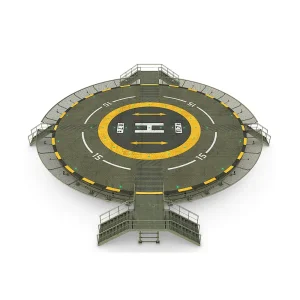
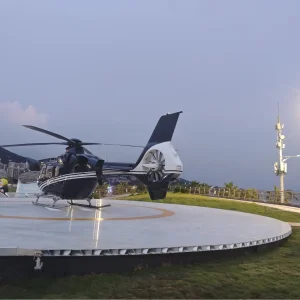
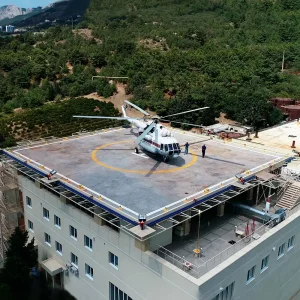
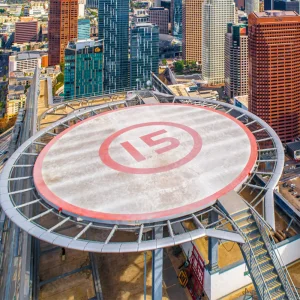
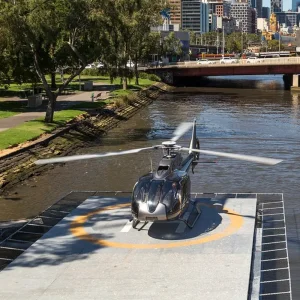
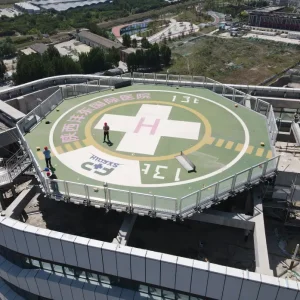
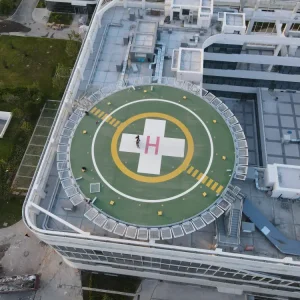
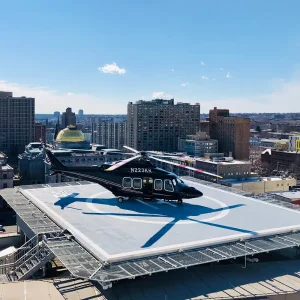
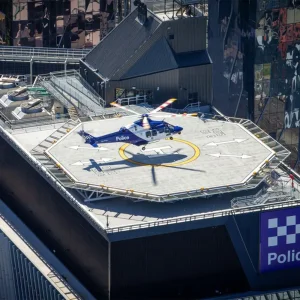
Helipad profiles are engineered structures configured for specific aerodynamic and environmental operating conditions:
High-rises in dense business districts require rooftop helipads for VIP transport and corporate emergency planning. In these locations, roof space is limited and shared with HVAC equipment and cooling towers. Interlocking aluminum profiles allow engineers to design elevated helipads above existing HVAC systems, utilizing light support trusses without overloading the primary columns.
Time is critical in emergency medical situations. Major trauma centers (such as the Philippine General Hospital or the Medical City) require reliable helipads. Our profile decking designs feature integrated, non-glare anodized finishes and custom safety channels. These channels route aviation fuel spills away from the deck, protecting building occupants during emergency operations.
For private islands, resorts, and offshore installations in Manila Bay and across the Philippine archipelago, helidecks must withstand high salinity and direct wave impact. LVXING utilizes 6000-series marine-grade aluminum alloys, finished with heavy-duty anodizing (film thickness >20μm). This provides reliable protection against saltwater corrosion and galvanic pitting.
Technical answers to key structural, regulatory, and sourcing questions from engineers and procurement teams in the Philippines.
Ready to optimize your Metro Manila building project or offshore helideck structure? Contact our technical team today for design consultations, structural calculations, and factory-direct pricing.
Send Inquiry Now LvXing