Precision-engineered perimeter safety net assemblies and structural profiles customized for Houston's marine, medical, and urban aviation networks.
The Greater Houston area represents the ultimate intersection of offshore oil and gas production, marine freight hubs, and world-class medical transport systems.
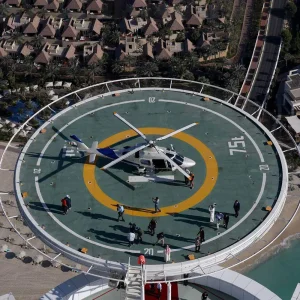
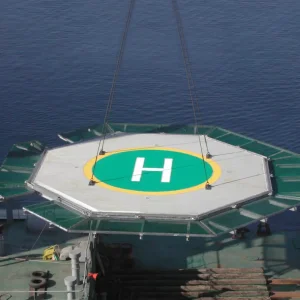
As the base of operation for the Gulf of Mexico's deepwater fleet, Houston requires structural aluminum components that can withstand extremely aggressive, high-saline marine environments. Helipads installed on offshore drillships, semi-submersibles, and central processing platforms must maintain absolute structural integrity under massive wind shear and dynamic helicopter landing loads.
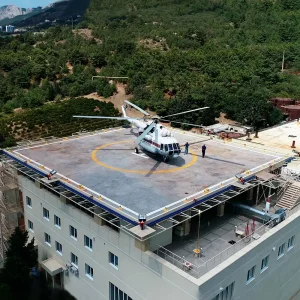
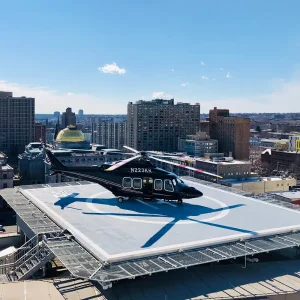
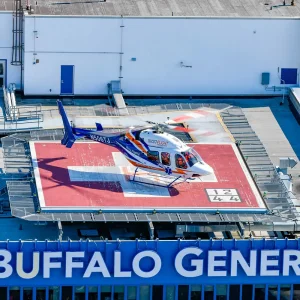
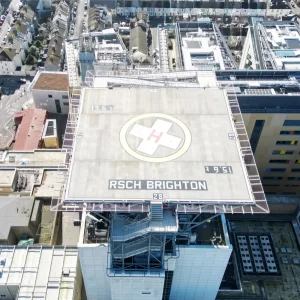
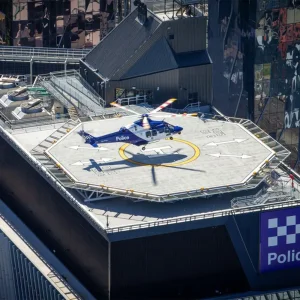
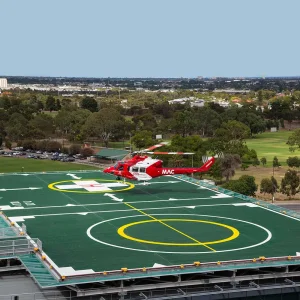
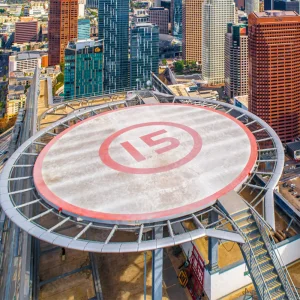
Onshore, the Texas Medical Center (TMC)—the largest medical city in the world—demands high-reliability rooftop helipads. These installations support non-stop trauma transport where safety, vibration dampening, and rapid-drain water systems are critical to operations. Traditional concrete decks are increasingly replaced with lightweight, high-strength modular extruded aluminum systems, which minimize the structural dead load on existing buildings while offering exceptional durability.
Rooftop helipads must distribute the concentrated impact forces of aircraft landings without compromising the host building's structural framework.
Complying with offshore maritime safety codes requires corrosion-resistant aluminum alloys combined with high-tension perimeter safety nets.
Modern aviation engineering relies on the unique mechanical properties of extruded aluminum alloys to replace heavy steel and concrete structures. Aluminum alloys offer an optimal strength-to-weight ratio, ensuring structural longevity under extreme coastal weather conditions.
We utilize premium Fenglu aluminum, offering a comprehensive selection of alloys suited for heavy-duty structural installations. Our primary material choices for helideck assemblies include:
Our heavy industrial facility features extrusion lines ranging from 800T to 20,000T. This enables the fabrication of single, continuous profile sections up to 1.2 meters in width and 28 meters in length. Reducing structural welds prevents fatigue failure in dynamic heliport applications.
Our manufacturing and processing lines maintain the strict quality controls required for aerospace installations:
Explore our targeted product range designed to meet the rigorous performance criteria of industrial and coastal helicopter landing zones.
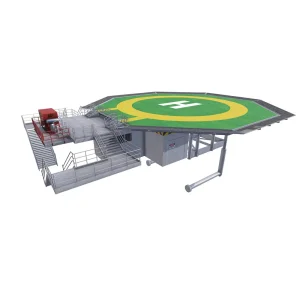
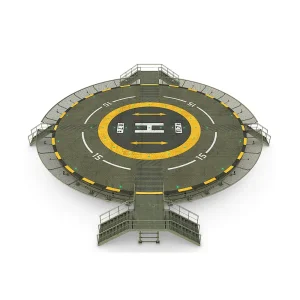
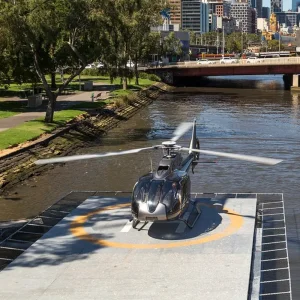
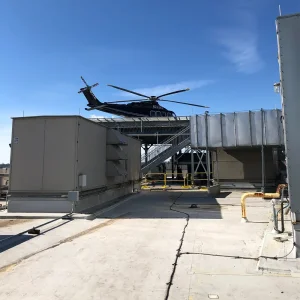
LvXing Intelligent Equipment coordinates complete material sourcing, precision CNC processing, and quality control systems to deliver structural solutions ready for industrial installation.
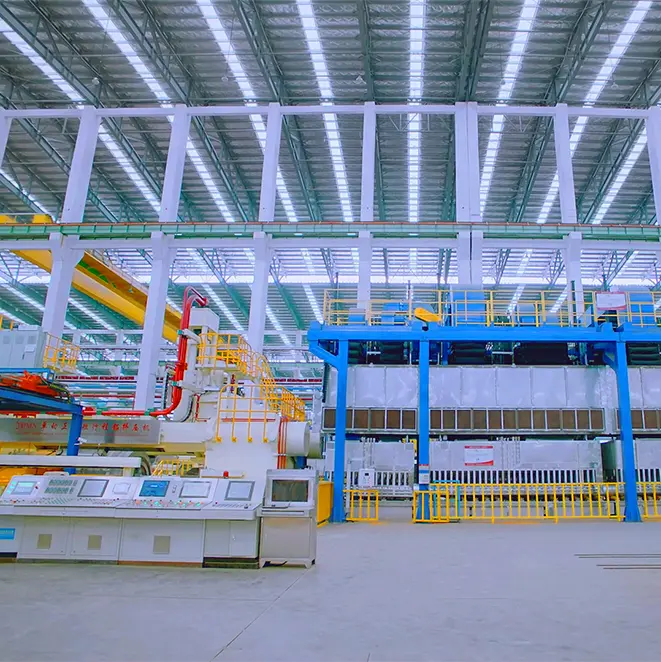

Our raw material supply chain holds verified certification for "Special Aluminium Materials for Aerospace," ensuring reliable load-bearing performance under dynamic stresses.
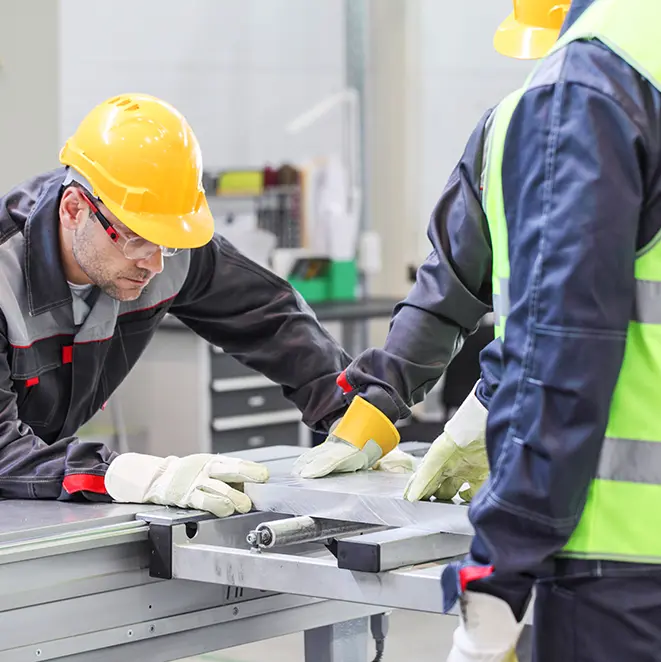

Utilizing high-end Fenglu aluminum profiles. With extrusion capacities from 800T to 20,000T, we supply complex profiles in 6xxx & 7xxx series alloys up to 1.2m wide and 28m long.
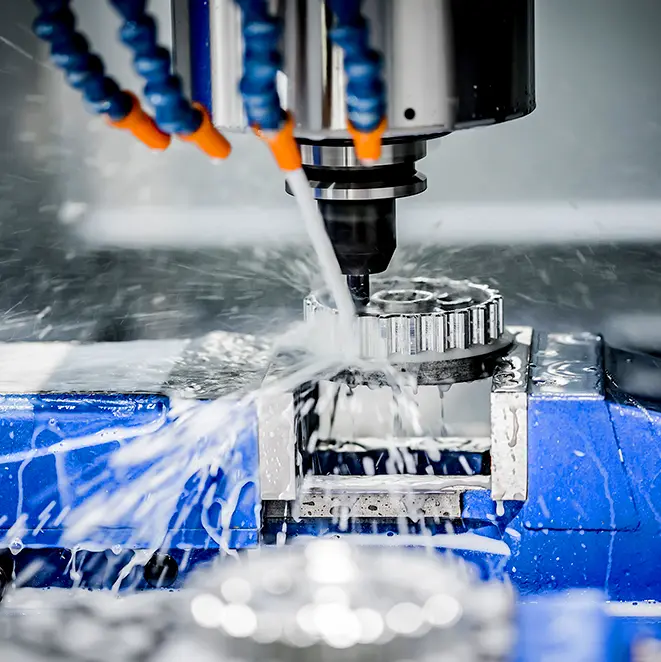

Backed by an R&D engineering team with over 15 years of industry experience, we specialize in transforming customized design concepts into robust, code-compliant landing systems.
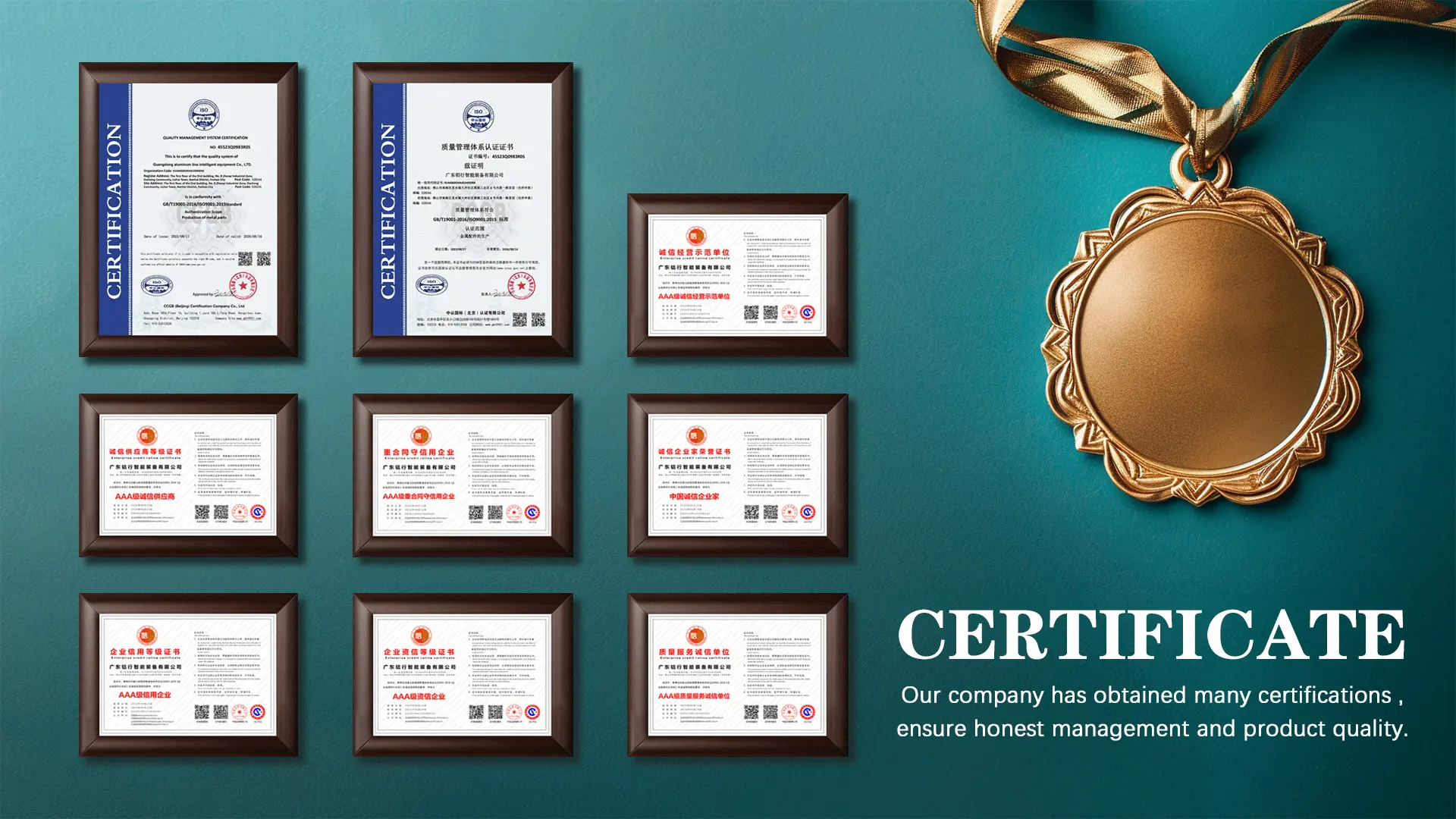
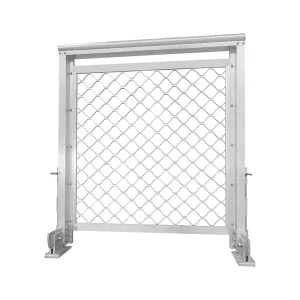
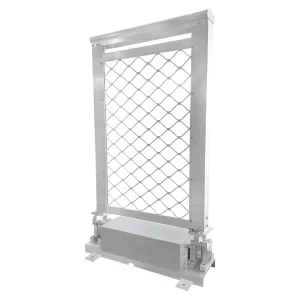
Safety is the primary consideration in heliport design. The perimeter safety net is a critical safety component required for both offshore platforms and urban rooftop helipads.
Under international maritime safety guidelines (CAP 437) and local civil aviation requirements (FAA Advisory Circular 150/5390-2C), all elevated landing structures must be equipped with a robust safety net. This net must extend outwards by at least 1.5 meters from the deck edge. The mesh must feature an upward-sloping angle of approximately 10 degrees to catch personnel without causing injury during falls.
Our perimeter safety nets are constructed with marine-grade 316 Stainless Steel wire mesh mounted within lightweight, high-yield 6063-T6 aluminum alloy frames. This combination ensures long-lasting corrosion resistance and reliable impact energy absorption.
| Performance Spec | Offshore Marine Standard (CAP 437) | LvXing Aluminum System |
|---|---|---|
| Dynamic Load Test | 122 kg drop test from 1m height | Exceeds 150 kg drop verification |
| Mesh Tensile Strength | Min 10.5 kN/m yield limit | 13.8 kN/m high-tensile 316SS |
| Frame Wind Rating | Category 4 hurricane forces | Designed for up to Category 5 winds |
| Corrosion Class | High saline environment compatibility | Anodic thickness > 20μm (C5-M marine grade) |
As offshore wind farms expand and medical evacuation flights become more frequent, helideck design is evolving to incorporate smarter, lighter, and safer structural components.
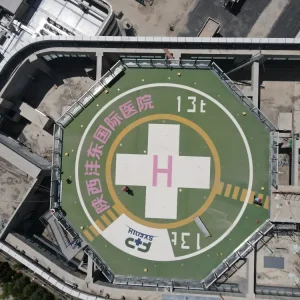
Extruded deck planks now feature integrated channels for flush-mounted lighting, meeting FAA circle-and-H requirements while minimizing manual wiring labor.
Integrating heating elements directly into the internal structural cavities of our aluminum profiles enables efficient ice-melting capabilities for colder climates.
To optimize limited space on mega-yachts and military vessels, electric safety net systems can fold down remotely, replacing manual locking pins.
When engineering a modern modular aluminum landing deck, overall project cost is determined by structural, logistical, and customization requirements.
We provide comprehensive design support from initial consultation to final delivery:
View our complete line of helideck systems, structural profiles, and safety nets built to meet the needs of regional municipal and industrial projects.
Review detailed engineering and logistical information to help plan your next helideck installation project.
Get in touch with our engineering team today to request structural calculations, custom profile drawings, and current product pricing tailored to your project specifications.
Send Inquiry Now LvXing