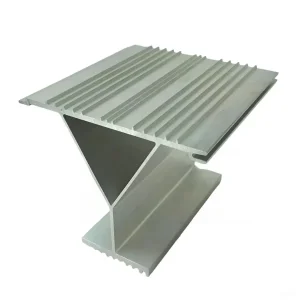
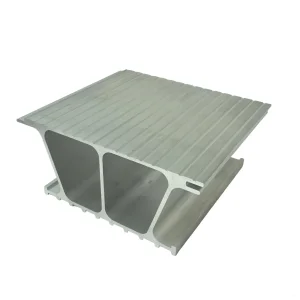
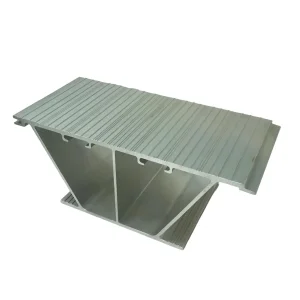
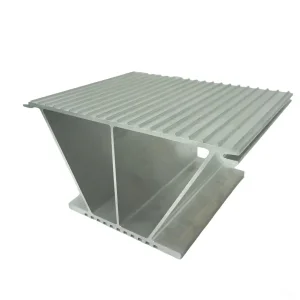
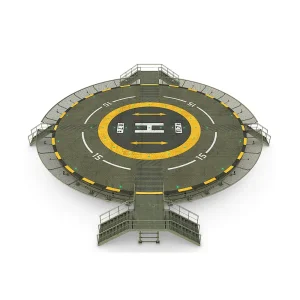
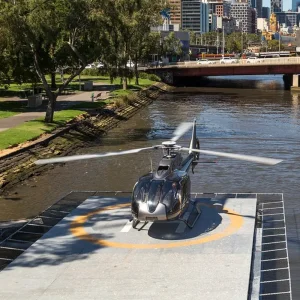
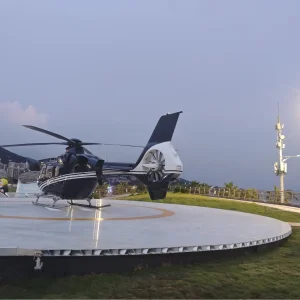
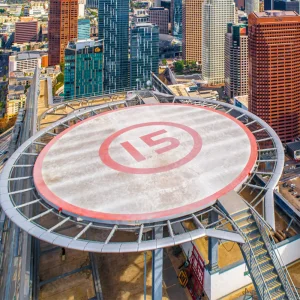
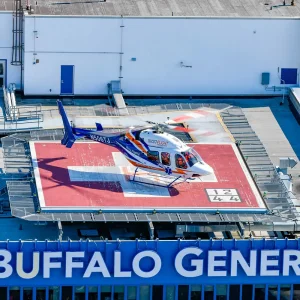
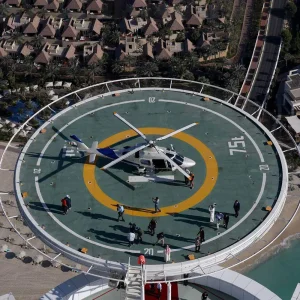
CE certified structural grade designs matching European Aviation Safety specifications
Slovakia, positioned at the geopolitical heart of Central Europe, is undergoing rapid infrastructural modernization. With the expansion of automotive corridors around Bratislava, Trnava, Nitra, and Žilina, alongside the growth of complex healthcare networks, the requirement for dedicated heliports has surged. Mountain rescue operations throughout the High and Low Tatras necessitate lightweight, high-load-bearing, and corrosion-resistant landing structures capable of withstanding extreme sub-zero conditions and heavy dynamic wind loads.
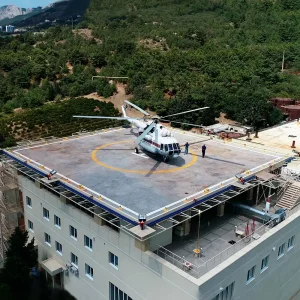
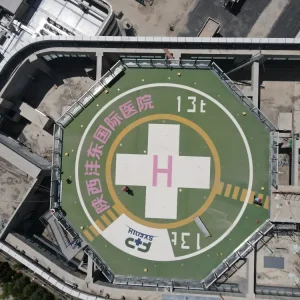
Furthermore, Slovakia's compliance with EASA (European Union Aviation Safety Agency) guidelines mandates that all new rooftop and elevated helipads built for emergency medical services (HEMS) utilize materials that maximize safety, structure longevity, and friction. High-strength aluminum extrusions have emerged as the premier alternative to traditional cast-in-place concrete, providing critical weight relief on building structures while offering built-in channels for safety nets, lighting, and active de-icing.
"Integrating aluminum helidecks in elevated Slovakian rescue platforms reduces structural dead weight by up to 70% compared to concrete, facilitating rapid installations atop historic urban medical structures and remote alpine peaks."
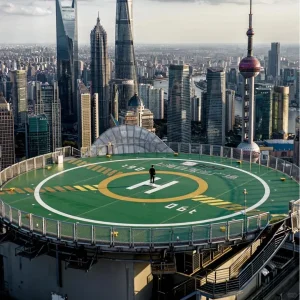
Historically, concrete landing pads dominated civil and commercial construction. However, global architectural engineering trends have decisively pivoted to modular aluminum profiles. Structural alloys, particularly 6000-series and 7000-series systems, possess high strength-to-weight ratios equivalent to structural steel but with superior resistance to atmospheric degradation. From deep-sea oil platforms in the North Sea to metropolitan skyscrapers in Frankfurt, Warsaw, and Bratislava, modular interlocking aluminum decks minimize building reinforcing requirements, lower transport costs, and optimize lightning protection paths.
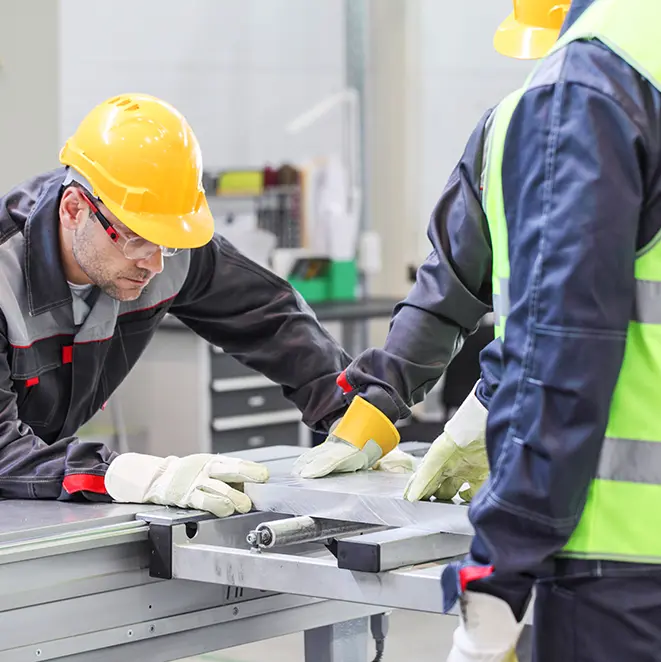
LVXING SPECIALIZES IN HIGH-PRECISION STRUCTURAL ALUMINUM EXTRUSIONS.
Established in 2015 and located in Foshan City, Guangdong, LvXing Intelligent Equipment Co., Ltd. boasts a highly qualified R&D team with deep-seated metallurgical and structural engineering experience. We leverage exceptional technical expertise to transform custom architectural profiles from blueprint concepts into high-tolerance, structural-grade realities.
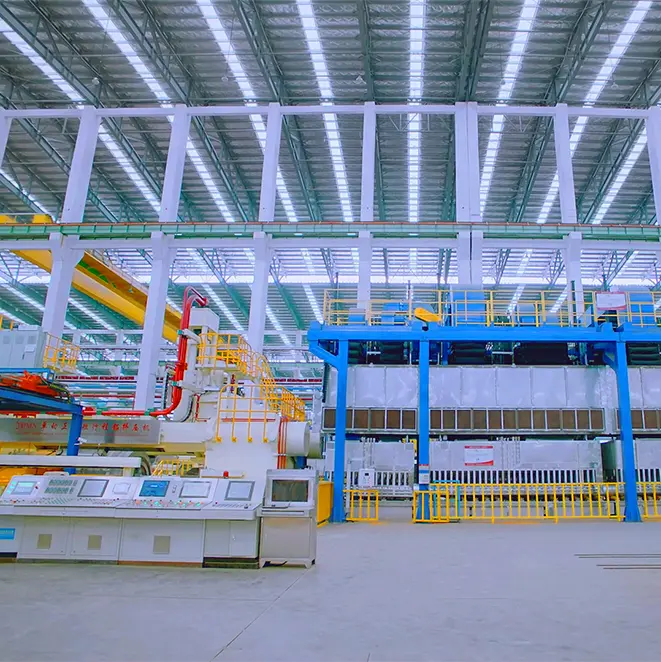
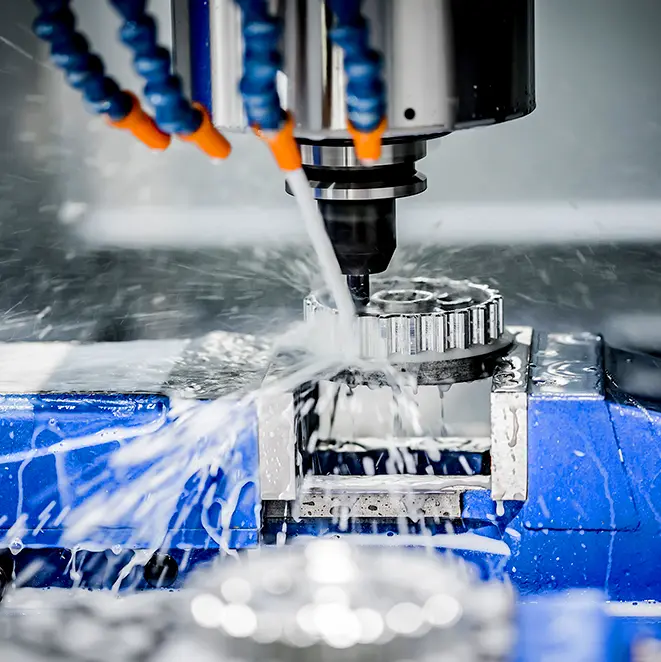
Utilizing premium Fenglu aluminum, we process a versatile range of profiles for critical structural projects. Our state-of-the-art extrusion lines, ranging from 800T up to a powerful 20,000T, accommodate advanced alloys including 1xxx, 2xxx, 3xxx, 5xxx, 6xxx, and 7xxx. This advanced capacity enables us to manufacture complex shaped products with section dimensions up to 1.2 meters in width and 28 meters in length, meeting high-performance standards in the aerospace, defense, marine, and medical rescue industries.
Extrusion Power Capacity
Max Profile Length
Technical Team Experience
Quality System Certification
Why engineering firms in Slovakia and Europe trust Lvxing aluminum profiles

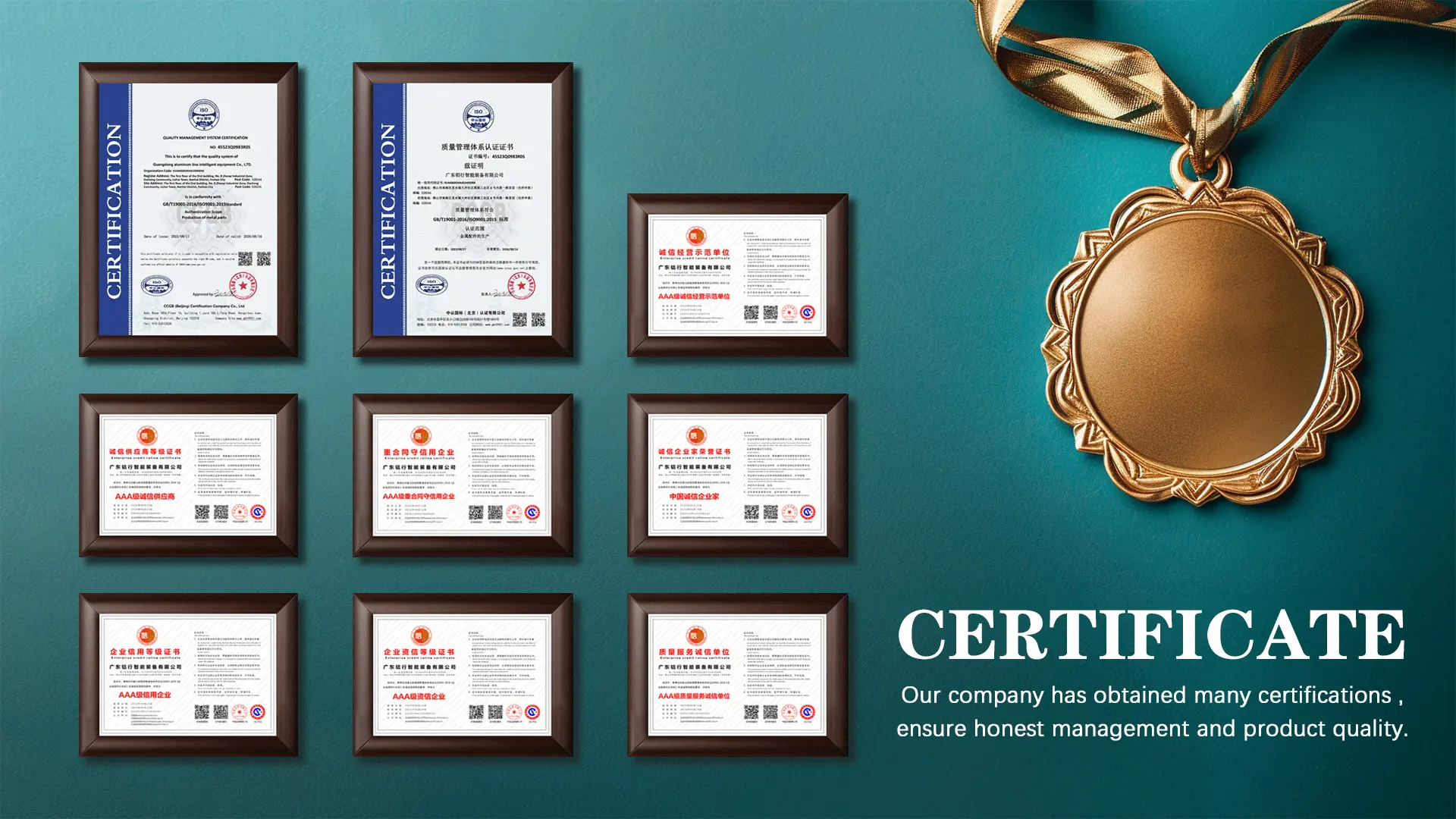
We have obtained the "Special Aluminium Materials for Aerospace" Certificate, ensuring every profile matches rigid safety and structural requirements.

Leveraging high-quality Fenglu aluminum profiles with extrusion lines from 800T to 20,000T, we produce 1xxx through 7xxx series alloys up to 1.2m wide and 28m long.

Our engineering team holds 15 years of project experience. We review structural demands, optimize profiles, and design reliable interlocking helideck systems.
Engineering helipads in Slovakia requires adaptation to unique regional climates, structural conditions, and geographic challenges:
Mountain rescue bases in areas like Poprad-Tatry require helidecks that resist severe snow accumulation. Our profiles feature integrated heating duct channels for active snow melting systems.
Upgrading rooftop heliports for emergency trauma units requires low dead-weight loads on ageing hospital roofs. Lvxing's hollow-core modular profiles provide high structural load capacity at minimal weight.
Major automotive complexes require fast-access air pads for executives and high-value cargo. Rapid-assemble interlocking profiles minimize installation downtime at busy industrial centers.
Selecting materials for helicopter landing decks requires balancing weight, structural longevity, maintenance cycles, and impact absorption. The table below presents a comparative look at why structural 6000-series aluminum alloy extrusions are favored:
| Structural Property | Lvxing Aluminum Profiles (6082-T6 / 6061-T6) | Structural Steel Frame | Reinforced Concrete |
|---|---|---|---|
| Dead Weight | Lightweight (~25-30 kg/m²) | Heavy (~80-100 kg/m²) | Extremely Heavy (>250 kg/m²) |
| Corrosion Resistance | High (Self-passivating oxide film; no painting required) | Low (Requires regular repainting & galvanizing) | Medium (Prone to cracking & freeze-thaw degradation) |
| Installation Speed | Modular interlocking; days to assemble | Welded construction; moderate time | Weeks for curing and formwork |
| Recyclability Value | >95% scrap value recovery | Moderate scrap value | Zero value (demolition expense) |
| Integrated Utilities | Internal slots for LED lights, cabling, safety nets, & heating | External modifications required | Difficult core drilling required |
The evolution of aviation logistics demands smarter, more active helipad infrastructures. Lvxing's R&D division tracks several emerging technology integrations:
Expert engineering responses to common procurement and structural design inquiries
Custom-engineered systems for offshore, municipal, and commercial buildings
Connect directly with our engineering and logistics specialists. Get detailed dimensional CAD files, material certifications, and direct-from-factory pricing options customized to European aviation and local building codes.
 LvXing