Premium grade structural aluminum decks and safety nets engineered for rapid deployment and harsh maritime or mountainous climates.
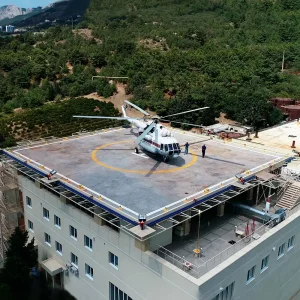
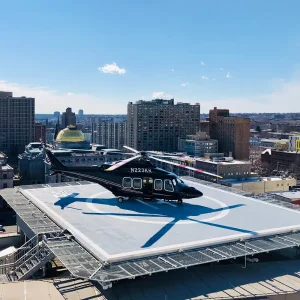
Argentina's expansive geography, spanning from the bustling urban center of Buenos Aires to the remote wind-swept basins of Vaca Muerta in Neuquén and the high-altitude mining sectors in Salta and Jujuy, places unique structural demands on helicopter landing infrastructure. The rise of oil & gas exploration, offshore drilling in the South Atlantic Ocean, and emergency medical operations (EMS) in major urban centers have accelerated the need for robust, lightweight, and low-maintenance helipads.
Traditional concrete and steel helipads present major challenges in these regions. In high-altitude Andean mining operations, transporting bulk concrete is logistically complex and cost-prohibitive. In offshore environments, salt spray and high humidity quickly corrode steel structural members. To mitigate these risks, civil engineers, project developers, and procurement managers in Argentina are increasingly transitioning to extruded aluminum helipad profile designs.
Aluminum profiles offer an exceptional strength-to-weight ratio, allowing rooftop helipads to be retrofitted onto existing hospitals and hotels in cities like Buenos Aires and Córdoba without exceeding building structural limit boundaries. Furthermore, aluminum's natural corrosion-resistant oxide layer eliminates the need for repeated painting and sandblasting, saving operators millions in lifetime operational expenditures (OPEX).
Extrusion Capacity
R&D Experience
Projects Globally
Certified Quality
A closer look at the advanced alloy configurations and heavy-tonnage extrusion processes that guarantee long-term performance.
Our helipad decks are constructed using high-specification structural aluminum alloys. The core deck planks typically utilize Alloy 6005A-T6 or 6082-T6. These marine-grade, medium-to-high strength alloys provide excellent weldability, superior bending resistance, and outstanding corrosion protection in marine atmospheres.
For support beams and key load-bearing sections subjected to high dynamic impact loads (such as helicopter wheel-point landing loads), we integrate elements from the 7xxx series alloy system. These profiles undergo precise thermal tempering to maximize yield strength and prevent structural fatigue over decades of continuous takeoff and landing cycles.
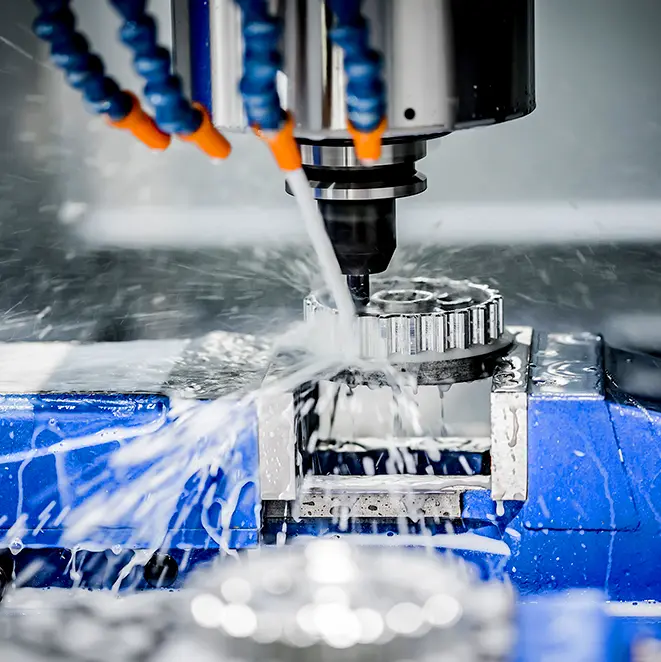
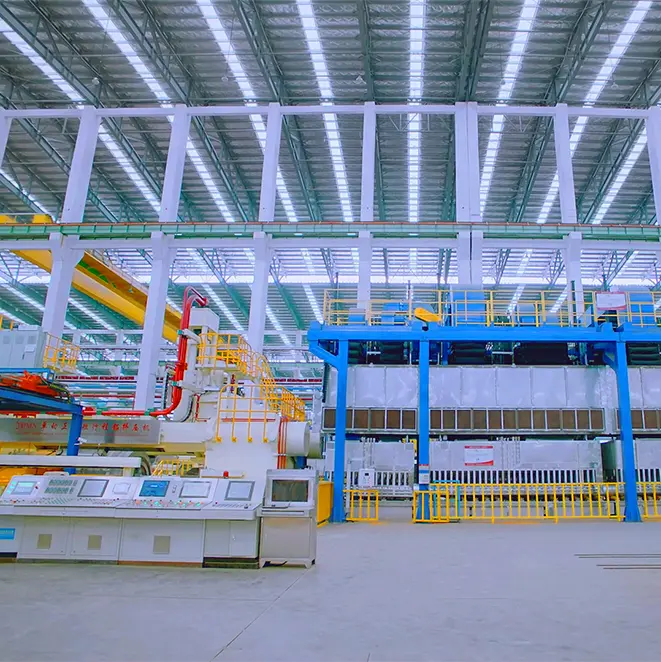
Extrusion Press Scale: Utilizing state-of-the-art extrusion lines with capacities ranging from 800T up to a monumental 20,000T, we manufacture single-piece profiles measuring up to 1.2 meters in width and 28 meters in length. This capability minimizes the number of joint connections, which in turn reduces mechanical weak points, speeds up field assembly, and guarantees a perfectly level landing surface.
| Property / Specification | Alloy 6082-T6 (Structural Deck) | Alloy 6005A-T6 (Profile Planks) | Alloy 5052-H32 (Sheet & Nets) |
|---|---|---|---|
| Yield Strength (Rp0.2) | ≥ 260 MPa | ≥ 215 MPa | ≥ 190 MPa |
| Tensile Strength (Rm) | ≥ 310 MPa | ≥ 270 MPa | ≥ 230 MPa |
| Elongation (A5) | ≥ 10% | ≥ 8% | ≥ 12% |
| Corrosion Resistance | Excellent (Marine Grade) | Excellent | Outstanding (High Salinity) |
| Applications in Helipads | Primary support beams, structural framing | Interlocking deck planks, transition plates | Friction plates, catch nets, framing structures |
Established in 2015 and located in Foshan City, Guangdong (the heart of China's premium aluminum manufacturing sector), LvXing Intelligent Equipment Co., Ltd. boasts a highly skilled R&D team with extensive experience in structural engineering. We leverage exceptional technical expertise to effectively transform our customers' industrial ideas into reality, consistently meeting precise international civil aviation and structural requirements.
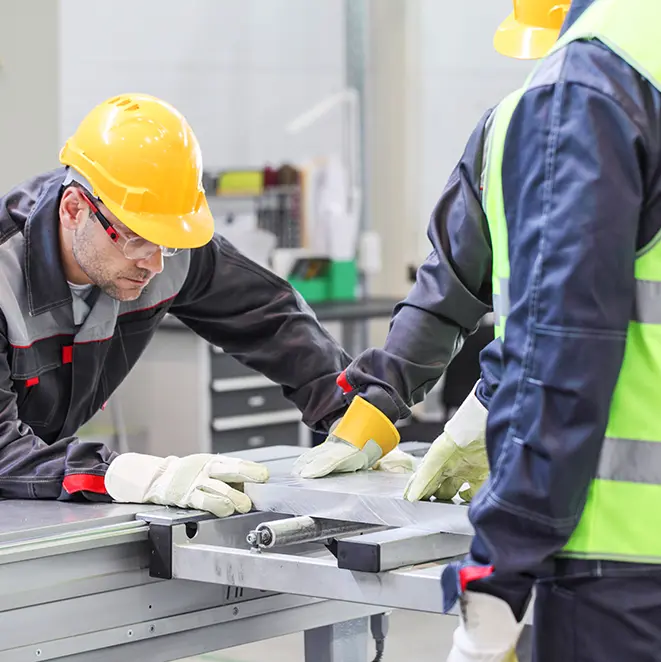
We exclusively utilize premium Fenglu aluminum, offering a diverse range of high-end profiles for flexible structural applications. Our extrusion lines, ranging from 800T to a massive 20,000T capacity, accommodate high-performance alloys across 1xxx, 2xxx, 3xxx, 5xxx, 6xxx, and 7xxx series. This allows us to produce shaped products with custom cross-sectional dimensions up to 1.2 meters in width and 28 meters in length. These products are recognized worldwide for their dimensional precision and meticulous CNC processing, finding broad application in aerospace, military, medical, and specialized industrial sectors.
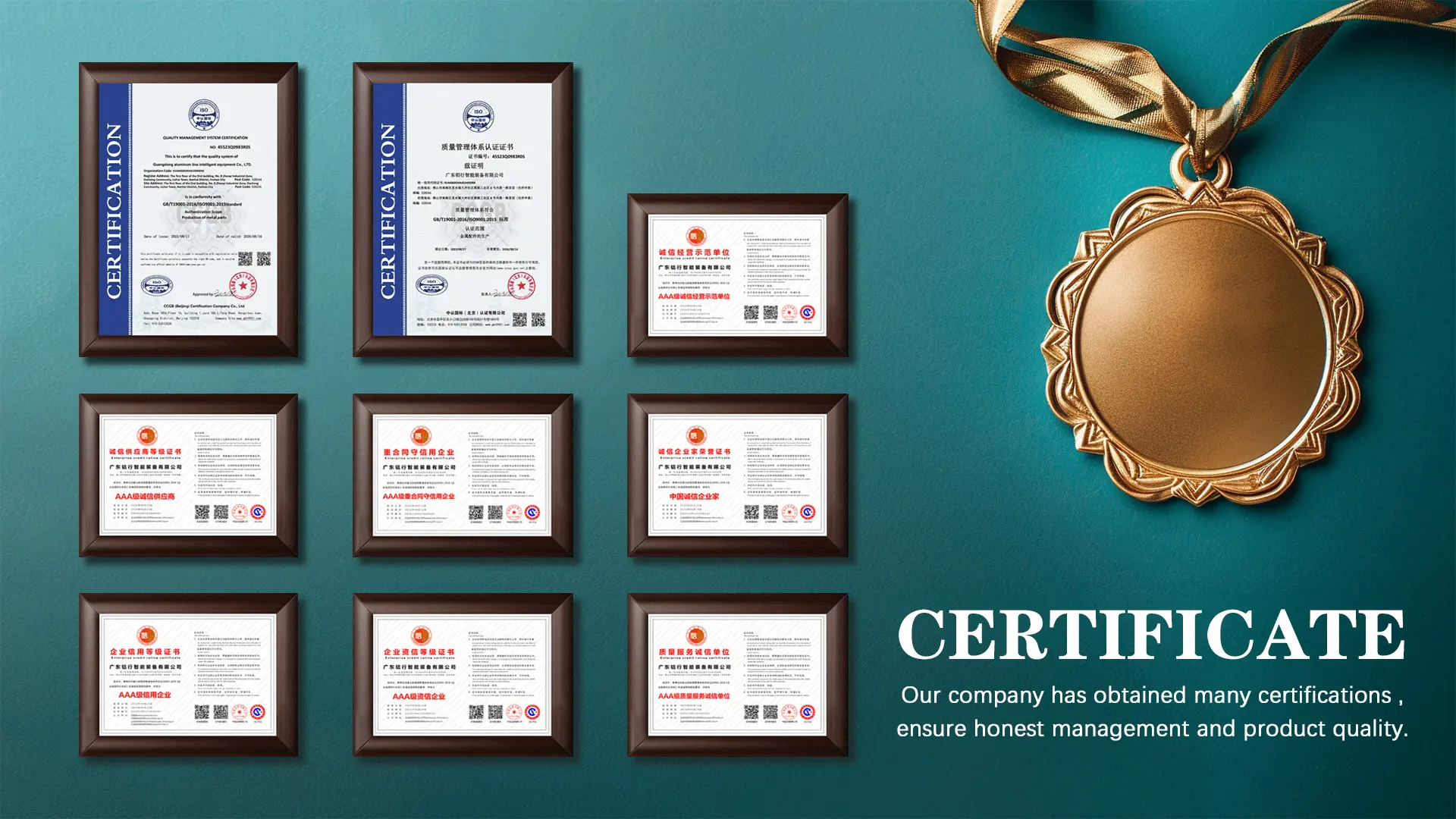
Our commitment to engineering excellence is evident throughout every phase of our manufacturing process, which includes rigorous quality control, ISO-compliant packaging, and secure global shipping procedures. This dedication has earned us recognition as a national excellent and honest enterprise, along with quality system certification in accordance with GB/T19001-2016 / ISO9001:2015 standards.
Protecting lives through robust physical barriers engineered to withstand extreme drop testing and corrosive marine environments.
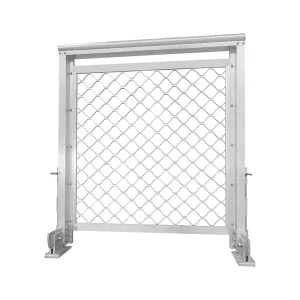
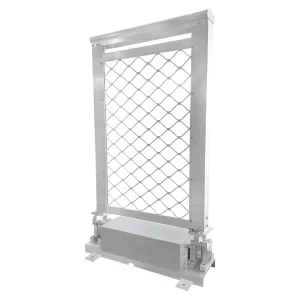
Perimeter safety nets are a vital safety requirement for both offshore shipboard helidecks and land-based elevated rooftop helipads. Under international guidelines set by the UK Civil Aviation Authority (CAP 437) and the International Civil Aviation Organization (ICAO Annex 14), helipads must be equipped with a reliable perimeter safety net to prevent personnel and equipment from falling.
Our safety nets are constructed using high-quality stainless steel wire mesh (grade 316 for offshore salt spray protection) or high-strength aluminum alloy frames. Engineered to be rigid yet energy-absorbing, these nets undergo dynamic drop tests (such as simulating a 100 kg body falling from a height of 1 meter) to ensure they can catch falling objects without breaking or collapsing.
We supply both manual folding safety nets and electrically operated systems. The motorized folding safety nets are particularly popular for naval warships and military patrol vessels operating in the South Atlantic, where rapid stowing and deployment are essential for defense and patrol missions.
Why engineering companies and developers in Argentina choose Lvxing as their trusted long-term aluminum supply partner.

We have obtained the "Special Aluminium Materials for Aerospace" Certificate. This confirms our capability to produce high-tolerance, structurally verified profiles that meet the strict requirements of civil aviation authorities.

We utilize premium Fenglu aluminum. With extrusion lines ranging from 800T to 20,000T, we process alloys 1xxx through 7xxx, creating profiles up to 1.2m wide and 28m long for seamless helipad structural configurations.

Our dedicated team of technicians brings over 15 years of invaluable experience. We identify potential structural challenges early, offering practical engineering insights to turn client concepts into reliable, field-ready products.
How we help Argentine aviation safety directors, contractors, and project managers navigate local and international requirements.
Every commercial, municipal, or medical heliport project built in the Argentine Republic must comply with the regulations set by the ANAC (Administración Nacional de Aviación Civil). ANAC mandates strict compliance with surface friction, obstacle limitations, load-bearing verification, and perimeter safety nets. Our engineering department provides comprehensive calculation reports, drawing sheets, and load certifications to assist you during the ANAC approval process.
Our engineering team modifies profile specifications based on the local geography of your installation site:
We have established reliable logistics networks to handle heavy and oversized shipments to key Argentine ports, including Buenos Aires, Rosario, and Bahía Blanca. All shipments are securely packaged in steel-framed crates to prevent damage during sea transport. We provide complete documentation sets (including Certificates of Origin, CE compliance documentation, and detailed packing lists) to ensure a smooth customs clearance process.
Investing in research to drive the next generation of safe, smart, and sustainable vertical takeoff infrastructure.
We are currently developing smart aluminum deck profiles that feature pre-engineered wiring channels. These channels facilitate the easy installation of perimeter LED lighting, heat tracing cables (for snow melting in Patagonia), and structural health monitoring sensors.
By leveraging high-grade recycled aluminum alloys and utilizing clean energy in our extrusion plants, we aim to reduce the carbon footprint of our helipad profiles by 35% over the next three years, supporting our clients' green initiatives.
Our R&D team is optimization-testing a new thin-walled, multi-hollow profile structure. This design reduces overall deck weight by an additional 15% while maintaining the necessary load-bearing capacity for heavy civil helicopters.
Answering key technical and logistical questions asked by procurement officers and aviation engineers in Argentina.
A: Aluminum profiles weigh roughly 60% less than steel and 80% less than concrete structural systems. This significantly reduces the structural loads imposed on host buildings, enabling easy retrofits on existing hospital or hotel rooftops. Furthermore, aluminum requires virtually no maintenance, offers natural corrosion resistance against salt spray, and features an interlocking design that allows for rapid, weld-free assembly on site.
A: Yes. Our helipad safety nets and profile structures are designed, tested, and manufactured to meet the strict criteria of ICAO Annex 14 Volume II (Heliports) and UK CAA CAP 437 (Offshore Helicopter Landing Areas). We supply full CE certification, metallurgical test reports, and structural load calculations for every batch.
A: Yes, absolutely. For high-wind regions like Santa Cruz and Tierra del Fuego, we supply aluminum deck profiles with specialized wind-release channels. We also work with structural engineers to design sub-frame systems capable of resisting wind velocities exceeding 120 km/h, verified by finite element analysis (FEA).
A: The standard manufacturing lead time for a complete custom helipad system is 30 to 45 days, depending on the complexity of the design. Shipping from China to the Port of Buenos Aires typically takes 35 to 45 days. We provide sea freight logistics support, custom crating, and complete shipping documentation for customs clearance.
A: Our aluminum profile deck utilizes a specialized interlocking tongue-and-groove joint design. The planks slide together and are mechanically fastened to the support framing using high-tensile stainless steel bolts. This bolt-together, weld-free design allows for rapid assembly using local labor, without the need for specialized hot-work permits or on-site welding inspections.
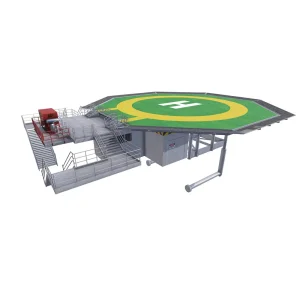
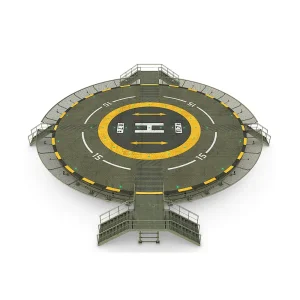
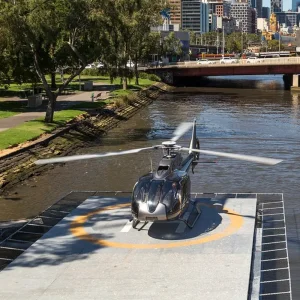
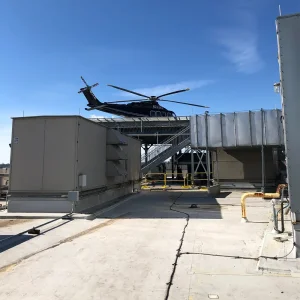
Explore our extensive range of certified landing platforms, custom perimeter nets, and specialized heliport solutions.
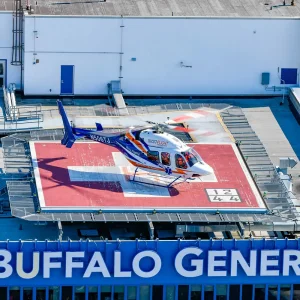
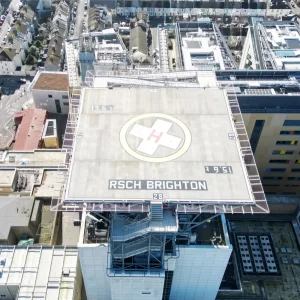
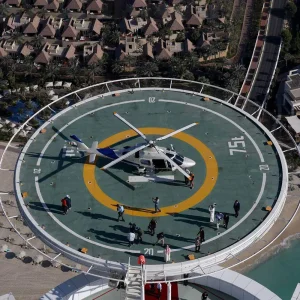
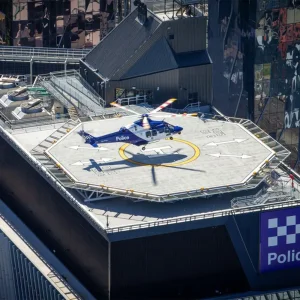
Connect with our senior engineering team today to receive a detailed structural analysis, dynamic load calculations, compliance advisory, and an accurate price quote for your project.
Send Inquiry Now LvXing