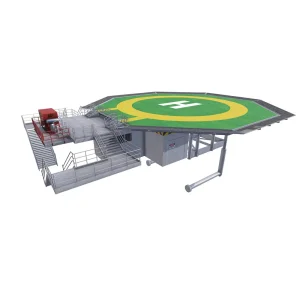
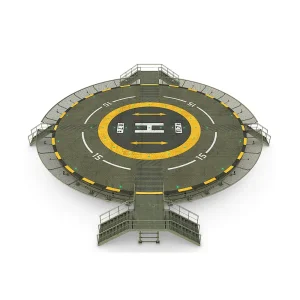
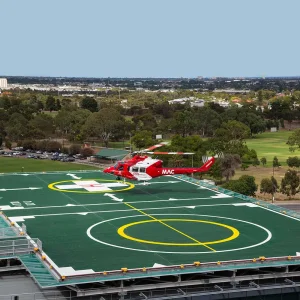
Premium aluminum safety and deck configurations optimized for Czech medical, commercial, and offshore helipads.
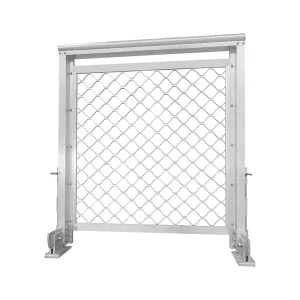
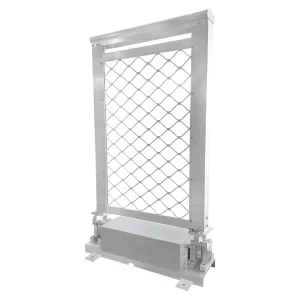
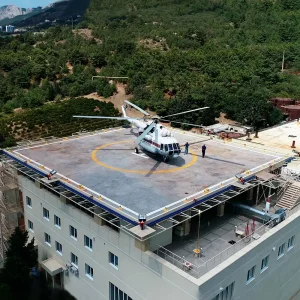
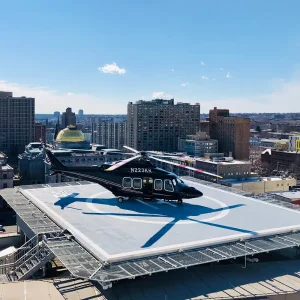
The Czech Republic, situated as a central transit hub of Europe, is experiencing a rapid modernization of its civil aviation, search and rescue (SAR), and medical evacuation network. Known locally as Letecká záchranná služba (LZS), the helicopter emergency medical services system relies heavily on rooftop landing decks attached directly to primary trauma hospitals. For structures situated in historical cities like Prague, Brno, or Plzeň, structural weight limits are highly critical. Traditional concrete landing pads impose significant dead loads, requiring expensive, time-consuming reinforcing columns that penetrate multiple stories of existing buildings.
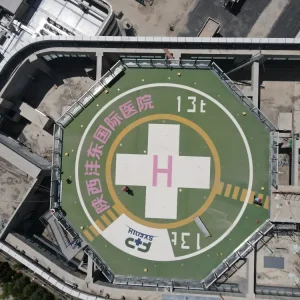
Our engineered structural aluminum profiles present the modern solution. Boasting a structural weight reduction of up to 60% compared to concrete slabs, these interlocking extrusions facilitate modular assembly, eliminating hot-work and reducing on-site installation timelines from months to days. Furthermore, all structural components comply with EASA (European Union Aviation Safety Agency) Annex V and the regulations set forth by the Czech Civil Aviation Authority (Úřad pro civilní letectví – ÚCL).
LVXING, SPECIALIZES IN ALUMINUM SOLUTIONS FOR HIGH-LOAD AEROSPACE DECKING.
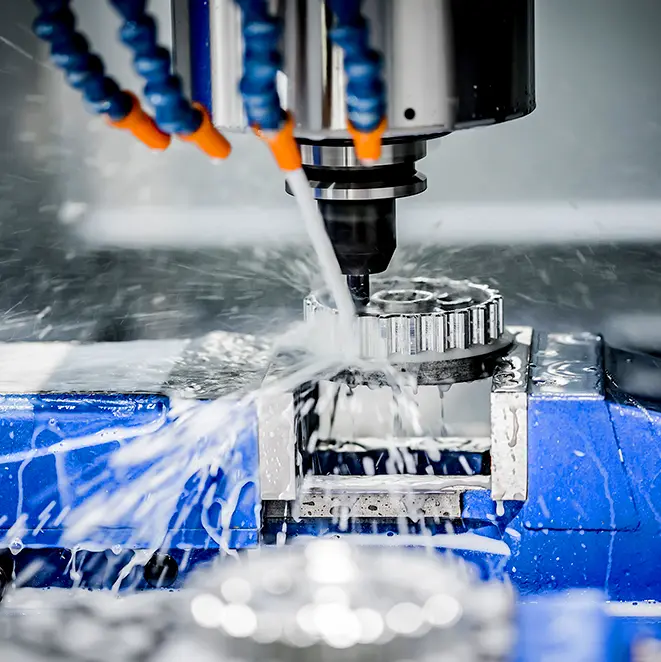
Established in 2015 and located in Foshan City, Guangdong, LvXing Intelligent Equipment Co., Ltd. boasts a skilled R&D team with extensive experience. We leverage exceptional technical expertise to effectively transform customers' ideas into reality, consistently meeting their precise requirements.
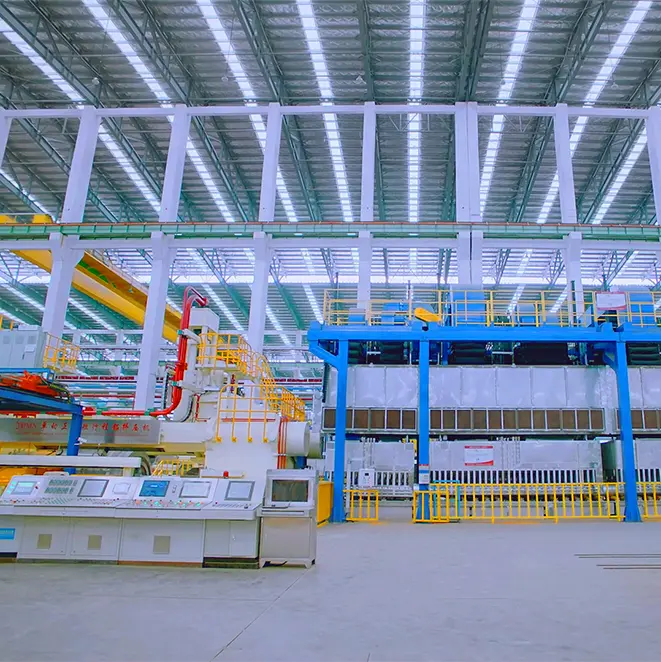
We utilize premium Fenglu aluminum, offering a diverse range of profiles for flexible applications. Our extrusion lines, ranging from 800T to 20,000T, accommodate alloys 1xxx, 2xxx, 3xxx, 5xxx, 6xxx, and 7xxx, allowing us to produce shaped products with section dimensions up to 1.2 meters in width and 28 meters in length. These products are recognized for their precision and meticulous processing, finding broad application in aerospace, military, medical, and industrial sectors.
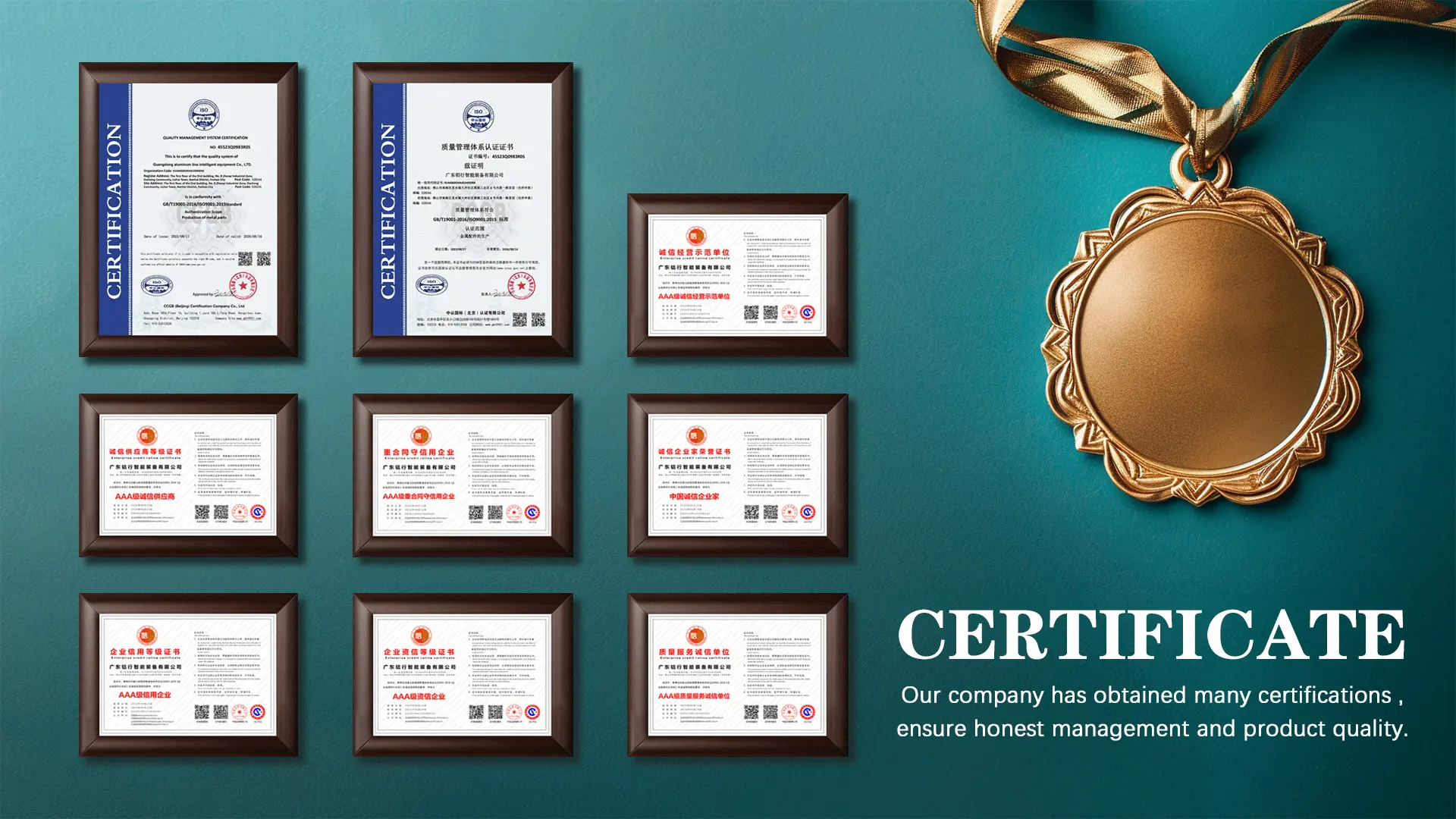
Our commitment to excellence is evident throughout the manufacturing process, rigorous quality control, thorough packaging, and efficient shipping procedures. This dedication has earned us recognition as a national excellent and honest enterprise, along with quality system certification in accordance with GB/T19001-2016/ISO9001:2015 standards.
Custom structural engineering tailored to Central European weather and geographic demands.
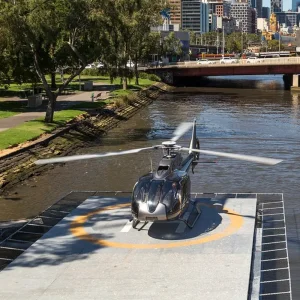
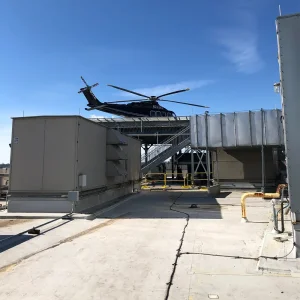
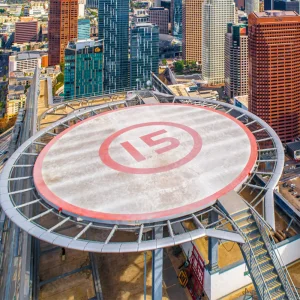
High-altitude structures subjected to localized turbulence. Lightweight profiles lower building strain, and specialized heating channels prevent ice buildup during Czech winter months.
Ground-level and elevated pads located inside major automotive clusters (e.g., Mladá Boleslav, Pilsen) engineered for heavy executive helicopters and VIP transport.
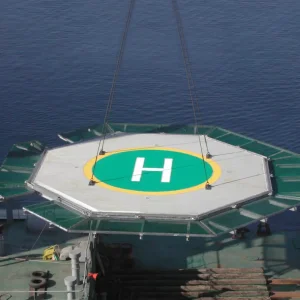
Landing surfaces designed for Krkonoše or Šumava mountain rescue bases, capable of weathering heavy snow loads, rapid temperature oscillations, and high wind velocity.
Our helipads are engineered using structural-grade 6000-series aluminum alloys. Below are the key characteristics of the material systems used to build safe, durable decks.
| Alloy Designation (EN AW) | Temper | Tensile Strength (MPa) | Yield Strength (MPa) | Corrosion Resistance | Czech Republic Standard Suitability |
|---|---|---|---|---|---|
| EN AW-6082 | T6 | ≥ 310 | ≥ 260 | Excellent (Marine/Atmospheric) | Primary Structural Profiles (High load capacity) |
| EN AW-6061 | T6 | ≥ 290 | ≥ 240 | Very High | Secondary Beams, Safety Net Framing |
| EN AW-6063 | T6 | ≥ 245 | ≥ 200 | Excellent | Perimeter Curb Profiles, Drainage Gutters |
Delivering tested, high-grade aerospace-certified structural systems worldwide.

We have obtained the "Special Aluminium Materials for Aerospace" Certificate, verifying structural performance under dynamic load stress.

We provide and utilize high-quality Fenglu aluminum profiles. With extrusion lines ranging from 800T to 20,000T, we can produce alloys 1xxx, 2xxx, 3xxx, 5xxx, 6xxx, and 7xxx. We can manufacture fully shaped products with section dimensions up to 1.2 meters in width or 28 meters in length.

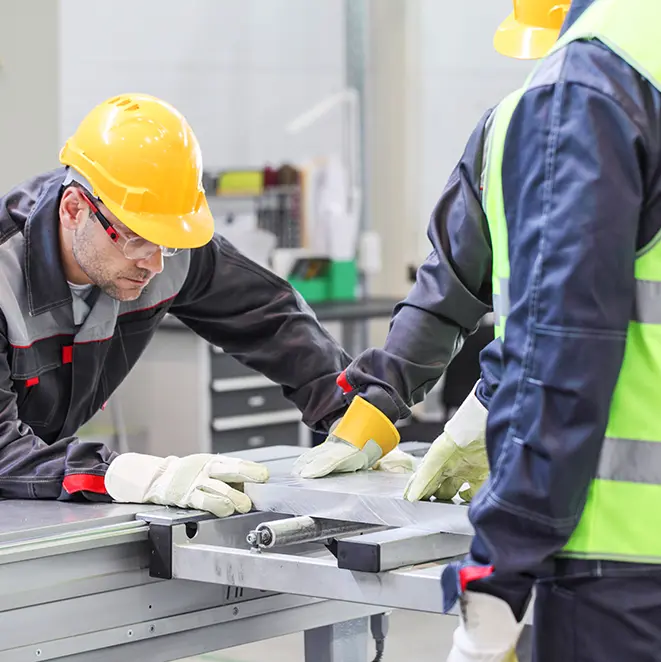
We have a team of technicians with 15 years of invaluable experience. Our deep understanding of customer requirements allows us to identify potential issues and offer practical insights, turning customer ideas into tangible products that meet specific needs.
In structural project execution, material cost control and lead times dictate success. Based in Foshan, China's premiere aluminum hub, LvXing coordinates an end-to-end supply chain. Our strategic relationship with raw billet suppliers like Fenglu Aluminum ensures an uninterrupted supply of raw materials and insulates customers from raw metal price shocks.
Rail & Sea Intermodal Logistics: Czech projects benefit from multiple shipping pathways. We offer direct maritime transport to Northern European ports (such as Hamburg, Bremerhaven, or Gdańsk) connected with inland rail terminals to Prague, Ostrava, and Brno. For time-critical projects, the China-Europe Railway Express (Nová hedvábná stezka) delivers containerized packages to logistics terminals in Central Europe within 15-20 days, cutting ocean shipping times in half.
Operating in the global market requires adhering to international guidelines. All structural solutions and safety accessories we engineer comply with leading international civil aviation regulations:
European Union Aviation Safety Agency certification rules for heliport design, ensuring structural loading factor safety parameters are met during emergencies.
Universal international framework detailing heliport structural response calculations, wind shear profiles, and perimeter safety net width parameters.
Worldwide reference standard for marine and offshore platform helideck structural safety nets, requiring minimum impact load resistance of 2.3 kJ.
Engineered for high structural reliability, CE certified, and ready for deployment in the Czech Republic.
Answering crucial technical questions about design, regulatory compliance, and logistics.
Contact our specialized engineering team today to receive a dynamic structural quote, EASA compliance review, or layout consultation custom-tailored for your project in the Czech Republic.
Send Inquiry Now LvXing