Engineered to handle dynamic helicopter loads, harsh marine environments, and high-rise structural criteria in regional hubs like Mumbai BKC and coastal landing zones.
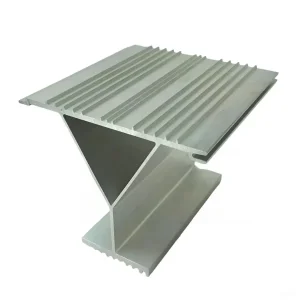
High-grade structural structural alloy profile optimized for direct load distribution on rooftop sites.
Get Price Quote →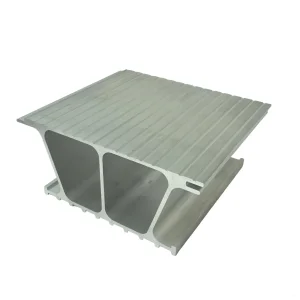
Fully certified safety profiles compliant with European standard regulations for international building codes.
Get Price Quote →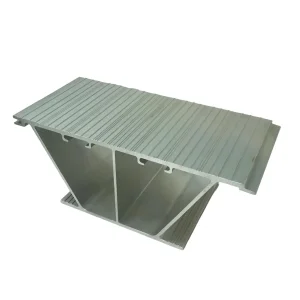
Bespoke profiles tailored to the spatial constraints of Mumbai's high-rise skyscraper roof elevations.
Get Price Quote →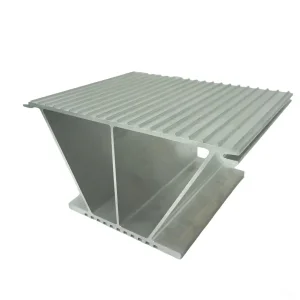
Engineered to tolerate extreme dynamic loading cycles while saving structure deadweight.
Get Price Quote →As the commercial capital of India, Mumbai's structural density is evolving vertically. High-rise developments in zones like Lower Parel, Worli, BKC, and Navi Mumbai require reliable emergency escape routes, air-ambulance docking, and corporate travel solutions. This shift highlights the need for lightweight, high-performance structural rooftop helipads.
Mumbai's coastal climate presents challenging environmental conditions, including persistent saline air, high humidity, and heavy seasonal monsoons with wind speeds exceeding 150 km/h. Traditional heavy concrete pads pose structural challenges, requiring massive load reinforcement and risking saline-induced concrete degradation.
Structural aluminum alloy helipads address these challenges. By reducing dead load by up to 70% compared to concrete, Lvxing's structural profiles allow developers to integrate landing platforms onto both new structures and existing high-rise retrofits without compromising safety.
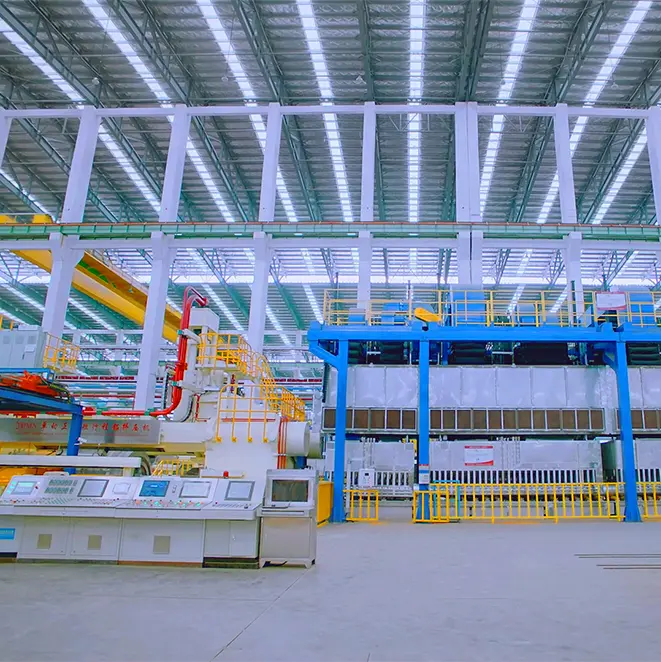
Our automated factory in China delivers structural profiles designed for high-stress projects.
Modern aviation infrastructure relies on advanced materials. Lvxing utilizes 6000-series structural alloys (including 6005A-T6, 6082-T6, and 6061-T6), which undergo precise heat treatment to achieve high yield strength, structural toughness, and excellent corrosion resistance.
Compared to traditional concrete decks, our modular aluminum systems offer key advantages:
Providing high-precision aluminum structures from China's leading manufacturing hub to global infrastructure markets.
Established in 2015 and located in Foshan City, Guangdong, LvXing Intelligent Equipment Co., Ltd. features an experienced R&D team and advanced technical capabilities. We transform technical concepts into high-precision structural products that satisfy international engineering standards.
Using premium Fenglu aluminum, we provide a wide range of profile options. Our extrusion lines, from 800T up to 20,000T, work with 1xxx, 2xxx, 3xxx, 5xxx, 6xxx, and 7xxx alloys to produce complex cross-sections up to 1.2 meters wide and 28 meters long. These precision profiles support critical aerospace, military, medical, and industrial projects worldwide.
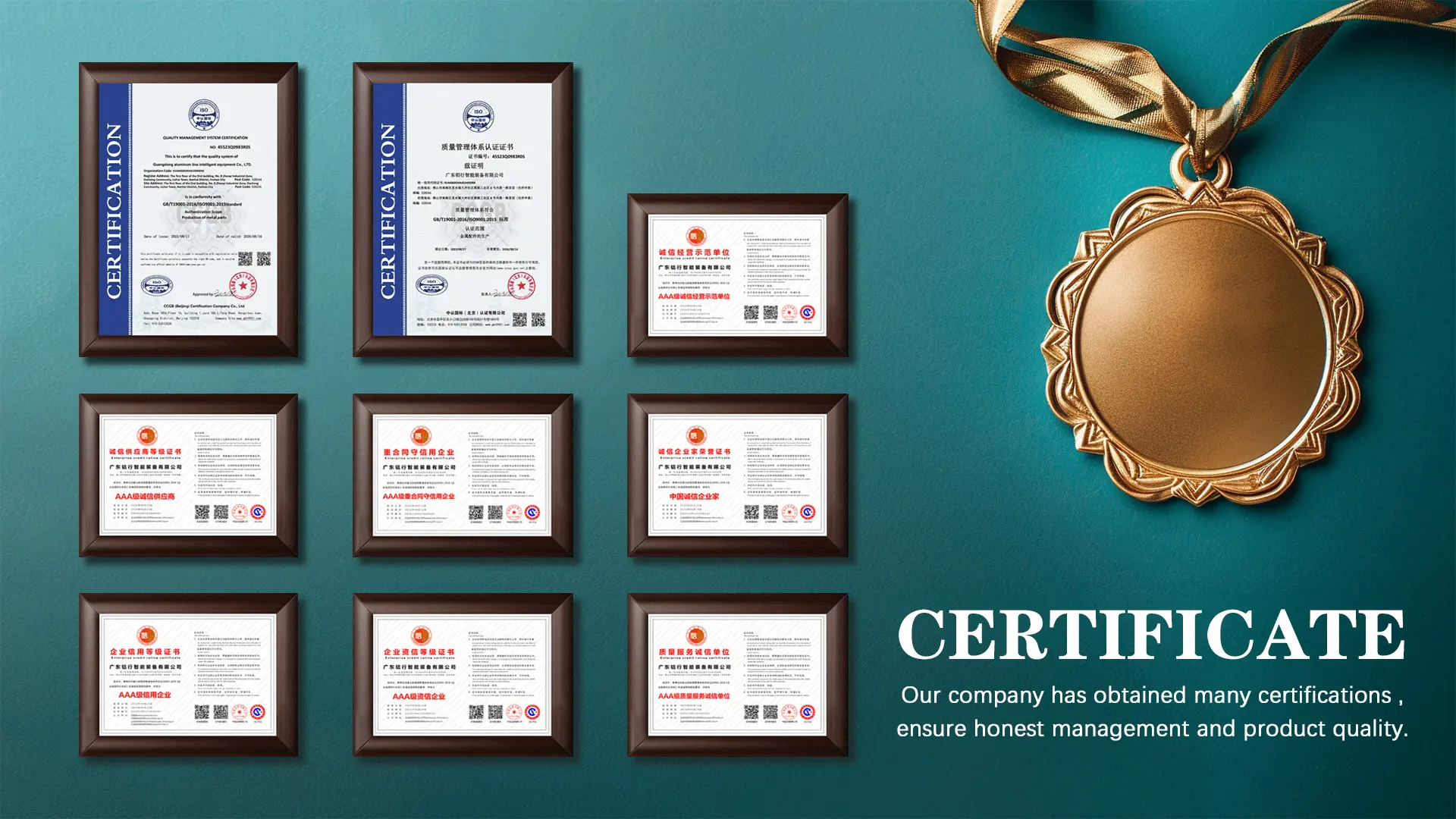
We follow strict quality controls from billet selection through to final shipping. Lvxing is recognized as a national honest enterprise and holds quality certifications compliant with GB/T19001-2016/ISO9001:2015 standards.
We offer local engineering support, material certifications, and detailed drawings to help developers navigate compliance and project delivery in the Mumbai market.

Certified for special aerospace aluminum materials, ensuring high structural reliability.

Extrusion presses up to 20,000T produce continuous, large-scale profiles for complex designs.

Our engineers bring over 15 years of design experience to resolve structural and layout challenges.
A functional helipad requires more than just a landing deck. Perimeter safety is essential, particularly on rooftops and elevated structures where wind shear and fall risks are high. Lvxing offers integrated stainless steel and aluminum safety nets designed for structural integrity.
Our safety nets mount directly to the aluminum framing, meeting international standards like CAP 437 and ICAO Annex 14. These systems are drop-tested to absorb impact energy, protecting crew and personnel without obstructing flight operations or helipad accessibility.
Helipad projects in Mumbai must comply with Civil Aviation Requirements (CAR) issued by the Directorate General of Civil Aviation (DGCA) India. Lvxing's modular systems support compliance by meeting standards for runway clearances, load factors, slip resistance, and fire safety systems.
For helipads installed on coastal support vessels or offshore platforms in the Arabian Sea, our systems utilize marine-grade 6000-series alloys. The seawater-resistant properties of these materials help reduce maintenance overheads and prevent structural deterioration.
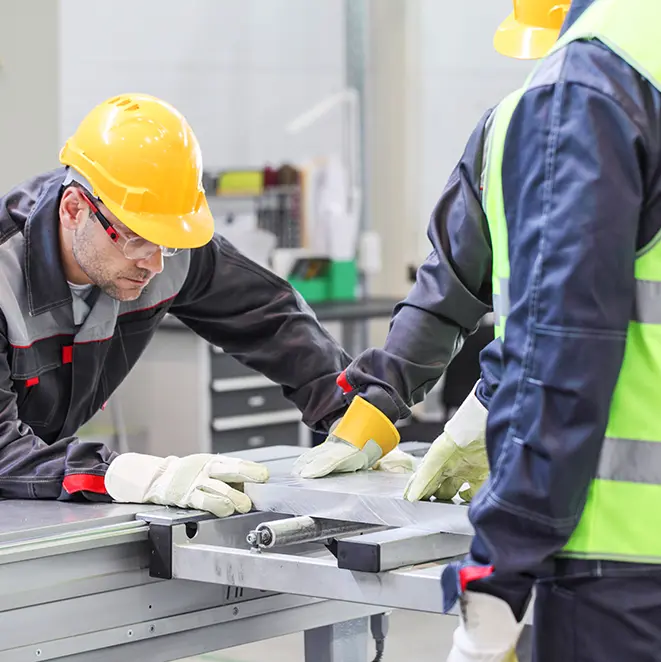
Operating from Foshan, Guangdong—China's aluminum fabrication hub—Lvxing runs a modern, integrated supply chain. We manage the production workflow from raw billet selection through extrusion, anodization, CNC machining, pre-assembly testing, and export packaging.
This integrated approach provides advantages in manufacturing speed, quality control, and cost efficiency. Our production lines can handle large volume requests, delivering custom-length structural deck profiles and integrated systems directly to projects globally.
Every shipment is securely packaged to protect structural surfaces and includes complete material certifications and QC inspection reports for customs clearance and quality documentation.
Understanding the budget requirements is critical for project managers in the Mumbai market. The final cost of an aluminum helipad depends on several engineering and structural factors:
Thicker profiles and high-performance structural alloys (e.g., 6082-T6) increase durability for heavier landing ratings, affecting the raw material cost.
Anodized, powder-coated, or non-slip surfaces provide long-term corrosion protection in seaside projects, affecting fabrication times.
Incorporating safety net systems, structural support beams, and built-in lighting affects the final pre-assembly cost.
Lvxing offers scalable pricing structures based on project scale and specifications. We provide complete estimates covering engineering design, fabrication, safety nets, and delivery to major commercial hubs.
Explore our complete range of certified helipad structures and peripheral safety net systems built for municipal and commercial development.
Standard structural solutions for multi-story buildings and elevated decks.
Get Price Quote →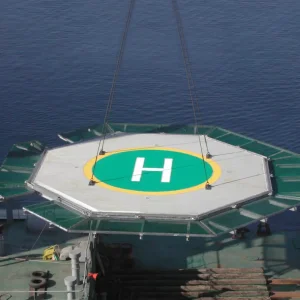
Marine-grade deck designs built to withstand wave impact and high salinity.
Get Price Quote →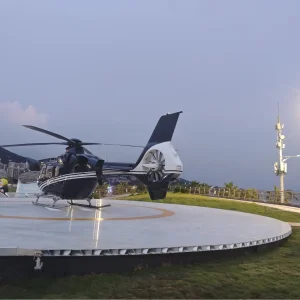
Extruded shapes designed for heavy-duty structural load-bearing requirements.
Get Price Quote →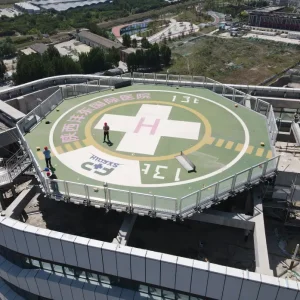
Specialized profile runs built for emergency and industrial landing applications.
Get Price Quote →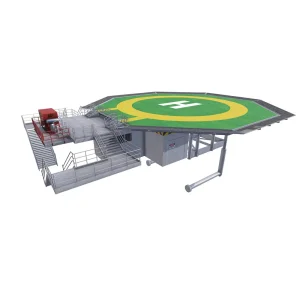
Integrated perimeter safety nets for personnel fall protection.
Get Price Quote →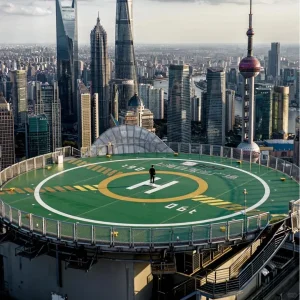
Optimized profile systems for high-altitude rooftop installations.
Get Price Quote →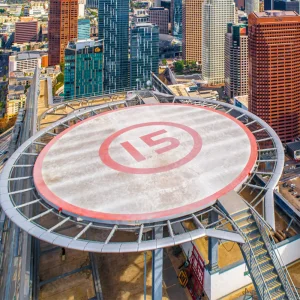
Circular profile sets with integrated safety net mounts.
Get Price Quote →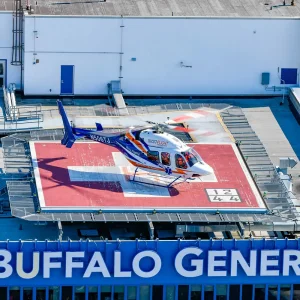
Certified landing decks for emergency medical service transport.
Get Price Quote →Advanced profile designs and safety installations for demanding environmental and heavy load parameters.
Engineered for heavy-duty emergency medical service and military aircraft landings.
Get Price Quote →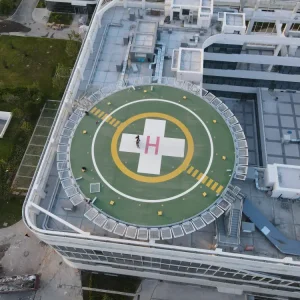
Manufactured from 6000-series alloy matrices for high fatigue strength.
Get Price Quote →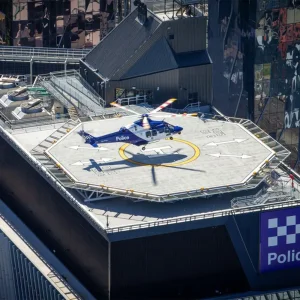
Designed to meet security and rapid deployment structural requirements.
Get Price Quote →
Modular, lightweight structural elements for fast-track regional deployments.
Get Price Quote →Lvxing is refining its structural profiles to improve strength-to-weight ratios and design flexibility. We are testing next-generation aluminum-lithium alloys and advanced friction stir welding (FSW) techniques to deliver seamless joints and higher fatigue resistance under dynamic loads.
We are also incorporating smart diagnostics into our design roadmap. Future aluminum helipad panels will support integrated fiber-optic strain sensors. These sensors monitor load stress in real-time, providing building managers with structural health data via digital management systems.
Additionally, our design efforts focus on reducing assembly complexity. Newer modular interlocks will feature snap-fit channels for cabling and integrated lighting. This reduces installation steps and ensures electrical runs are protected from coastal weathering.
Key information regarding structural compliance, materials, and international logistics for our helipad systems.
Get in touch with our engineering team for technical specifications, structural drawings, and direct quotes tailored to your project requirements.
Send Inquiry Now LvXing