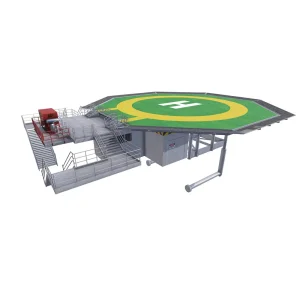
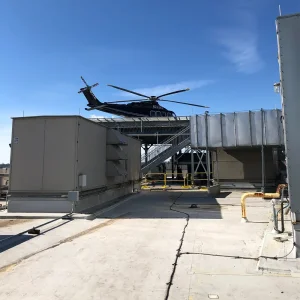
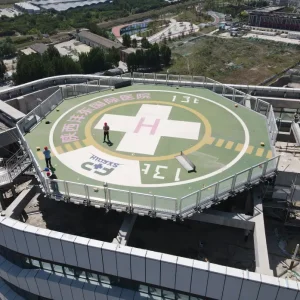
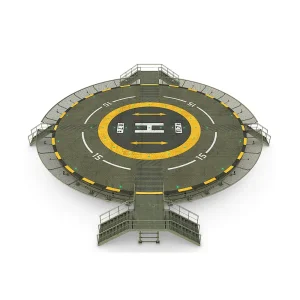
Immediate procurement options featuring lightweight profiles, high-load capacities, and advanced anti-corrosion properties designed for high-altitude installation.
Modern helicopter landing decks (helipads) in Switzerland operate under some of the most challenging geographical and climatological conditions in the world. From alpine search and rescue bases operated by REGA (Swiss Air-Rescue) to elevated medical platforms atop municipal hospitals in Zürich and Geneva, helipads must guarantee structural survival against extreme snow loads, strong winds, and rapid thermal cycling. To meet these demands, the architectural paradigm has shifted decisively from heavy cast-in-place concrete structures toward advanced, lightweight, high-strength modular extruded aluminum profile systems.
Aluminum alloys—specifically of the Al-Mg-Si family (6000 series, including 6082-T6 and 6005A-T6)—offer an unparalleled strength-to-weight ratio. A typical concrete helipad deck can impose dead loads exceeding 1,200 kg/m² on building foundations. In contrast, an engineered aluminum helipad deck system typically weighs less than 150 kg/m², including its primary support framing. This reduction in dead weight is crucial for retrofitting existing hospital rooftops and historic Swiss structures where foundation strengthening is cost-prohibitive or structurally impossible.
| Performance Parameter | Reinforced Concrete Decks | Modular Extruded Aluminum (Lvxing Systems) |
|---|---|---|
| Dead Load Weight | Extreme (1000 - 1500 kg/m²) | Ultra-lightweight (80 - 150 kg/m²) |
| Installation Timeline | 6 - 12 Weeks (Curing required) | 5 - 10 Days (Bolted modular assembly) |
| Low-Temperature Ductility | Brittle crack risk under freeze-thaw cycles | Increases in tensile strength below 0°C |
| Maintenance Profile | High (Sealing, cracks repair, spalling checks) | Zero-maintenance (Corrosion-resistant anodization) |
| Safety Net Integration | Custom structural brackets required | Built-in slotted profile interfaces |
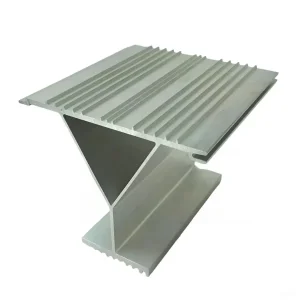
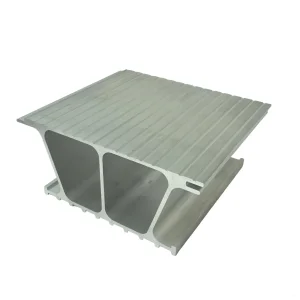
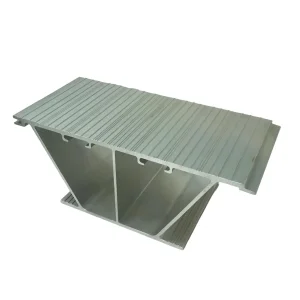
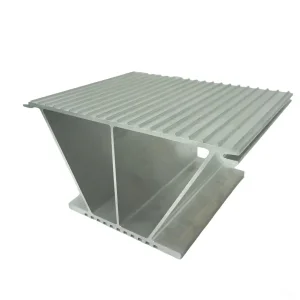
Helipads in Switzerland must be structurally certified to handle the Maximum Take-off Weight (MTOW) of critical response aircraft, such as the Airbus H145 and the Leonardo AW139. Structural calculations must account for the emergency landing impact factor (typically 1.5 to 2.5 times the MTOW) as outlined by the EASA (European Union Aviation Safety Agency) and BAZL. Extruded profiles developed by Lvxing utilize multi-hollow chamber geometries that distribute concentrated wheel or skid loads laterally across the deck. This minimizes localized bending moments and prevents the micro-deformation of landing platforms under heavy, continuous cyclic loads.
Engineered options tailored for Swiss mountain rescues, hospitals, and offshore-grade installations.
Established in 2015 and located in Foshan City, Guangdong, LvXing Intelligent Equipment Co., Ltd. boasts a highly skilled R&D team with extensive experience in structural design and aviation engineering. We leverage exceptional technical expertise to effectively transform customer designs into reality, consistently meeting precise European aviation requirements.
We utilize premium Fenglu aluminum, offering a diverse range of high-performance profiles for flexible applications. Our extrusion lines, ranging from 800T to 20,000T, accommodate alloys in the 1xxx, 2xxx, 3xxx, 5xxx, 6xxx, and 7xxx classes, allowing us to produce shaped products with section dimensions up to 1.2 meters in width and 28 meters in length. These profiles are recognized for their dimensional accuracy, meticulous surface treatment, and durability.
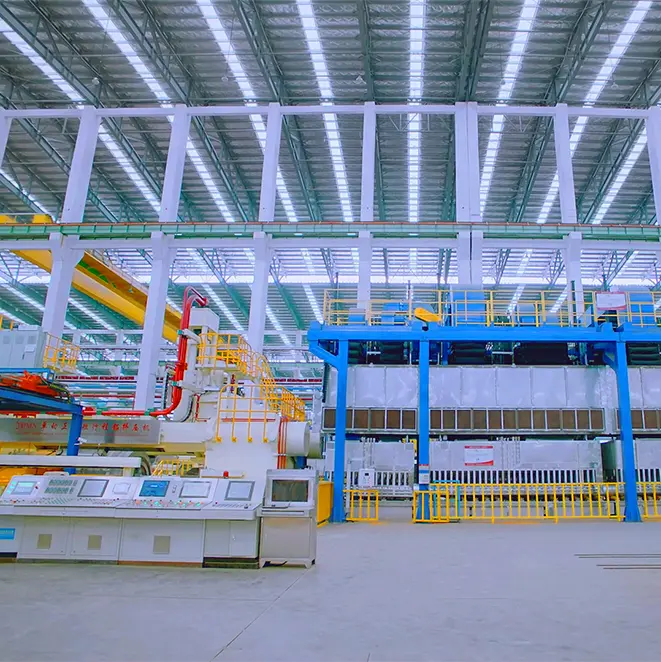

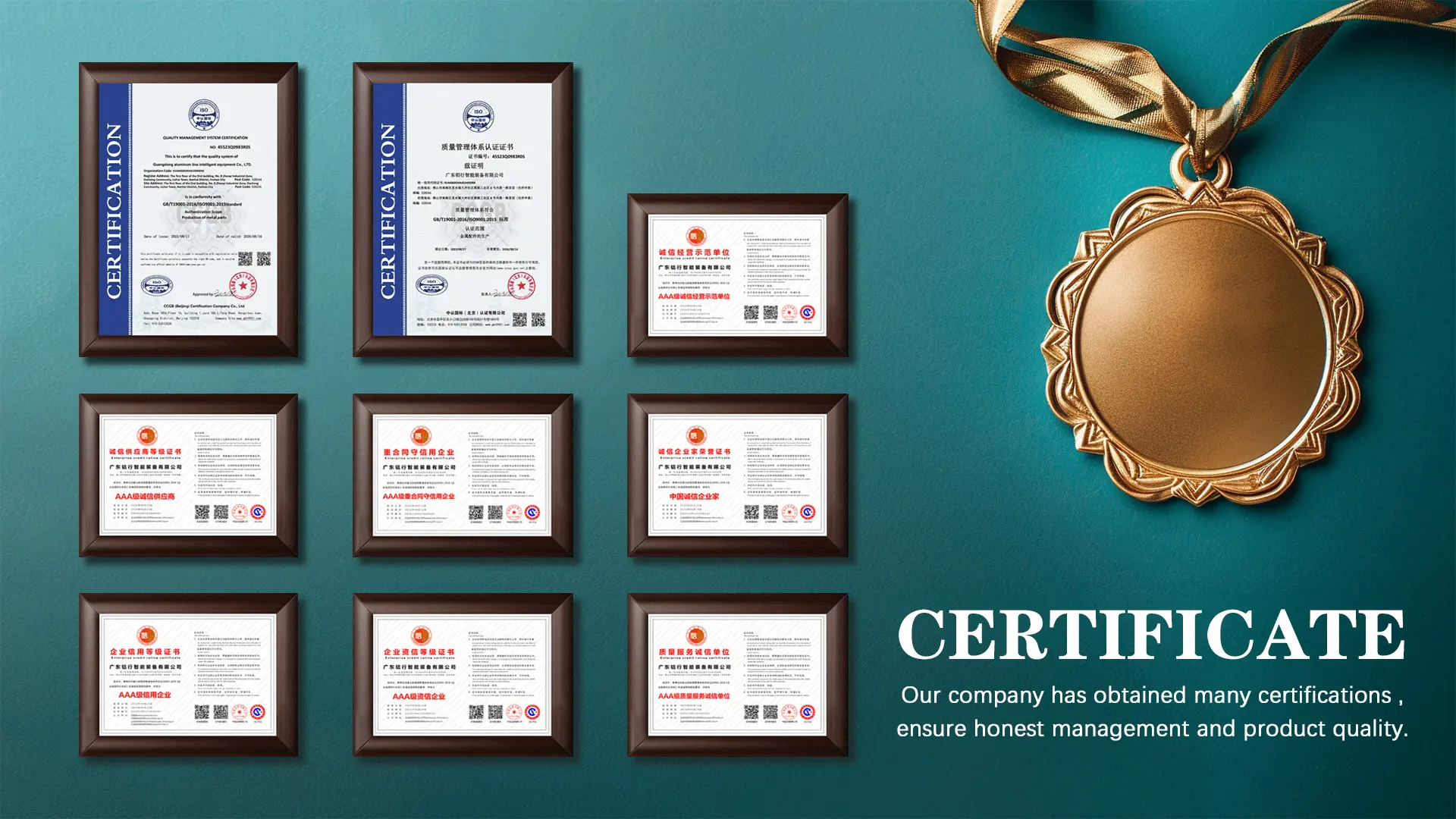
We have obtained the prestigious “Special Aluminium Materials for Aerospace” Certificate, verifying our compliance with international aerospace metal criteria.
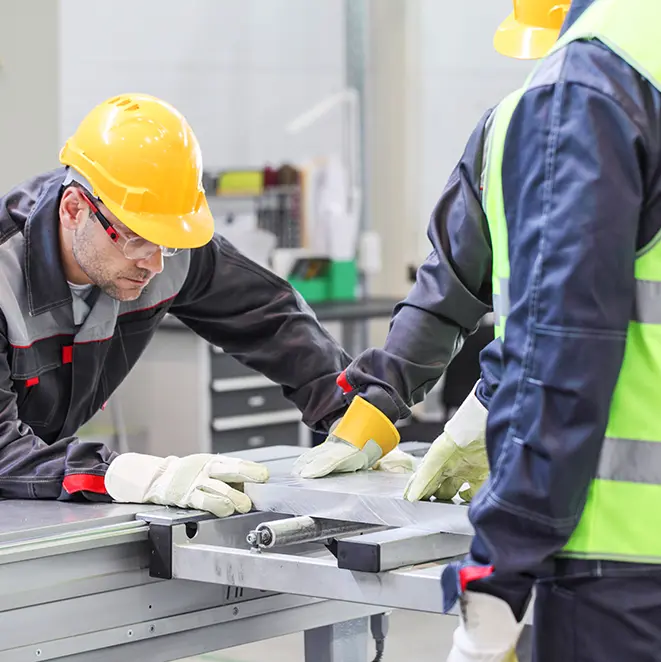

We utilize high-quality Fenglu aluminum profiles. With heavy extrusion machinery up to 20,000T, we produce continuous pieces up to 1.2m wide or 28m long.
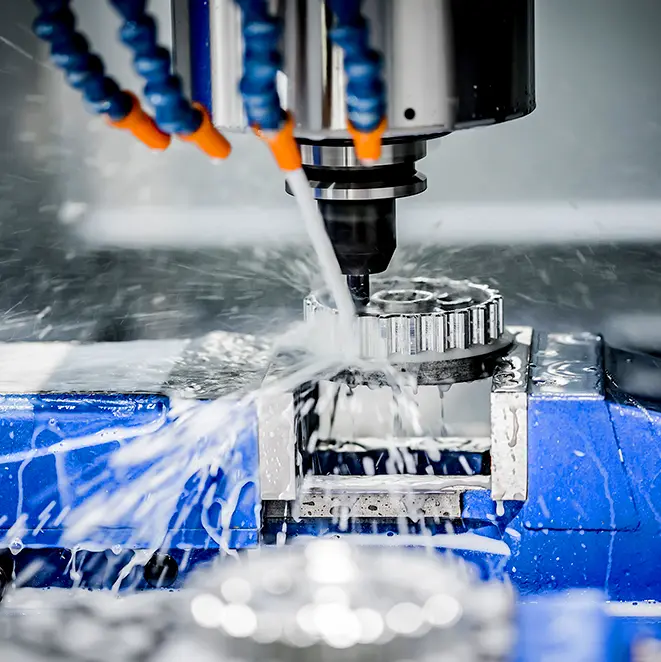

Our team of technicians has 15 years of experience, ensuring swift resolution of complex mechanical and load-distribution problems.
As the European construction sector faces rising materials and energy costs, procurement departments in Switzerland are looking to global supply chains to maintain economic sustainability. Lvxing Intelligent Equipment Co., Ltd. bridge this gap by offering precision-fabricated aluminum components that adhere to EASA, BAZL, and ISO standards at competitive rates. Under our Factory 4.0 strategy, we integrate digitized scheduling, automated extrusion controls, and real-time quality scanning, allowing us to deliver bespoke projects directly from our Foshan facility to Swiss sites with zero structural deviation.
Enables the production of wide-span profiles that reduce structural welds. Fewer joints increase structural integrity and limit maintenance overhead.
Impact-tested safety nets capable of absorbing 2.25 kJ of kinetic energy, ensuring compliance with global helideck standards like CAP 437.
Every profile batch is checked for geometric tolerance, alloy purity, and anodization depth to ensure immediate Swiss civil aviation clearance.
Our engineering team designs landing decks for specific Swiss conditions, including:
High-capacity manufacturing and quality standards for critical aviation infrastructure.
Extrusion Press Force
Aviation Profile Design
Safety Net Energy Absorption
ISO9001 & CE Compliance
Select from our certified catalog of helipad deck configurations and structural safety systems for the European market.
Answers to common structural, regulatory, and logistics questions concerning helipads in Switzerland.
 LvXing