As metropolitan infrastructures adapt to three-dimensional transit requirements, Barcelona has emerged as a key European focal point. Serving as a crucial maritime hub in the Mediterranean, a primary logistics center, and a capital of medical specialization in Catalonia, the city's requirement for vertical takeoff and landing (VTOL) facilities has expanded. High-performance aluminum landing platforms, paired with certified perimeter safety nets, represent the modern standard for safety and durability in these systems.
Barcelona's coastal location requires structural materials that can withstand high levels of marine chloride corrosion. The Port of Barcelona, one of Europe's major maritime shipping gateways, handles offshore supply routes and search and rescue missions that rely on durable landing platforms. Concurrently, medical complexes such as Hospital Clínic and Vall d'Hebron Hospital serve as vital regional trauma centers, requiring highly reliable emergency medical service (EMS) rooftop landing zones.
Standard steel and concrete helidecks present installation challenges for historic Catalan buildings and coastal towers due to structural weight limits. High-strength aluminum alloys solve these challenges by reducing load requirements while providing corrosion resistance. Designed to handle maritime winds and thermal variations, modern aluminum decks offer long-term durability in Mediterranean environments.
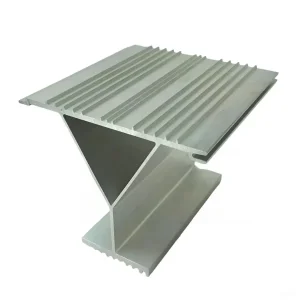
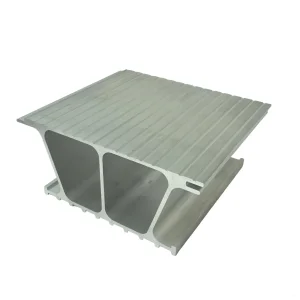
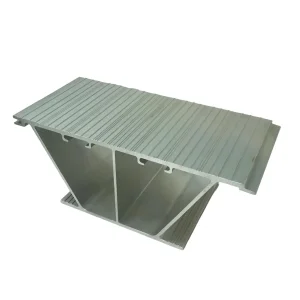
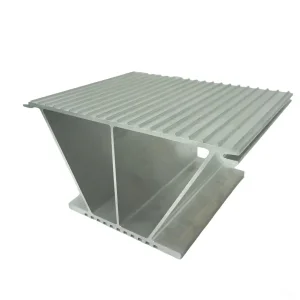
Modern global helipad manufacturing relies on advanced extrusion technology. The transition from heavy concrete slabs to modular aluminum structural planks has revolutionized helideck design. High-strength aluminum alloys (specifically the 6000 and 7000 series) deliver tensile strengths comparable to structural steel at approximately one-third of the weight. These structural components are manufactured using large-capacity extrusion presses, producing wide profiles that reduce the need for joint welding and improve structural integrity.
Additionally, modular aluminum systems integrate heat tracing, non-skid surface patterns, drainage channels for aviation fuel runoff, and built-in lighting systems. These features allow operators to optimize site conditions, minimize downtime, and ensure compliance with international aviation regulations.
Modular components assemble quickly on-site without heavy crane equipment, reducing installation times and structural reinforcement costs.
Marine-grade aluminum alloys naturally resist oxidation from salt spray, reducing long-term maintenance costs compared to steel structural decks.
Complies with ICAO Annex 14 and EASA safety criteria, incorporating passive fire suppression and perimeter safety net protection.
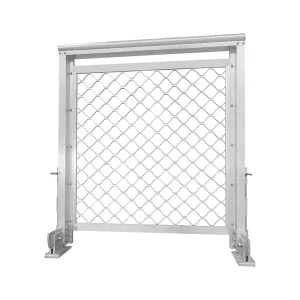
Perimeter safety nets are critical components of elevated helipads. In compliance with European standards, including CAP 437 and European Union Aviation Safety Agency (EASA) guidelines, safety nets must surround the helideck perimeter without creating an upward slope that poses a hazard to aircraft rotors. These nets are engineered to catch falling personnel or objects without rebounding them back onto the landing surface.
The structural frames are typically manufactured from corrosion-resistant aluminum or stainless steel 316, holding a high-tensile stainless steel mesh. Drop tests require the system to absorb impact energies of at least 2.3 kJ, equivalent to a 100 kg mass falling from a height of 2.4 meters, ensuring reliable performance in harsh environments.
Helipads operating in Spain must comply with the requirements of the Agencia Estatal de Seguridad Aérea (AESA) and European aviation safety rules. Design engineers must prepare comprehensive submittals showing structural wind loading calculations, structural responses to helicopter touchdown impacts, and acoustic evaluations. The UNE-EN 1999 (Eurocode 9) standard governs the structural design of aluminum members, ensuring that every helipad project meets strict regional safety guidelines.
Established in 2015 and located in Foshan City, Guangdong, LvXing Intelligent Equipment Co., Ltd. boasts a skilled R&D team with extensive experience. We leverage exceptional technical expertise to effectively transform customers' ideas into reality, consistently meeting their precise requirements.
We utilize premium Fenglu aluminum, offering a diverse range of profiles for flexible applications. Our extrusion lines, ranging from 800T to 20,000T, accommodate alloys 1xxx, 2xxx, 3xxx, 5xxx, 6xxx, and 7xxx, allowing us to produce shaped products with section dimensions up to 1.2 meters in width and 28 meters in length. These products are recognized for their precision and meticulous processing, finding broad application in aerospace, military, medical, and industrial sectors.
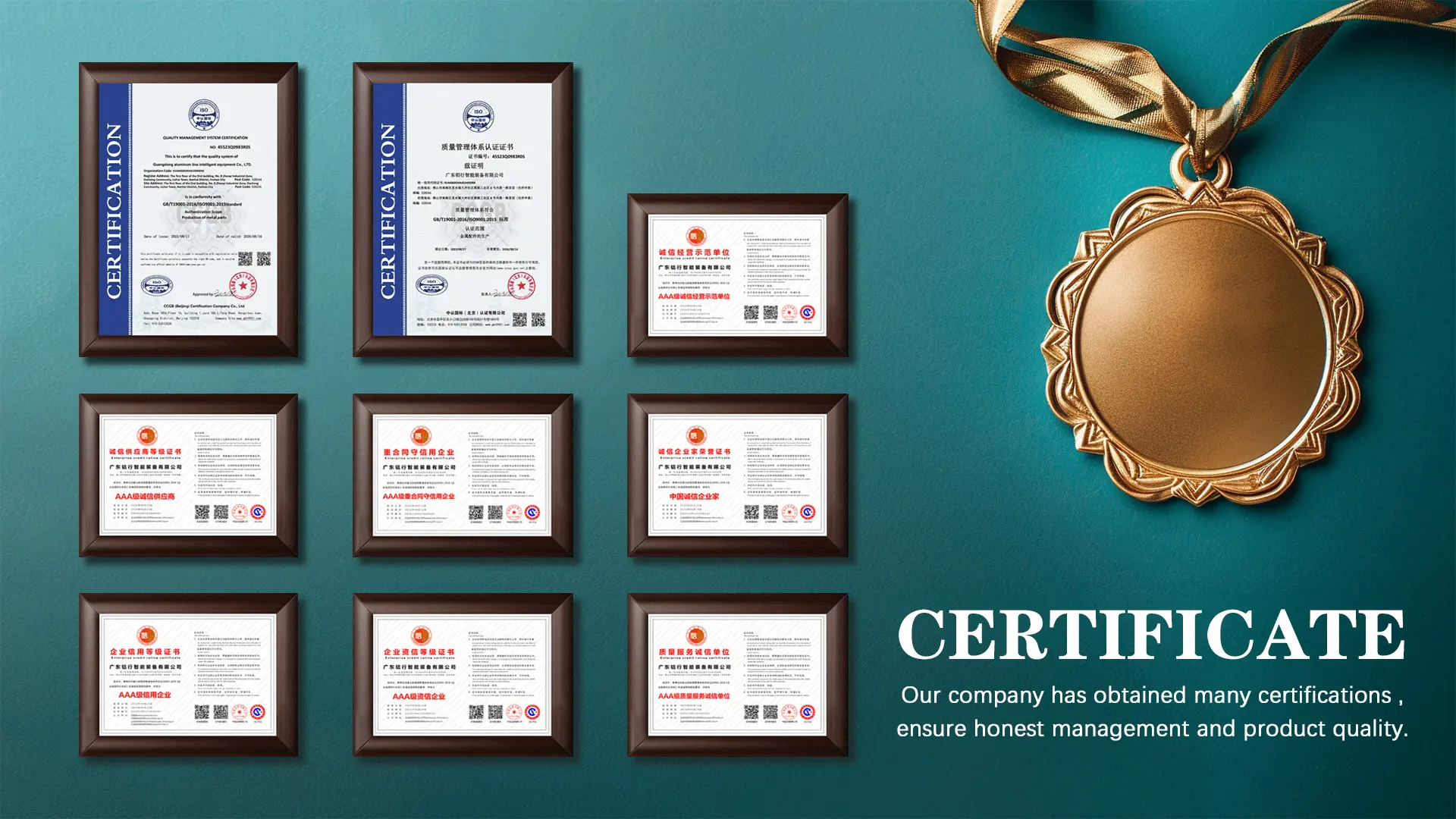
Our commitment to excellence is evident throughout the manufacturing process, rigorous quality control, thorough packaging, and efficient shipping procedures. This dedication has earned us recognition as a national excellent and honest enterprise, along with quality system certification in accordance with GB/T19001-2016/ISO9001:2015 standards.
We aspire to be your trusted business partner and warmly invite you to visit our factory.
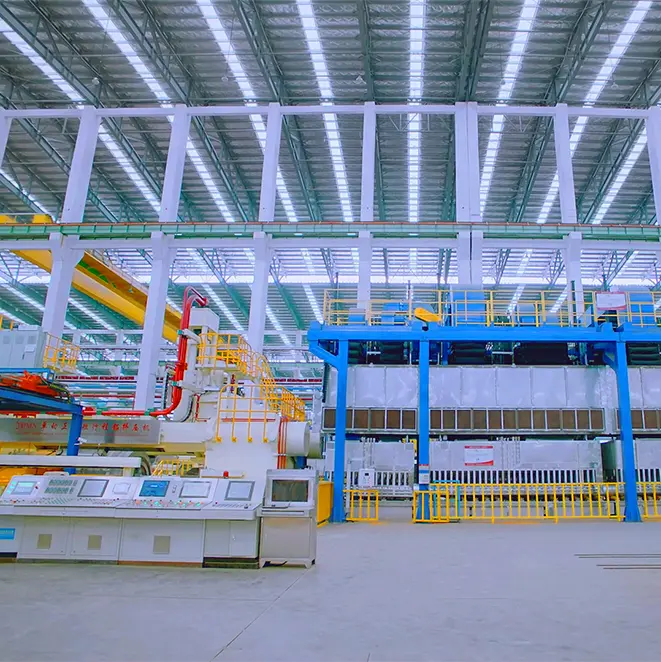

We have obtained the "Special Aluminium Materials for Aerospace" Certificate, confirming our ability to supply raw materials that meet strict civil aviation standards.
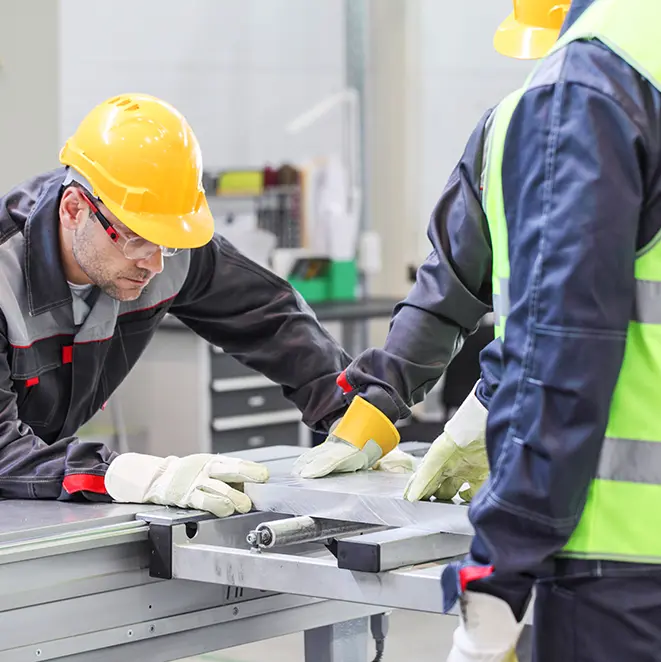

We provide and utilize high-quality Fenglu aluminum profiles. With extrusion lines ranging from 800T to 20,000T, we can produce alloys 1xxx, 2xxx, 3xxx, 5xxx, 6xxx, and 7xxx. We can manufacture fully shaped products with section dimensions up to 1.2 meters in width or 28 meters in length.
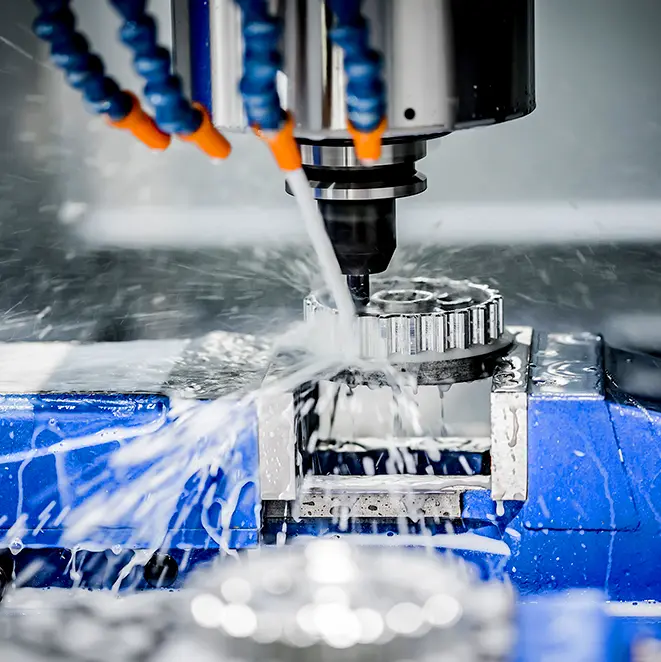

We have a team of technicians with 15 years of invaluable experience. Our deep understanding of customer requirements allows us to identify potential issues and offer practical insights, turning customer ideas into tangible products that meet specific needs.
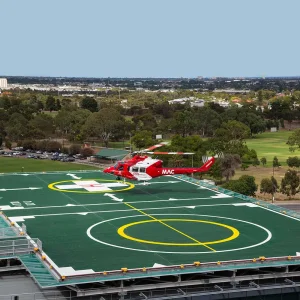
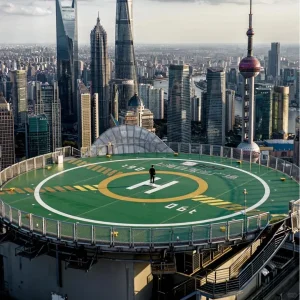
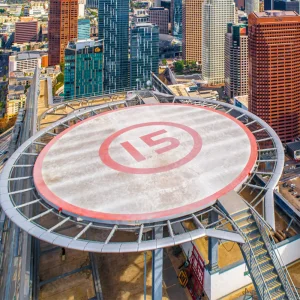
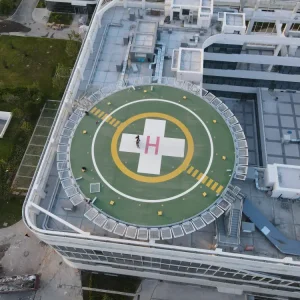
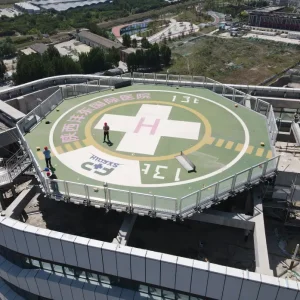
Building high-performance landing platforms requires structured execution, from design to compliance validation. Below is the technical roadmap followed for urban and maritime projects in the Barcelona region:
Consult with our structural design and manufacturing specialists to receive detailed FEA modeling, custom extrusion profiles, and compliance documentation for projects in the Barcelona region.
 LvXing