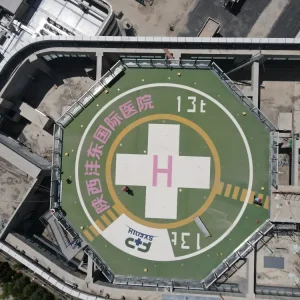
Engineered for high-wind loads, coastal corrosion resistance, and rapid deployment. Designed specifically to meet Massachusetts structural building codes.
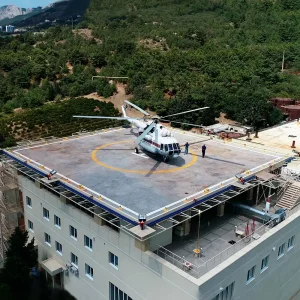
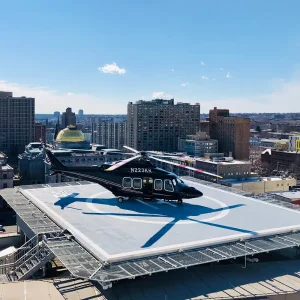
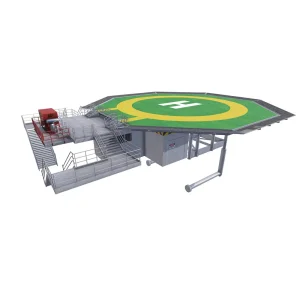
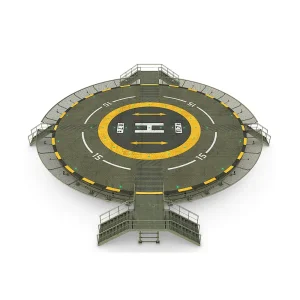
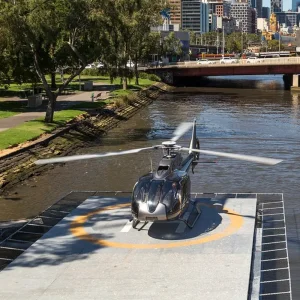
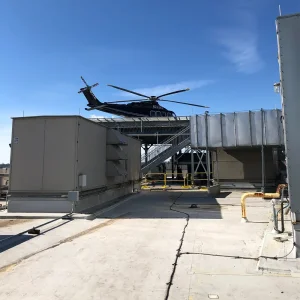
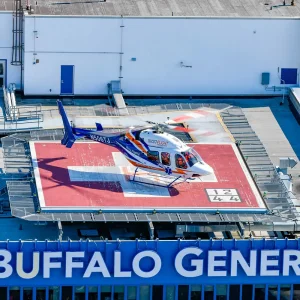
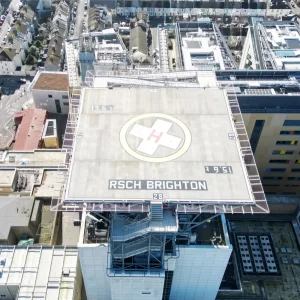
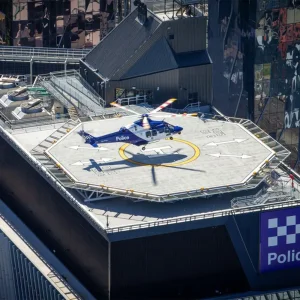
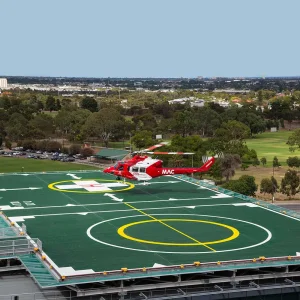
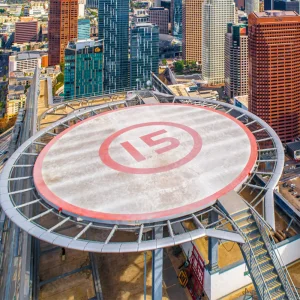
The Greater Boston area stands as one of the world's premier clusters for biotechnology, healthcare delivery, and higher education. With iconic medical institutions clustered in the Longwood Medical Area (LMA)—such as Massachusetts General Hospital, Brigham and Women's Hospital, and Boston Children's Hospital—the requirement for continuous, resilient aeromedical evacuation infrastructure is critical. In these congested municipal settings, rooftop helipads are essential. They function as gateways for emergency patient transfers from all over New England.
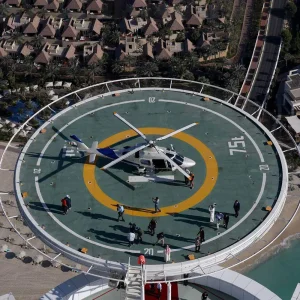
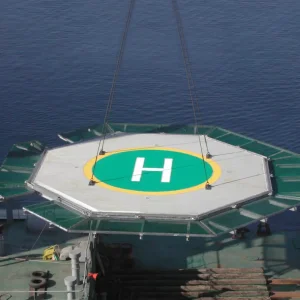
Furthermore, Boston's position as a maritime center and gateway to offshore wind energy developments in Massachusetts Bay highlights the need for marine-grade helideck structures. Offshore support vessels, substation platforms, and high-altitude rooftop platforms face demanding environmental pressures. Boston experiences dynamic weather, including high wind shear, salt spray corrosion, and freezing winter storms. Helideck platforms must meet these challenges while satisfying federal and local codes.
Engineering a helipad in Massachusetts requires navigating a complex regulatory environment. Projects must comply with the Federal Aviation Administration (FAA) Advisory Circular AC 150/5390-2C, which defines safety dimensions, landing surface loads, and obstacle-free zones. Regionally, the Massachusetts State Building Code (780 CMR) sets strict structural load-bearing parameters, including seismic design criteria and wind load calculations for high-wind coastal zones.
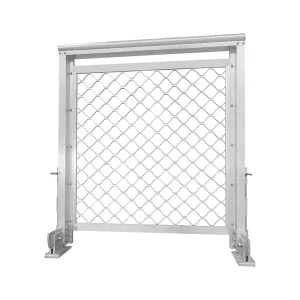
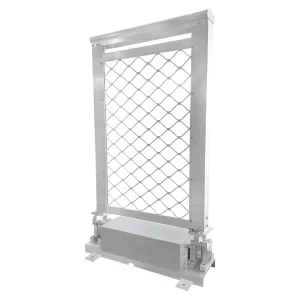
Perimeter safety nets are a key element of these regulations. Placed around the helipad edge, they protect personnel from falls without creating a flight obstacle. These systems must absorb dynamic fall forces according to CE and CAP 437 standards, while maintaining structural integrity in cold climates and marine environments.
Fully certified to meet FAA AC 150/5390-2C, UK CAA CAP 437, and Massachusetts State Building Code (780 CMR) standards, ensuring trouble-free local municipal approval.
Utilizes high-grade anodized marine-grade aluminum alloys, specifically engineered to withstand coastal New England salt spray and winter de-icing agents.
Safety net systems are designed to absorb dynamic fall impacts of up to 125 kg drops from 1 meter, protecting personnel in demanding rooftop and marine settings.
Established in 2015 and located in Foshan City, Guangdong, LvXing Intelligent Equipment Co., Ltd. boasts a skilled R&D team with extensive experience.
We leverage exceptional technical expertise to effectively transform customers' ideas into reality, consistently meeting their precise requirements. We utilize premium Fenglu aluminum, offering a diverse range of profiles for flexible applications. Our extrusion lines, ranging from 800T to 20,000T, accommodate alloys 1xxx, 2xxx, 3xxx, 5xxx, 6xxx, and 7xxx, allowing us to produce shaped products with section dimensions up to 1.2 meters in width and 28 meters in length. These products are recognized for their precision and meticulous processing, finding broad application in aerospace, military, medical, and industrial sectors.
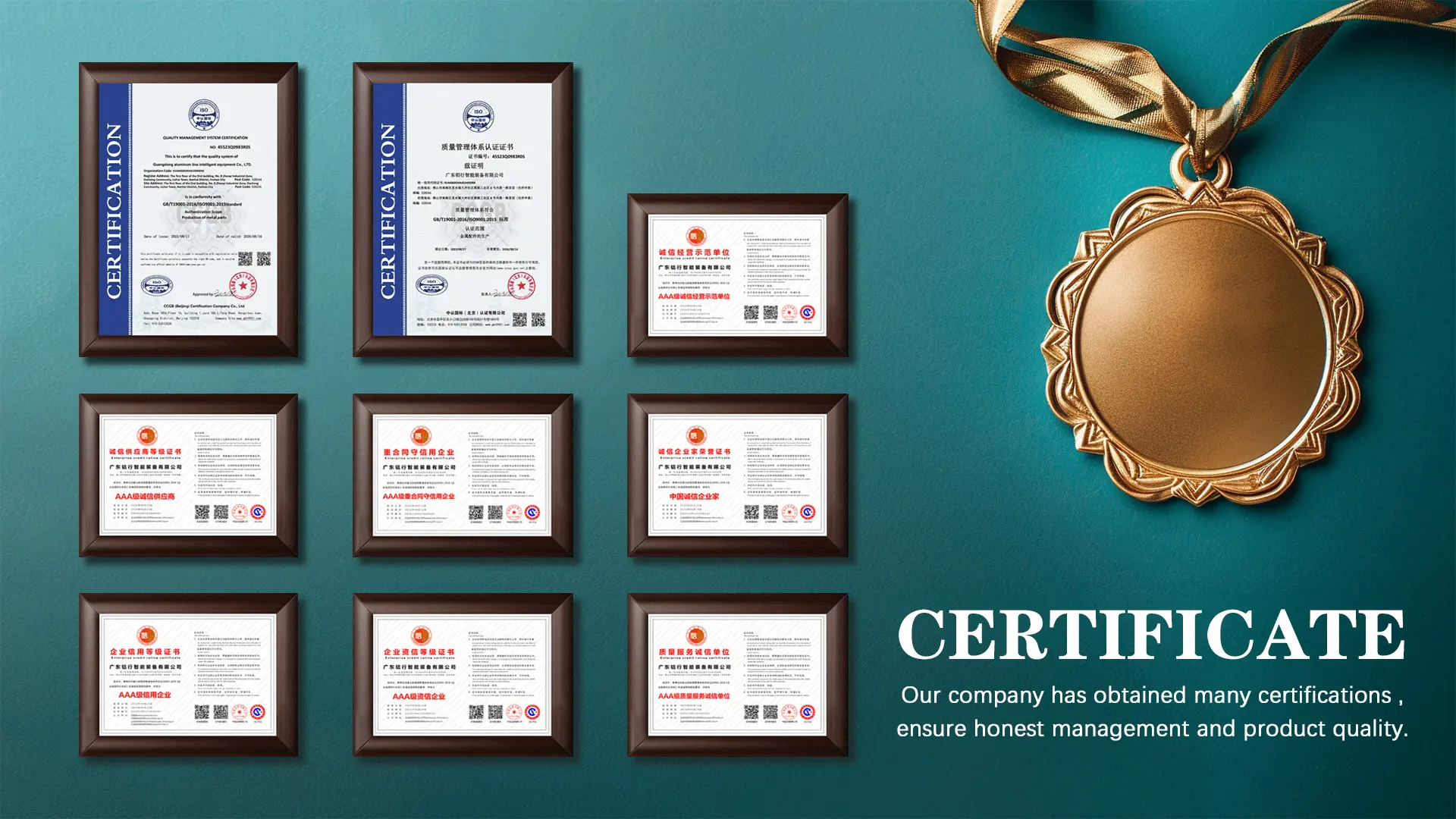
Our commitment to excellence is evident throughout the manufacturing process, rigorous quality control, thorough packaging, and efficient shipping procedures. This dedication has earned us recognition as a national excellent and honest enterprise, along with quality system certification in accordance with GB/T19001-2016/ISO9001:2015 standards. We aspire to be your trusted business partner and warmly invite you to visit our factory.
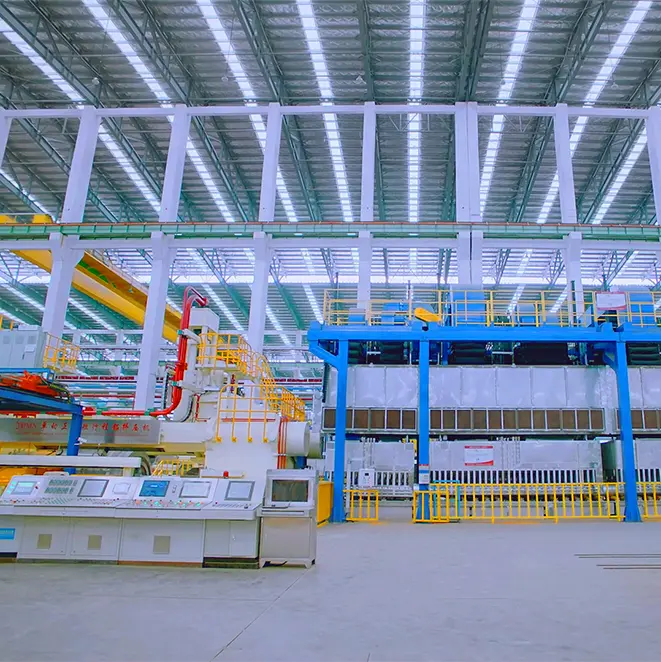

We have obtained the “Special Aluminium Materials for Aerospace” Certificate.

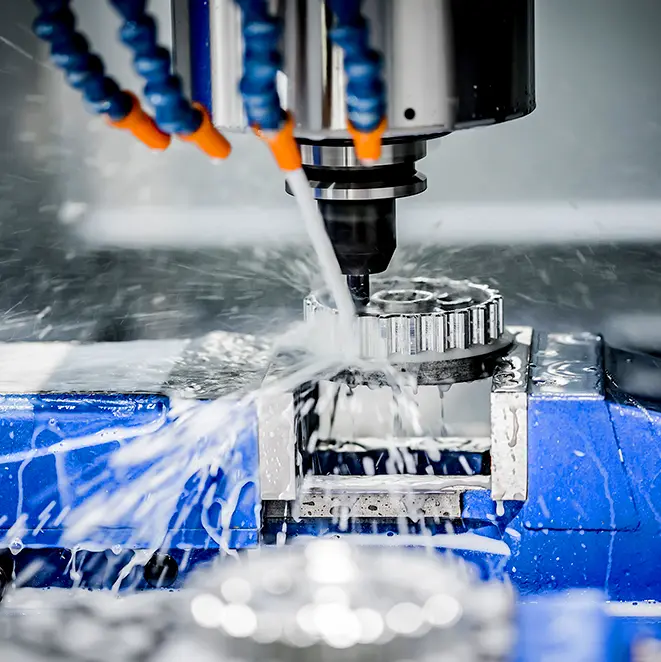
We provide and utilize high-quality Fenglu aluminum profiles. With extrusion lines ranging from 800T to 20,000T, we can produce alloys 1xxx, 2xxx, 3xxx, 5xxx, 6xxx, and 7xxx. We can manufacture fully shaped products with section dimensions up to 1.2 meters in width or 28 meters in length.

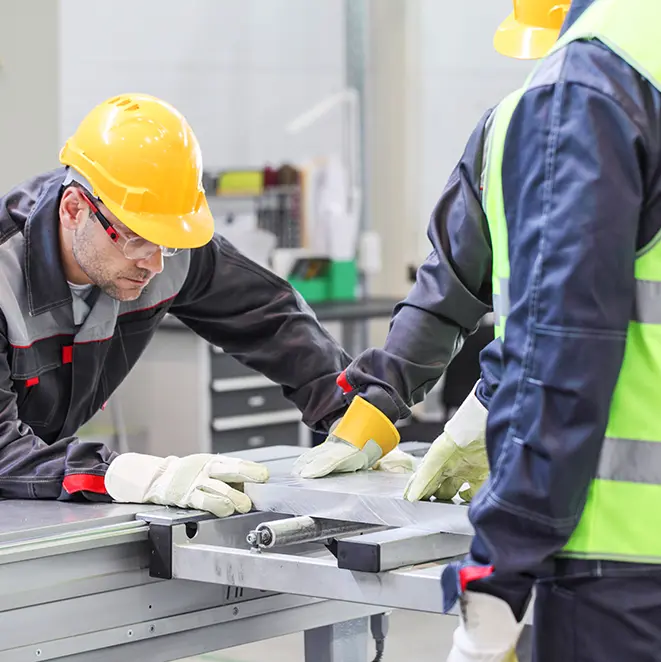
We have a team of technicians with 15 years of invaluable experience. Our deep understanding of customer requirements allows us to identify potential issues and offer practical insights, turning customer ideas into tangible products that meet specific needs.
The reliability of helideck platforms relies on their base materials. LvXing uses high-strength structural aluminum profiles sourced from Fenglu, a leading aluminum supplier. We utilize 6000-series alloys, primarily 6061-T6 and 6082-T6, which combine high yield strength with good weldability and excellent corrosion resistance. For projects requiring high load-to-weight ratios, we also process 7000-series alloys.
Our 20,000-metric-ton extrusion press allows us to manufacture wide, multi-hollow, integrated decking planks up to 1.2 meters wide. These large-section extrusions reduce the number of field joints required, improving both structural integrity and installation efficiency. Long structural components, up to 28 meters, can be extruded as single pieces, eliminating weak points caused by section splices and improving overall deck strength.
Helideck perimeter safety net systems must meet strict regulatory and performance standards. Under UK CAA CAP 437 and FAA specifications, safety nets must be installed around the edge of helidecks to catch personnel who fall or are blown off the deck. These nets must form a flexible hammock that prevents injuries, rather than acting like a rigid trampoline.
LvXing offers two primary configurations of perimeter safety nets:
Both manual and motorized configurations use high-strength 316 stainless steel wire mesh or lightweight, UV-stabilized polymer nets, mounted on marine-grade structural aluminum frames. This design resists degradation from UV radiation and salt mist, ensuring reliable service in the coastal Northeast.
By pairing raw material sourcing in Foshan with automated fabrication processes, we provide high-performance helidecks to the Boston market with competitive lead times.
Located in Foshan, the heart of China's aluminum processing industry, LvXing operates an advanced, vertically integrated production facility. Our fabrication process matches materials directly from extrusion lines to automated multi-axis CNC machining centers. This minimizes material handling, guarantees tolerances within fractions of a millimeter, and reduces overall production lead times.
For international buyers in Boston, sourcing components from China can raise concerns about quality control and delivery schedules. LvXing addresses this through a comprehensive Quality Management System certified to ISO 9001:2015. Every step—from alloy composition testing and ultrasonic extrusion inspections to anodizing thickness checks and structural load testing—is fully documented. We also work with international inspection bodies (such as SGS, Bureau Veritas, and TÜV SÜD) to provide independent certification for each batch before dispatch, giving overseas clients full confidence in their purchase.
Detailed engineering answers to common procurement, compliance, and design questions for the Boston municipal and industrial markets.
We recommend structural 6000-series alloys, specifically 6061-T6 and 6082-T6. These alloys offer high yield strength, excellent weldability, and strong resistance to corrosion from salt mist and de-icing chemicals. For specialized military or marine applications where reducing weight is critical, we also offer high-strength 7000-series structural alloys.
Our safety nets are designed and tested to meet international standards (including UK CAA CAP 437 and FAA regulations). The net frame is built to slope outward and upward at a 10-degree angle, extending at least 1.5 meters from the deck edge. The netting is tested to absorb dynamic fall impacts of up to 125 kg drops from 1 meter, without creating a rigid trampoline effect that could bounce personnel back or cause injury.
Our 20,000T extrusion line allows us to manufacture complex aluminum profiles up to 1.2 meters in width and 28 meters in length. This allows us to supply large, single-piece helideck panels, minimizing structural joints and welding requirements on site, which significantly speeds up assembly.
We provide comprehensive technical support, including 2D CAD layouts, detailed 3D files (IGES/STEP format), and structural analysis calculations. Our team of engineers has 15 years of experience and works directly with your structural engineers to ensure all customized profile dimensions and load capacities align with your local building codes.
Our quality management system is fully certified to GB/T19001-2016/ISO9001:2015. Additionally, our helideck perimeter safety net systems are CE certified, verifying compliance with EU health, safety, and environmental protection standards. We also provide raw material mill test certificates and third-party inspection reports (from agencies like SGS or BV) upon request.
Explore our full catalog of CE-certified helipads, perimeter netting, and specialized components suitable for hospital rooftop, commercial, and marine installations.
Get in touch with our technical sales team for comprehensive structural profiles, custom CAD designs, and competitive pricing for Boston municipal, offshore, or commercial applications.
Send Inquiry Now LvXing