 LvXing
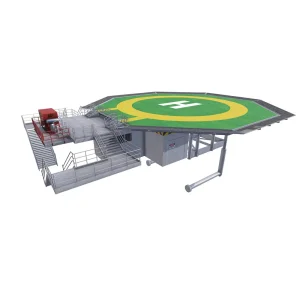
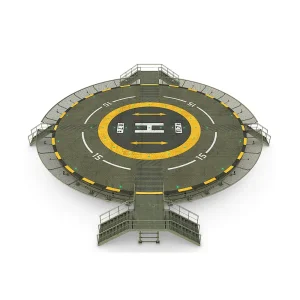
Explore our premium range of CE-certified perimeter safety nets and structural helipad solutions tailored for rapid deployment across Central Asia.
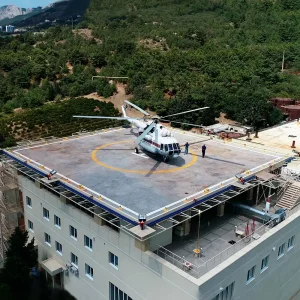
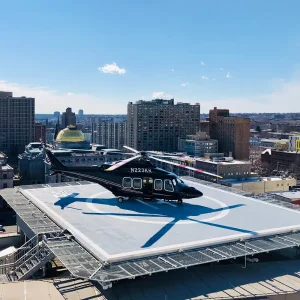
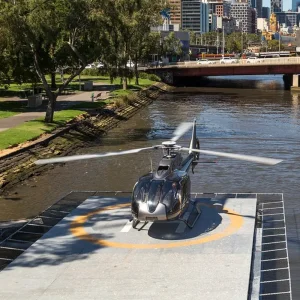
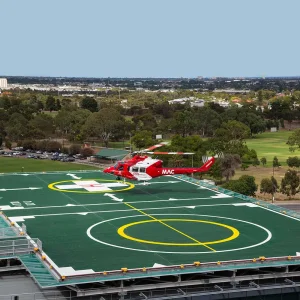
Kazakhstan, as the dominant economic engine of Central Asia, is experiencing a massive wave of industrial upgrade across its oil & gas extraction sites in the Caspian basin, mining complexes in Karaganda, and rapid urban growth in Astana and Almaty. These operations rely extensively on helicopter transport for crew rotation, critical cargo movement, and emergency medical services (EMS).
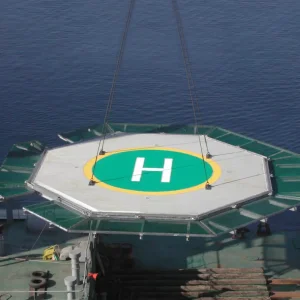
Given the country's extreme climate—where winter temperatures plunge below -40°C in northern regions and rise above +40°C in the summer desert regions—traditional concrete or heavy carbon steel helipads face accelerated degradation. Marine-grade structural aluminum helidecks (specifically utilizing 6000-series alloy systems) have emerged as the standard solution. These structures offer optimal resistance to thermal expansion, high seismic loads, and corrosive offshore environments like the Kashagan and Tengiz oilfields.
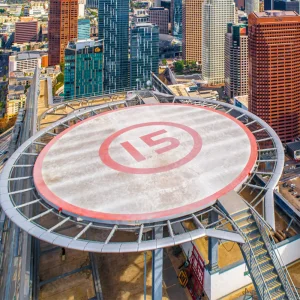
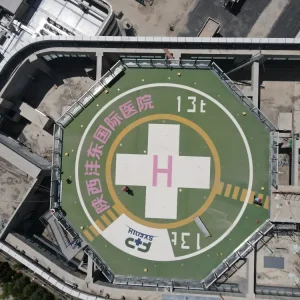
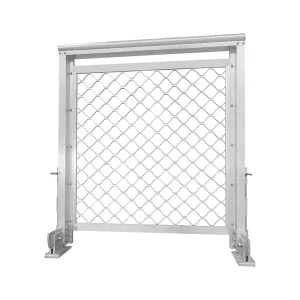
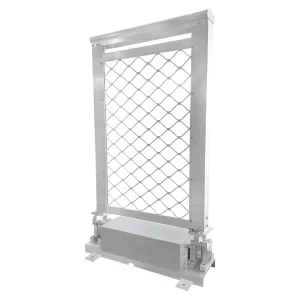
Perimeter safety nets are legally required to prevent personnel falls from elevated decks. Our custom-designed stainless steel and aluminum safety mesh systems offer the necessary durability, corrosion resistance, and structural strength to survive the intense wind forces and heavy snowfall typical of the Kazakh steppe.
Global specifications dictate strict margins of safety. Our manufacturing processes align with local requirements and international standards.
Our helidecks and safety nets are rigorously tested to exceed CAP 437 and ICAO Annex 14 requirements. This ensures safety for offshore commercial flights and domestic emergency services.
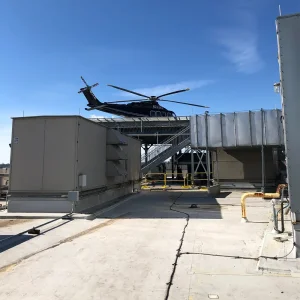
Utilizing high-performance structural aluminum profiles reduces structural load requirements on existing roof structures by up to 60% compared to heavy welded steel alternatives.
Advanced installations utilize integrated fire-suppression and motorized perimeter safety net deployment (Electric Actuated) for quick responses to environmental changes.
Established in 2015 and located in Foshan City, Guangdong, LvXing Intelligent Equipment Co., Ltd. boasts a skilled R&D team with extensive experience. We leverage exceptional technical expertise to effectively transform customers' ideas into reality, consistently meeting their precise requirements.
We utilize premium Fenglu aluminum, offering a diverse range of profiles for flexible applications. Our extrusion lines, ranging from 800T to 20,000T, accommodate alloys 1xxx, 2xxx, 3xxx, 5xxx, 6xxx, and 7xxx, allowing us to produce shaped products with section dimensions up to 1.2 meters in width and 28 meters in length. These products are recognized for their precision and meticulous processing, finding broad application in aerospace, military, medical, and industrial sectors.
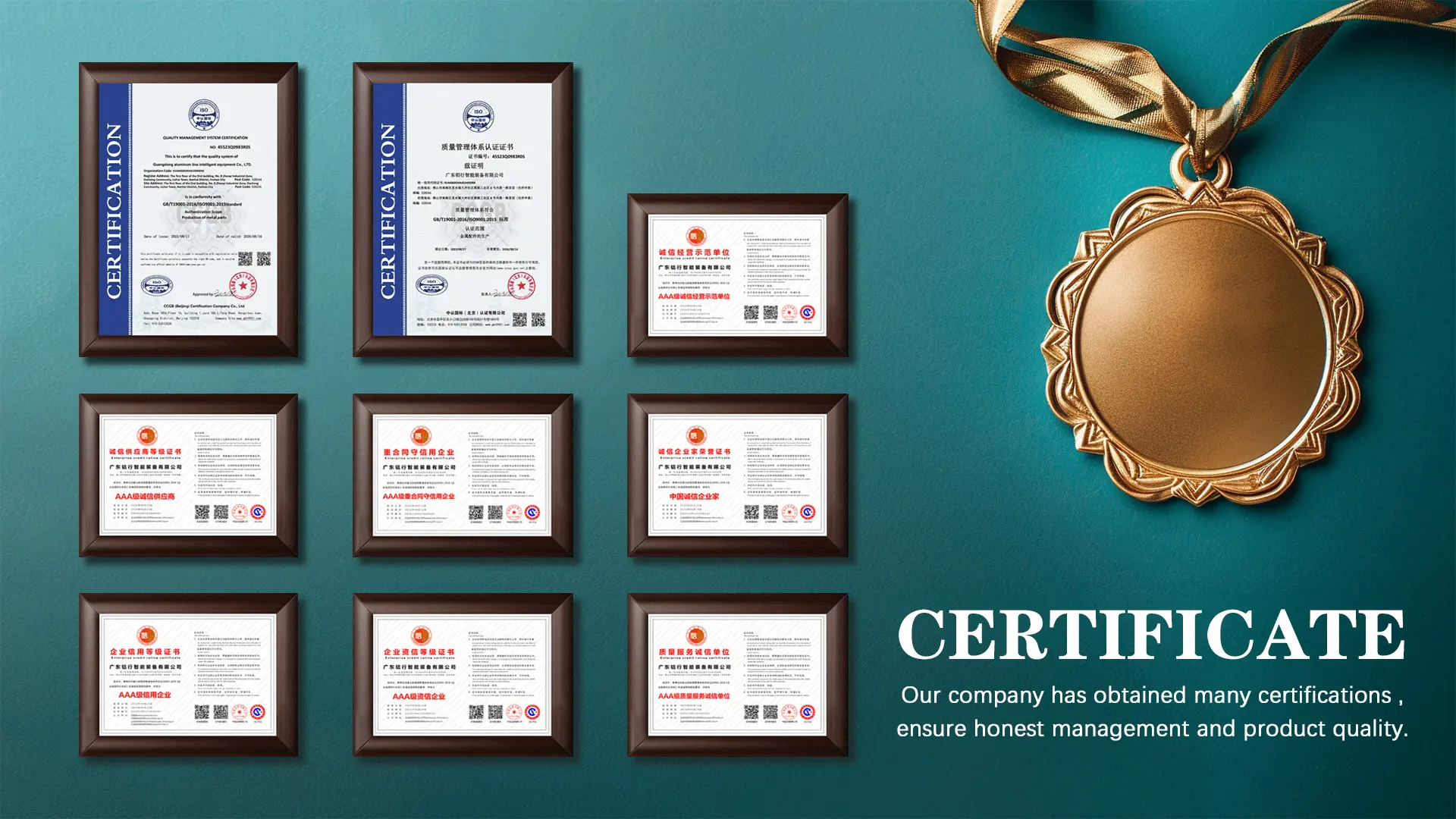
Our commitment to excellence is evident throughout the manufacturing process, rigorous quality control, thorough packaging, and efficient shipping procedures. This dedication has earned us recognition as a national excellent and honest enterprise, along with quality system certification in accordance with GB/T19001-2016/ISO9001:2015 standards.
We aspire to be your trusted business partner and warmly invite you to visit our factory.
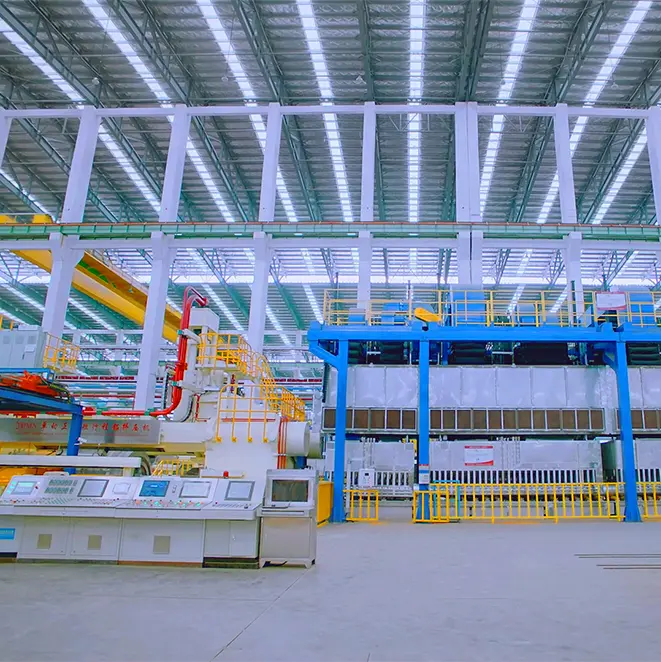

We have obtained the "Special Aluminium Materials for Aerospace" Certificate.
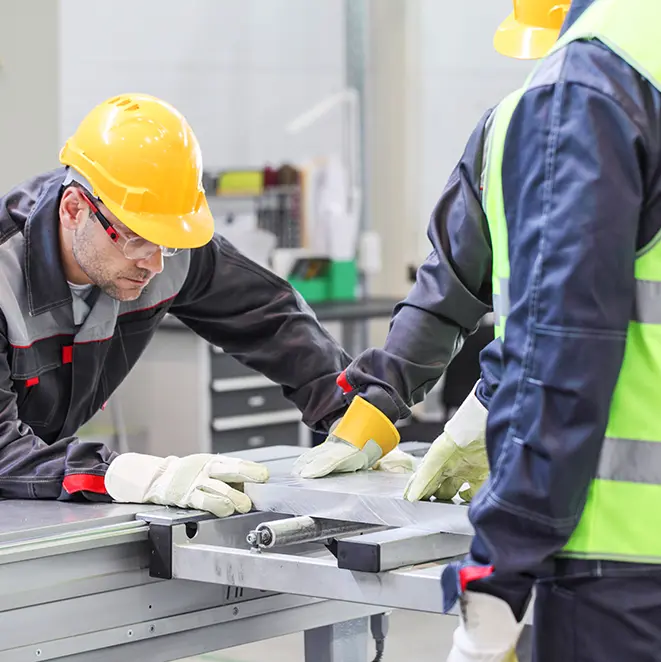

We provide and utilize high-quality Fenglu aluminum profiles. With extrusion lines ranging from 800T to 20,000T, we can produce alloys 1xxx, 2xxx, 3xxx, 5xxx, 6xxx, and 7xxx. We can manufacture fully shaped products with section dimensions up to 1.2 meters in width or 28 meters in length.
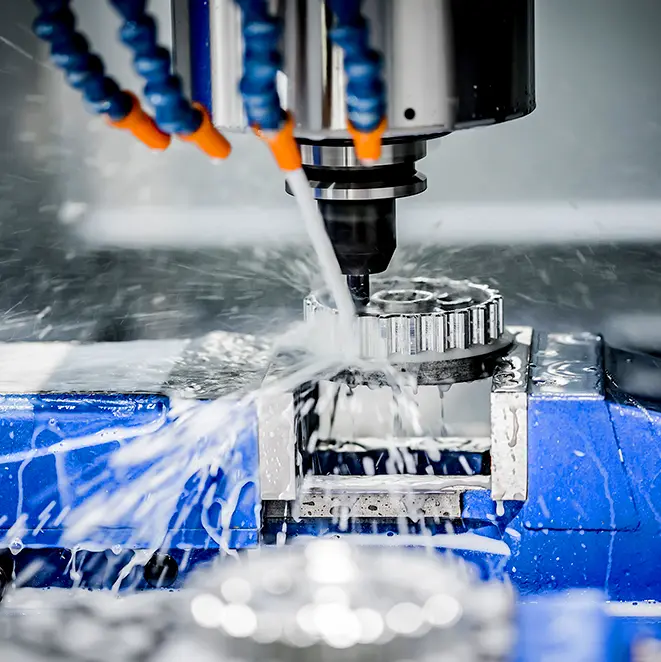

We have a team of technicians with 15 years of invaluable experience. Our deep understanding of customer requirements allows us to identify potential issues and offer practical insights, turning customer ideas into tangible products that meet specific needs.
Numbers speak of our dedication to engineering precision, capacity, and global safety standards.
Aluminum is the preferred option for modern developers, engineering consultants, and safety directors globally. Choosing aluminum over steel provides significant advantages:
The safety net is a critical life-saving element designed to catch personnel in the event of an accidental fall over the deck's edge. Standard parameters include:
Comprehensive answers regarding logistics, installation, pricing, and structural specifications in Kazakhstan.
We deliver goods via road freight routing through Xinjiang border customs (Khorgos / Alashankou) directly to Almaty, Astana, Aktau, or Atyrau. Alternatively, we utilize the China-Europe Railway Express for bulk containers. We coordinate all export documentation and certifications required for EAEU customs clearance.
Yes. Aluminum alloys (including 6082 and 6061) exhibit high ductile-to-brittle transition resistance. Unlike steel, aluminum maintains its mechanical properties, strength, and impact resistance at temperatures well below -40°C, making it suitable for northern Kazakhstan winters.
Our perimeter safety nets come with full CE Certification, test certificates according to ICAO Annex 14 and CAP 437 standards, material test reports (MTR), and ISO 9001 quality compliance records.
Click the "Send Inquiry Now" button to submit your project requirements, including helipad dimensions, location (onshore/offshore), structural parameters, and safety net specification preferences. Our engineering team will prepare a budget estimation and design draft within 48 hours.
Select from our complete range of specialized landing platforms, safety meshes, and project-specific customizations.