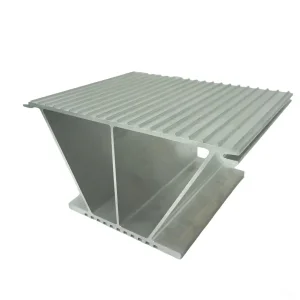
As a global maritime hub and a cornerstone of South China Sea energy exploration, Malaysia presents highly distinct requirements for aviation and emergency response infrastructure. Structural designs must withstand severe tropical maritime conditions, featuring high salinity, elevated relative humidity, and heavy wind loadings typical of monsoon seasons.
Traditional heavy steel construction has quickly yielded to high-tensile marine-grade aluminum alloys (specifically 6000 and 7000 series extrusions). Aluminum’s inherent structural efficiency, corrosion-resistant passivating oxide layer, and lightweight properties drastically reduce gravity loads on skyscraper structural frameworks, hospital emergency zones, and offshore oil platforms (FPSOs/Jack-up rigs).
In compliance with the Civil Aviation Authority of Malaysia (CAAM) and standard international codes like CAP 437 (Standards for Offshore Helicopter Landing Areas), structural integrity, load distribution, surface friction coefficient, and perimeter fall protection systems must be rigorously planned. This whitepaper analyzes critical manufacturing solutions, local application parameters, and the strategic supply chain dynamics that position advanced Chinese custom extrusion facilities as the preferred partners for Malaysian EPC (Engineering, Procurement, and Construction) companies.
Why Malaysia's Offshore and Civil sectors are modernizing helideck profiles:
Established in 2015 and located in Foshan City, Guangdong (the global capital of high-end aluminum extrusion), LvXing Intelligent Equipment Co., Ltd. boasts a highly skilled R&D team with extensive experience. We leverage exceptional technical expertise to effectively transform customers' ideas into reality, consistently meeting their precise structural requirements.
We utilize premium Fenglu Aluminum raw billets, offering a diverse range of high-grade alloy profiles for flexible architectural applications. Our heavy industrial extrusion lines range from 800T to 20,000T. This enables us to accommodate alloys across 1xxx, 2xxx, 3xxx, 5xxx, 6xxx, and 7xxx series, allowing us to produce shaped products with section dimensions up to 1.2 meters in width and 28 meters in length. These products are recognized worldwide for their extreme structural precision and meticulous processing, finding broad application in aerospace, military defense, high-altitude rescue, marine engineering, and medical sectors.
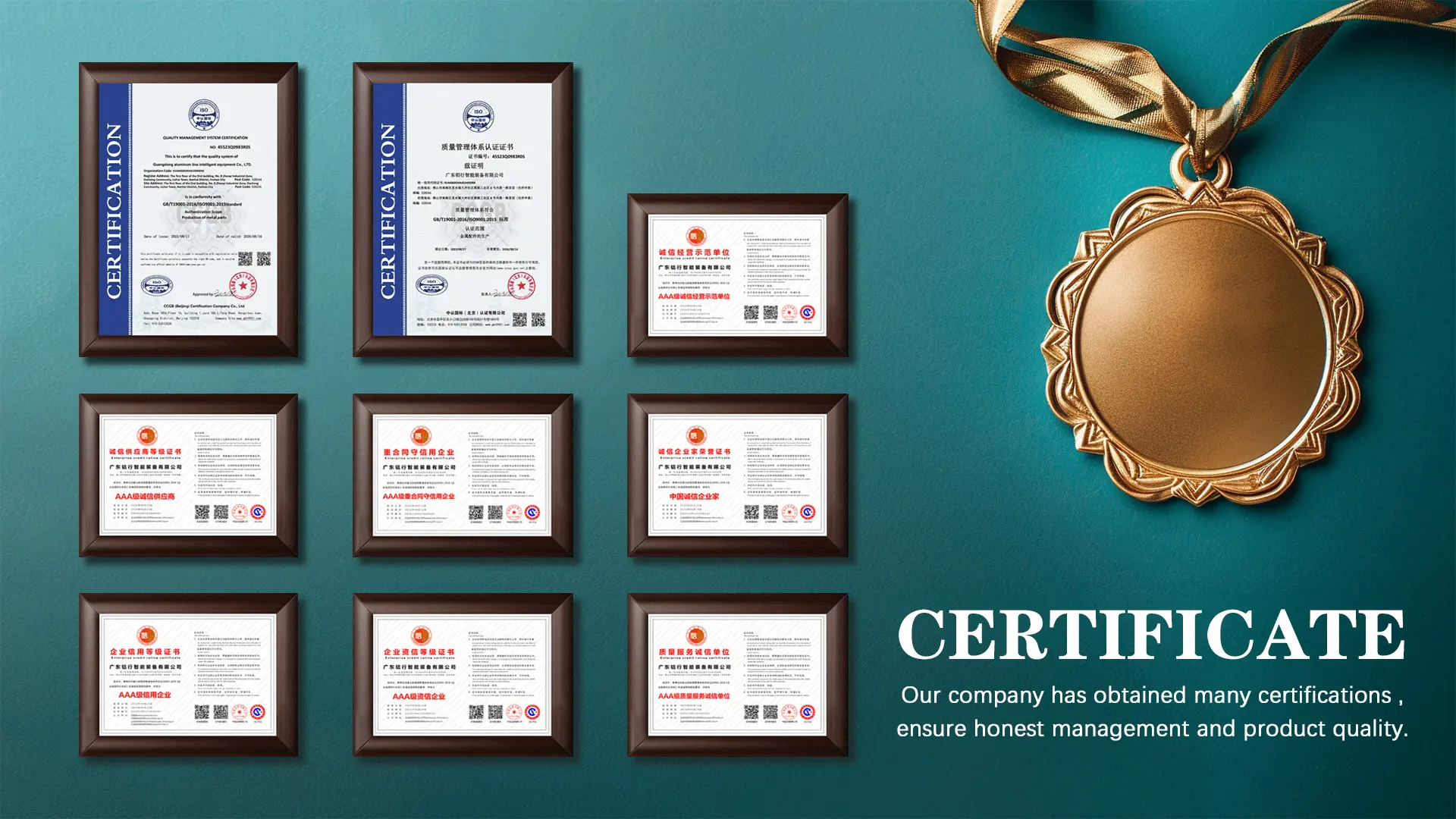
Our commitment to engineering excellence is evident throughout the manufacturing process, rigorous quality control, thorough packaging, and efficient shipping procedures. This dedication has earned us recognition as a national excellent and honest enterprise, along with quality system certification in accordance with GB/T19001-2016/ISO9001:2015 standards. We aspire to be your trusted business partner and warmly invite project designers to visit our factory.
We have obtained the official “Special Aluminium Materials for Aerospace” Certificate. This ensures our aluminum profiles withstand extreme rotor dynamic stresses during emergency landings without plastic deformation.
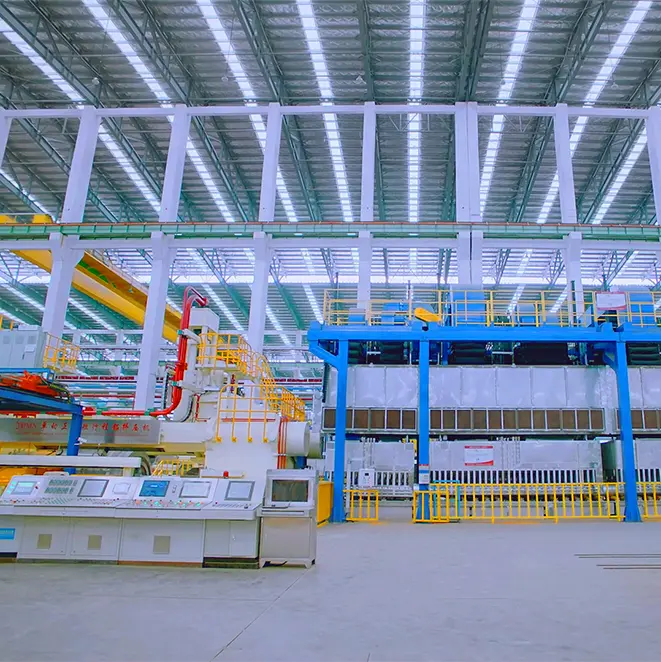
We utilize high-quality Fenglu aluminum profiles. Extrusion lines from 800T to 20,000T support alloys in the 1xxx to 7xxx range, outputting fully shaped profiles up to 1.2m wide and 28m long to optimize structural integrity.
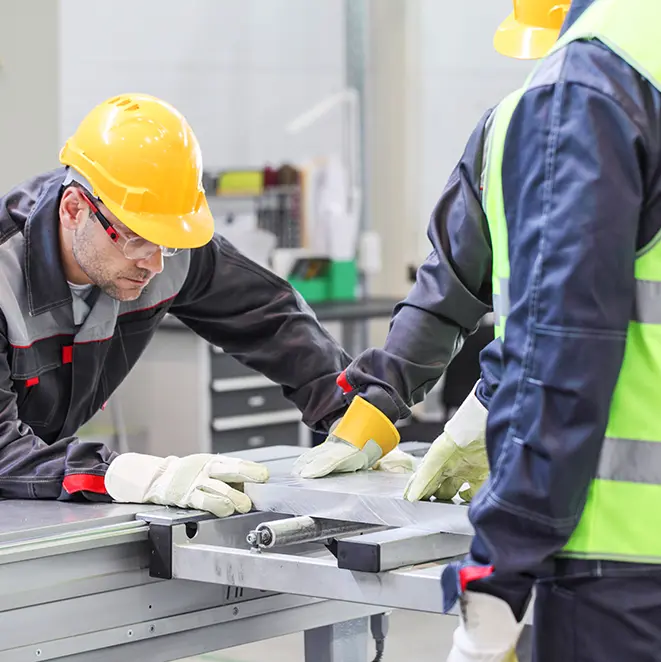
Our team of technicians has 15 years of experience in helideck structural engineering. We understand CAAM & CAP 437 regulations, helping to identify potential design flaws and customize layouts.
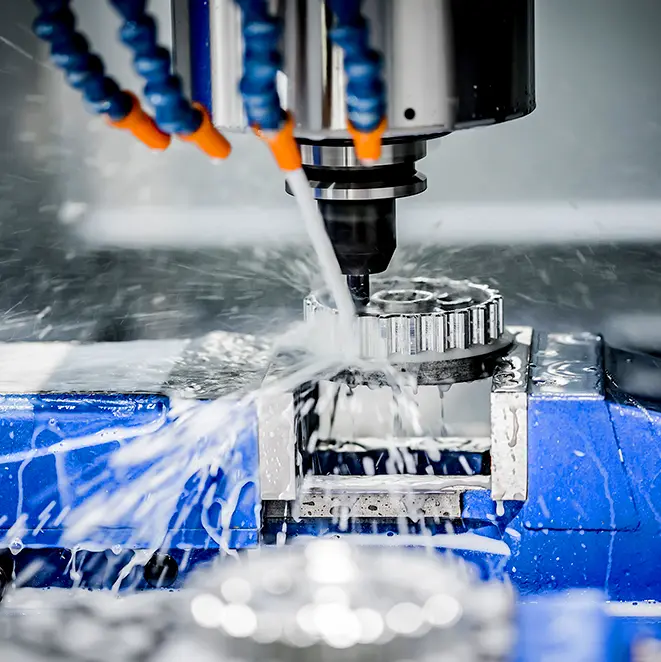
In global procurement, supply chain resilience is a non-negotiable factor. Our Foshan factory integrates advanced Industry 4.0 smart manufacturing workflows that provide a clear advantage for large-scale infrastructure projects across Kuala Lumpur, Johor, Sabah, and Sarawak.
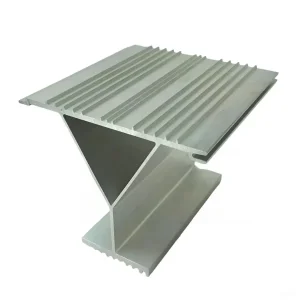
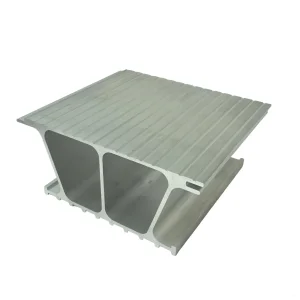
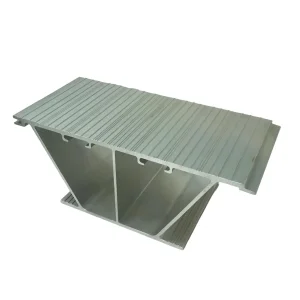
Our CNC machining centers are directly linked to digital design models, minimizing processing tolerances to less than 0.05mm. This extreme precision ensures that the tongue-and-groove interlocking joints of our helipad profiles fit together seamlessly, eliminating welding during final assembly. This minimizes structural vulnerability to dynamic fatigue and marine corrosion.
Additionally, our proximity to strategic logistical shipping lanes ensures rapid, cost-effective transport. Finished helipad panels and safety net structures are packed in protective marine-grade wood crates and loaded directly into shipping containers bound for Port Klang, Penang Port, and Bintulu Port. We provide comprehensive documentation packages, including mill test certificates, CE mark conformity reports, and structural load simulation data, ensuring seamless customs clearance and regulatory approval.
From offshore energy exploration to high-rise medical emergency response, Lvxing designs systems to protect human lives and equipment.
Designed for harsh environments off Sarawak and Terengganu. Using marine-grade 6082-T6 aluminum alloys, these helipads offer high corrosion resistance against salt spray, reducing long-term maintenance costs for offshore energy operators.
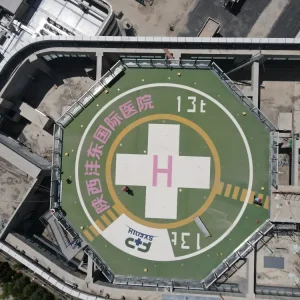
For major commercial centers in Kuala Lumpur. Our lightweight interlocking panels distribute structural loads evenly across high-rise frames, complying with strict rooftop load limits and wind uplift regulations.
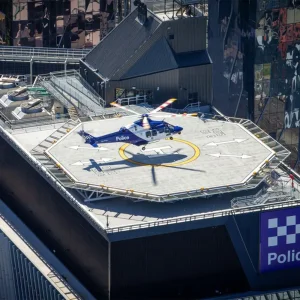
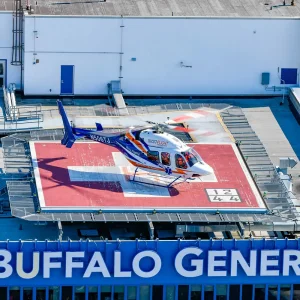
Ensuring rapid response capabilities across private and public health networks. Engineered for high-frequency landings, these decks integrate seamlessly with fire suppression equipment, perimeter safety nets, and lighting systems.
Perimeter safety is critical for helipad certification under CAAM and international aviation codes. Our heavy-duty safety mesh systems feature corrosion-resistant aluminum frames combined with high-grade stainless steel or aluminum mesh.
These safety nets are engineered to absorb a drop test impact of 2.3 kJ without permanent structural damage. They project outwards and slightly upwards around the perimeter of the helideck, providing fall protection without obstructing the pilot's visual glide path.
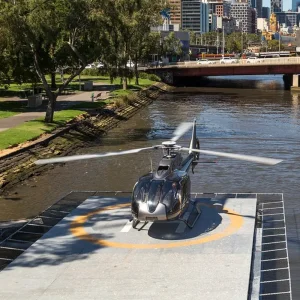
Get authoritative answers to critical engineering, manufacturing, and regulatory questions regarding aluminum helipads in Malaysia.
For offshore and coastal marine regions in Malaysia, 6082-T6 and 6061-T6 are the primary structural alloys specified. They provide a high strength-to-weight ratio and exhibit outstanding resistance to chloride-induced localized pitting and general atmospheric corrosion. 6082-T6 is particularly recognized in Europe and Asia for its higher mechanical strength and weldability in structural space-frames.
A higher extrusion capacity (up to 20,000T) allows us to manufacture larger cross-sectional profiles (up to 1.2 meters wide). By using wider profiles, the total number of interlocking joints on the deck surface is reduced by up to 40%. Fewer joints mean minimized stress concentration zones, lower risk of joint separation under heavy impact, and simplified assembly procedures.
We conduct a comprehensive range of non-destructive testing (NDT), including ultrasonic testing of extruded sections and weld seams. Our helipad safety nets are subjected to drop testing based on international parameters (such as dropping a 100kg bag from a height of 2.3m). Additionally, raw materials undergo tensile strength, yield stress, and elongation tests to confirm conformity with GB/T19001 and ISO9001 standards.
Yes. Our custom aluminum profiles can be milled with specialized channels to host perimeter lighting (TD/PM lighting systems) and status lights directly within the landing deck. Furthermore, we design deck configurations with drainage slots and integrated gutters to manage runoff water and fuel spills, which is a requirement for CAAM and CAP 437 offshore helidecks.
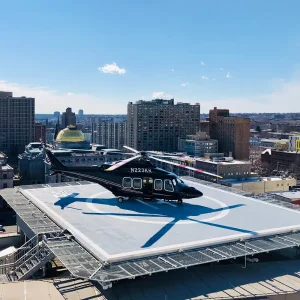
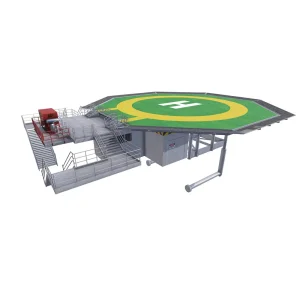
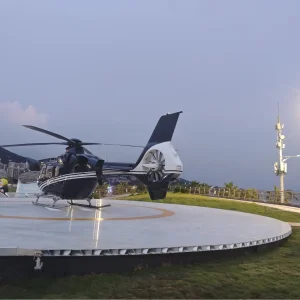
Connect with our technical engineering division for detailed profile drawings, customized structural layouts, or direct manufacturing quotes for the Malaysia market.
 LvXing