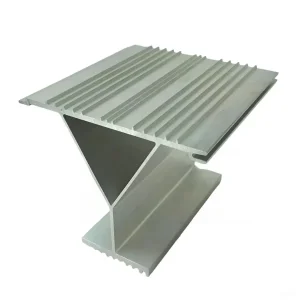
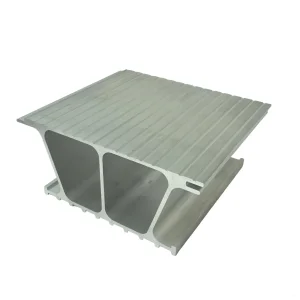
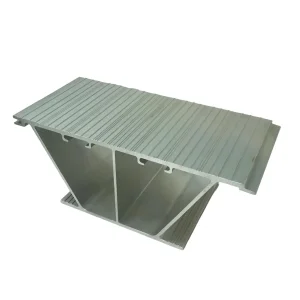
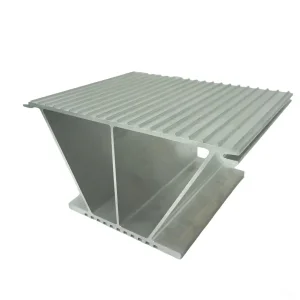
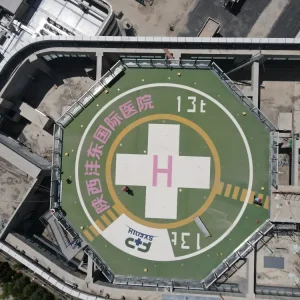
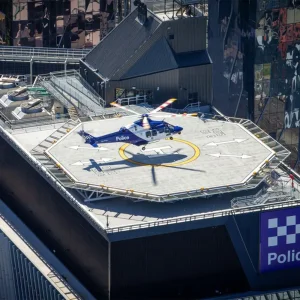
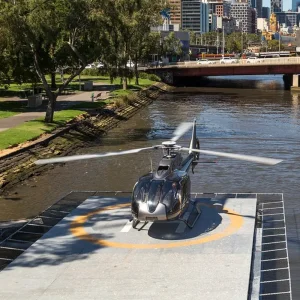
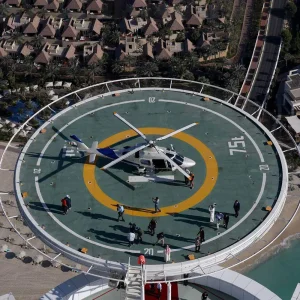
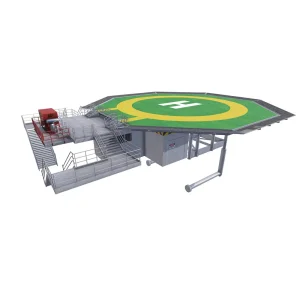
Engineered specifically for offshore marine installations, rooftop hospital trauma units, and commercial heliports across the Belgian provinces. Designed to meet stringent EASA & ICAO Annex 14 standards.
Belgium occupies a central geopolitical and logistical position in Europe. This necessitates highly efficient emergency medical services (HEMS), offshore energy support fleets, and corporate transport solutions. From the bustling maritime traffic at the Port of Antwerp-Bruges to the wind farms of the Belgian North Sea (such as Thornton Bank and Belwind), helicopter operations are critical. However, safe helicopter landings demand structural systems that can withstand both extreme wind loads and highly corrosive environments.
Traditional concrete landing structures are increasingly being phased out due to their massive structural weight, vulnerability to micro-cracking, and expensive maintenance protocols. Modern architectural and aviation engineering in Flanders and Wallonia now specifies extruded aluminum helideck systems. Lightweight, high-strength structural aluminum (specifically 6000-series alloys) minimizes dead loads on building superstructures. This is a critical factor when retrofitting historical hospitals or high-rise municipal buildings in dense urban areas like Brussels, Ghent, and Liège.
Furthermore, Belgium is bound by strict European Union Aviation Safety Agency (EASA) guidelines and national aviation regulations managed by the Belgian Civil Aviation Authority (BCAA). Whether deploying a rooftop pad for an Airbus H145 EMS helicopter at a university hospital or establishing an offshore refueling platform, the structural deck must offer certified non-slip properties, passive fire safety drainage, and robust perimeter safety nets capable of catching falling payloads or personnel.
Established in 2015 and located in Foshan City, Guangdong, LvXing Intelligent Equipment Co., Ltd. boasts a highly skilled R&D team with extensive engineering and structural design experience. We leverage exceptional technical expertise to effectively transform customers' ideas into reality, consistently meeting their precise structural requirements.
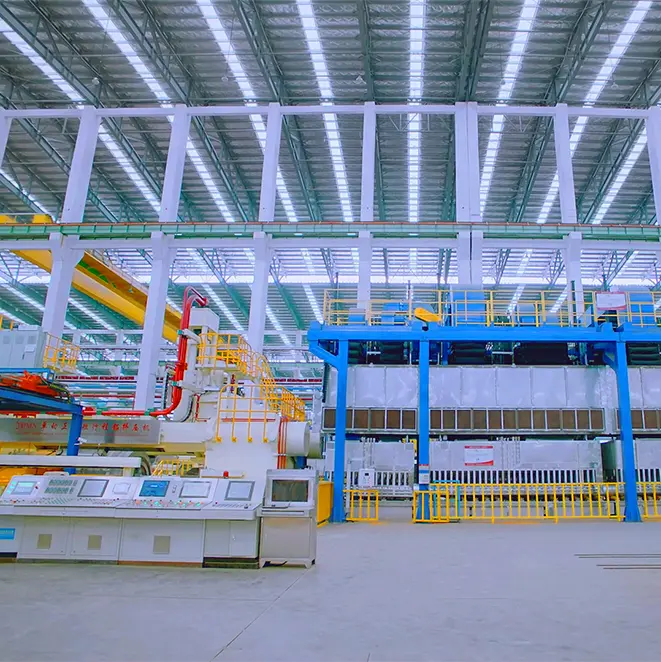
We utilize premium Fenglu aluminum, offering a diverse range of profiles for flexible structural applications. Our extrusion lines, ranging from 800T to 20,000T, accommodate high-strength alloys in the 1xxx, 2xxx, 3xxx, 5xxx, 6xxx, and 7xxx classes. This massive capacity allows us to produce complex shaped products with section dimensions up to 1.2 meters in width and 28 meters in length. These products are recognized worldwide for their dimensional precision and meticulous post-extrusion processing, finding broad application in aerospace, military, medical, and high-load industrial infrastructure sectors.
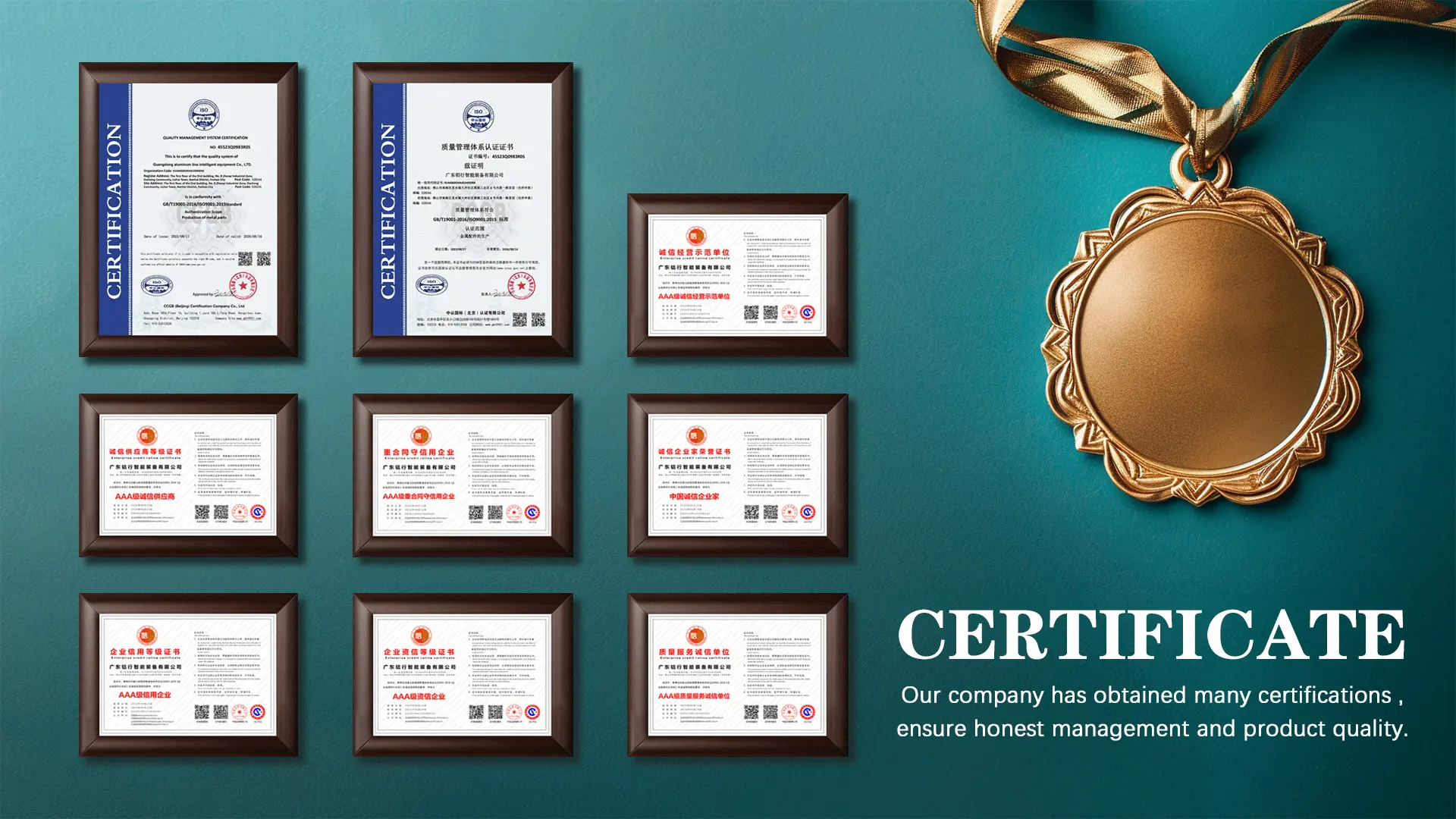
Our commitment to engineering excellence is evident throughout the manufacturing process, rigorous quality control, specialized export packaging, and efficient international shipping procedures. This dedication has earned us recognition as a national excellent and honest enterprise, along with quality system certification in accordance with GB/T19001-2016/ISO9001:2015 standards.
Designing helipads for the Belgian market requires strict compliance with Eurocode 9 (EN 1999), which governs the design of aluminum structures. Extruded profiles must provide exceptional yield strength, impact absorption, and corrosion resistance. The standard choice for structural helideck planks is Alloy 6082-T6 or 6061-T6, which undergo structural artificial aging to achieve optimal mechanical properties.
Perimeter safety nets are not merely accessory barriers; they are critical life-saving devices governed by ICAO Annex 14 Vol II and CAP 1264. These regulations stipulate that safety nets must extend at least 1.5 meters outward from the edge of the helideck. The nets must be angled slightly upward (approx. 10°) and exhibit dynamic absorption properties capable of catching a 100 kg test mass dropped from a height of 1 meter without structural failure of the mesh or support frame.
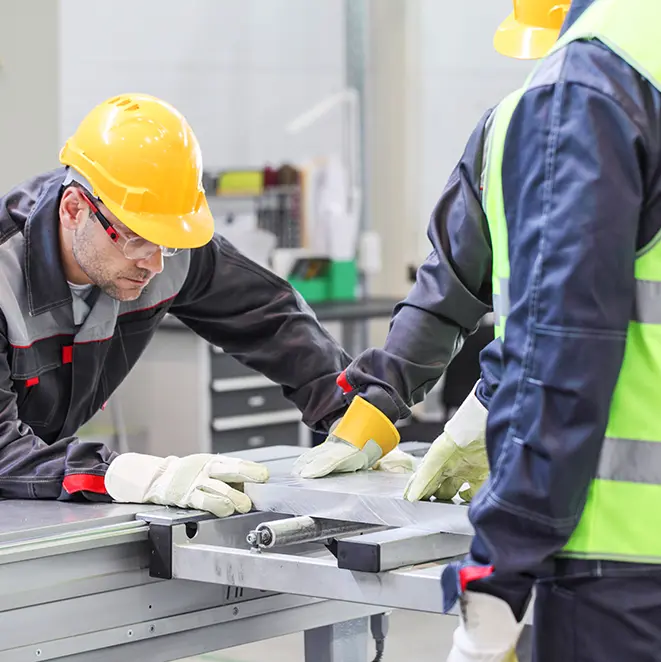
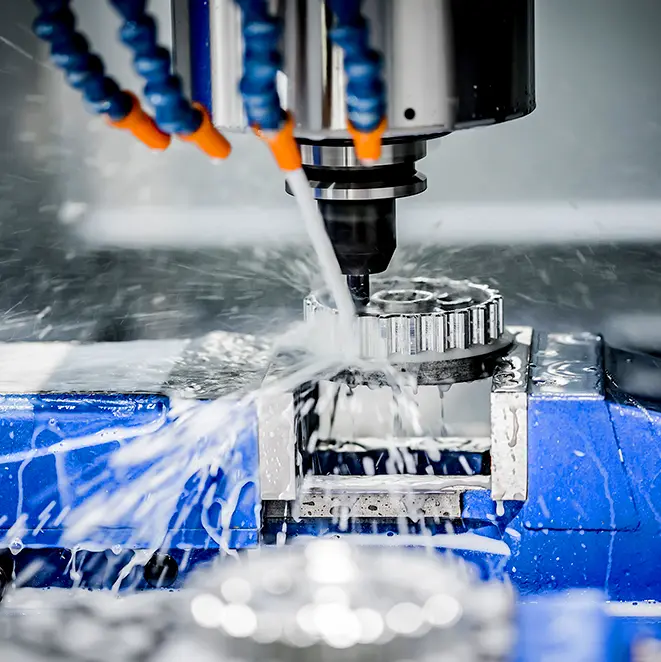
Lvxing combines state-of-the-art manufacturing with certified quality testing to deliver world-class structural systems.

We have obtained the prestigious “Special Aluminium Materials for Aerospace” Certificate, ensuring military-grade structural compliance.

We provide and utilize high-quality Fenglu aluminum profiles. With extrusion lines ranging from 800T to 20,000T, we can produce alloys 1xxx, 2xxx, 3xxx, 5xxx, 6xxx, and 7xxx. We manufacture fully shaped products with section dimensions up to 1.2 meters in width or 28 meters in length.

We have a team of technicians with 15 years of invaluable experience. Our deep understanding of customer requirements allows us to identify potential issues and offer practical insights, turning customer ideas into tangible products that meet specific needs.
When procurement managers and EPC (Engineering, Procurement, and Construction) contractors in Antwerp, Ghent, or Liege evaluate helipad pricing, several critical factors must be taken into account. Understanding the balance between upfront material cost and long-term operating expenses is key to optimizing total cost of ownership (TCO).
At Lvxing, we supply direct factory-to-site logistical routing to major Belgian hubs. By eliminating intermediaries, we provide competitive direct-factory quotes that can reduce overall capital expenditure by 15% to 25% while maintaining full European CE compliance and EN 10204 3.1 material traceability documentation.
The aviation landscape in Europe is shifting rapidly with the development of Urban Air Mobility (UAM). Belgium is actively testing eVTOL (electric Vertical Takeoff and Landing) operations for medical deliveries and regional commuting. This transition requires existing heliports to adapt, and new vertiports to be engineered with dynamic power grids and advanced load tolerances.
Unlike standard helicopters, eVTOL landing profiles distribute weight differently and require integrated electrical charging systems within the deck structure. Our research and development team at Lvxing is already engineering the next generation of modular aluminum decks. These decks feature built-in conduits for high-voltage power cabling, integrated LED visual landing aids (flush-mounted within the aluminum planks), and enhanced thermal management properties to dissipate heat generated during fast-charging operations.
Frequently asked questions by Belgian architects, structural engineers, and airport operators regarding aluminum helidecks.
Discover our complete range of CE-certified structural decking profiles, customized safety nets, and rooftop landing components.
Connect directly with our senior structural engineering team. We supply tailored quotes, custom extrusion dimensioning, and structural calculations to fit your specific Belgian project requirements.
Send Inquiry Now LvXing