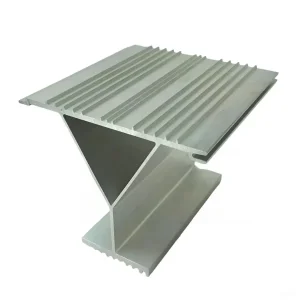
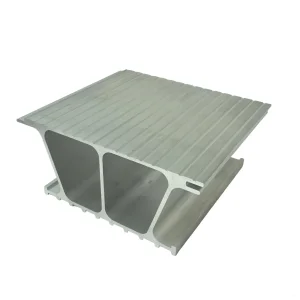
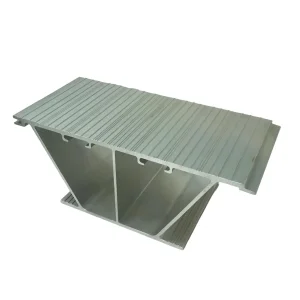
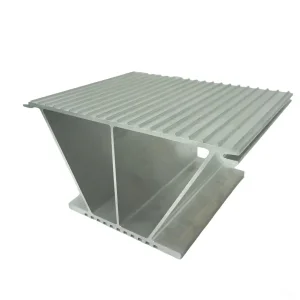
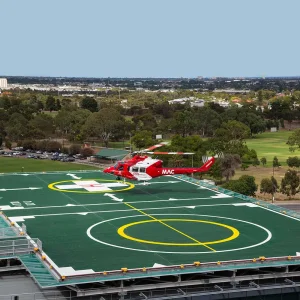
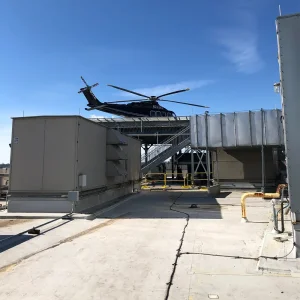
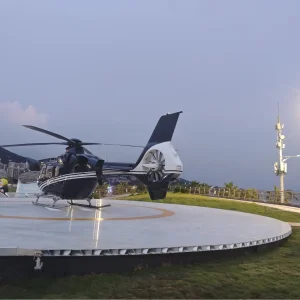
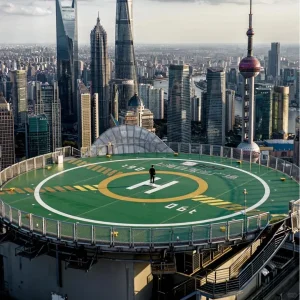
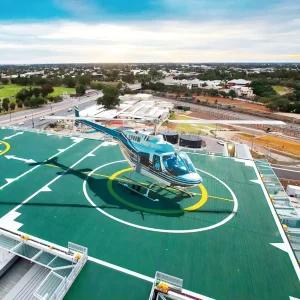
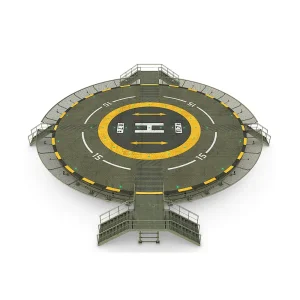
High-integrity engineered structural sections designed to meet the demands of urban skyline landings.
London's dense skyline demands high-level architectural ingenuity, especially with the growth of heliports, rooftop emergency medical service (HEMS) facilities, and private skyscrapers. The construction of helipads in London is governed by strict regulations, particularly the Civil Aviation Authority (CAA) CAP 1264 (Standards for helicopter landing areas) and ICAO Annex 14.
Aluminum profile helipads have emerged as the standard because they offer up to a 70% weight reduction compared to traditional concrete structures. This weight reduction is crucial for preserving the structural integrity of existing rooftop projects, such as London’s major hospitals, financial headquarters, and Thames-side marine landing structures.
Established in 2015 and located in Foshan City, Guangdong, LvXing Intelligent Equipment Co., Ltd. boasts a skilled R&D team with extensive experience. We leverage exceptional technical expertise to effectively transform customers' ideas into reality, consistently meeting their precise requirements.
We utilize premium Fenglu aluminum, offering a diverse range of profiles for flexible applications. Our extrusion lines, ranging from 800T to 20,000T, accommodate alloys 1xxx, 2xxx, 3xxx, 5xxx, 6xxx, and 7xxx, allowing us to produce shaped products with section dimensions up to 1.2 meters in width and 28 meters in length.
These products are recognized for their precision and meticulous processing, finding broad application in aerospace, military, medical, and industrial sectors.
Our engineering precision ensures that every structural profile delivered to London meets precise performance envelopes.
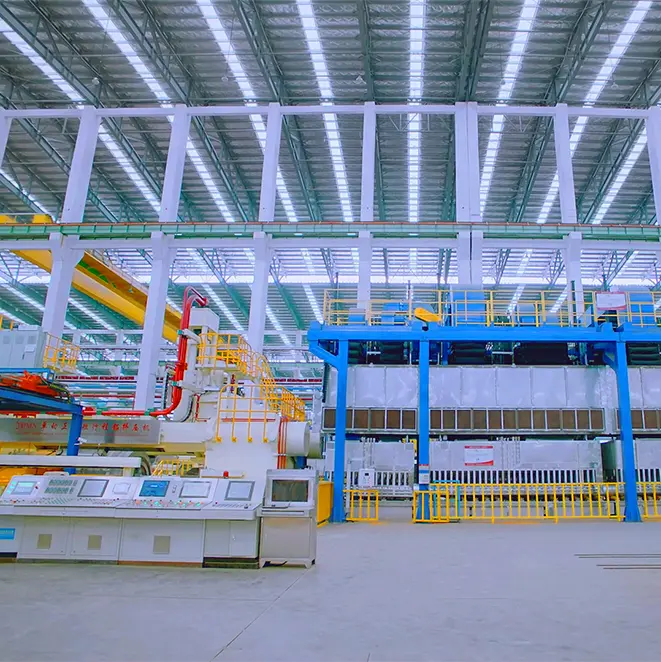
Modern procurement strategies require balancing reliable lead times with competitive budgets. Located in the manufacturing hub of Foshan City, China, Lvxing Intelligent Equipment leverages Industry 4.0 automation alongside partnerships with top-tier material suppliers like Fenglu Aluminum.
By utilizing advanced extrusion systems ranging from 800T to 20,000T, we are able to extrude large-scale, structural alloys (6000 & 7000 series) up to 28 meters in length. This capability reduces the need for multiple assembly joints on-site, enhancing structural integrity and shortening installation timelines in London by up to 40%.
Our digital-first supply chain integrates raw material sourcing, automated machining, and sea freight logistics directly to the UK, maintaining stable lead times even during global supply shifts.
Proven excellence in aerospace-grade aluminum manufacturing and customized design services.

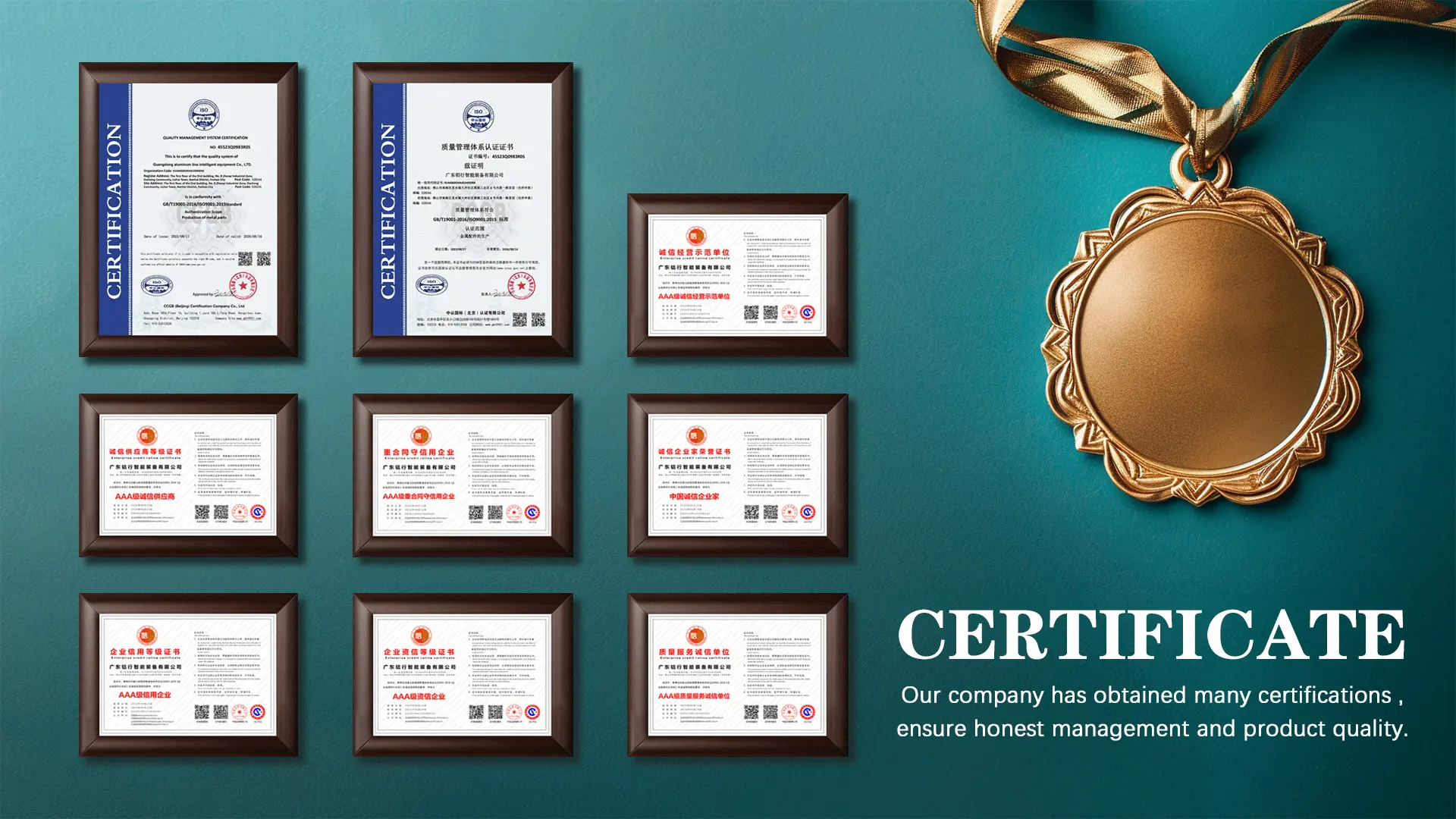
We have obtained the "Special Aluminium Materials for Aerospace" Certificate, ensuring maximum safety for helicopter operations.
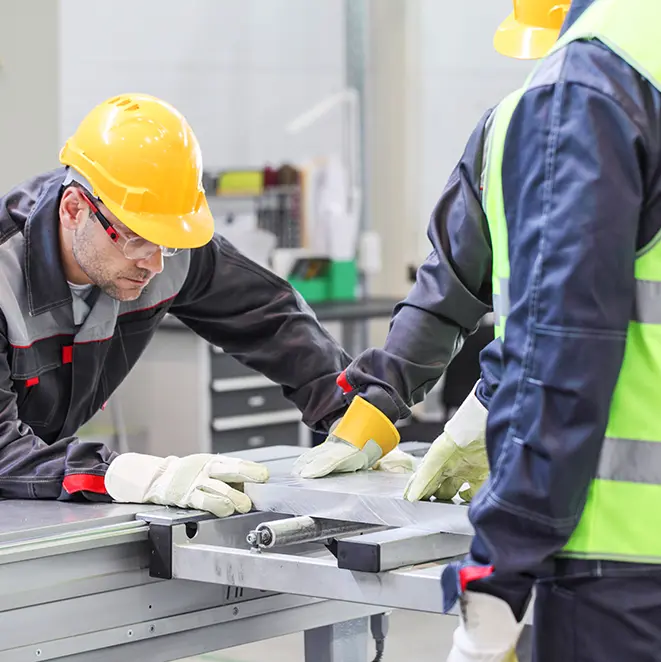

High-quality Fenglu profiles. With extrusion lines from 800T to 20,000T, producing alloys 1xxx to 7xxx, up to 1.2m width or 28m length.
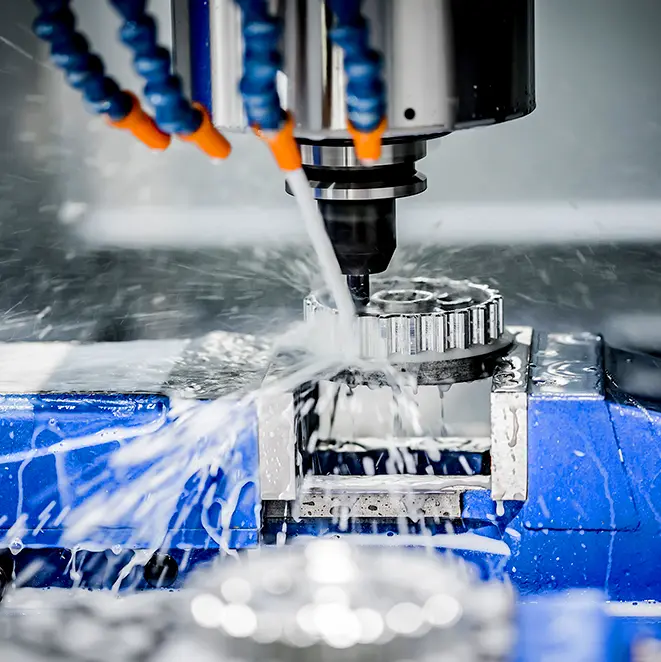

Our team of technicians has 15 years of invaluable experience. We identify potential issues early and offer practical design insights.
A critical look at the design principles that keep ground operations safe.
Helipad perimeter safety nets are manufactured using high-strength 316 marine-grade stainless steel or corrosion-resistant structural aluminum. Designed to withstand harsh environmental conditions, these nets will not degrade from UV exposure, salt spray, or helicopter exhaust fumes.
Under international codes and UK CAP 1264, safety nets must be designed to withstand a drop load test of 100 kg dropped from a height of 1 meter without structural failure. The design ensures a trampoline-like cushioning effect rather than a rigid impact.
A key design consideration is minimizing wind resistance. Slotted profiles and open mesh designs allow heavy downdrafts from large helicopters (such as the AW189 or Chinook CH-47) to pass through easily, preventing aerodynamic lift on the safety perimeter structure.
"In urban centers like London, safety net systems are a regulatory requirement. They must extend at least 1.5 meters outward from the landing deck edge, sloping slightly upward to secure and contain any personnel or equipment during flight ops."
Estimated market prices for standard components delivered to London. For project-specific custom sizes, request a quote below.
| Profile Model / System | Material / Grade Details | Primary Application Scenario | Estimated Price Range (per m² / unit) |
|---|---|---|---|
| LX-HP01 Structural Profile | Alloy 6082-T6, Anodized Finish | Commercial Skyscraper Heliports | £180 – £240 per m² |
| LX-HP02 Heavy Load Deck | Alloy 6005A-T6, Anti-skid surface | NHS Hospital Emergency Helipads | £210 – £280 per m² |
| LX-HP03 Custom Slim profile | Alloy 6063-T6, Lightweight Modular | Superyacht / Marine Helidecks | £190 – £260 per m² |
| Stainless Steel Wire Safety Net | AISI 316 Steel Mesh + Alu Frame | Perimeter Safety Barriers | £95 – £140 per linear meter |
| Integrated Lighting Profiles | Alloy 6061-T6, Pre-channeled | Night Flight Capable Decks | £60 – £90 per meter |
*Prices are estimates based on material costs (LME aluminum index) and shipping rates. Custom sizes, configurations, and surface treatments will affect final project estimates.
Request Current Price List & CAD SpecsDifferent environments require unique structural adaptations. Here is how our profiles perform across diverse applications.
Designed to support heavy search-and-rescue helicopters during continuous emergency operations. Features anti-skid surfaces, rapid-drain channels, and integrated pathways for safety nets.
Aluminum's natural corrosion resistance makes it ideal for offshore platforms and vessels along the River Thames. It resists salt spray damage without requiring heavy coatings.
For high-rise office towers in the City of London and Canary Wharf. The lightweight modular construction simplifies structural integration on existing buildings, helping to lower engineering costs.
Key information regarding structural, safety, and supply requirements for London and global projects.
Aluminum profiles are roughly 70% lighter than concrete, reducing the load on a building's structure. This weight saving simplifies rooftop integration, lowers foundation reinforcement costs, and enables modular pre-fabrication, which speeds up on-site installation.
Our profiles are designed and extruded from structural-grade alloys (such as 6082-T6 and 6061-T6) that meet the load-bearing requirements for helicopters operating in the UK. They feature integrated safety-net mounting channels, anti-slip patterns, and slots for flush perimeter lighting.
Fenglu is a leading aluminum brand. Access to their extrusion lines—ranging from 800T to 20,000T—allows us to produce large-format, high-strength profiles (up to 1.2m wide and 28m long) with tight dimensional tolerances, certified to aerospace standards.
According to CAP 1264, safety nets must extend at least 1.5 meters from the deck edge, tilt slightly upward, and support a 100 kg impact load. Our 316 stainless steel wire mesh safety net systems are engineered to meet these requirements.
We handle export clearance from local ports like Shenzhen and Guangzhou directly to the Port of London. All components are packed in customized structural crates, complete with export documentation, ISO quality certificates, and installation plans.
Yes. Our engineering team can customize extrusion profiles to meet specific project needs, including integrated drainage channels, utility paths, and non-standard landing pad configurations.
Explore our complete product range, featuring options from heavy-duty commercial decks to specialized marine landing pads.
Get in touch with our engineering team for technical layouts, CAD structural details, and customized pricelists for your helipad construction or renovation plans.
Send Inquiry Now LvXing