Explore our leading perimeter mesh and structural deck systems engineered for demanding urban and offshore environments.
Chicago, the historical epicenter of American skyscraper architecture and a critical transport corridor along Lake Michigan, demands structural solutions that can withstand severe meteorological conditions. The city's famous wind shear profiles, heavy winter snow loading, and extreme thermal cycling require aviation safety components that offer exceptional material integrity. For real estate developers, municipal emergency service hubs, and maritime operators throughout the Chicago metropolitan area, safety is an absolute priority.
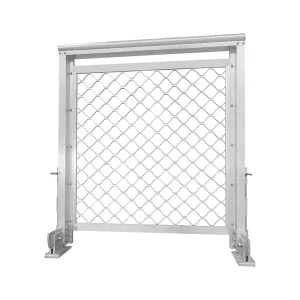
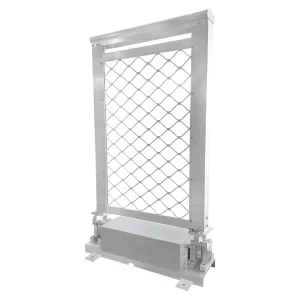
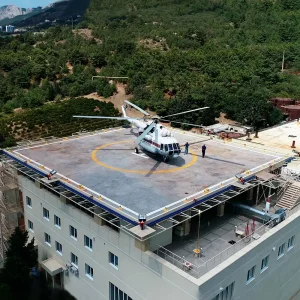
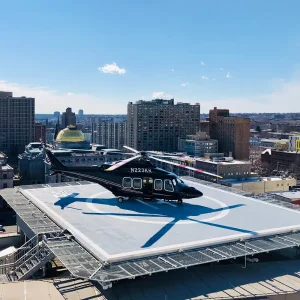
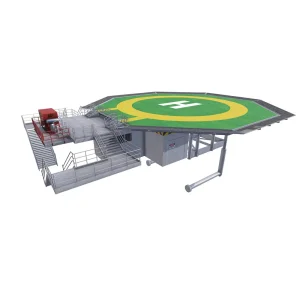
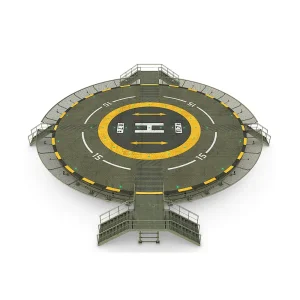
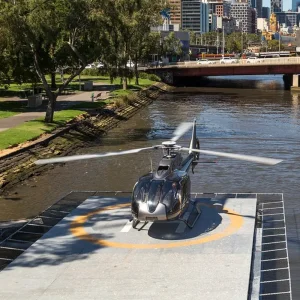
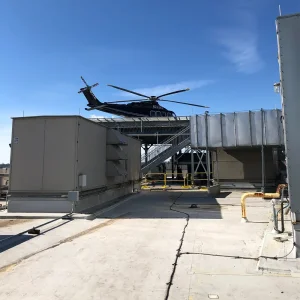
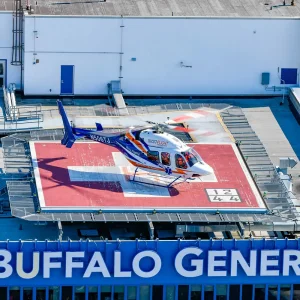
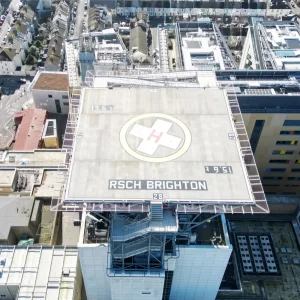
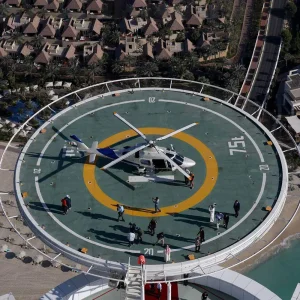
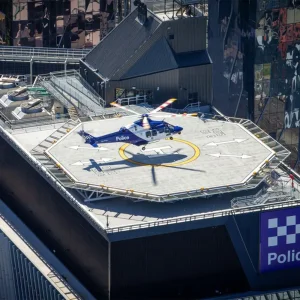
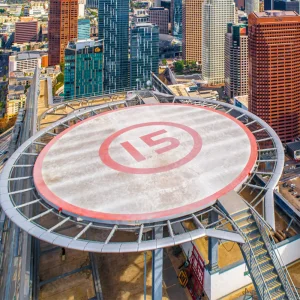
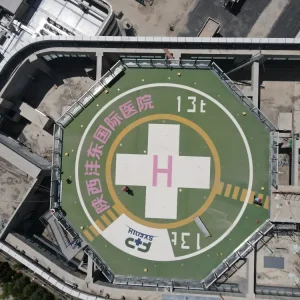
In municipal zones and high-density business districts like Loop and Near North Side, emergency medical operations rely on helipads constructed atop trauma centers. These helipads must operate without interruption, regardless of local weather conditions. A critical component of these installations is the perimeter safety net, designed to prevent personnel and equipment from falling off elevated platforms. Standard materials often fail under persistent exposure to lakeside moisture and freezing winters; this is where our customized marine-grade, high-strength aluminum alloy systems come in, delivering long-term performance and safety.
Elevated helidecks in Chicago are regularly subjected to high-velocity winds and aerodynamic turbulence. Our safety nets are designed with aerodynamic mesh patterns that minimize wind resistance while maintaining high tensile strength, ensuring minimal dynamic deflection during extreme weather events.
Rooftop installations are exposed to freeze-thaw cycles and aggressive chemical de-icing agents. Our structural profiles and safety mesh systems utilize advanced anodized coatings to prevent localized galvanic corrosion, ensuring a maintenance-free service life exceeding 25 years.
Helipad safety technology is transitioning from heavy, labor-intensive steel systems to lightweight, high-strength, intelligent modular solutions. The integration of advanced alloys and smart monitoring systems is key to modern urban planning and structural engineering.
| Technical Parameters | Standard Steel Systems | Advanced Aluminum 6000-Series Alloys | Our Integrated Smart Solutions |
|---|---|---|---|
| Weight Density | ~7.85 g/cm³ (High structural load) | ~2.70 g/cm³ (Lightweight design) | Optimized structure & profile integration |
| Corrosion Resistance | Requires regular galvanization/painting | Excellent natural oxide barrier | Double anodized (20µm) plus fluorocarbon option |
| Dynamic Load Rating | Variable, subject to weld fatigue | Flexible energy absorption profiles | Drop-test certified (impact energy >2.3kJ) |
| Automation Integration | Manual operation only | Compatible with electric motor configurations | IoT-enabled electric folding nets with control links |
As eVTOL (electric Vertical Takeoff and Landing) aircraft and advanced air mobility networks develop, urban helipads will become multi-modal hubs. Next-generation installations must accommodate higher frequency flight paths and varied landing vectors. Our technical roadmap focuses on developing modular, pre-assembled safety net panels that can be easily updated or replaced without major structural modifications to the primary building framework.
Established in 2015 and located in Foshan City, Guangdong, LvXing Intelligent Equipment Co., Ltd. boasts a skilled R&D team with extensive experience. We leverage exceptional technical expertise to effectively transform customers' ideas into reality, consistently meeting their precise requirements.
We utilize premium Fenglu aluminum, offering a diverse range of profiles for flexible applications. Our extrusion lines, ranging from 800T to 20,000T, accommodate alloys 1xxx, 2xxx, 3xxx, 5xxx, 6xxx, and 7xxx, allowing us to produce shaped products with section dimensions up to 1.2 meters in width and 28 meters in length. These products are recognized for their precision and meticulous processing, finding broad application in aerospace, military, medical, and industrial sectors.
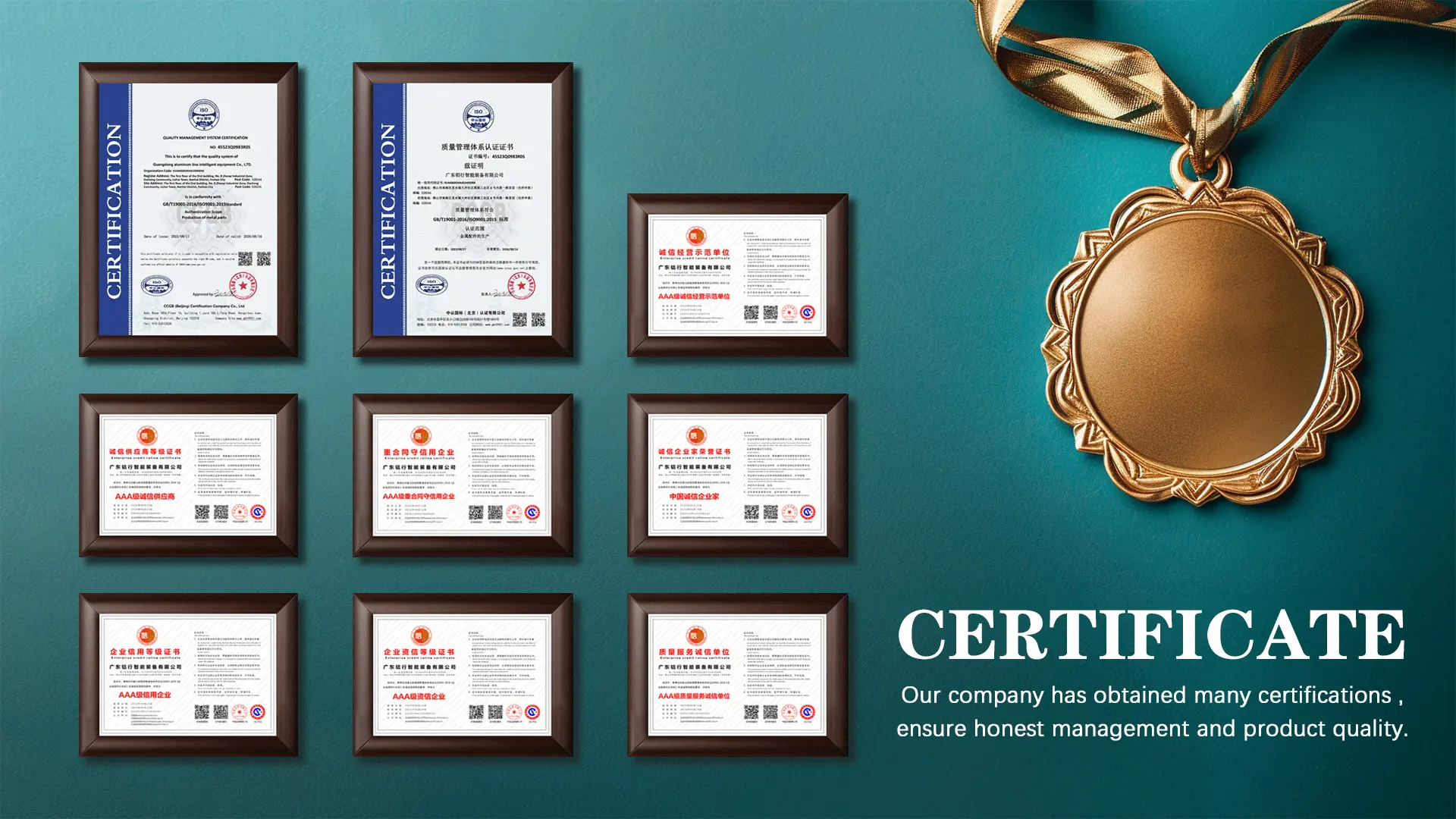
Our commitment to excellence is evident throughout the manufacturing process, rigorous quality control, thorough packaging, and efficient shipping procedures. This dedication has earned us recognition as a national excellent and honest enterprise, along with quality system certification in accordance with GB/T19001-2016/ISO9001:2015 standards.
We aspire to be your trusted business partner and warmly invite you to visit our factory.
Why engineering consultants and contractors in Chicago trust our advanced manufacturing processes.
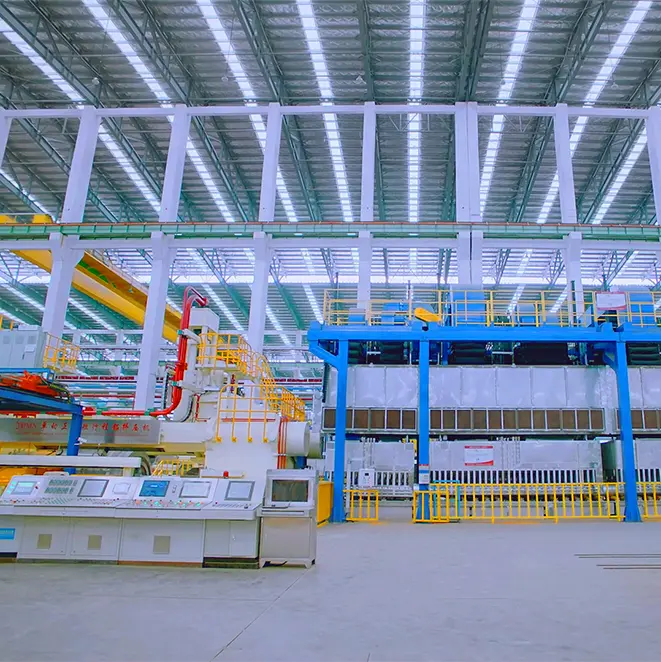

We have obtained the "Special Aluminium Materials for Aerospace" Certificate, confirming our compliance with strict quality standards required for demanding aviation infrastructure.
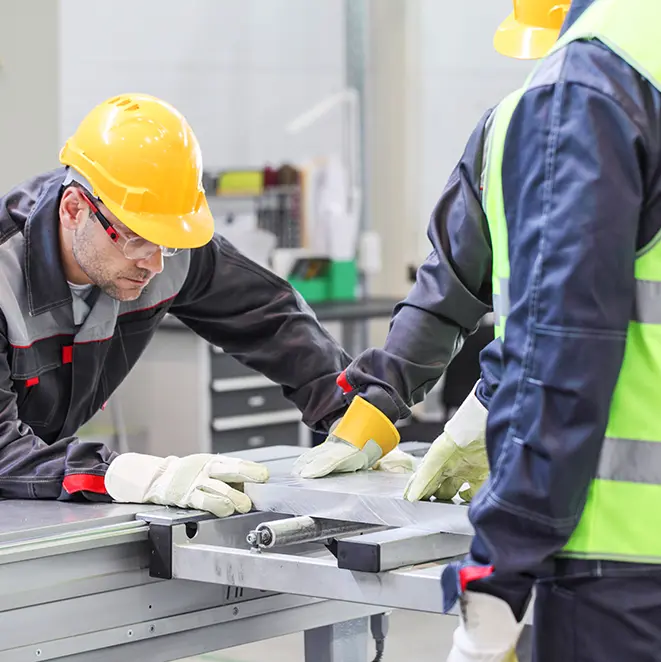

We utilize high-quality Fenglu aluminum profiles. With extrusion lines ranging from 800T to 20,000T, we can produce alloys in 1xxx to 7xxx series, up to 1.2m in width and 28m in length.
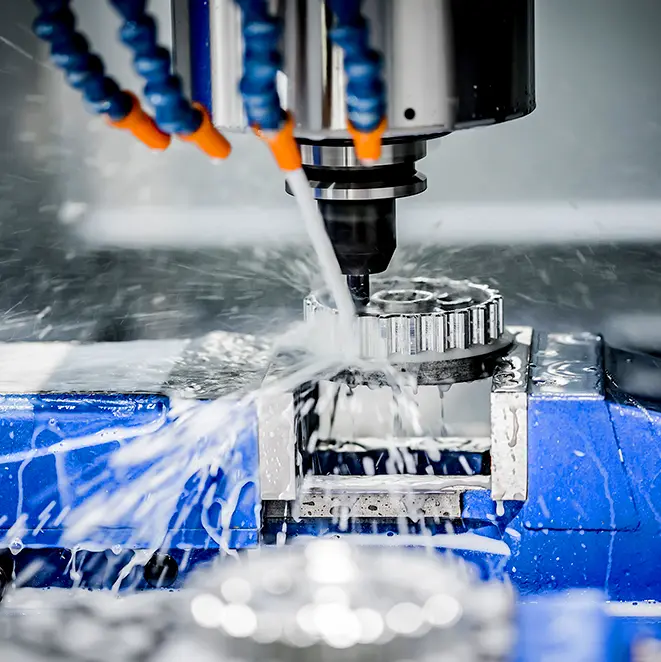

Our team of technicians has 15 years of experience. We understand customer requirements, identify potential design challenges, and deliver customized products to fit precise project needs.
Manufacturing critical aviation safety components requires high levels of precision and process control. Located in Foshan, the capital of metal extrusion industries, our smart factory coordinates material sourcing, precision CNC processing, surface treatment, and quality inspection into a unified workflow. This vertical integration allows us to deliver high-quality products while maintaining competitive pricing.
Using advanced production scheduling and automated extrusion systems, we minimize raw material waste and shorten manufacturing times. This capability enables us to produce and deliver customized helipad safety nets and decking panels faster than many domestic fabricators. For buyers in Chicago, this means a reliable supply chain that keeps projects running on schedule.
We work with international logistics providers to coordinate containerized ocean freight directly to the Port of Chicago via the St. Lawrence Seaway, or intermodal rail shipping from West Coast ports. All components are packed in customized structural steel crates, keeping they arrive onsite damage-free and ready for installation.
Our team assists with the documentation, customs clearance, and local logistics, ensuring a smooth transition from our factory to the construction site.
Every safety net and structural panel is tested to meet international standards before dispatch:
Find answers to common questions about engineering, regulatory compliance, and system implementation.
Connect with our engineering specialists to receive detailed specification guides, structural drawings, and competitive quotes customized for your Chicago project.
Send Inquiry NowA broad range of CE certified aluminum helidecks, perimeter nets, and customized structures for medical, commercial, and marine installations.
 LvXing