High-performance perimeter netting and deck structural modules precision-manufactured for critical safety compliance.
Understanding CAP 437 and CAP 1264 requirements for British aviation infrastructure.
The aviation and offshore industrial infrastructure sectors in the United Kingdom operate under some of the most stringent safety mandates globally. Civil Aviation Authority (CAA) standards dictate precise engineering specifications for both marine offshore landing areas and land-based rooftop facilities. Navigating these requirements demands a manufacturer with deep material science capabilities and verified quality management systems.
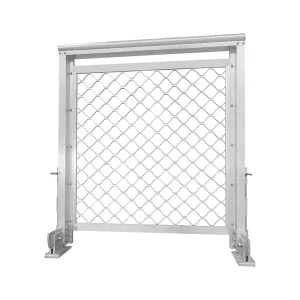
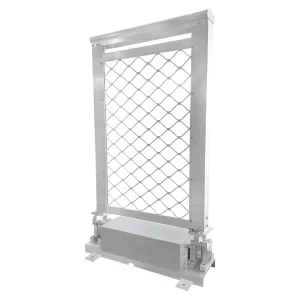
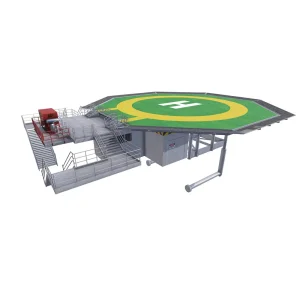
For offshore vessels, drillships, and energy production platforms situated in the harsh marine zones of the North Sea, CAP 437 (Standards for Offshore Helicopter Landing Areas) represents the gold standard. Every component—from the high-friction aluminum deck profile to the flexible perimeter safety net—must be designed to withstand severe corrosion, storm-force wind velocities, and heavy dynamic impacts. Perimeter safety nets must extend outward at least 1.5 meters from the deck edge, presenting an upward slope of 10 degrees to safely catch personnel or objects without presenting an obstruction to flight paths.
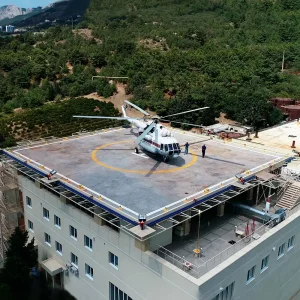
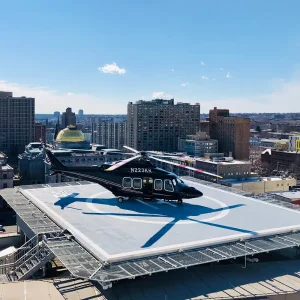
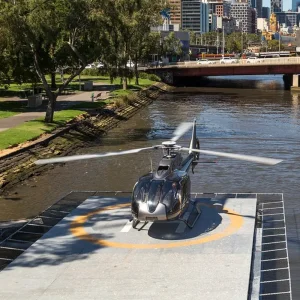
Conversely, hospital emergency services and urban commercial high-rises must strictly adhere to CAP 1264 (Standards for Helicopter Landing Areas at UK Hospitals). Structural load distribution, fire safety runoff paths, and non-restrictive fall prevention mesh are key criteria for securing NHS clinical clearance. As trauma networks across regions like London, the Midlands, and Scotland expand, demand has surged for lightweight, corrosion-free modular aluminum decks that can be safely retrofitted onto historical structure sub-frames without compromising load capacities.
High-tensile wire mesh and custom structural profiles manufactured to international standards.
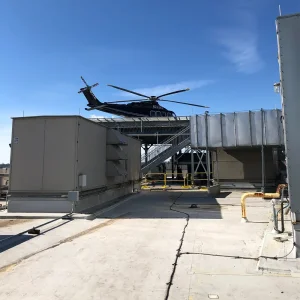
Welcome to Lvxing: Specializing in high-performance aluminum solutions since 2015.
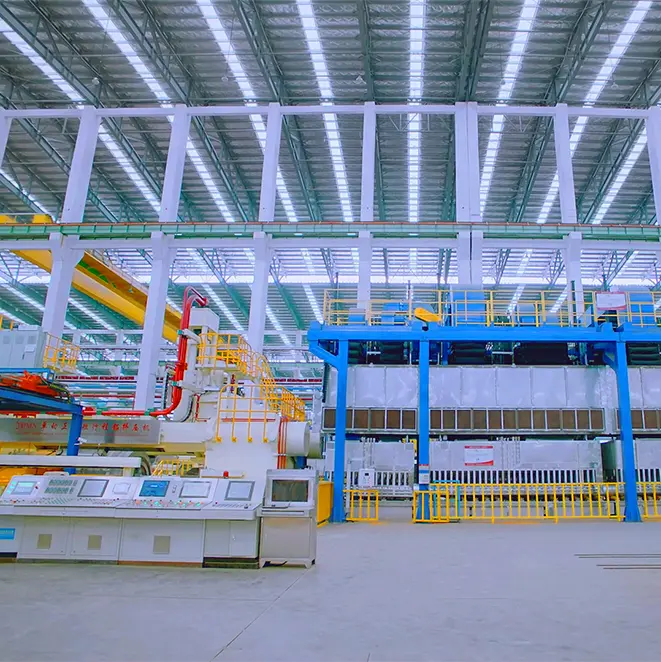
Established in 2015 and located in Foshan City, Guangdong, LvXing Intelligent Equipment Co., Ltd. boasts a skilled R&D team with extensive experience. We leverage exceptional technical expertise to effectively transform customers' ideas into reality, consistently meeting their precise structural requirements.
We utilize premium Fenglu aluminum, offering a diverse range of profiles for flexible structural applications. Our heavy-industry extrusion lines, ranging from 800T to a massive 20,000T capacity, accommodate high-performance alloys including the 1xxx, 2xxx, 3xxx, 5xxx, 6xxx, and 7xxx series. This enables our facility to produce complex, fully shaped products with cross-sectional dimensions up to 1.2 meters in width and 28 meters in length. These components are globally recognized for their structural precision and meticulous processing, finding broad application in aerospace, military, medical emergency, and marine sectors.
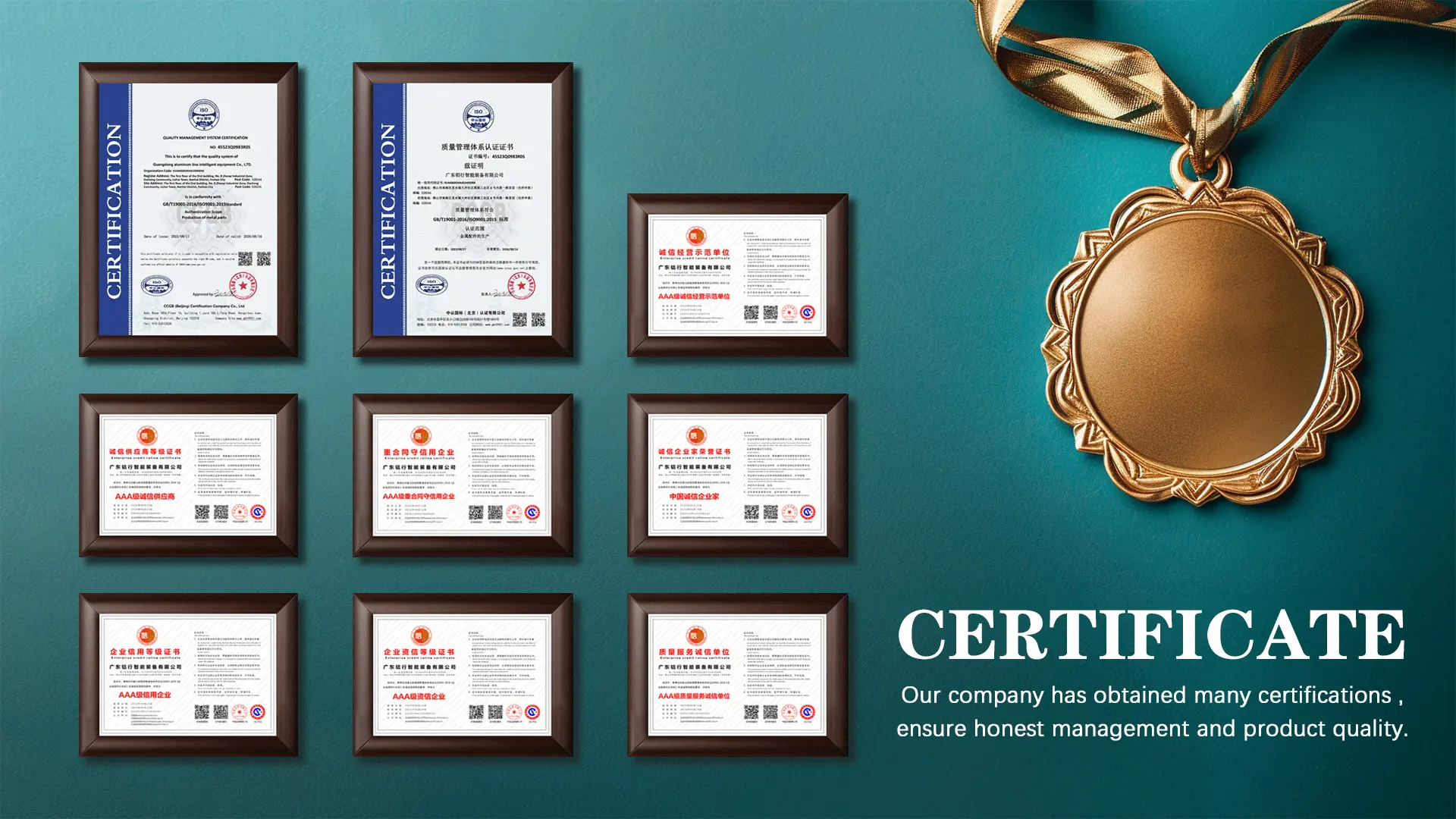
Our commitment to engineering excellence is evident throughout the manufacturing process, rigorous quality control checks, secure protective packaging, and streamlined global shipping networks. This dedication has earned us recognition as an national excellent and honest enterprise, along with quality system certification in accordance with GB/T19001-2016/ISO9001:2015 standards.
 Aerospace Certifications
We have successfully obtained the highly selective "Special Aluminium Materials for Aerospace" Certificate, validating our raw materials for the most critical landing environments.
 Extensive Profile Extrusion
With custom extrusion capabilities ranging up to 20,000T, we manufacture seamless profile shapes up to 1.2m wide and 28m in length using top-tier Fenglu aluminum billet.
 15+ Years Technical Expertise
Our senior engineering team features over 15 years of practical structural design experience, offering preemptive trouble-shooting, CAD modeling, and bespoke project quotes.
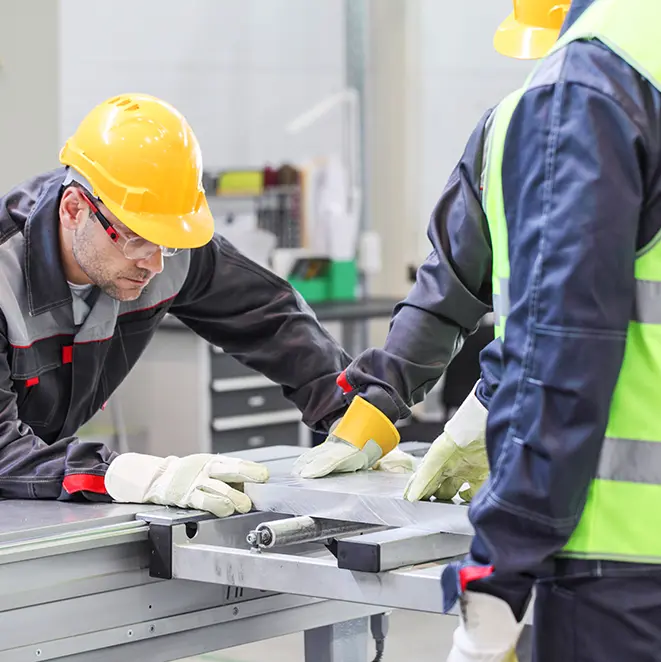
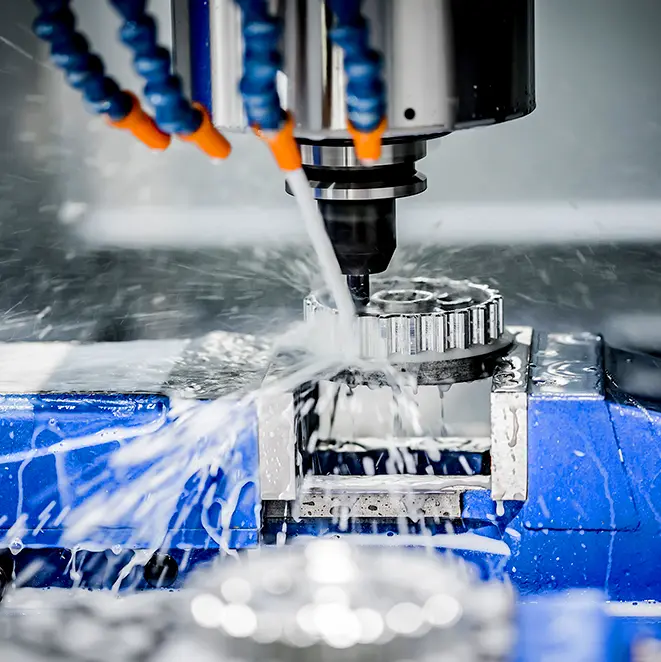
Comparing structural alloys for high-stress marine and urban helideck landing areas.
In offshore and structural civil engineering, selecting the correct aluminum alloy determines the system's operational lifespan, safety envelope, and long-term maintenance costs. For environments like the UK North Sea, steel-framed helidecks present considerable weight penalties and demand constant abrasive blasting and painting to fend off rapid saline oxidation. Modern projects utilize structural grade 6082-T6 and 6061-T6 aluminum alloys for the principal load-bearing profiles.
These specialized 6000-series silicon-magnesium alloys undergo artificial aging (T6 tempering) to produce mechanical properties that rival traditional mild steels while saving up to 60% in deadweight. This deadweight reduction translates directly into increased cargo capacity and lower structural centers of gravity on floating production vessels (FPSOs) and offshore wind support vessels.
| Specification Metric | Alloy 6082-T6 (Marine Class) | Alloy 6061-T6 (Structural Class) | Offshore Compliance Target (CAP 437) |
|---|---|---|---|
| Tensile Strength (min) | 310 MPa | 290 MPa | Comparable to standard structural steel |
| Yield Strength (min) | 260 MPa | 240 MPa | High elastic limit for dynamic landings |
| Corrosion Resistance | Excellent (Highly Marine Saline Resistant) | Good (Standard Coastal Protection) | Classified for corrosive marine zones |
| Elongation A5 (min) | 10% | 8% | High ductility for impact attenuation |
| Perimeter Net Loading | Withstands 100kg drop from 1 meter | Withstands 100kg drop from 1 meter | 100% compliance with CAA drop testing |
Contact our senior technical R&D desk to receive CAD drawings, structural load distribution profiles, and customized quotes tailored to your site's physical layouts.
Send Inquiry NowSelect from our range of CE-certified landing structures and perimeter mesh systems designed for the UK and global markets.
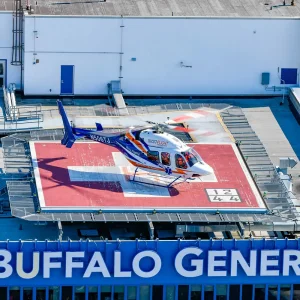
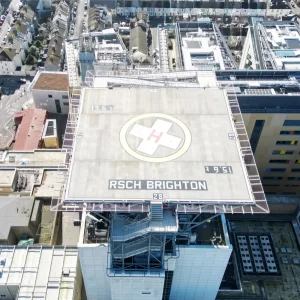
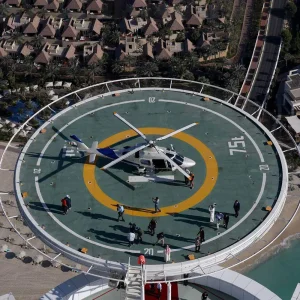
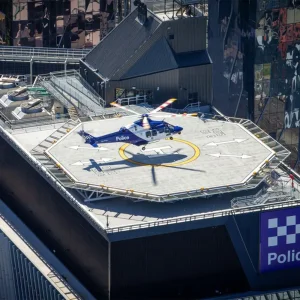
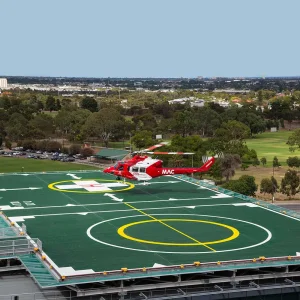
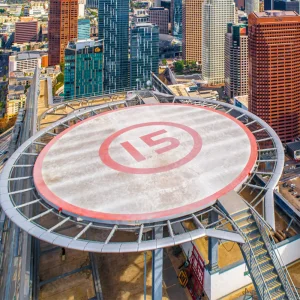
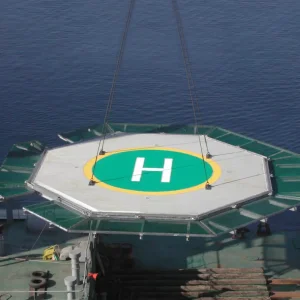
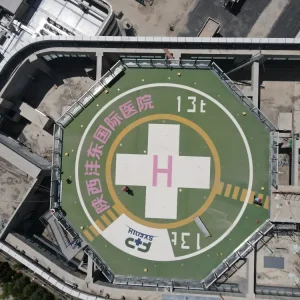
Streamlining procurement from our Foshan industrial center directly to major UK infrastructure sites.
Clients submit site parameters (e.g., D-value of intended helicopter class, structural sub-frame load limits). Our design team calculates profiles and generates a preliminary layout & cost quote within 48 hours.
Every profile undergoes structural testing in our facility. Safety nets are manufactured and test-tensioned to confirm performance under dynamic drop limits, complying with GB/T19001 and ISO9001:2015 frameworks.
Finished modular segments are packed in export-certified packaging and shipped directly to major UK hubs, including Aberdeen, Southampton, London Gateway, and Liverpool, ready for onsite assembly.
The offshore waters of the North Sea represent a severe test for architectural metals. The constant presence of salt spray, combined with damp conditions and industrial stack gases, initiates rapid galvanic and pitting corrosion in standard grade carbon steels. This necessitates the use of premium 6000-series aluminum alloys for structural and safety net systems.
Aluminum naturally forms a microscopic oxide surface layer when exposed to air, providing passive protection against rust. For highly demanding marine settings, we apply additional technical coatings, including hard anodizing and marine-grade powder sealing. This minimizes maintenance schedules and extends the typical service life of offshore landing platforms to over 30 years without the need for structural sandblasting.
Expert answers on regulatory standards, testing procedures, and material characteristics.
Get direct factory quotes, engineering feedback, and customized project support. Our technical team is ready to review your blueprints and site specifications.
Send Inquiry Now LvXing