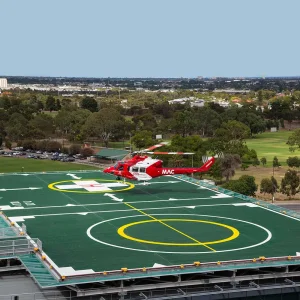
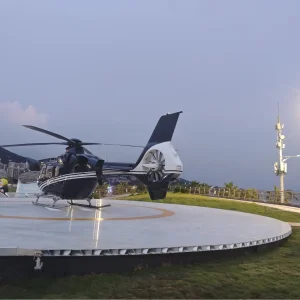
Indonesia, the world's largest archipelagic state with over 17,000 islands, presents unique logistics and transport challenges. In critical sectors like offshore oil and gas extraction in the Natuna Sea and Makassar Strait, remote mining operations in Kalimantan and Papua, and emergency medical operations in highly congested urban hubs like Jakarta and Surabaya, aviation infrastructure is indispensable. Reliable, light, and structurally stable helipads are essential for operations.
Environmental conditions in the region are demanding, characterized by high relative humidity, intense solar radiation, and aggressive saline coastal environments. Traditional structural steel or concrete helipads suffer from accelerated degradation, leading to frequent maintenance shutdowns and safety risks. Marine-grade extruded aluminum helipad profiles offer a superior alternative. They combine high structural integrity with natural corrosion resistance, meeting the strict requirements of international civil aviation and local regulations, including the Directorate General of Civil Aviation (DGCA) KP 29 Year 2017 standards.
As offshore exploration advances and urban planning emphasizes skyscraper emergency evacuation structures, the demand for pre-engineered, lightweight aluminum helideck assemblies—equipped with CAP 437 compliant safety nets—is rising rapidly across EPC (Engineering, Procurement, and Construction) firms operating in the Indonesian market.
The engineering of high-performance helipads relies on structural weight optimization, ease of assembly, and long-term durability. Global standards like ICAO Annex 14, CAP 437 (for offshore helicopter landing areas), and API RP 2L define load-bearing design criteria. An aluminum helipad must handle significant static loads from parked aircraft and high dynamic loads from emergency hard landings.
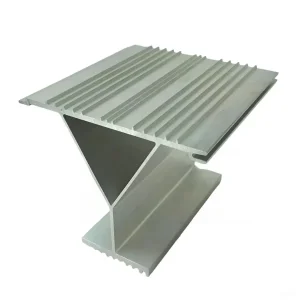
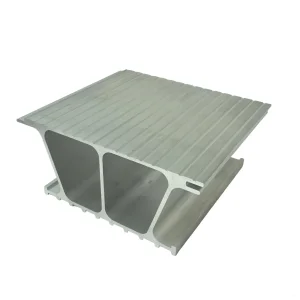
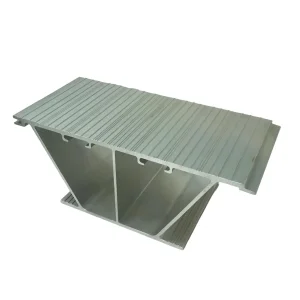
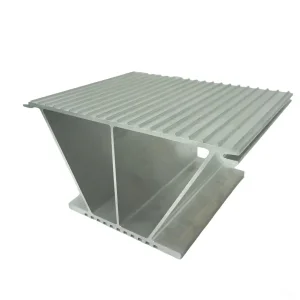
To meet these requirements, structural profiles are extruded from high-tensile 6000-series aluminum alloys—primarily 6005A-T6 and 6082-T6. These alloys offer excellent weldability, mechanical strength, and corrosion resistance in marine environments. Friction stir welding (FSW) or interlocking structural designs are used to connect these profiles, creating a continuous, leak-proof deck surface. The safety net frame, also made of marine-grade aluminum or stainless steel 316, must span the perimeter to catch falling personnel or equipment without compromising flight clearance angles, satisfying the rigorous 100 kg drop-test standards specified by CAP 437.
High mechanical performance with excellent corrosion resistance. Specifically treated to prevent stress corrosion cracking in high-saline coastal settings.
Perimeter safety net solutions made with stainless steel wire mesh or tensioned aluminum netting, rated to withstand 100kg drop tests.
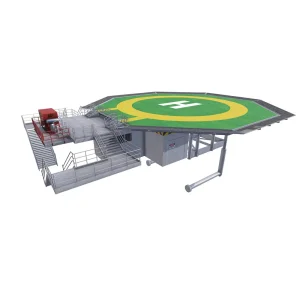
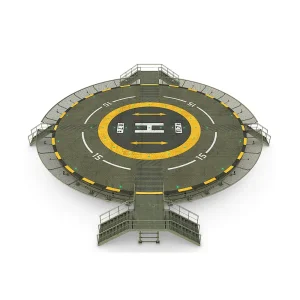
Modular tongue-and-groove connections enable fast assembly, reliable shear load transfer, and eliminate field welding requirements.
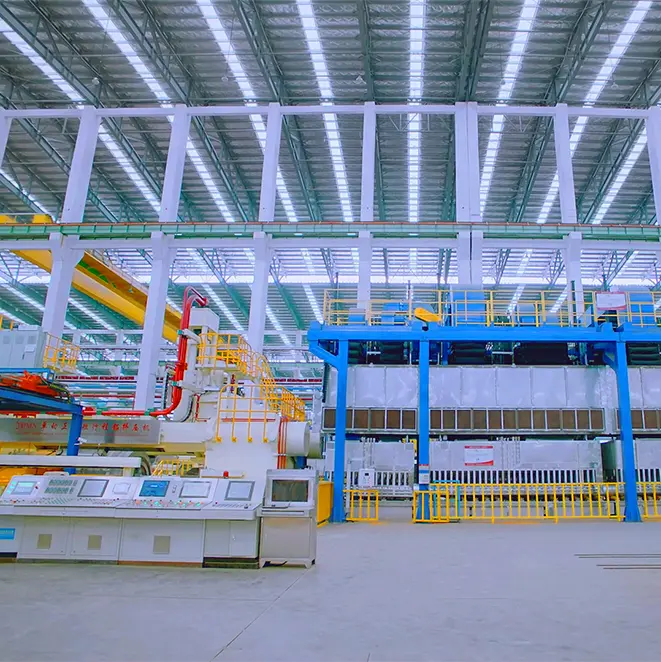
Established in 2015 and located in Foshan City, Guangdong (China’s premier aluminum manufacturing cluster), LvXing Intelligent Equipment Co., Ltd. features an experienced R&D team with deep industry knowledge. We apply technical expertise to transform custom concept drawings into structural realities, consistently meeting precise performance requirements.
We source premium raw materials from Fenglu Aluminum, offering a diverse catalog of custom profiles for demanding applications. Our extrusion lines range from 800 Tons up to 20,000 Tons, enabling processing across the 1xxx, 2xxx, 3xxx, 5xxx, 6xxx, and 7xxx alloy groups. We can manufacture large structural components with section widths up to 1.2 meters and single-profile continuous lengths of 28 meters.
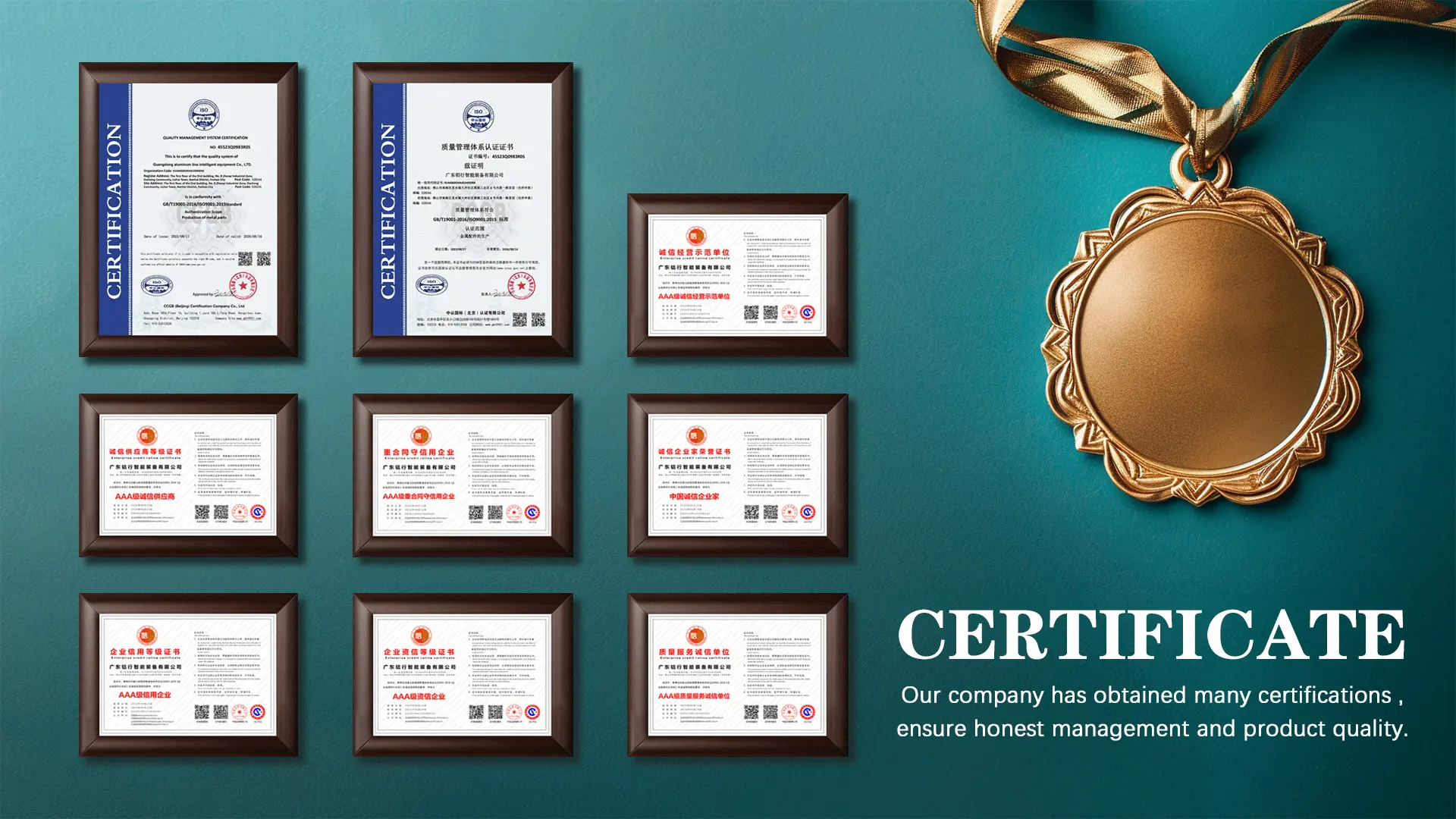
These capabilities allow us to produce high-precision aluminum components for aerospace, military, marine, and medical infrastructure. Our facilities hold the "Special Aluminium Materials for Aerospace" Certificate and maintain GB/T19001-2016 / ISO9001:2015 Quality Management System Certifications, ensuring traceability and reliability.

Authorized and certified to supply structural grade aluminum alloys for extreme defense, marine, and aerospace installations.

Large press capability allows the production of wide structural planks, reducing joints and maximizing deck load bearing capacity.

Our engineering team reviews local wind loads, dynamic stresses, and offshore corrosive variables to optimize every project design.
Industrial projects in Indonesia require a balance of structural quality, delivery timelines, and budget control. Working with Lvxing provides access to China's advanced aluminum processing cluster in Foshan. This integration offers significant advantages for EPC companies, marine developers, and municipal contractors in Jakarta, Surabaya, and Balikpapan.
Extrusion Scale & Raw Material Integration: Our partnerships with premium raw material refiners, including Fenglu, stabilize material costs and ensure chemical composition consistency. This direct supply chain prevents surface defects and alloy variations that can cause premature structural failures in high-corrosive marine environments like the Natuna Sea.
Downstream Processing and Precision CNC Fabrication: Lvxing handles the entire fabrication process in-house, including design, extrusion, heat treatment, multi-axis CNC drilling, slotting, anodizing, and final pre-assembly testing. In-house processing ensures that when the interlocking panels, sub-frames, and safety nets arrive in ports like Tanjung Priok (Jakarta) or Tanjung Perak (Surabaya), they can be assembled quickly without requiring field modifications.
Logistical Support & Custom Documentation: We provide comprehensive export documentation, including Mill Test Certificates (MTC), compliance documents for local Indonesian regulations (DGCA guidelines), and detailed assembly manuals, facilitating straightforward customs clearance and import processing.
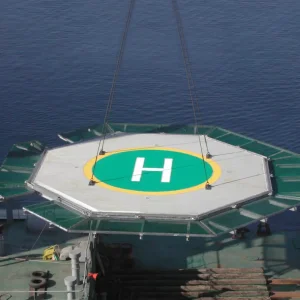
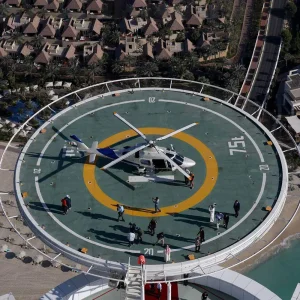
Deployed on offshore oil platforms and Floating Production Storage and Offloading (FPSO) units. The high corrosion resistance of marine-grade aluminum eliminates the heavy paint maintenance schedules common to structural steel platforms.
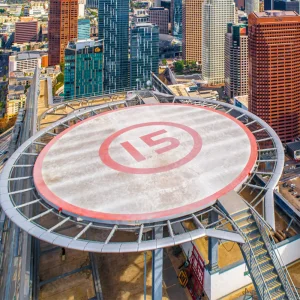
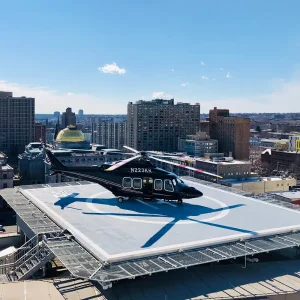
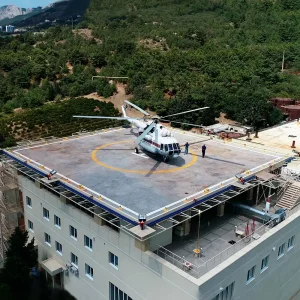
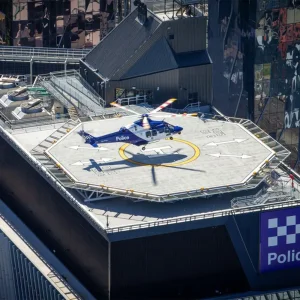
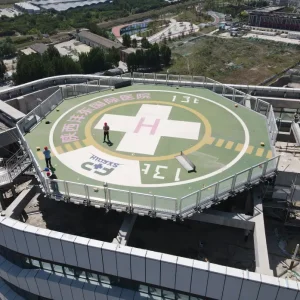
Ideal for medical emergencies and executive travel in Jakarta's central business districts. Lightweight aluminum systems reduce gravity loads on older buildings and simplify retrofitting without structural reinforcement.
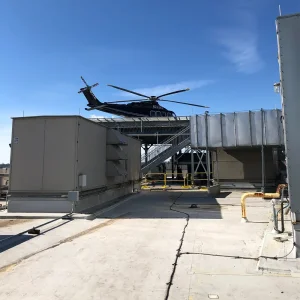
Used at remote mining facilities in Papua and East Kalimantan. The modular design enables transport via small cargo aircraft or barges and allows for rapid assembly on simple foundations without specialized cranes.
We use structural-grade, marine-class 6000-series alloys, primarily 6005A-T6 and 6082-T6. These alloys undergo specialized heat treatments to provide the necessary tensile strength, yield strength, and resistance to saltwater corrosion without requiring heavy protective coatings.
Yes. Our designs are engineered to meet Civil Aviation Authority guidelines (such as UK CAA CAP 437), ICAO Annex 14 standards, and the local Indonesian Direktorat Jenderal Perhubungan Udara (DGCA) KP 29 Year 2017 criteria for structural load capacity, drainage, and safety margins.
Our manufacturing facility features extrusion lines ranging from 800 Tons up to 20,000 Tons. This equipment allows us to extrude profile section widths up to 1.2 meters and continuous profile lengths up to 28 meters, minimizing structural seams on large platforms.
Our safety nets are constructed with marine-grade 316 stainless steel cable mesh or high-durability aluminum frames. They are tested to comply with CAP 437, ensuring they can absorb a 100 kg drop test from 1 meter without structural failure or detachment from the helideck edge.
We handle packaging, container stuffing, and customs export documentation in-house. Shipments from our Foshan factory route through Guangzhou or Shenzhen ports directly to Indonesian ports, including Tanjung Priok (Jakarta) and Tanjung Perak (Surabaya), with a transit time of 10 to 14 days.
Get in touch with our technical sales team for profile structural calculations, custom profile drawings, and FOB/CIF pricing for the Indonesian market.
Send Inquiry Now LvXing