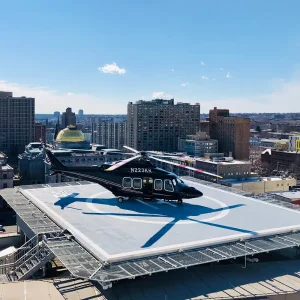
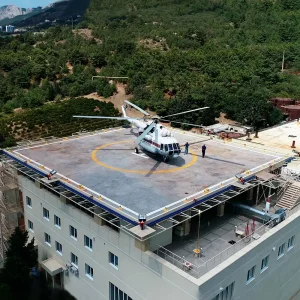
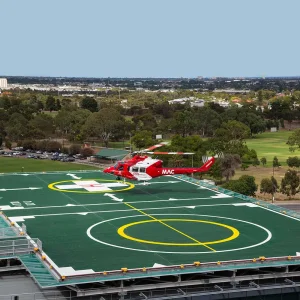
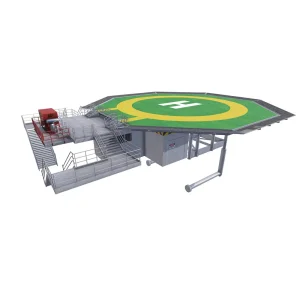
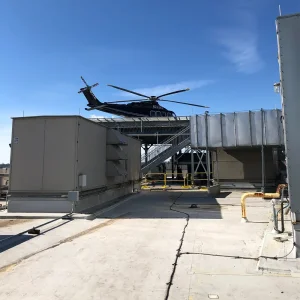
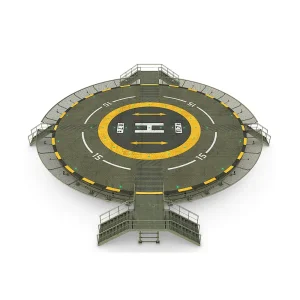
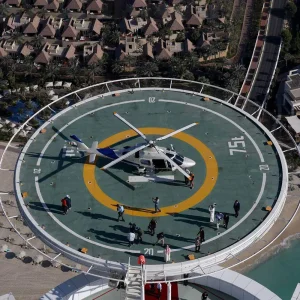
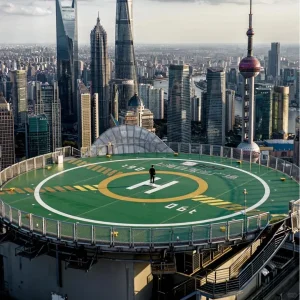
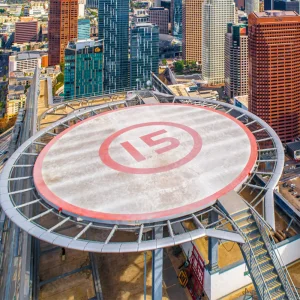
Premium engineering solutions optimized for the unique topography and climatic demands of the Chilean territory.
Chile presents some of the most challenging geographical and climatic conditions in the world. Stretching over 4,270 kilometers along the southwestern edge of South America, the territory experiences environments ranging from the hyper-arid Atacama Desert in the north, high-altitude Andean mining projects reaching over 4,500 meters, to subpolar coastal systems in the south. In these critical environments, safety, reliability, and precision of helicopter operations are non-negotiable.
For Chilean mining corporations operating in zones like Antofagasta, Calama, and Copiapó, helicopter transportation is vital for medical evacuation and crew rotations. Similarly, the expanding offshore energy, maritime transport hubs in Valparaíso, and medical institutions in Santiago demand highly durable helipads that offer lightweight structures without compromising structural load capacities.
Established in 2015 and located in Foshan City, Guangdong, LvXing Intelligent Equipment Co., Ltd. boasts a skilled R&D team with extensive experience. We leverage exceptional technical expertise to effectively transform customers' ideas into reality, consistently meeting their precise requirements.
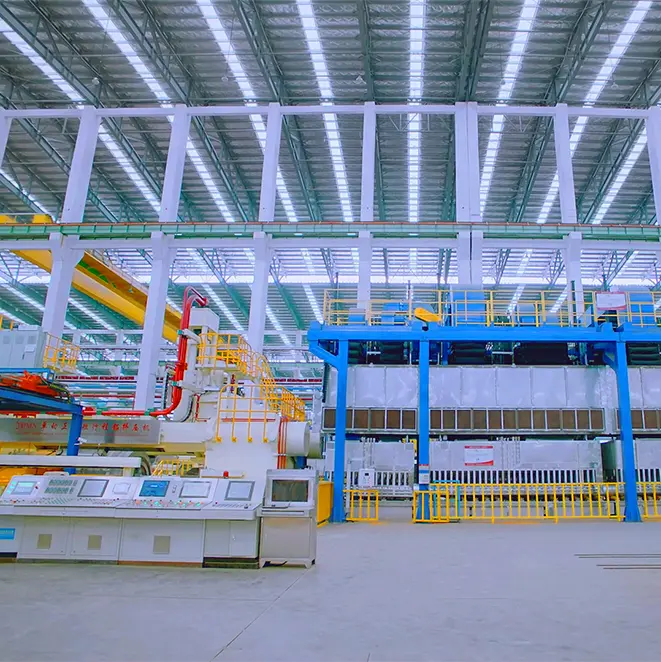
We utilize premium Fenglu aluminum, offering a diverse range of profiles for flexible applications. Our massive extrusion lines, ranging from 800T to 20,000T, accommodate high-performance alloys including 1xxx, 2xxx, 3xxx, 5xxx, 6xxx, and 7xxx. This advanced infrastructure allows us to produce complex shaped products with section dimensions up to 1.2 meters in width and 28 meters in length. These products are internationally recognized for their structural precision and meticulous processing, finding broad application in aerospace, military, marine, medical, and heavy industrial sectors.
Our commitment to excellence is evident throughout the manufacturing process, rigorous quality control, thorough packaging, and efficient shipping procedures. This dedication has earned us recognition as a national excellent and honest enterprise, along with quality system certification in accordance with GB/T19001-2016/ISO9001:2015 standards.

Engineered to exceed safety, mechanical, and logistical expectations in demanding sectors.
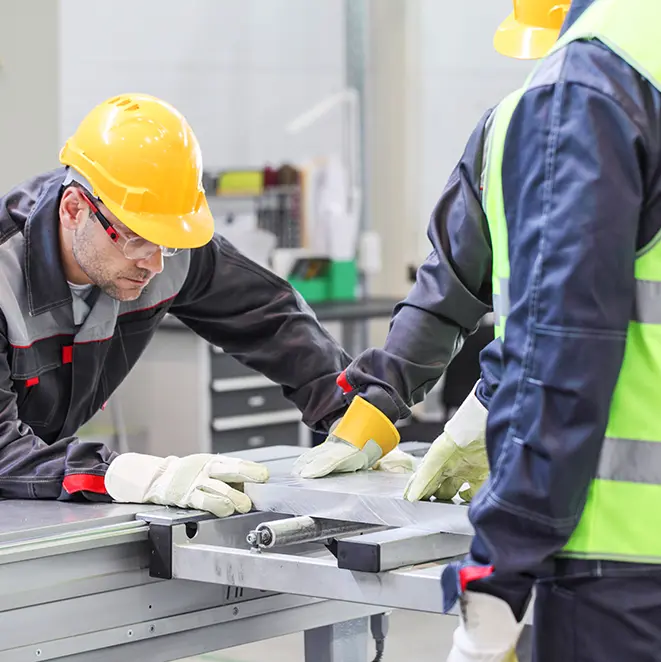
We hold the official “Special Aluminium Materials for Aerospace” Certificate. Our manufacturing processes strictly comply with military and high-aviation standards, ensuring every structural rib can withstand intense helicopter dynamic impact loads.
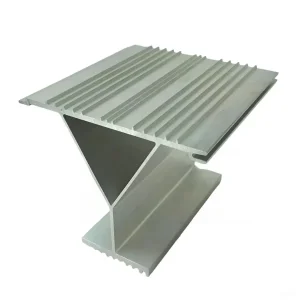
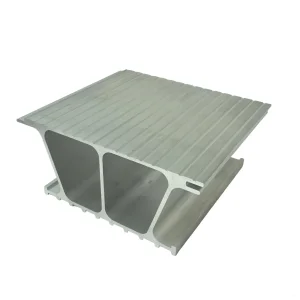
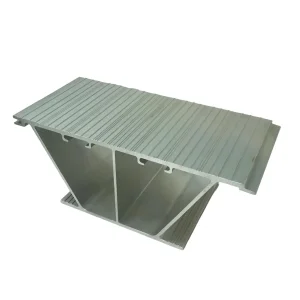
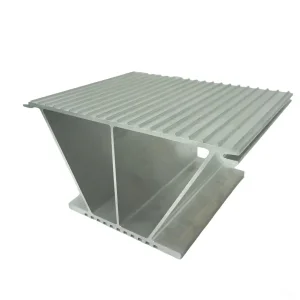
By utilizing premium Fenglu aluminum raw materials with 800T to 20,000T extrusion configurations, we produce customized multi-hollow alloys (6005A-T6, 6082-T6) up to 28 meters in length. This limits welds, increasing localized load capacity.
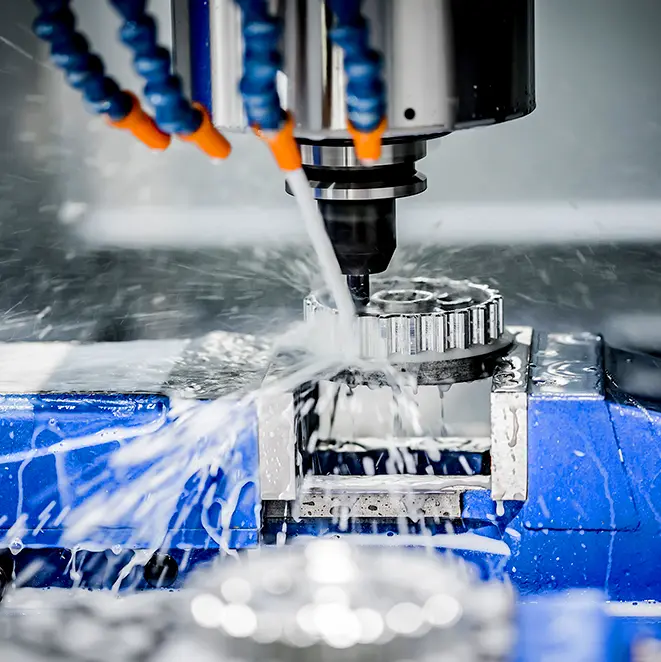
Our engineering team resolves architectural challenges before fabrication. We analyze seismic parameters, wind shear coefficients, and structural interfaces to provide tailored structural drawings that perfectly match your project requirements.
Designed for helicopter weight limits ranging from light commercial aircraft to heavy military units (e.g., EH101, Sikorsky S-92).
| Specification Parameter | Technical Configuration Details | Engineering Compliance Standard |
|---|---|---|
| Alloy Selection | EN AW-6005A T6 or EN AW-6082 T6 (Highly resistant to marine stress corrosion) | EN 755-2 / ASTM B221 |
| Static Loading Capacity | Tested for point load capacity exceeding 150 kN (Equivalent to 15-ton helicopters) | ICAO Annex 14 Vol. II / CAP 437 |
| Dynamic Crash Loading | Structural retention limits evaluated for vertical acceleration rate of 3.75g | FAA AC 150/5390-2C |
| Surface Profile & Safety | Anti-slip serrations, integrated continuous drainage slots, and high-friction rib lines | DIN 51130 Class R11 / R12 |
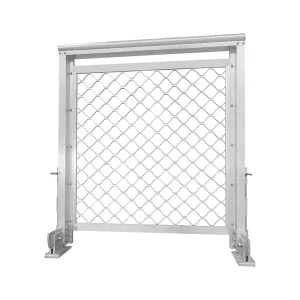
| Perimeter Safety Nets | Anodized Aluminum 6063-T6 framing with SUS316 Stainless Steel mesh grids | CAP 437 / UK CAA requirements |
| Anodizing Treatment | Class II Clear or Bronze Anodizing, film thickness ≥ 15 microns | Qualanod / ISO 7599 |
In accordance with the Chilean seismic design codes for buildings and industrial facilities, our helidecks are configured with specialized sliding support brackets and elastomer damping pads. These isolate the helipad deck from structural vibrations and lateral seismic shears. This design avoids structural fatigue and failure of the primary building framework, providing a safe landing platform even after major tremors.
Providing customized structural systems across commercial, resource, and medical sectors.
We engineer robust helipads designed for altitudes exceeding 4,000m. At high altitudes, helicopters require longer take-off areas and higher safety buffers due to lower atmospheric density. Our wide-panel extrusion profile supports these wider footprints while maintaining wind-load resilience against Andean gusts.
Chilean maritime territorial operations demand helipads with high corrosion resistance. We construct marine-grade, salt-water-tolerant safety net frames and lightweight landing decks. By using special aluminum formulations, we prevent pitting corrosion and minimize maintenance costs in the southern Pacific waters.
Hospitals in Santiago and other urban areas require rapid trauma response helipads. Our aluminum profile assemblies provide a quiet, lightweight alternative to concrete. This minimizes noise transmission through the building skeleton and allows for fast installations over existing roof frames.
Adapting to the future of urban air mobility (UAM), eVTOL flights, and autonomous cargo drones.
The next generation of helipads will incorporate smart sensing systems. By embedding fiber-optic stress sensors and temperature-monitoring elements inside the cavities of our aluminum profiles, operators can monitor structural load, deck fatigue, and ice build-up in real-time. This provides predictive maintenance indicators, which are particularly useful for remote sites in southern Chile.
Furthermore, our profiles are designed to integrate clean surface heating elements. This prevents ice accumulation at high elevations, ensuring year-round operational readiness.
With Chile exploring automated logistics for remote mining centers, vertical flight infrastructure must adapt. Our engineering team is developing modular landing platforms for eVTOL aircraft, which require precise ground monitoring systems, high localized weight tolerance, and integrated rapid charging networks.
Answers to technical and logistical questions about our helideck installations in Chile.
Select from our certified products, engineered to fit varied maritime and architectural project dimensions.
Providing engineered systems for skyscrapers, regional airports, and marine installations.
Get in touch with our engineering team to request a customized quote, design consult, or technical specification sheet for your specific industrial project.
 LvXing