Engineered high-performance landing deck configurations tailored for high-salinity marine environments and rapid installation.
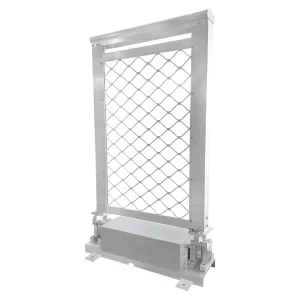
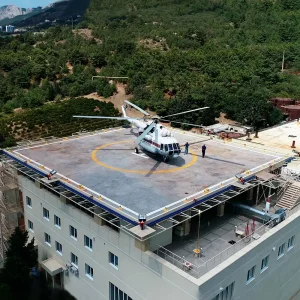
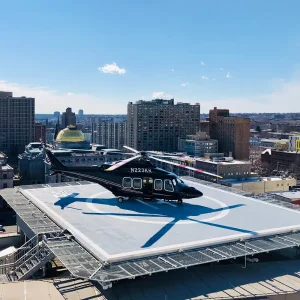
Composed of 33 dispersed coral atolls and reef islands spanning over 3.5 million square kilometers of ocean, Kiribati faces unprecedented geographical logistics constraints. Emergency medical evacuation (Medevac), fisheries patrol, marine conservation management, and supply runs across the Gilbert, Phoenix, and Line Islands dictate a reliance on marine helicopter infrastructure.
However, the equatorial, high-humidity, and saline-heavy atmosphere of the central Pacific creates extreme corrosion threats. Standard structural materials quickly deteriorate under severe UV exposure and persistent salt-spray. To maintain structural integrity and ensure the safety of helicopter crew and ground personnel, engineering demands shift to advanced, anodized aluminum helidecks and corrosion-resistant safety netting systems.
Compliance with international flight safety standards such as ICAO Annex 14 and UK CAA CAP 437 is paramount. Standard drop testing, wind load dissipation, and modular marine construction are essential parameters for safe helicopter deck operation in Tarawa, Kiritimati, and beyond.
Unifying aerospace engineering precision with world-class aluminum profile fabrication for ultimate Pacific durability.
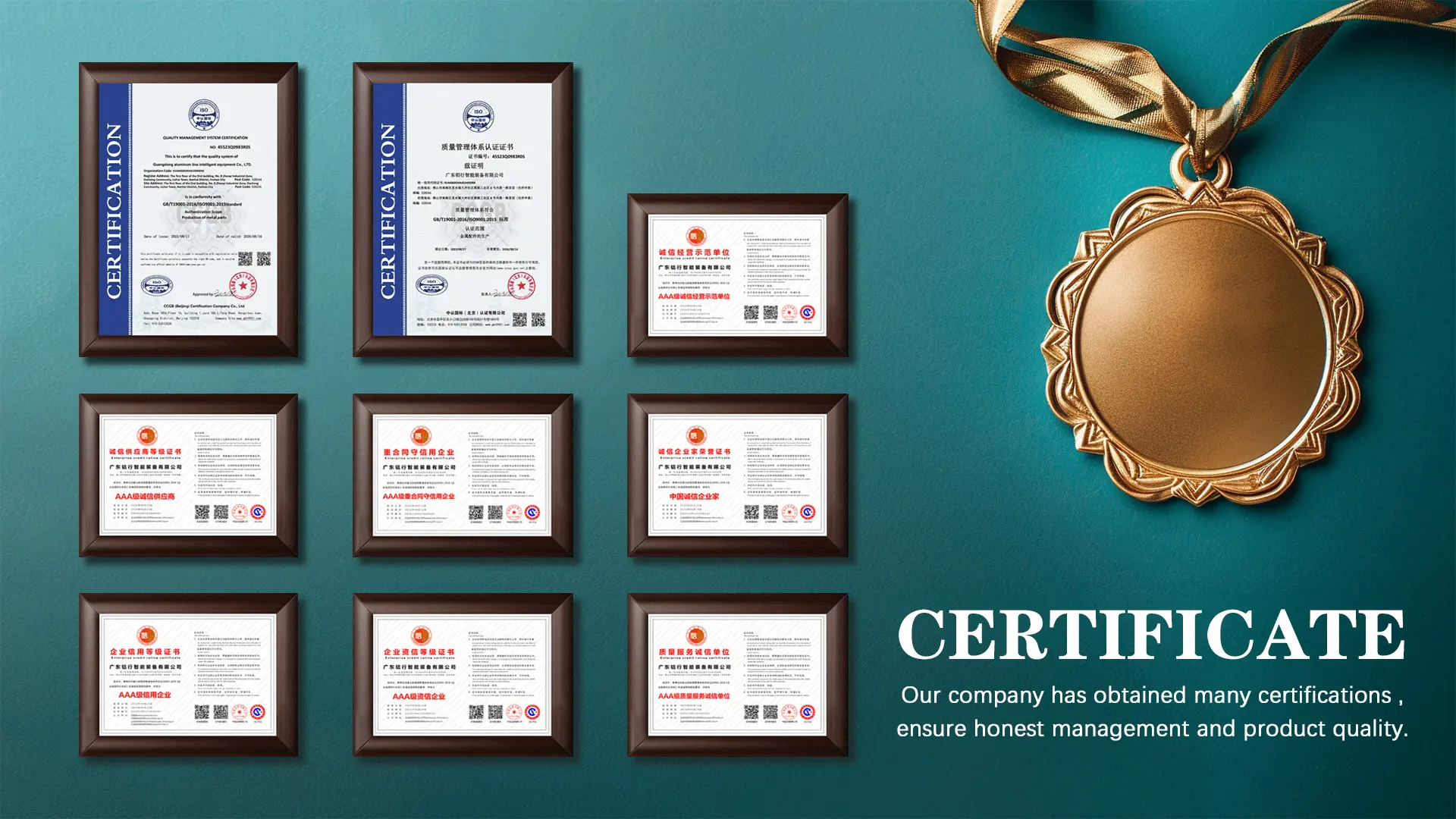
We have obtained the prestigious "Special Aluminium Materials for Aerospace" Certificate. Using premium Fenglu aluminum guarantees structural stability under heavy mechanical stress and dynamic helicopter impact loads.
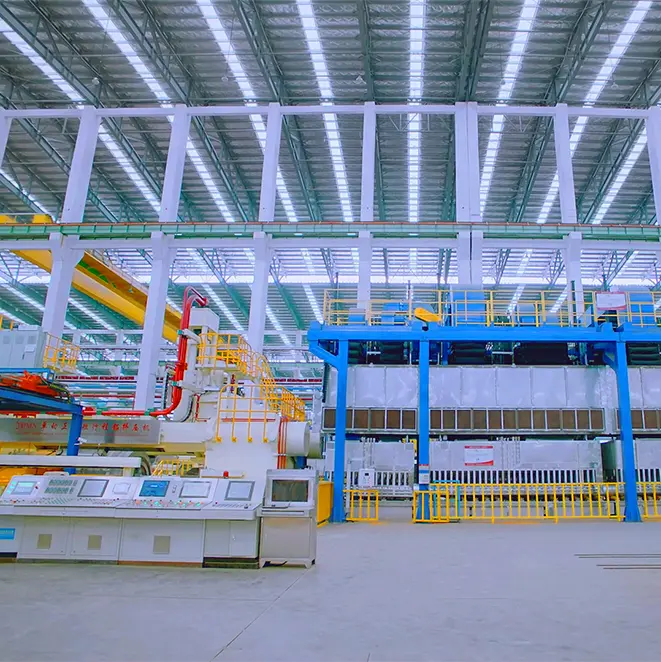
Operating extrusion lines ranging from 800T to 20,000T, we accommodate structural alloys (1xxx, 2xxx, 3xxx, 5xxx, 6xxx, 7xxx). We produce fully shaped products with cross-sections up to 1.2m in width and 28m in length.
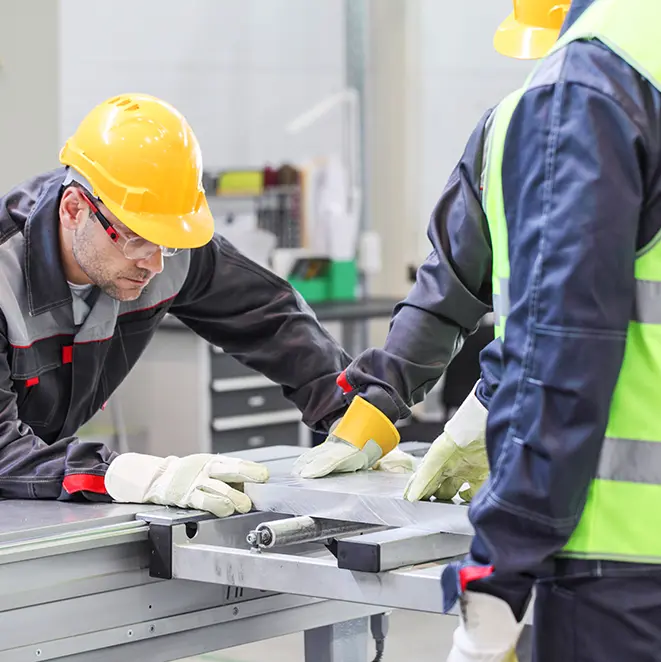
Our commitment to excellence is maintained through strict manufacturing processes, packaging, and shipping procedures conforming to GB/T19001-2016 / ISO9001:2015 quality system standards.
Established in 2015 in Foshan City, Guangdong, LvXing Intelligent Equipment Co., Ltd. boasts a highly skilled R&D team with extensive experience. We leverage exceptional technical expertise to transform custom conceptual designs into robust physical structures, satisfying our global clients' exact site configurations.
Whether designing a helideck for a vessel patrolling the Phoenix Islands Protected Area (PIPA) or engineering a rooftop helipad for emergency hospital networks in Tarawa, we operate as a reliable, honest business partner. We warmly invite engineers, contractors, and authorities from Kiribati and the broader Pacific region to visit our manufacturing center.
Precision materials meet strategic design to mitigate the high-salinity corrosion risks of the South Pacific.
From remote medical clinics to patrol ship landing platforms, our modular systems adapt to different engineering demands.
In critical emergencies where immediate transport is required from outer islands to Tarawa Central Hospital, rooftop aluminum helipads provide safe, structural landing zones. Modular aluminum systems distribute the weight across pre-existing concrete structures, reducing structural reinforcement costs.
Ensuring security over the vast Kiribati Exclusive Economic Zone (EEZ) requires naval vessels and patrol craft to operate continuous rotary-wing reconnaissance flights. Marine deck installations demand light, non-sparking, and corrosion-proof aluminum helidecks coupled with CAP 437 stainless steel/aluminum safety mesh to prevent drops in high-sea operations.
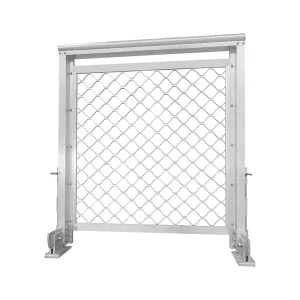
Traditional chain-link mesh degrades under equatorial sea breeze exposure. Our marine-grade aluminum frame and mesh safety nets are stress-tested to absorb standard 100kg drop loads, securing technicians and landing staff from high-altitude falls into surrounding waters.
Browse our complete range of certified structural assemblies, aluminum mesh, and customized landing platforms.
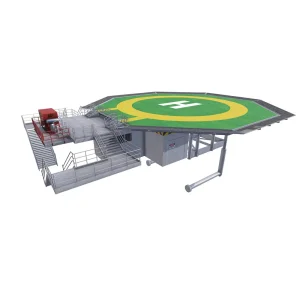
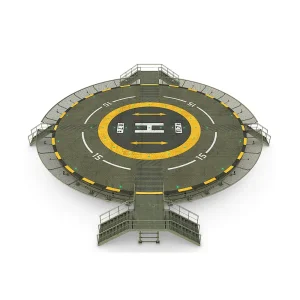
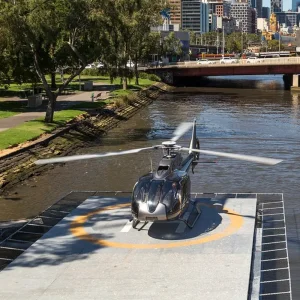
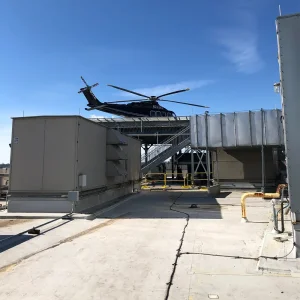
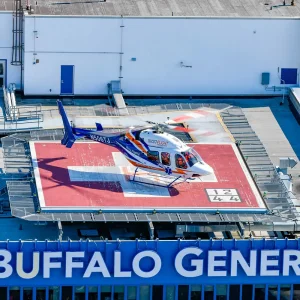
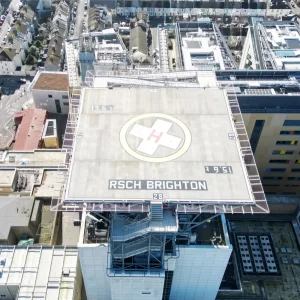
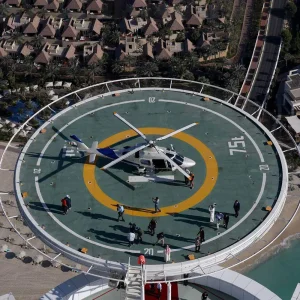
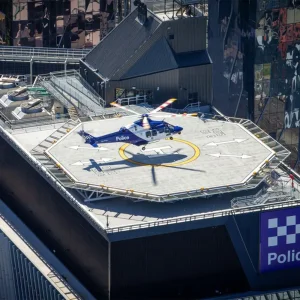
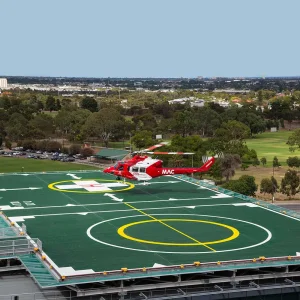
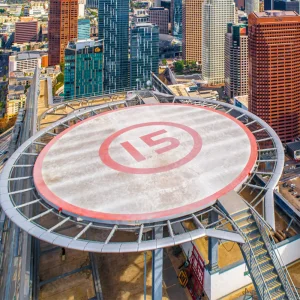
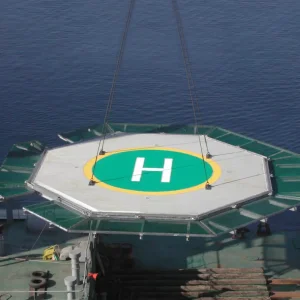
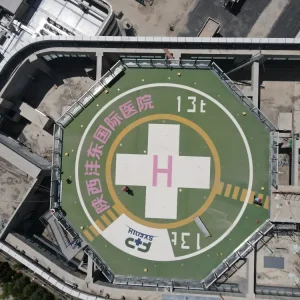
Detailed structural characteristics designed to survive regional environmental hazards.
How we overcome isolated logistics barriers to guarantee timely structural deployment.
Shipping completed heavy structures to remote oceanian destinations can incur high freight rates and demand massive crane systems during offloading. LvXing resolves this issue through our proprietary modular flat-pack aluminum helipad design.
The helidecks are packaged into standard ocean-freight shipping containers, fitting standard transport vessels calling at Betio Port, Tarawa, or London, Kiritimati. This modular design allows assembly by domestic engineering teams using basic tools with minimal supervision.
From structural calculations and detailed drawings to manufacturing and final quality inspections, we manage the entire value stream. This ensures every millimeter conforms to requested civil aviation standards before leaving our facility.
We coordinate customs processes, export container tracking, and provide complete assembly documentation, reducing administrative delays for public works programs and international private developers.
Answers to critical design, installation, and procurement questions for the South Pacific market.
Steel corrodes rapidly when exposed to saltwater spray, high humidity, and intensive UV radiation, requiring expensive repainting and constant structural inspections. Modular aluminum helipads using 6082-T6 and 6061-T6 alloys naturally produce a protective oxide layer, eliminating rusting, reducing maintenance costs, and extending the system's operational lifespan.
Yes. Our perimeter safety nets are designed, manufactured, and drop-tested to meet CAP 437 and ICAO Annex 14 safety guidelines. They can withstand a minimum kinetic energy impact equal to a 100kg body dropped from 1 meter without structural tearing or detachment, containing personnel within the landing parameter.
Yes. Because aluminum is roughly 60% lighter than structural steel, it reduces the dead load imposed on existing building foundations. Our engineering team calculates load paths and provides customized support frames to distribute landing impact forces safely into the columns of existing concrete structures.
Typically, fabrication takes between 30 to 45 days, depending on custom dimensions and specifications. We pack the system in standard GP containers and ship via direct regional ocean carrier paths to Betio Port (Tarawa) or Kiritimati. Total transit times range between 20 to 35 days, including customs clearance processing.
Our electric safety net systems utilize marine-rated electric actuators protected by IP67/IP68 enclosures. These can be integrated directly with the vessel's bridge control system or helipad control booth, allowing rapid deployment and retraction at the push of a button during flight operations.
Yes. LvXing holds the "Special Aluminium Materials for Aerospace" certificate, and our fabrication processes follow strict GB/T19001-2016/ISO9001:2015 quality control systems. We source structural raw profiles from Fenglu Aluminum, ensuring reliable alloy purity and tensile strength.
Pricing is calculated based on specific helideck dimensions, required helicopter weight capacity (D-value), the type of perimeter safety mesh (manual or electric), and shipping destination. We offer complete custom quotations, including detailed structural design assistance, within 48 hours of receiving inquiry details.
Get in touch with our engineering team today for technical consulting, cost estimates, and structural designs tailored for South Pacific environments.
Send Inquiry Now LvXing