Premium aluminum structural profiles designed for extreme load performance in coastal and marine environments.
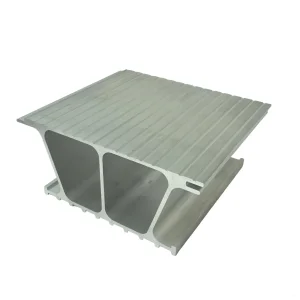
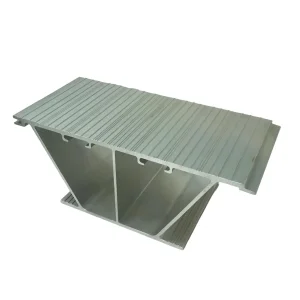
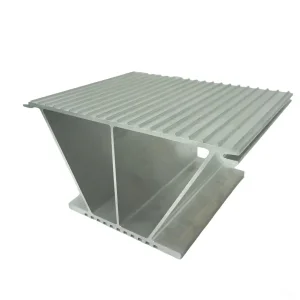
The Netherlands occupies a critical strategic position in Northern Europe's offshore energy grid, maritime shipping lanes, and medical aviation networks. Helicopter transport is essential for maintaining operations on North Sea gas and wind installations, offshore substation platforms (OHVS), and transferring critical trauma patients to university medical centers (UMCs) across the country.
These harsh North Sea environments present severe engineering challenges: extreme wind shear, salt spray corrosion, dynamic impact loads, and strict environmental compliance under Dutch and European aviation frameworks (such as EASA rules and CAP 437 guidelines). Under these conditions, traditional steel or concrete decks are quickly replaced by advanced, modular Marine-Grade Aluminum Helipad Decks.
As a leading helipad and safety net supplier and factory serving the Netherlands, we deliver custom-extruded aluminum structural profile systems designed to optimize weight, resist galvanic corrosion, and offer rapid assembly without hot-works on offshore vessels or downtown hospital rooftops.
Why modern marine and civil engineering firms in Rotterdam, Amsterdam, and Groningen specify aluminum alloys over carbon steel.
We source premium Fenglu aluminum. By selecting magnesium-silicon aluminum alloys like 6082-T6 and 6061-T6, we ensure maximum structural strength, superior welding capability, and exceptional marine-atmosphere corrosion resistance.
Aluminum's high strength-to-weight ratio allows a structural weight reduction of up to 60% compared to equivalent steel decks. This structural weight reduction increases vessel stability, reduces foundation fatigue on buildings, and lowers installation costs.
Unlike steel which requires regular painting and sandblasting to prevent corrosion, aluminum naturally develops a protective oxide layer. The metal is intrinsically non-sparking, reducing fire hazards in explosive petroleum atmospheres.
Leveraging premium Chinese manufacturing efficiency with high-end, certified structural metallurgy.
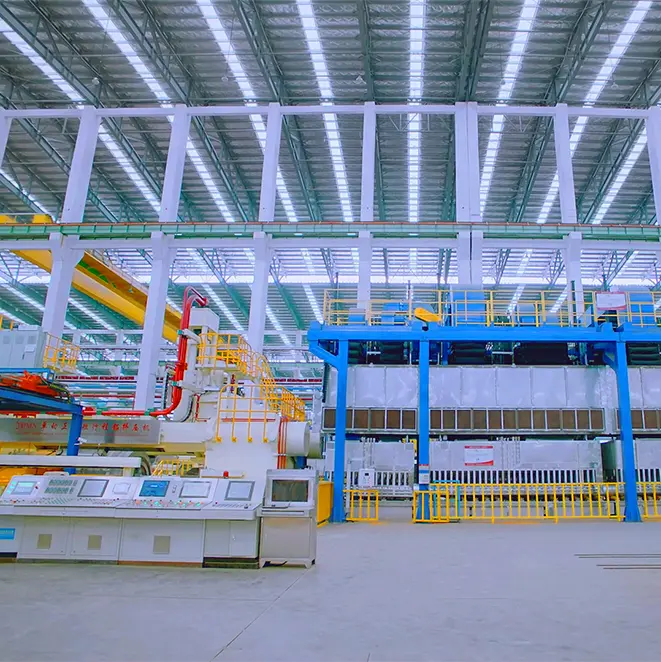
Established in 2015 and located in Foshan City, Guangdong, LvXing Intelligent Equipment Co., Ltd. boasts a skilled R&D team with extensive experience. We leverage exceptional technical expertise to effectively transform customers' ideas into reality, consistently meeting their precise requirements.
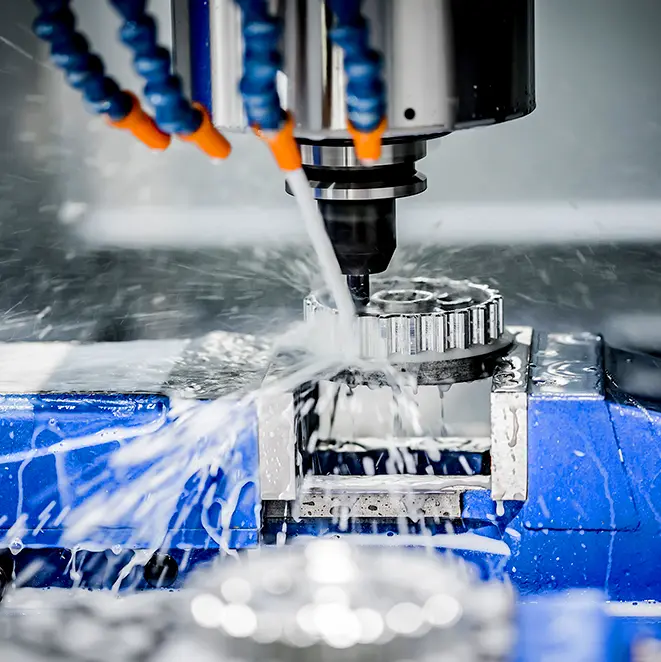
We utilize premium Fenglu aluminum, offering a diverse range of profiles for flexible applications. Our extrusion lines, ranging from 800T to 20,000T, accommodate alloys 1xxx, 2xxx, 3xxx, 5xxx, 6xxx, and 7xxx, allowing us to produce shaped products with section dimensions up to 1.2 meters in width and 28 meters in length. These products are recognized for their precision and meticulous processing, finding broad application in aerospace, military, medical, and industrial sectors.
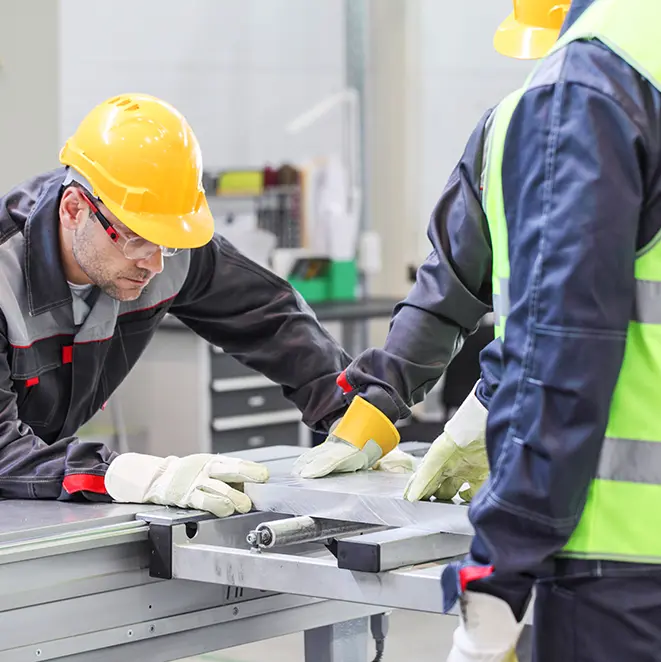
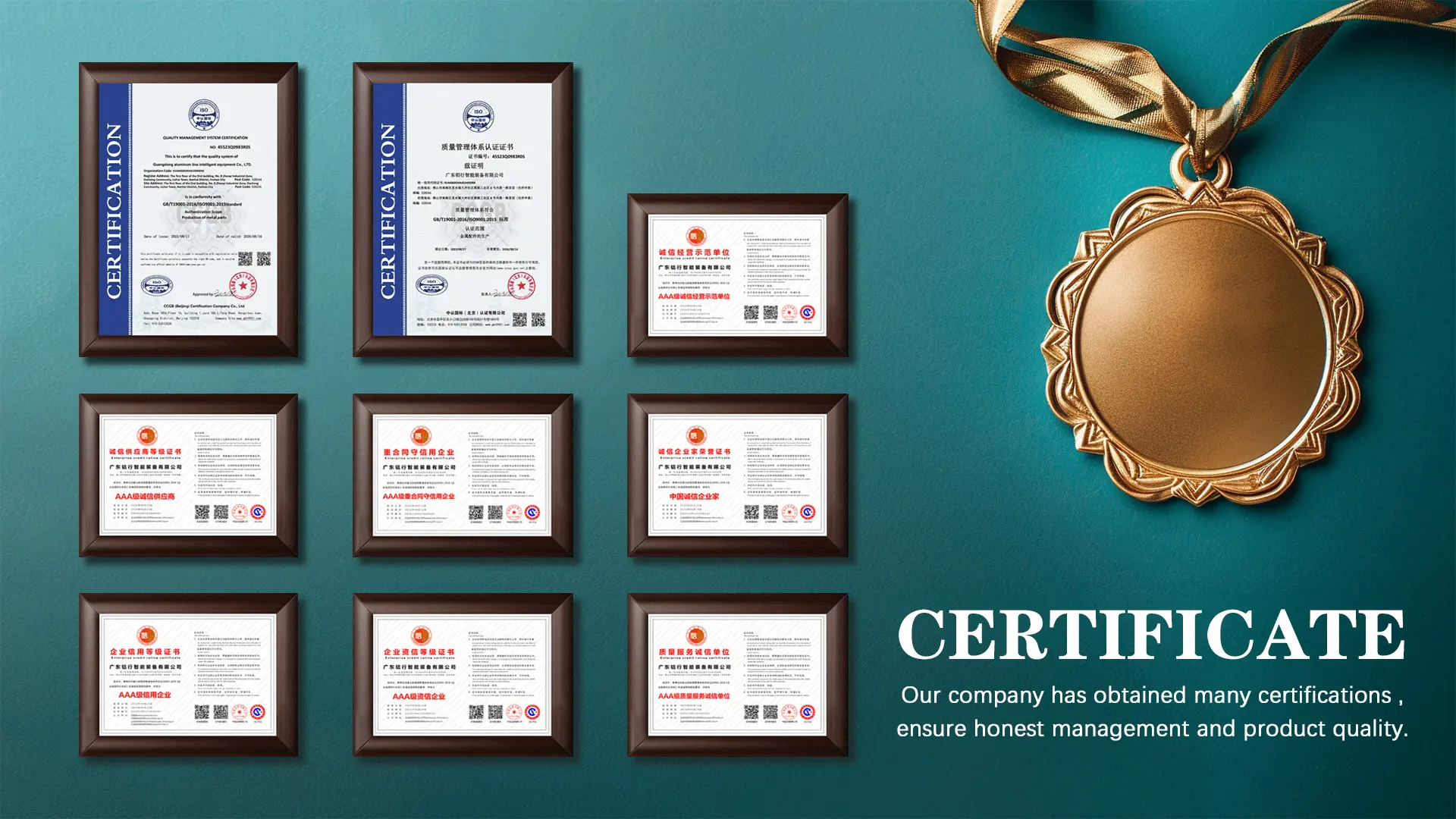
Our commitment to excellence is evident throughout the manufacturing process, rigorous quality control, thorough packaging, and efficient shipping procedures. This dedication has earned us recognition as a national excellent and honest enterprise, along with quality system certification in accordance with GB/T19001-2016/ISO9001:2015 standards.

We have obtained the "Special Aluminium Materials for Aerospace" Certificate, verifying our metal purity and high structural load capacities.
Utilizing extrusion lines from 800T to 20,000T, we manufacture seamless single profiles up to 1.2 meters wide or 28 meters long, reducing joints and leak points.
Our dedicated engineering team reviews wind loading, deflection, shear stresses, and custom layout drawings to match local Dutch project site parameters.
Streamlined structural components shipping from our factory in Foshan to major Dutch maritime hubs.
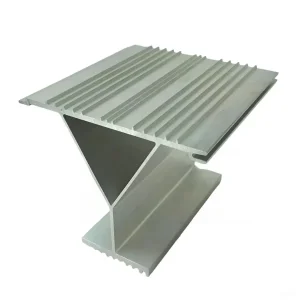
Our project packages ship directly as pre-machined, interlocking structural planks, understructure framing members, perimeter safety net supports, and fastening hardware. The modular kit design eliminates the need for field welding or specialized high-heat machinery during installation in the Netherlands, maintaining safety and integrity for offshore energy stations and live hospital rooftops.
Browse our CE-certified configurations, customized decks, and perimeter safety nets engineered to prevent fall hazards.
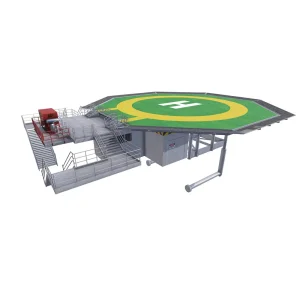
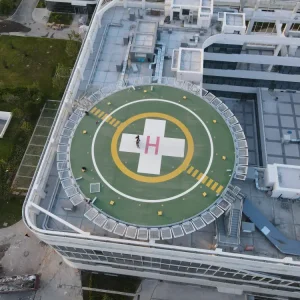
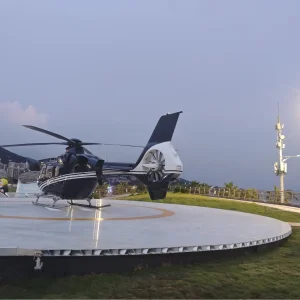
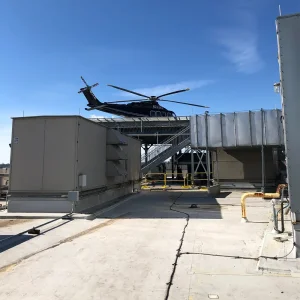
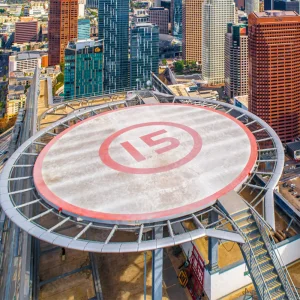
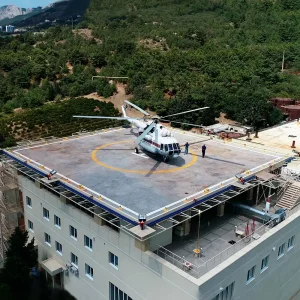
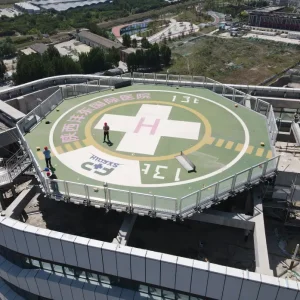
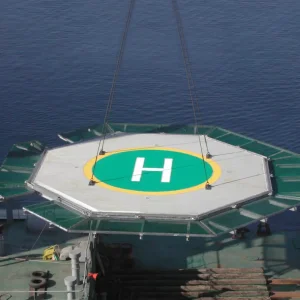
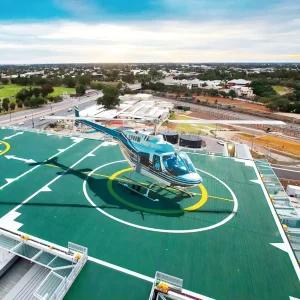
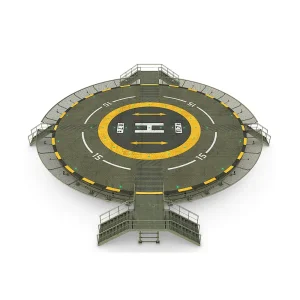
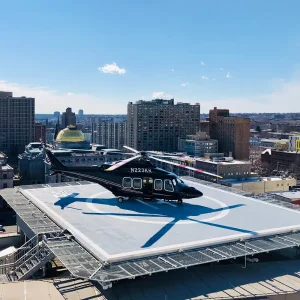
A safety critical component required by aviation guidelines to protect helideck ground crews from falls.

Under international offshore regulations (CAP 437) and civil aviation authorities worldwide, helipads built on elevated platforms must feature an outward-sloping perimeter safety net. The safety net catches personnel or tools in the event of an accidental fall off the deck edge, without presenting a hazard to the aircraft rotor blades.
Our factory manufactures high-strength 316 Stainless Steel Wire Mesh Nets and Marine-Grade Aluminum Frame Nets. The frames are mounted at an angle of 10 degrees upward, extending 1.5 meters outward from the deck boundary to catch falling loads. Our net assemblies are fully load-tested using a 2.25 kJ drop test, ensuring structural compliance under CAP 437 guidelines.
Key technical answers regarding structural design, compliance, and international procurement logistics.
Yes. Our aluminum helideck profiles are engineered and verified in accordance with International Civil Aviation Organization (ICAO) Annex 14, UK CAA CAP 437 (Standards for Offshore Helicopter Landing Areas), and EASA (European Union Aviation Safety Agency) guidelines. We can provide standard calculation reports and certifications matching these parameters for your structural engineers.
We primarily utilize 6082-T6 and 6061-T6 structural aluminum alloys. These alloys are known for high mechanical strength, good weldability, and resistance to corrosion, making them suitable for marine environments in coastal regions like Rotterdam or offshore locations in the North Sea.
Our profiles are packed in protective structural bundles and shipped via sea containers directly from the Port of Guangzhou or Shenzhen to the Port of Rotterdam. Typical transit time is 25 to 30 days. We supply all customs clearance documents, including Certificate of Origin, Mill Test Certificates (MTC), and Packing Lists.
Yes. Our helideck perimeter safety nets, manufactured with AISI 316 stainless steel wire mesh or aluminum framing, are tested to meet the drop test requirements of CAP 437. They are designed to withstand a 2.25 kJ impact test, which corresponds to dropping a 100 kg mass from a height of 2.25 meters.
Yes. With our extrusion lines ranging from 800T up to 20,000T, we can extrude custom cross-sections up to 1.2 meters wide and 28 meters long. Our in-house engineering team works from customer drawings to design and manufacture custom profiles for specific structural requirements.
Connect with our technical design team today. We provide full structural layout suggestions, wind load analysis, budget pricing, and lead times for Netherlands projects.
Send Inquiry Now LvXing