Engineered structural configurations adapted to harsh marine climates and high-load urban landing pads across Brazil.
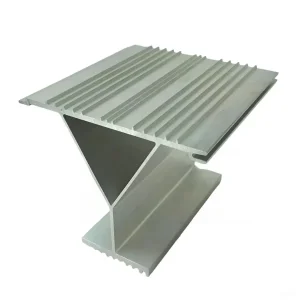
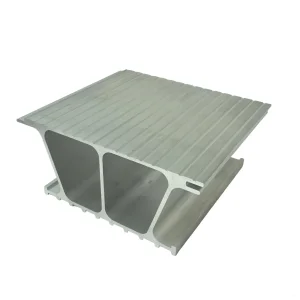
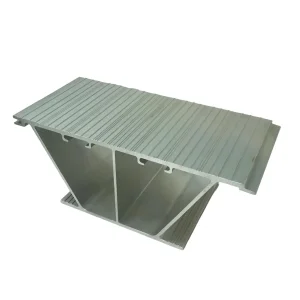
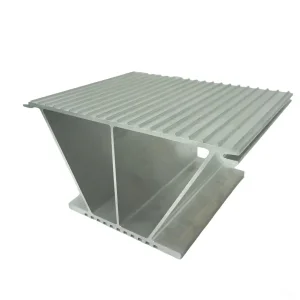
Brazil, particularly the metropolitan area of São Paulo and the offshore petroleum hubs of Rio de Janeiro, represents one of the world's most demanding environments for helicopter infrastructure. With São Paulo hosting the largest fleet of urban corporate helicopters globally, the requirements for rooftop aluminum helipads have surged. These structures demand lightweight, high-load configurations that minimize the structural load on existing building foundations while maintaining absolute compliance with the National Civil Aviation Agency (ANAC) regulations and ICAO Annex 14.
Concurrently, Brazil’s deepwater pre-salt oil exploration in the Santos Basin and Campos Basin is expanding. Offshore oil rigs (FPSOs) and exploration vessels rely on structural aluminum helidecks. Traditional steel decks suffer from catastrophic marine corrosion, requiring constant maintenance and adding excessive deadweight to the vessels. High-strength aluminum profiles engineered from 6000 and 7000 series alloys provide superior corrosion resistance and durability in highly saline environments, drastically lowering operational costs.
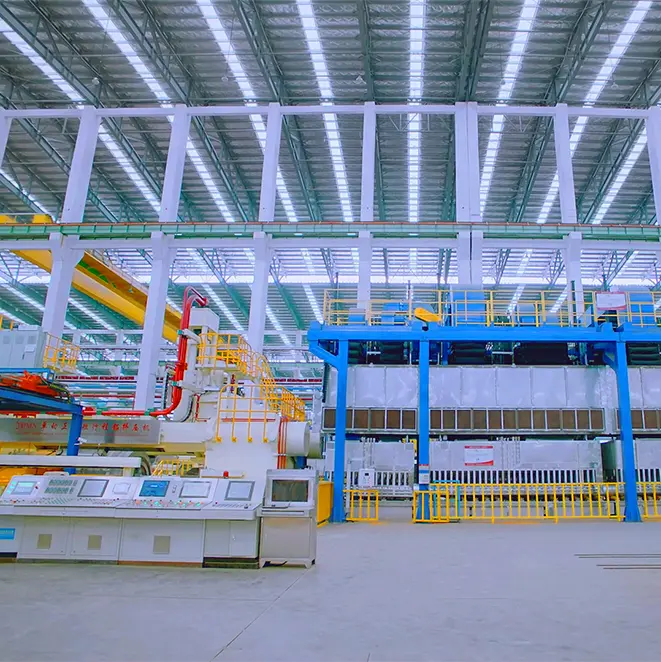
Established in 2015 and located in Foshan City, Guangdong, LvXing Intelligent Equipment Co., Ltd. boasts a skilled R&D team with extensive experience. We leverage exceptional technical expertise to effectively transform customers' ideas into reality, consistently meeting their precise requirements.
We utilize premium Fenglu aluminum, offering a diverse range of profiles for flexible applications. Our extrusion lines, ranging from 800T to 20,000T, accommodate alloys 1xxx, 2xxx, 3xxx, 5xxx, 6xxx, and 7xxx, allowing us to produce shaped products with section dimensions up to 1.2 meters in width and 28 meters in length. These products are recognized for their precision and meticulous processing, finding broad application in aerospace, military, medical, and industrial sectors.
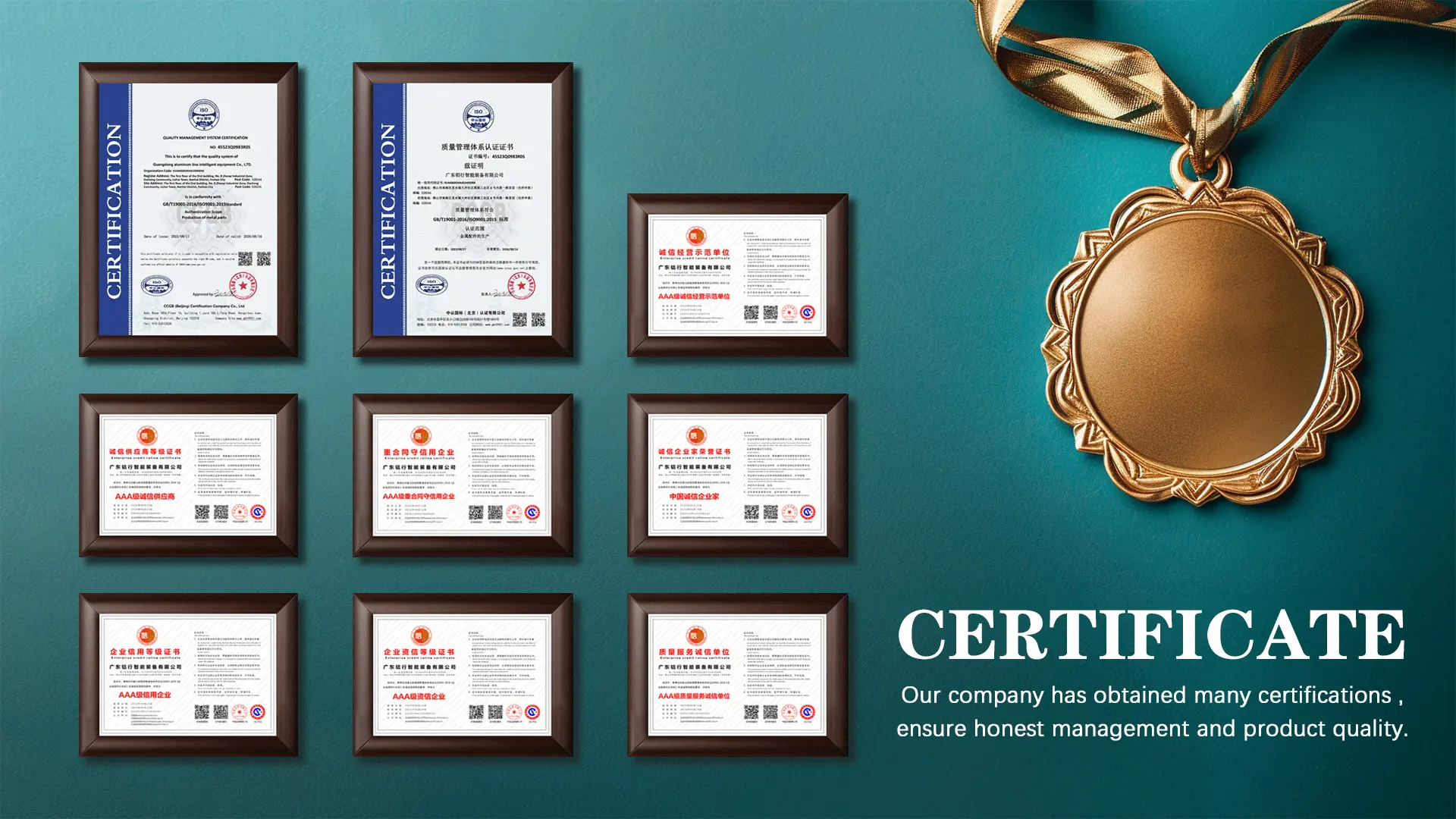
Our commitment to excellence is evident throughout the manufacturing process, rigorous quality control, thorough packaging, and efficient shipping procedures. This dedication has earned us recognition as a national excellent and honest enterprise, along with quality system certification in accordance with GB/T19001-2016/ISO9001:2015 standards.
Why architectural and offshore engineers in Brazil choose our specialized aluminum engineering solutions.

We have obtained the “Special Aluminium Materials for Aerospace” Certificate, verifying compliance for critical civil aviation landings.

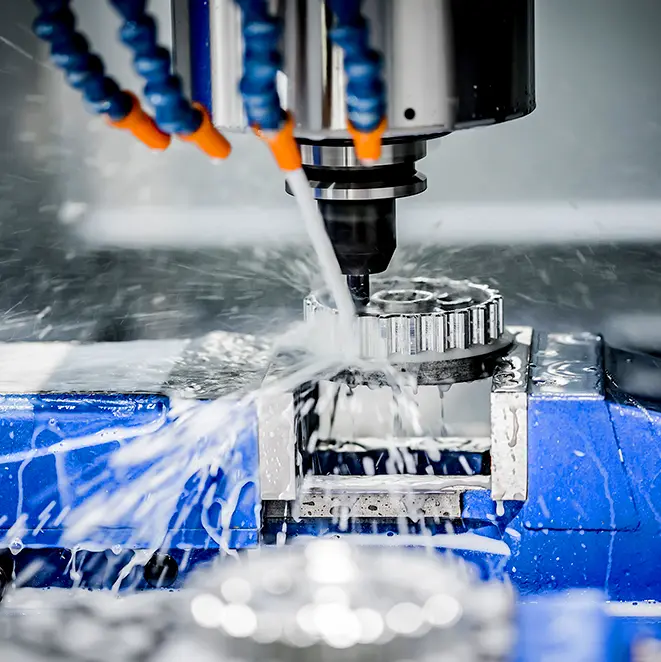
Utilizing high-quality Fenglu aluminum. Press lines from 800T to 20,000T support sections up to 1.2m wide and 28m in length for seamless deck spans.

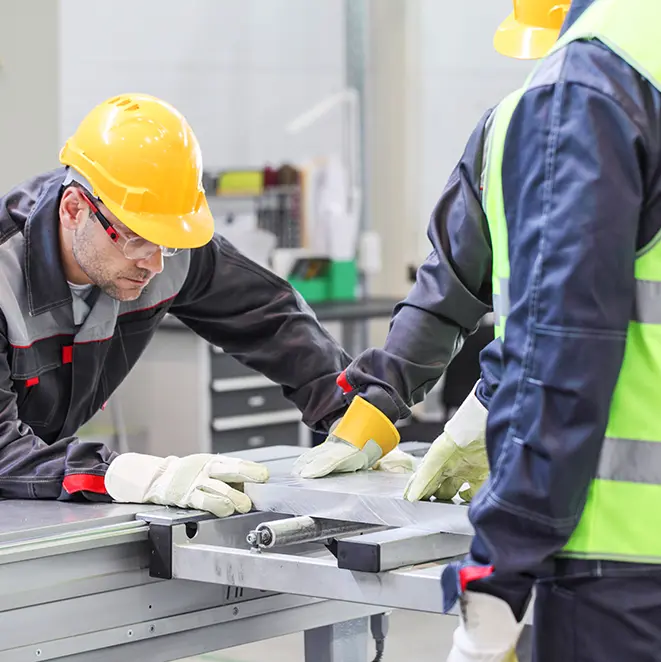
Our technicians identify potential design/installation issues early, delivering bespoke blueprints tailored to localized Brazilian building loads.
Securing structural components from our Foshan industrial hub provides distinct competitive advantages for engineering contractors in Brazil:
| Parameters | Lvxing (China Factory) | Typical Competitors |
|---|---|---|
| Extrusion Press | Up to 20,000T Press | Max 5,000T to 8,000T |
| Max Profile Width | 1.2 Meters (Single Piece) | 0.6 Meters |
| Max Span Length | Up to 28 Meters | Max 12 Meters |
| Alloy Capability | 1xxx - 7xxx Series | Only 6xxx Series |
| Integrity Testing | Ultrasonic + CNC Metrology | Visual Inspection |
Technical innovations designed for maximum structural performance and safety compliance.
Our multi-hollow profiles lock together seamlessly, creating a unified deck structure that distributes dynamic shear stresses evenly during landings.
Extruded from marine-grade 6082-T6 and anodized with high-density film coatings, preventing structural degradation from saltwater exposure.
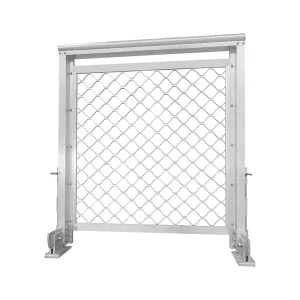
Corrosion-resistant stainless steel 316 or specialized aluminum safety net structures that meet CAP 437 fall arrest system requirements.
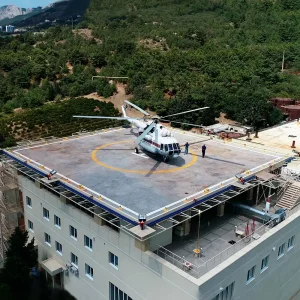
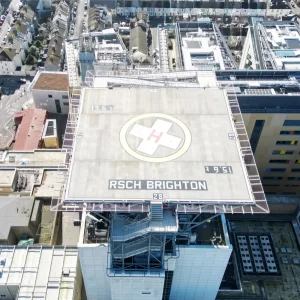
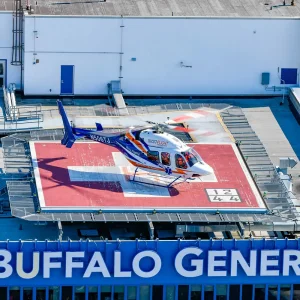
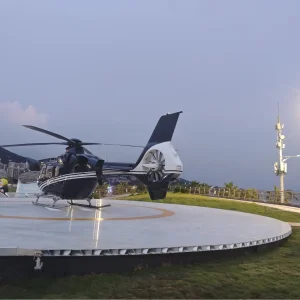
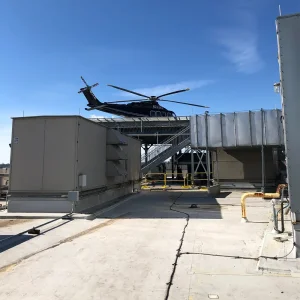
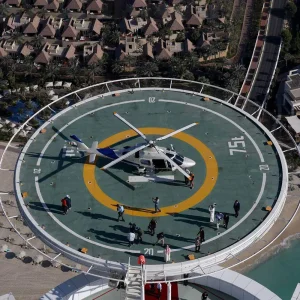
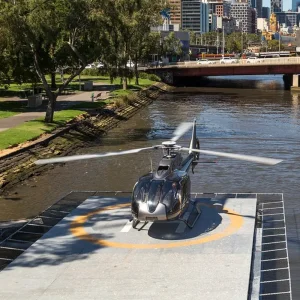
Select from our certified systems, optimized for offshore rigs, hospital rooftops, and commercial heliports in Brazil.
Direct answers from our engineering division regarding importing, structural criteria, and local project integration in Brazil.
Our helipad decks and safety nets are manufactured in accordance with strict international guidelines, including ICAO Annex 14 (Volume II, Heliports) and UK CAA CAP 437 (Standards for Offshore Helicopter Landing Areas). All raw materials are certified to aerospace standards. We utilize premium Fenglu aluminum with full traceability and supply CE compliance documentation for all structural components shipped to Brazil.
Weight reduction and corrosion resistance are key. An aluminum deck is typically 60% lighter than a steel equivalent, reducing the center of gravity of the vessel and saving structural costs. Marine-grade 6082-T6 alloy creates a self-passivating oxide layer that resists aggressive salt spray. This eliminates the need for blasting and painting, significantly reducing maintenance overhead.
We work under FOB, CIF, or DDP terms. Structural profiles are packed in heavy-duty wooden crates to prevent scratching during long transit times. We provide all necessary export documentation, including Certificate of Origin, mill test certificates, and detailed packing lists, to facilitate smooth customs clearance through the Brazilian Federal Revenue (Receita Federal) at ports like Santos or Rio de Janeiro.
Yes. Our engineering division reviews your Maximum Take-Off Weight (MTOW) requirements. Large-tonnage aircraft, such as the Sikorsky S-92 (approx. 12 tons MTOW), require profiles that distribute load concentrations. Our 20,000T extrusion line allows us to design and manufacture heavy-duty profiles with thicker web sections that handle these high dynamic impact forces.
The manufacturing lead time for standard profiles is typically 25 to 35 days from technical drawing confirmation. Custom tooling for non-standard profile sections takes an additional 15 days. Ocean shipping transit time from Shenzhen/Guangzhou ports to Santos, Brazil, is approximately 35 to 45 days. We recommend initiating procurement 3 to 4 months prior to installation.
 LvXing